Measles cases in the U.S. have risen above 3,400 in 2026, prompting an exposure alert after a traveler with measles passed through Philadelphia International Airport on Sept. 13–14. The CDC reported 3,471 confirmed cases as of Sept. 17 and has recorded 39 outbreaks this year, with Pennsylvania hardest hit. Officials urge anyone in the cited airport areas to confirm immunity, monitor for symptoms through Oct. 5, and contact a health care provider if illness develops.
Measles Cases Top 3,400 as Philadelphia International Airport Issues Exposure Alert
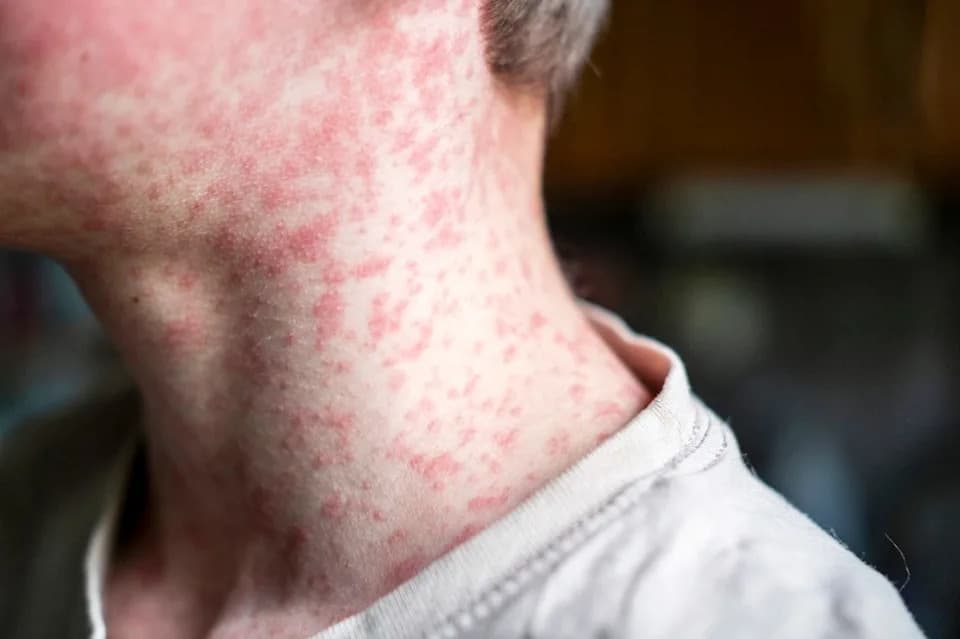
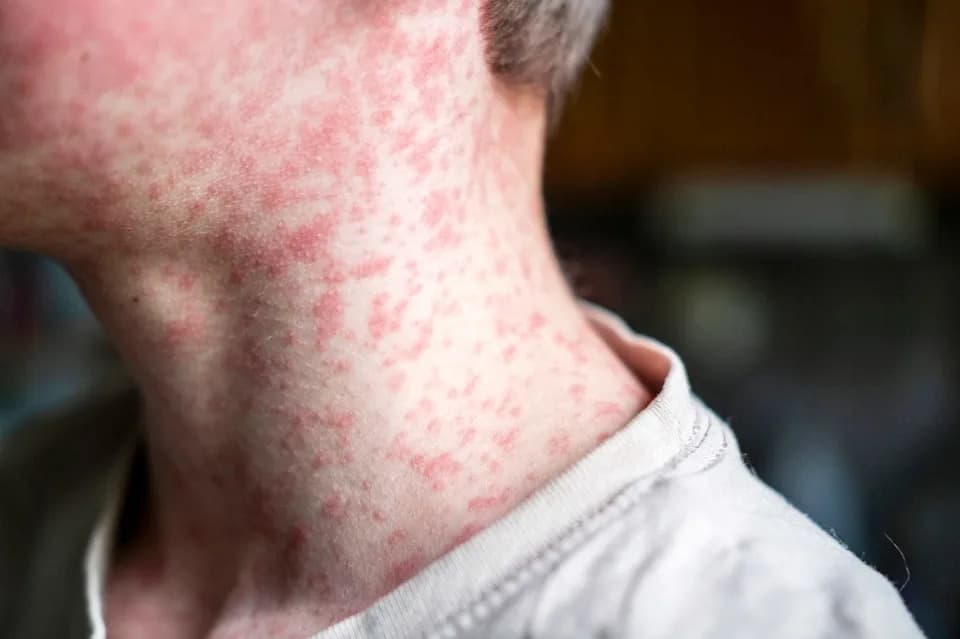
Stock image: a person is seen covered in a measles rash along their neck and face.
Measles cases across the United States have climbed above 3,400 in 2026, and Philadelphia health officials have issued an exposure alert after a traveler with confirmed measles passed through Philadelphia International Airport.
Airport Exposure Details
The Philadelphia Department of Public Health reported the infected traveler was at the airport from 7:25 p.m. on September 13 to 12:05 a.m. on September 14. The individual was present in terminals B and F and in connector areas serving terminals C, D and E but did not leave the facility. Officials say anyone who was in those areas during the exposure window should verify their immunity and monitor for symptoms.
Nationwide Resurgence and State Data
The Centers for Disease Control and Prevention (CDC) reported 3,471 confirmed measles cases nationwide as of September 17, 2026 — already surpassing the 2,289 cases recorded for all of 2025. The CDC has recorded 39 new outbreaks this year; 95 percent of confirmed cases (about 3,296 infections) are associated with outbreaks.
Pennsylvania is the hardest-hit state in 2026 with 745 reported cases (up from 16 in 2025). South Carolina has reported 670 cases and Utah 527 so far this year. Other states with more than 100 cases include Texas, Virginia, Wisconsin, Florida, Ohio and Arizona. Only five states — Arkansas, Hawaii, Mississippi, New Hampshire and Nevada — had reported zero measles cases in 2026 at the time of the CDC update.
Local Notes
The airport alert followed a separate potential exposure at Children’s Hospital of Philadelphia on September 11; city officials said the two incidents are not connected.
"This week's measles exposures are a reminder of how important it is for all of us to be up to date on our vaccinations," said Philadelphia Health Commissioner Dr. Palak Raval-Nelson. "Every Philadelphian who is fully vaccinated has little to fear from the situation at CHOP and the airport. Even more importantly, every one of those people is doing their part to help protect our most vulnerable from measles."
Symptoms, Transmission and Risks
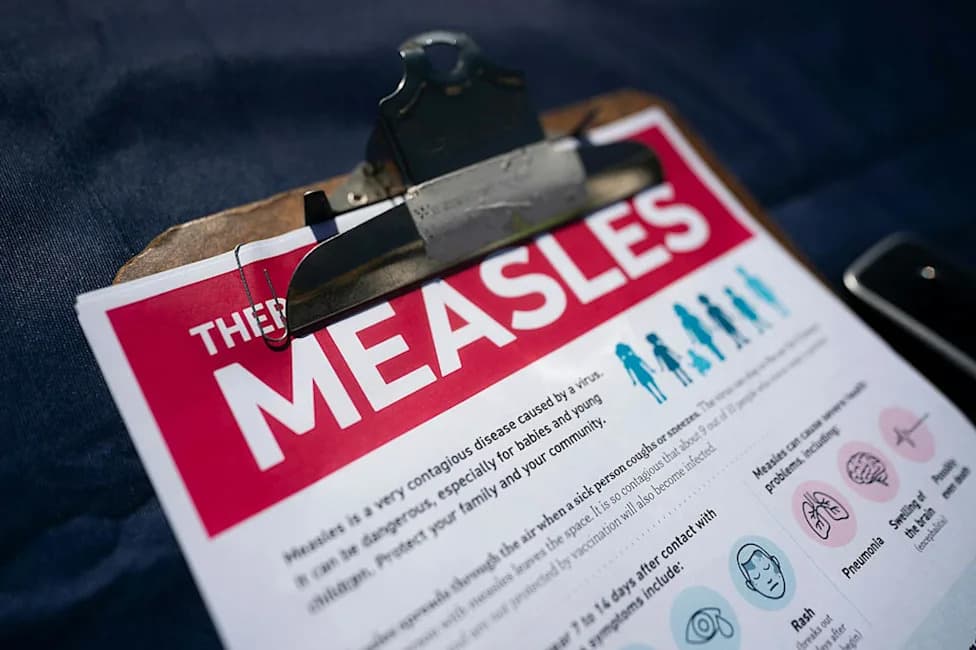
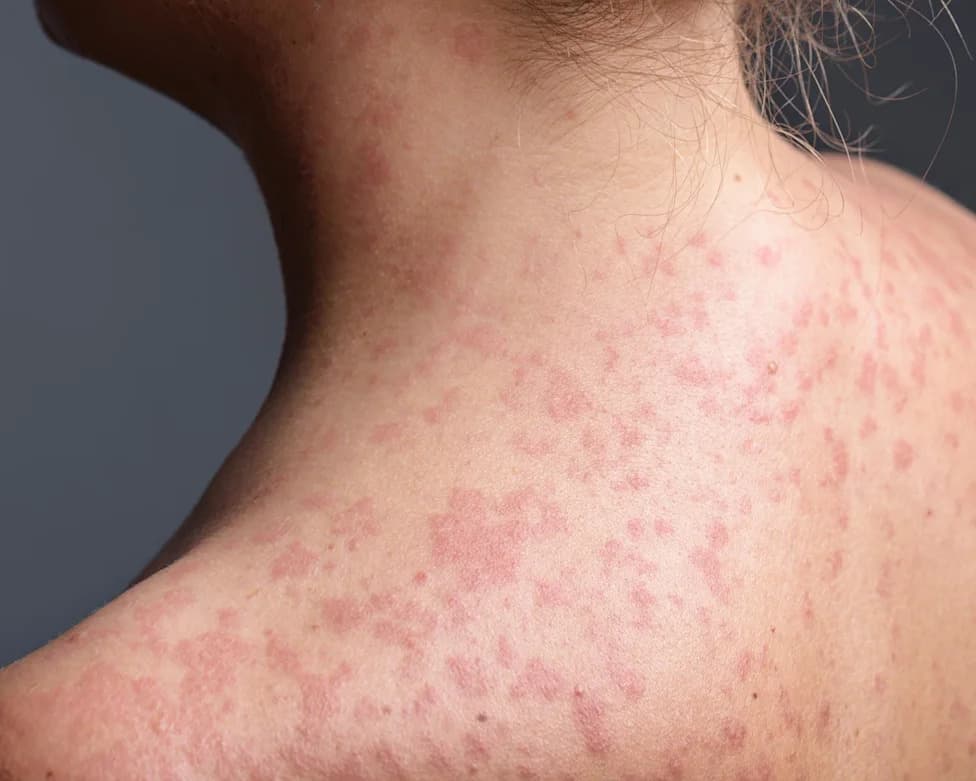
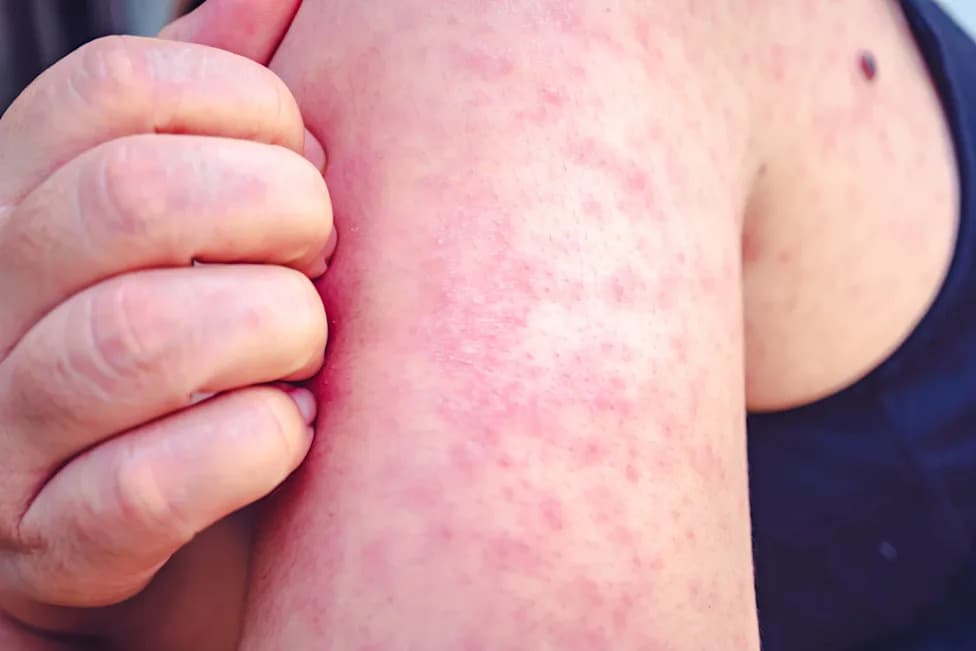
Measles is a highly contagious viral illness. Symptoms typically begin 7–14 days after infection and often start with a high fever, cough, runny nose and red, watery eyes. Small white spots may appear inside the mouth, followed 3–5 days later by a red, spreading rash that usually moves from the head downward.
The virus spreads through airborne particles when an infected person coughs or sneezes and can linger in an enclosed airspace for up to two hours. People with measles are generally contagious from about four days before the rash appears until four days after. Among non-immune close contacts, up to 90 percent can become infected.
Complications can be serious — including pneumonia and inflammation of the brain — and infants, young children, pregnant people and immunocompromised individuals are at higher risk.
Vaccine Effectiveness and Coverage Trends
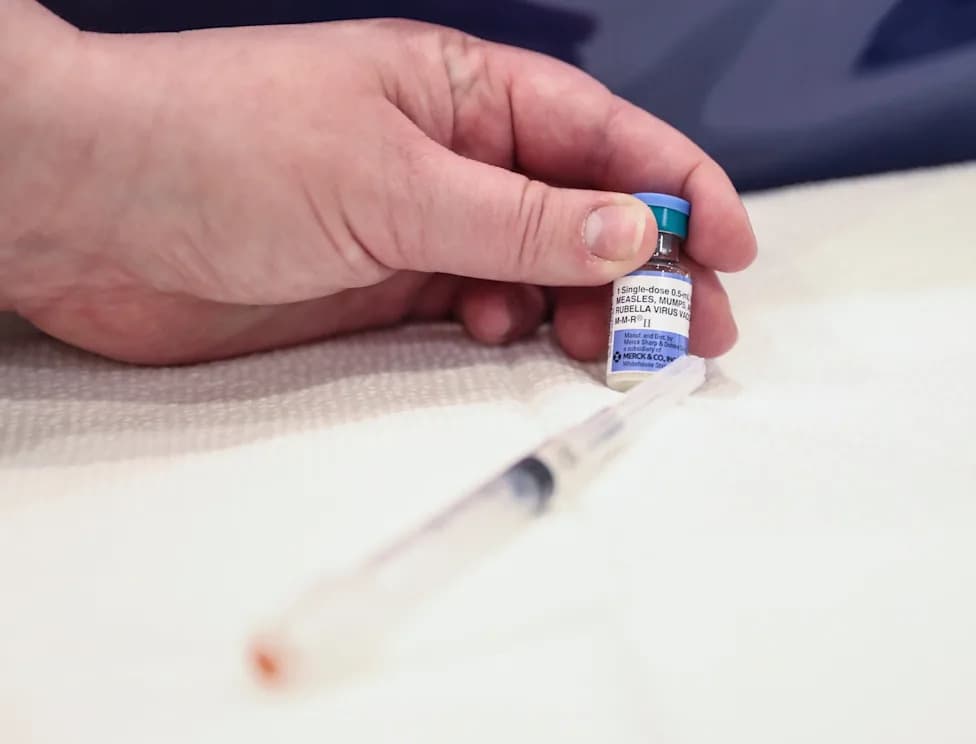
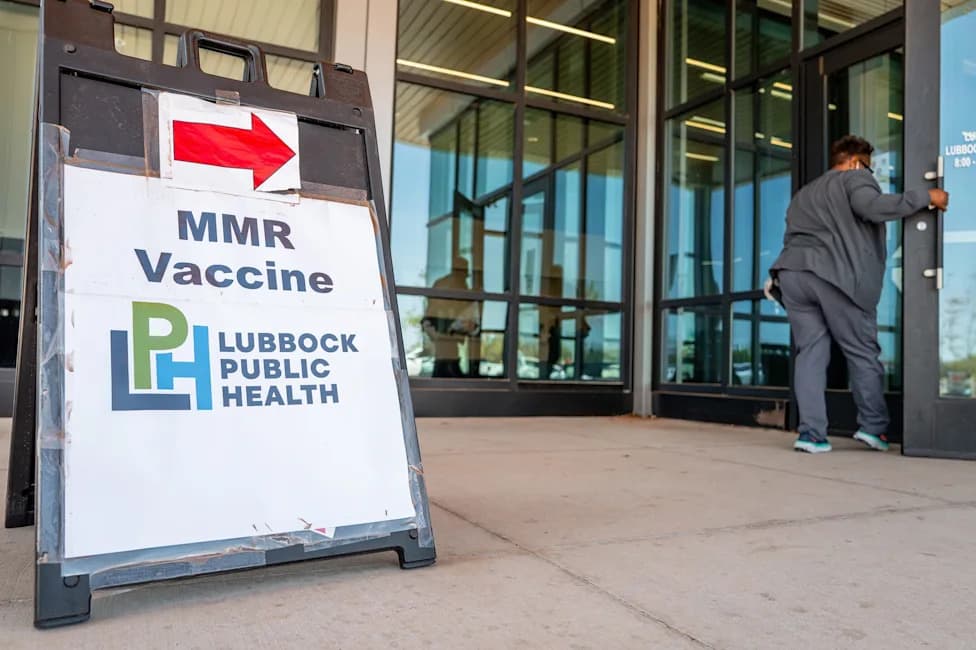
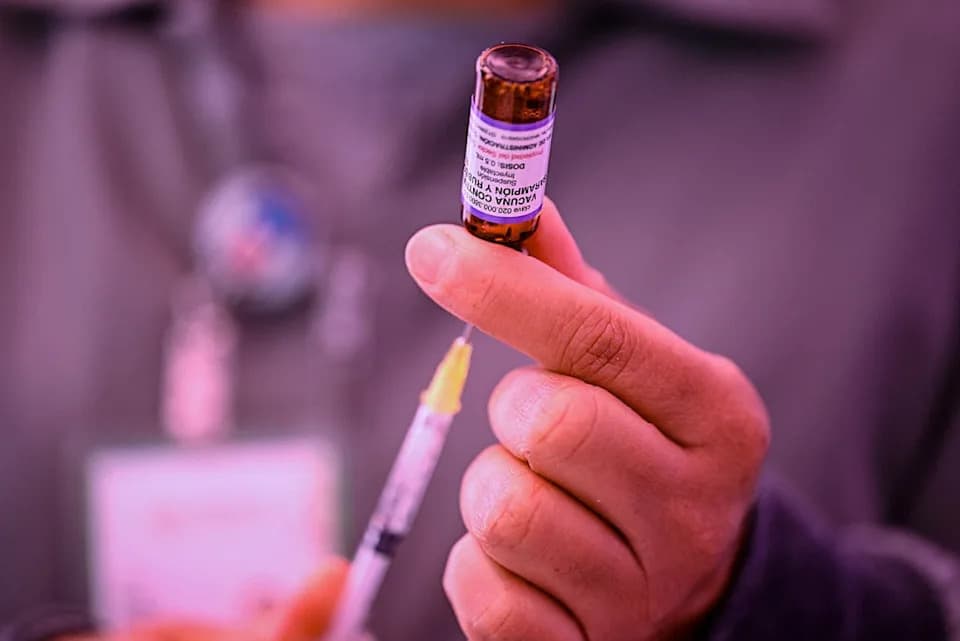
The measles, mumps and rubella (MMR) vaccine is highly effective: one dose is about 93% effective and two doses are about 97% effective at preventing measles. Breakthrough infections after vaccination are uncommon and tend to be milder, with lower risk of complications and onward transmission.
However, childhood MMR coverage has declined. MMR coverage among U.S. kindergartners fell to 92.4% in the 2025–2026 school year, roughly 280,000 kindergartners attended without documentation of completing the MMR series, and exemptions rose to 4.2% from 3.6% the prior year. A Reuters/Ipsos poll published September 15 found 76% of Americans believe MMR vaccines are safe for children — down from 84% in May 2020 — though a bipartisan majority still supports vaccinating children.
What To Do If You Were Exposed
Officials advise anyone who was in the specified terminals or connector areas during the exposure window to:
- Check vaccination records to confirm two doses of MMR or other evidence of immunity;
- Contact a health care provider promptly if you are not immune, unsure of your status, are an infant, are pregnant and not immune, or are immunocompromised;
- Monitor for symptoms and, if symptoms develop through October 5, call your doctor before visiting a clinic or emergency room and tell them about the possible exposure to reduce the risk of spreading the virus.
If you are unsure about your vaccine status, your local health department or primary care provider can advise on testing, post-exposure vaccination, and any necessary precautions.
For official guidance and updates: check the Philadelphia Department of Public Health website and the CDC measles updates page.
Help us improve.