The UN General Assembly will endorse a consensus declaration to protect the statehood of countries whose territory may become partly or wholly uninhabitable due to rising sea levels. The move reassures small island states that changing coastlines should not erase their legal or political existence. UN official Kamal Amakrane warned that sea-level rise will also intensify storms and tides, creating economic losses that could force ports and some airports to be upgraded or relocated. The declaration is a political milestone that could lead to legal and technical measures to preserve states' rights and continuity.
UN to Safeguard Statehood of Island Nations Threatened by Rising Seas

UN to protect statehood of disappearing island nations
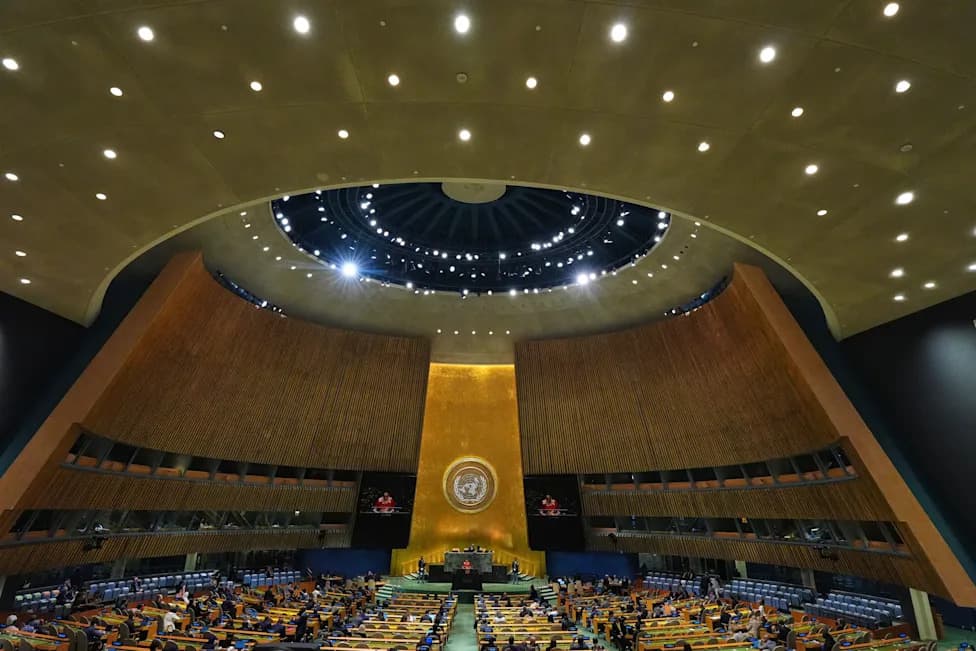
The United Nations General Assembly will, by consensus this Thursday, endorse a landmark declaration designed to ensure countries whose territory might become partly or entirely uninhabitable because of rising sea levels do not lose their statehood or their place in the international system.
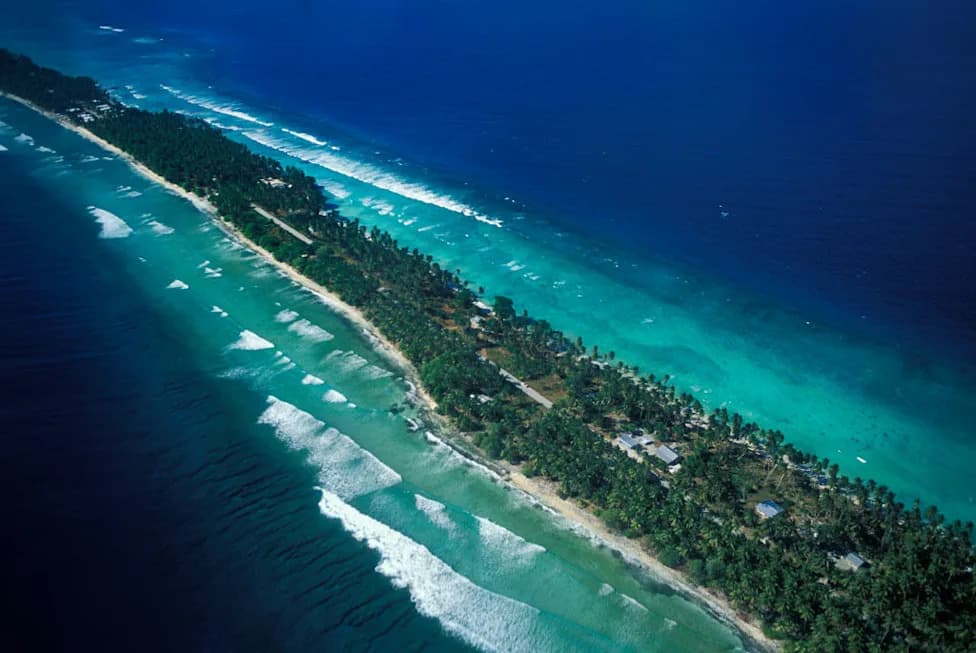
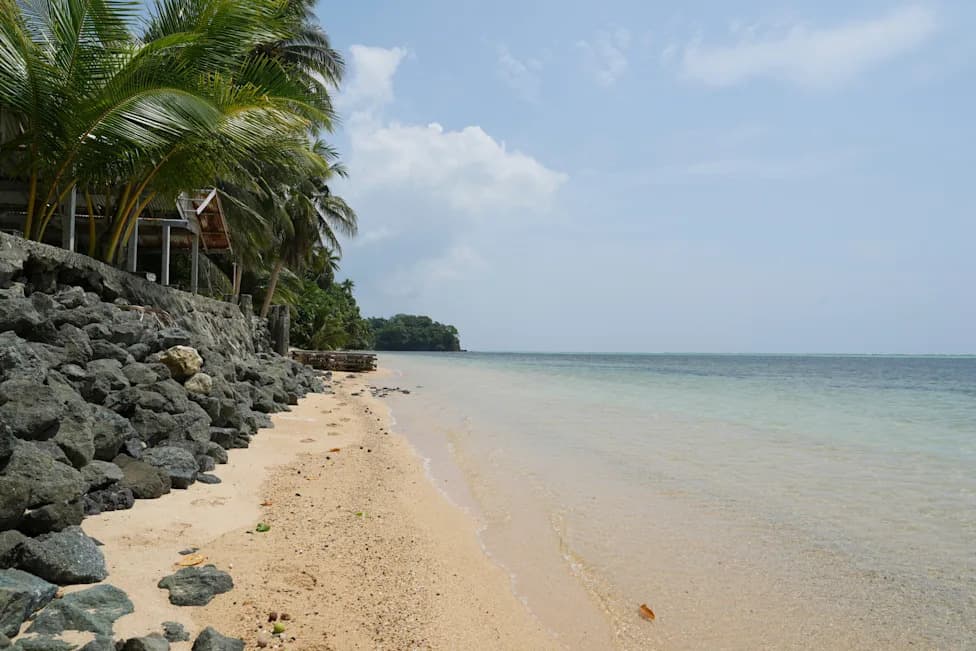
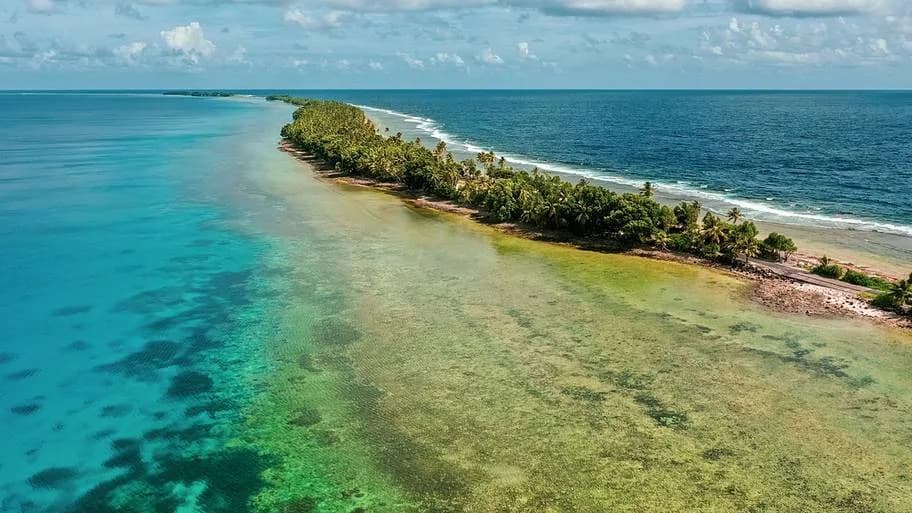
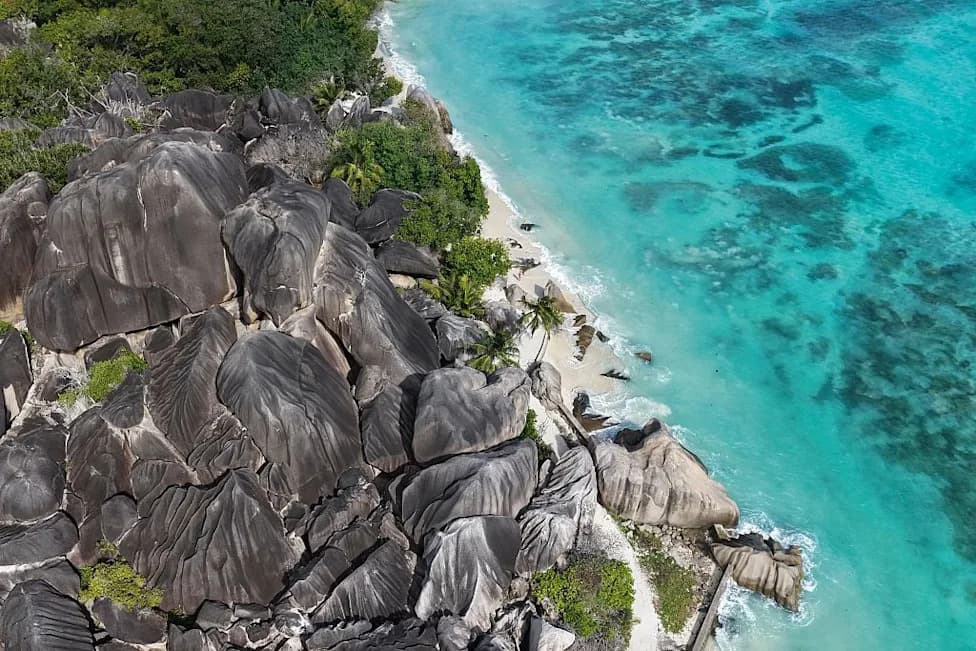
For small island states at the frontline of the climate crisis, this is about far more than disappearing beaches. Rising seas threaten the physical land on which states have traditionally grounded sovereignty, as well as the livelihoods and legal rights that depend on maritime zones and territorial territory.
What the Declaration Does
The declaration clarifies that changing coastlines or the partial loss of land should not automatically extinguish a country’s legal and political existence. It aims to protect the continuity of statehood, membership in international organizations, and the rights tied to a state's identity even if its territory is rendered uninhabitable by climate impacts.
"Every centimetre of sea-level rise will translate into stronger storms and higher tides and will bring significant economic losses," said Kamal Amakrane, Managing Director of the UN’s Rising Nations Initiative. "Ports will need upgrading and some airports may have to be relocated."
Why It Matters Beyond Small Islands
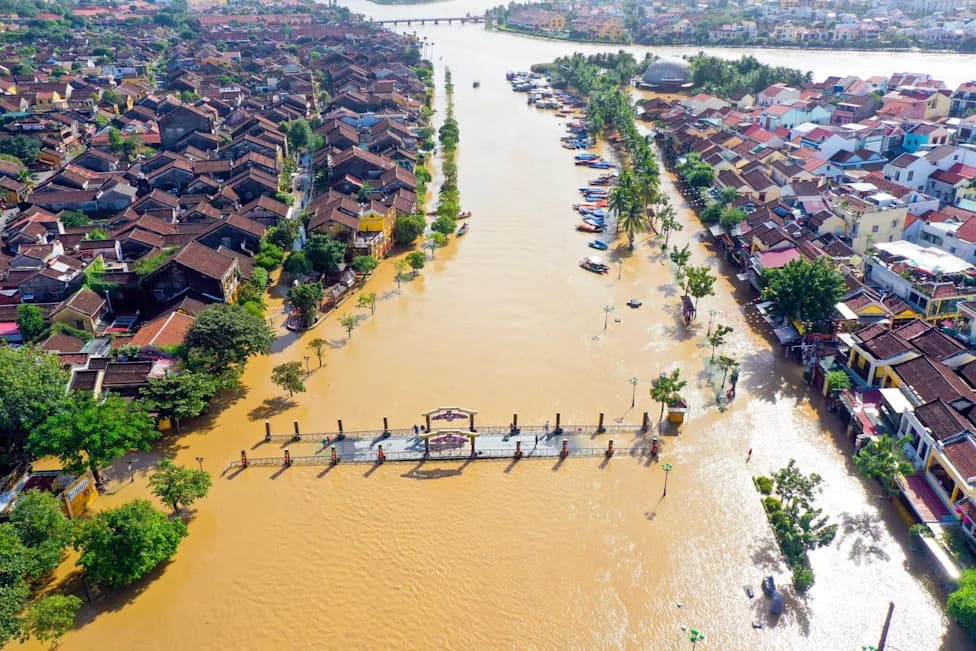
While primarily driven by concerns from Pacific and Indian Ocean island states, the declaration signals a global recognition that sea-level rise has transregional consequences. Europe and other regions can face amplified storms, higher tides and growing economic costs as infrastructure, ports and coastal airports must be upgraded or moved. The declaration also opens discussion on legal and technical measures—such as preserving maritime entitlements and ensuring continuity of nationality—that could be applied worldwide.
The General Assembly endorsement is a political milestone. Next steps will include translating the declaration into concrete legal protections, guidance for international bodies, and national planning to protect citizens and state functions in the face of long-term sea-level rise.
Help us improve.