This large observational study of nearly 2 million women aged 55+ found that users of low‑dose vaginal estrogen were hospitalized at about half the rate of nonusers, and nonusers had roughly a 20% higher risk of sepsis and death. ACOG and other major groups recommend vaginal estrogen to prevent recurrent UTIs in menopausal patients. The broad FDA warning tied to earlier systemic HRT research was removed in November 2025. The study is observational, so randomized trials are needed to confirm causation.
Study: Vaginal Estrogen Linked With Fewer Hospitalizations, Lower Sepsis Risk in Postmenopausal Women

Ingram Publishing/Newscom/The Mega Agency
A large observational study suggests that decades of cautionary FDA labeling on estrogen products may have limited access to a low‑dose vaginal therapy that could reduce severe urinary tract infections (UTIs) and related deaths in older women.
Study Details and Key Findings
The research, published June 2 in the International Journal of Gynecology & Obstetrics, reviewed medical records from 2017 through 2025 for nearly 2 million women aged 55 and older. Investigators compared outcomes for women who were prescribed low‑dose vaginal estrogen (administered as a tablet, cream, or ring) with those who were not.
Main Results
Women using vaginal estrogen were hospitalized at roughly half the rate of nonusers. The study also reported that women not prescribed vaginal estrogen had about a 20% higher risk of developing sepsis and dying from it. The paper highlights a broader trend: sepsis deaths among women aged 45–64 nearly tripled between 1999 and 2023.
How Vaginal Estrogen May Help
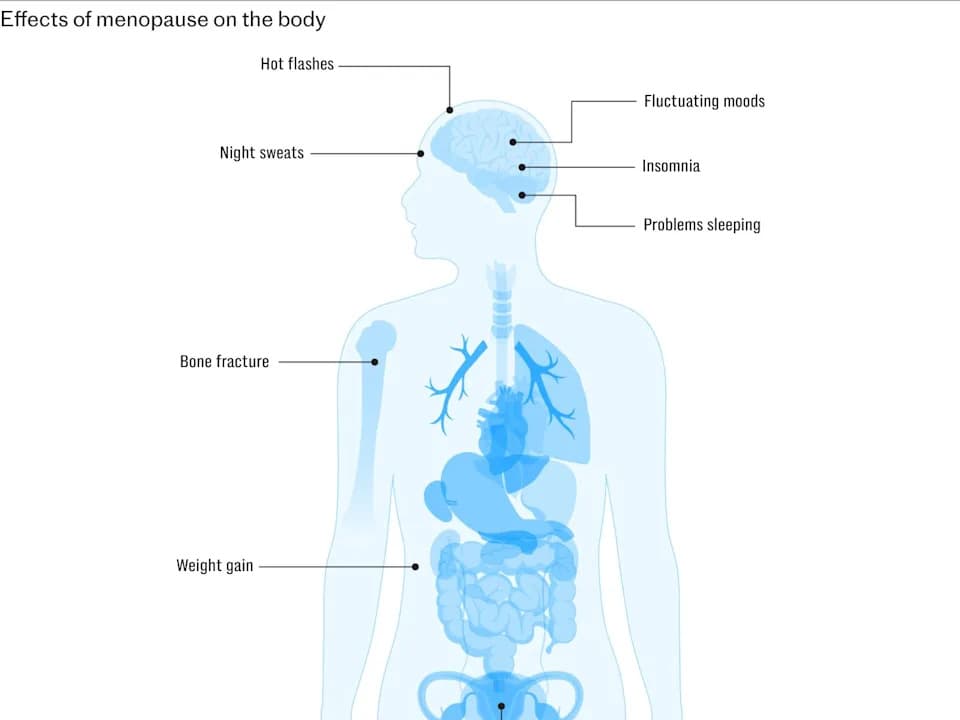
After menopause, declining estrogen can change the tissues and microbiome of the vagina and lower urinary tract. Reduced estrogen may weaken the muscles and mucosal defenses around the urethra, making it easier for bacteria to ascend into the bladder. According to the American College of Obstetricians and Gynecologists (ACOG), untreated UTIs can progress to more serious infections such as sepsis.

Ingram Publishing/Newscom/The Mega Agency
"Every woman in menopause needs vaginal estrogen," said Dr. Barry Zisholtz, senior advisor to the director of the Centers for Disease Control, in comments to USA Today. "Vaginal estrogen prevents women from getting UTIs and keeps women from getting sepsis and out of the hospital. It saves lives."
Historical Context and Regulatory Change
Concerns about hormone therapy date back to the 2002 Women’s Health Initiative (WHI) study, which linked systemic hormone replacement therapy (HRT) to higher risks of heart disease, stroke, and breast cancer. Although vaginal (local) estrogen was not evaluated in the WHI trials, it was nonetheless subject to the same FDA warning label, which made many clinicians reluctant to prescribe it.
In November 2025, Health Secretary Robert F. Kennedy Jr. announced removal of that broad warning label, a policy change public health officials said could restore access to a treatment long recommended by ACOG and other professional organizations for prevention of recurrent UTIs in menopausal patients.
Limitations and Implications
Important caveats apply: this was an observational study and cannot prove causation. Results may be influenced by unmeasured confounders (for example, differences in health status, care access, or health behaviors between users and nonusers). Randomized clinical trials would be needed to confirm causality. Still, the large sample size and consistent findings add weight to calls for clinicians to consider current guidelines and for further research into vaginal estrogen's role in UTI prevention.
Bottom line: Low‑dose vaginal estrogen is associated with substantially lower hospitalization rates and a reduced risk of sepsis in this large observational cohort of older women; clinicians and patients should weigh this evidence alongside individual risks and benefits.
Help us improve.