The FDA will convene a public meeting to evaluate evidence on testosterone use in menopausal women, focusing on benefits, risks, dosing and clinical perspectives. No testosterone therapy is currently FDA‑approved for women, so many clinicians use low‑dose male formulations or compounded products. Experts say evidence is strongest for treating hypoactive sexual desire disorder, but important long‑term safety questions—especially cardiovascular and breast cancer risks—remain. International regulators have already approved some female‑specific products, and a Stanford pilot study is underway with results expected within two years.
FDA to Review Testosterone Use in Menopausal Women as Demand Rises; Long‑Term Safety Questions Remain
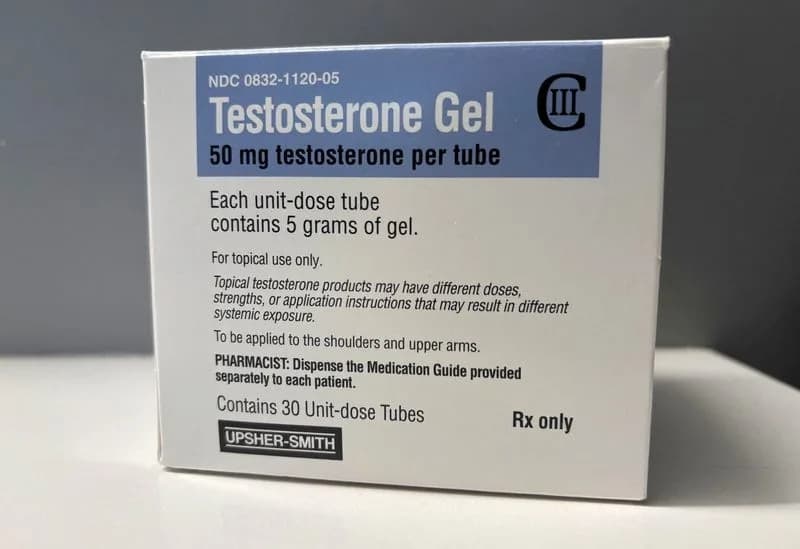
FILE PHOTO: A month's supply of testosterone gel is displayed in its box in Melrose, Massachusetts, U.S., September 9, 2026. Amy Swan/Handout via REUTERS
The U.S. Food and Drug Administration will hold a public meeting to review the scientific evidence on testosterone use in menopausal women, examining benefits, risks, dosing and the hormone's role in female health. The session will also hear perspectives from clinicians and patients and could help shape future research and drug development.
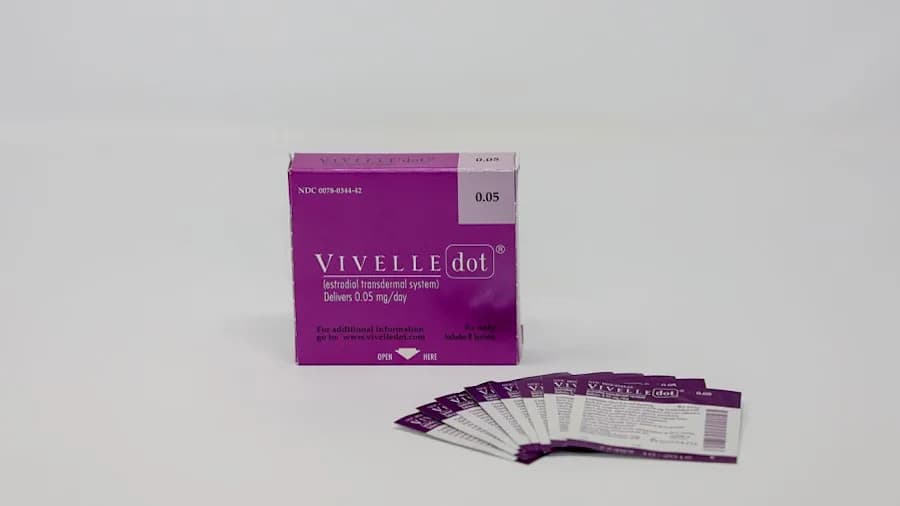
No testosterone product is currently approved by the FDA specifically for women. Despite years of off‑label prescribing—primarily for hypoactive sexual desire disorder (HSDD)—clinicians most often adapt low doses of formulations approved for men (for example, AbbVie's AndroGel or Keenova Therapeutics' Testim) or turn to compounded preparations tailored for individual patients.
Last year the FDA removed the boxed cardiovascular warning from male testosterone products after reviewing post‑marketing studies, though those products still carry cautions about increased blood pressure. Testosterone has been reviewed by the FDA multiple times for women but was never approved because of limited long‑term safety data and concerns about cardiovascular and breast cancer risks.
Evidence, Uses and Safety Concerns
Specialists say the strongest evidence for testosterone in women supports treating HSDD. Claims on social media that testosterone improves energy, muscle mass, bone health or cognition have not been supported by robust clinical data in women.
"We do not have any evidence in women that it will improve muscle mass or bone density or mood or well‑being or really any other metric," said Dr. Stephanie Faubion, director of the Mayo Clinic's Center for Women's Health.
Potential side effects reported by clinicians include acne and increased body or facial hair; less common but potentially irreversible effects include voice deepening and hair loss. Testosterone can be converted to estrogen in the body and is generally not recommended for women with a history of breast cancer because of the theoretical risk of stimulating hormone‑sensitive tumors.
Regulatory Context And Research
Several countries — including the United Kingdom, Australia, New Zealand and South Africa — have approved or licensed testosterone products specifically for female indications. The FDA’s public docket attracted hundreds of comments ahead of the meeting, many from women who reported improved libido, energy and quality of life while using testosterone.
Researchers at Stanford, including Dr. Diana Tordoff and Dr. Karen Adams, are leading the MIX‑T pilot study to evaluate how low‑dose testosterone affects vaginal health and the vaginal microbiome in postmenopausal women; results are expected within about two years. Investigators and regulators say more long‑term, well‑controlled studies are needed to clarify safety, optimal dosing and which patients—if any—should be offered testosterone therapy.
What This Means: The FDA meeting signals increased attention to a growing clinical practice area and could guide future trials, labeling standards and possibly the development of female‑specific testosterone products that would provide standardized dosing and safety guidance.
Help us improve.