Experts at an FDA public workshop warned that although testosterone therapy use among menopausal women is increasing, its long-term safety remains unclear. There is no FDA-approved testosterone product for women in the U.S., and evidence for benefit is mainly limited to hypoactive sexual desire disorder. Testosterone levels decline gradually with age, are difficult to measure in women, and current guidelines do not endorse testosterone for low energy or mood. HRT prescriptions for women aged 50–65 rose 72% from 2021 to 2025.
FDA Raises Concerns as Testosterone Use for Menopause Grows — Long-Term Safety Unknown

Sarah Silbiger/Getty Images, FILE - PHOTO: In this July 20, 2020, file photo, a sign for the Food And Drug Administration is seen outside of the headquarters, in White Oak, Md.
Use of testosterone therapy among menopausal women is rising, but specialists at a Food and Drug Administration (FDA) public workshop warned that important questions about long-term safety remain unanswered.
Why Testosterone Is Being Considered
Research shows adult males typically have about 15 times more total testosterone than females. Still, testosterone is the most abundant sex hormone in premenopausal women, and it is produced at roughly three times the rate of estrogen in that group. Women's testosterone levels decline gradually with age and lower levels have been linked to reduced bone density, loss of muscle mass, and declines in cognition, mood, sexual function and energy.
No FDA-Approved Female Testosterone Product
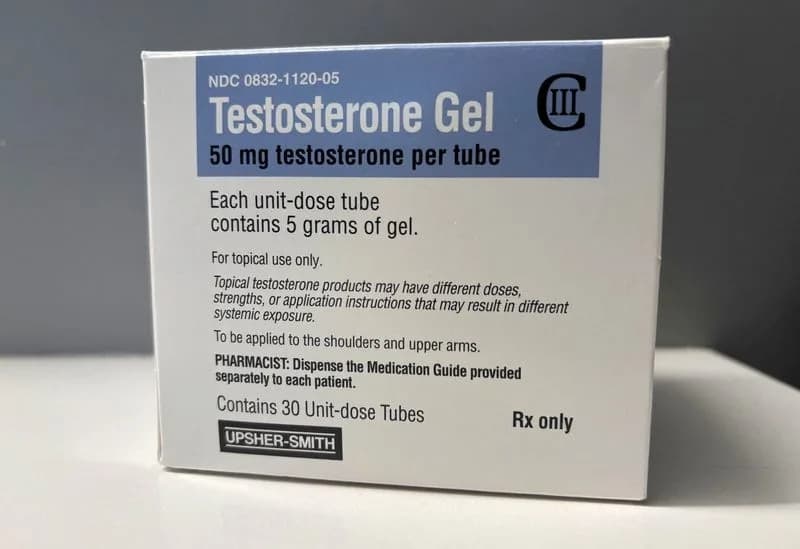
There is currently no testosterone formulation approved by the FDA specifically for use in women in the United States. As a result, some clinicians prescribe testosterone off-label, often by giving smaller doses of products developed for men.
"There are no FDA-approved uses for testosterone therapy for menopausal women," said Dr. Christina Chang, division director of the Division of Urology, Obstetrics and Gynecology in the FDA's Center for Drug Evaluation and Research, at the workshop. She noted the agency has observed increasing off-label use among women experiencing menopause.
Limited Evidence and Unanswered Safety Questions
High-quality evidence for testosterone use in women is largely limited to treating hypoactive sexual desire disorder (HSDD), a diagnosis characterized by persistently low sexual desire that causes significant distress. Workshop specialists reported that many women are seeking testosterone for a broader set of symptoms — including low energy and mood changes — for which current clinical guidelines do not recommend testosterone therapy.
Measuring testosterone in women is technically challenging because normal concentrations are far lower than in men; there is no established blood-test threshold to diagnose a testosterone deficiency in women. Unlike estrogen, which typically drops sharply during the menopausal transition, testosterone decreases more gradually across the premenopausal years. "There is a gradual decline in testosterone levels across the premenopausal years," said Dr. Margaret Wierman, professor of medicine at the University of Colorado School of Medicine.
Context: A Rise In HRT Prescriptions
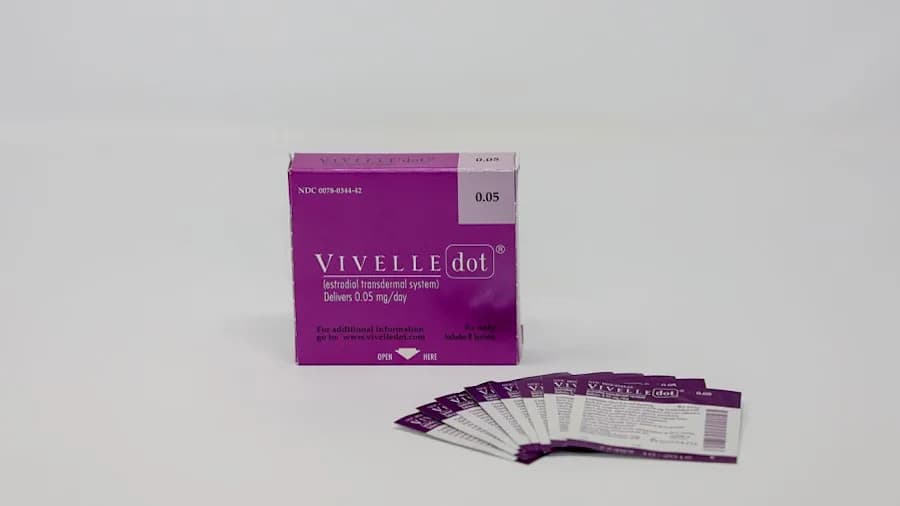
Interest in testosterone is happening alongside a broader rise in hormone replacement therapy (HRT) for menopause, which commonly uses estrogen with or without progesterone. Data from Epic Research indicate that HRT prescriptions for women aged 50 to 65 rose 72% between 2021 and 2025. Earlier this year the FDA removed certain "black box" warnings from some HRT products and later removed similar warnings from some testosterone products, moves that may have influenced prescribing trends.
What Regulators Want
FDA officials at the workshop emphasized the need for rigorous, long-term studies to define safety and effectiveness of testosterone in women, appropriate dosing, and reliable laboratory measures. "Menopause is inevitable; women should not have to suffer through it," Dr. Chang said. "To best serve American women we need high-quality data, and we are looking forward to working with manufacturers to get that data."
Takeaway
Patients and clinicians considering testosterone for menopause should weigh the limited evidence, the lack of FDA-approved female formulations, and unanswered long-term safety questions. Shared decision-making and careful monitoring are important until stronger evidence and clearer regulatory guidance are available.
Help us improve.