This study suggests that sustained high estrogen during pregnancy can temporarily impair memory by altering a hypothalamic-hippocampal circuit. Mouse experiments showed that increased activity of GABAergic neurons in the lateral hypothalamus disrupted hippocampal memory signals, and manipulating that pathway controlled the effect. Human testing of 70 women found modest memory declines most evident in late pregnancy, correlated with higher estrogen, but the human data do not prove the same causal mechanism identified in mice.
Study Links High Pregnancy Estrogen to Temporary 'Pregnancy Brain' By Disrupting Memory Circuit

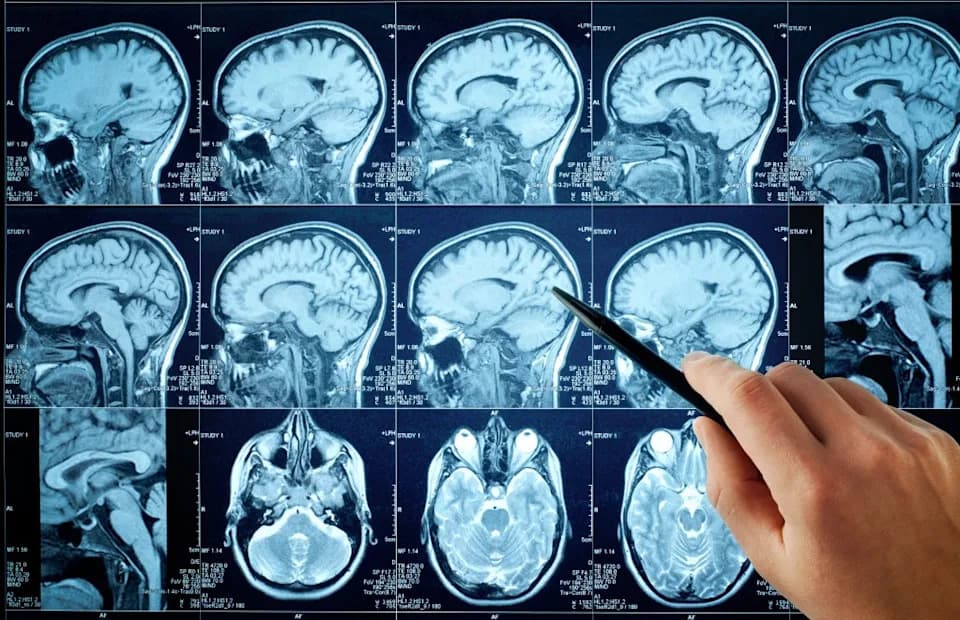
Tests of 70 women found memory difficulties were most apparent during late pregnancy. (Credit: Getty Images)
New research suggests a biological explanation for the forgetfulness many people report during pregnancy, often called "pregnancy brain" or "momnesia": sustained high estrogen levels may temporarily interfere with a memory-related brain circuit.
What the Study Did
Published Aug. 25, 2026, in Science Bulletin, the study combined laboratory experiments in mice with cognitive testing in humans to explore how pregnancy-level estrogen affects memory. Teams in Texas and China raised estrogen to pregnancy-like levels in mice and evaluated memory performance. Separately, the researchers tested 70 women, including nonpregnant controls and participants from each trimester, using a battery of tasks measuring long-term memory, short-term memory, and working memory.
Key Findings
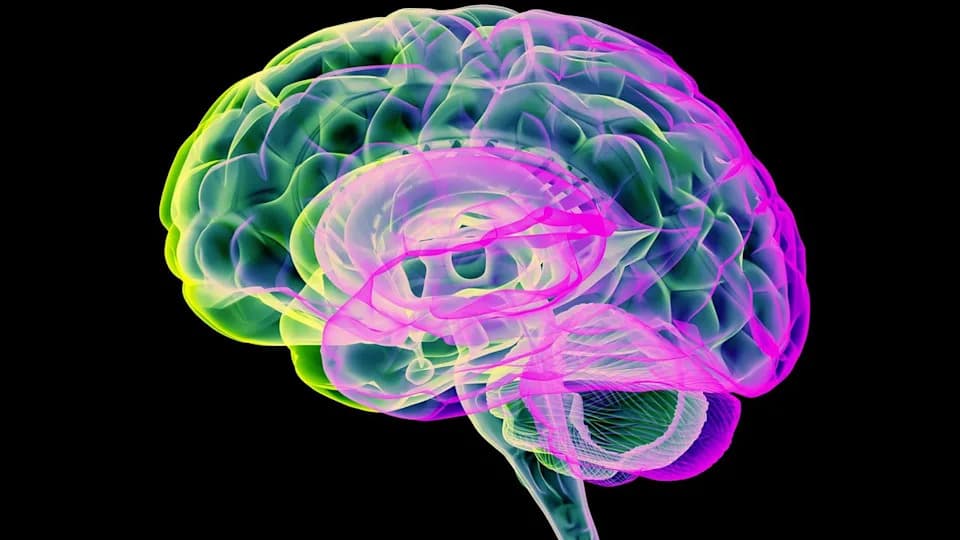
- In mice, sustained high estrogen increased activity of GABA-releasing (inhibitory) neurons in the lateral hypothalamus. Those neurons project to the hippocampus, a brain region central to memory processing.
- Disruption of the lateral-hypothalamus-to-hippocampus pathway prevented the estrogen-related memory deficits in mice; conversely, activating that pathway caused memory problems even without elevated estrogen.
- In the human sample (n = 70), memory difficulties were most apparent in late pregnancy and correlated with higher circulating estrogen levels. The effects in humans were modest and mainly affected simple memory tasks rather than complex executive function tests.
Limitations and Cautions
The researchers emphasize several important caveats. The human portion of the study did not manipulate or directly measure the hypothalamus-hippocampus circuit identified in mice, so the mouse experiments provide stronger causal evidence than the human data. The observed memory changes were described as modest and likely temporary; the study did not establish precisely how quickly memory returns after childbirth. The human sample was relatively small (70 participants), and further, larger studies are needed to confirm and expand these findings.
Context and Earlier Research
These results align with prior reports of cognitive changes during pregnancy. A 2025 study in BMC Pregnancy and Childbirth found modest declines in verbal memory and attention during pregnancy, with some indications those effects can persist postpartum. Another 2025 Nature Communications paper reported widespread reductions in gray-matter volume of up to 4.9% during pregnancy, with partial recovery after birth; those changes were most pronounced in regions linked to social cognition.
"I don't want this to be overinterpreted as suggesting that pregnancy is bad for the brain," said Dr. Zheng Sun, an associate professor at Baylor College of Medicine and a lead investigator on the study. "The current tests suggest that the effects in humans are modest, and the mouse data suggest that they are relatively short-lived."
Bottom Line
The study provides a plausible biological mechanism linking high pregnancy estrogen to transient memory lapses by altering a hypothalamic-hippocampal circuit. Effects appear modest and temporary, and more human research is needed to confirm timing and recovery after childbirth.
Help us improve.