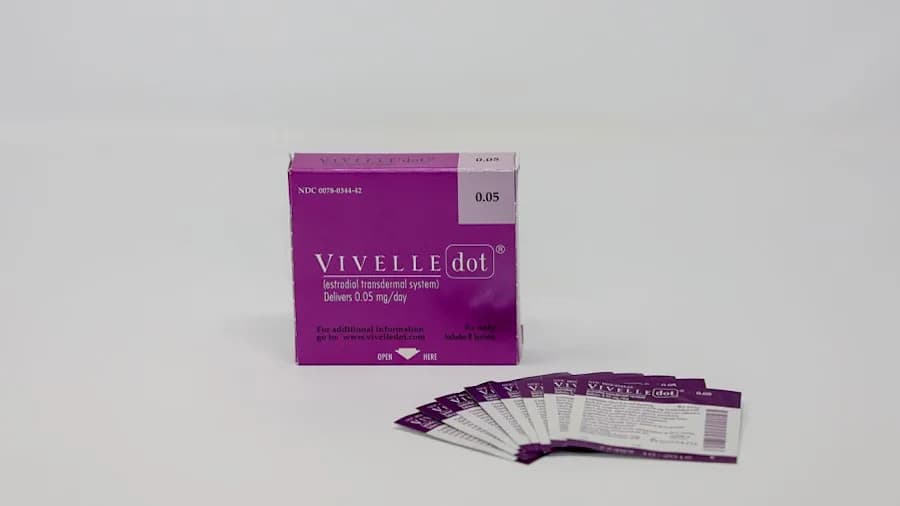
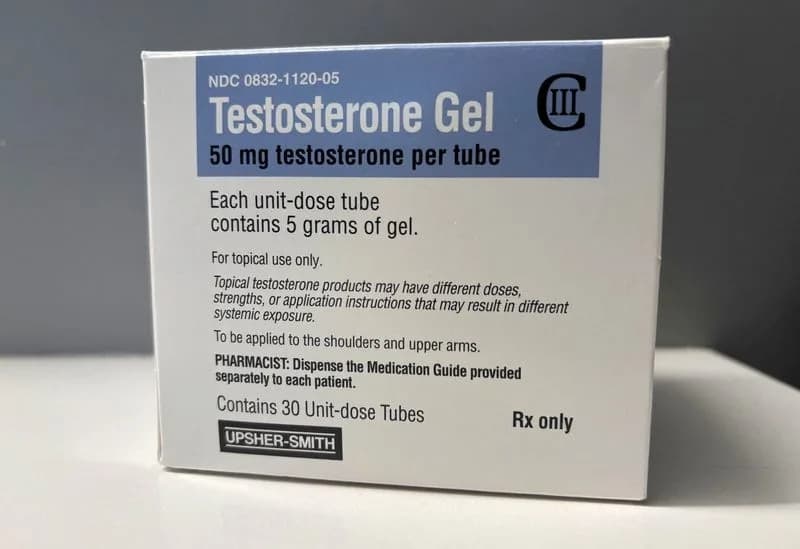
The FDA has acknowledged a nationwide shortage of estradiol transdermal (estrogen) patches and says it is coordinating with all six manufacturers to expand production and expedite supply. The agency is taking regulatory steps to help manufacturers prioritize patch manufacturing. Professional groups first flagged constrained supplies in January, shortly after the FDA removed a longstanding black box warning. Increased public and legislative interest in menopause has coincided with rising demand and greater attention to access and coverage.
FDA Confirms Nationwide Shortage of Estradiol (Estrogen) Patches, Working With Manufacturers to Boost Supply

Women take photos at a Women's History Month event in the East Room of the White House in March 2025. The U.S. Food and Drug Administration this month acknowledged a nationwide shortage of estrogen-based hormonal patches, which are prescribed for women experiencing symptoms related to menopause. (Photo by Win McNamee/Getty Images)
Photo: Win McNamee/Getty Images
The U.S. Food and Drug Administration has acknowledged a nationwide shortage of estrogen-based estradiol transdermal patches — a common hormone therapy prescribed to relieve menopausal symptoms — and says it is coordinating with all six manufacturers to expand production and speed distribution.
In a release this month, the agency said it is expediting regulatory and other actions to increase supply. The FDA added that each of the six producers is taking steps to expand capacity and prioritize patch manufacturing to meet rising demand.
"The FDA views increased interest in menopause treatment as an important development for women's health and is working closely with manufacturers to help ensure that the supply of estradiol patches keeps pace with demand," the agency said.
Menopause generally occurs between ages 45 and 55, according to the National Institute on Aging. The decline in the body's estrogen production can cause hot flashes, night sweats, insomnia, reduced bone density and other symptoms that affect quality of life. Estradiol transdermal patches deliver estrogen through the skin and are widely prescribed to reduce these symptoms for many patients.
The American Society of Health-System Pharmacists first flagged constrained supplies in January — roughly two months after the FDA removed the treatment's longtime "black box" warning — and the agency's public acknowledgement this month represents the first formal inclusion of the shortage in its communications. Clinicians and pharmacies were alerted earlier by professional groups, and patients may already have encountered limited availability at some outlets.
Growing public awareness of menopause has coincided with increased policy activity: the National Menopause Foundation reported more than 60 menopause-related bills introduced across the U.S. so far this year, and 26 states have enacted menopause-related laws since 2019. Advocates expect additional legislation in upcoming sessions through 2027, including measures on insurance coverage and workplace accommodations.
What patients and clinicians should know: Some manufacturers are prioritizing patch production and regulators are expediting actions to ease the shortage, but availability may remain constrained in the short term. Patients should consult their clinicians or pharmacists about alternative estrogen formulations, dosing options, or temporary treatment plans rather than abruptly stopping therapy.
Stateline reporter Kelcie Moseley-Morris can be reached at [email protected].
Help us improve.