Researchers analyzing nearly 396,000 women in the NIH All of Us program found menopause is infrequently documented in electronic health records: only about 7% overall, and roughly 14% among women who self-reported menopause on surveys. The team identified about 193,000 survey reports of menopause but only about 28,000 corresponding EHR diagnoses, indicating widespread missing data rather than systematic inaccuracy. Authors recommend adding standardized, structured questions about menstrual history and menopause to clinical forms and improving EHR fields to support research and patient care.
Study: Menopause Often Missing From Electronic Health Records — What That Means for Research and Care

A stock image shows a mature woman experiencing hot flushes at home.
A major analysis of nearly 396,000 women in the National Institutes of Health's All of Us Research Program finds a large gap between self-reported menopause and documentation in electronic health records (EHRs). The study, led by researchers at the University of Colorado Anschutz, shows menopause is frequently absent from structured medical records even when participants report having gone through it.
Key Findings
Across the full dataset, only about 7% of women had menopause recorded in their EHRs. Among women who reported in surveys that they had experienced menopause, only roughly 14% had a matching menopause diagnosis in their medical records. In absolute terms, researchers identified about 193,000 survey reports of menopause but found only about 28,000 menopause diagnoses in EHRs — nearly seven times fewer entries in structured clinical data.
Why The Gap Exists
"The biggest reason is we don't ask," said lead author Audrey Hendricks. "In the doctor's office, menopause is often only recorded because a woman brings it up."
Unlike routine clinical measures such as blood pressure or weight, menopause status is often documented in free-text physician notes instead of standardized EHR fields. That makes it harder for researchers who rely on coded data to identify menopause status, age at menopause, or other reproductive-history details.
Why It Matters
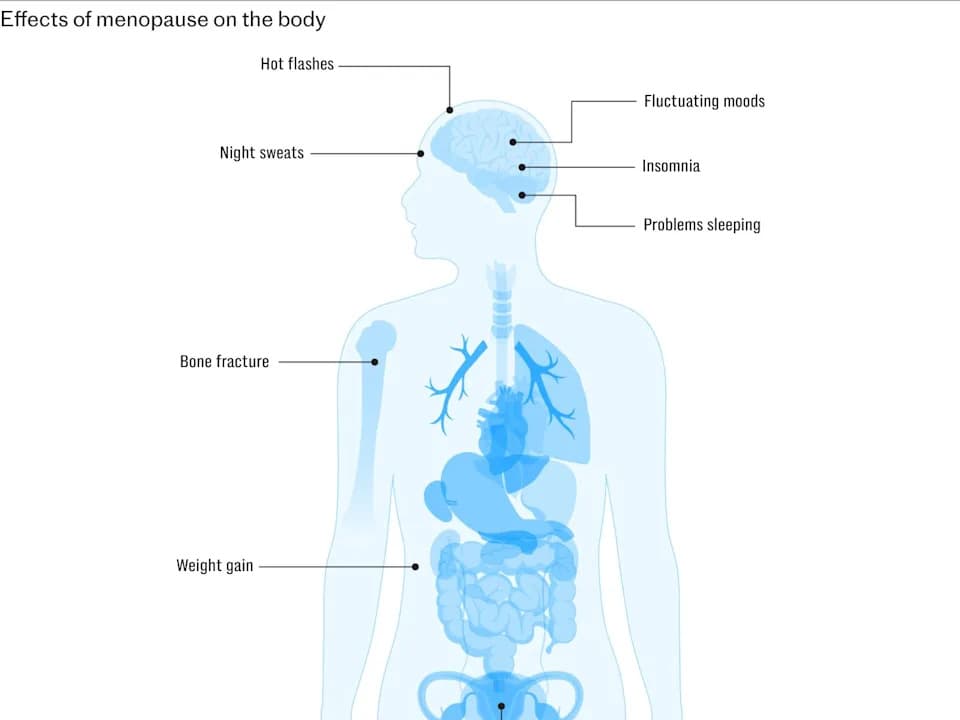
Menopause is a normal physiological transition that can affect cardiometabolic health and influence long-term disease risk. Missing information on menopause status and especially age at menopause complicates efforts to separate the effects of hormonal change from aging and to study how timing or type of menopause relates to outcomes such as heart disease.
Recommendations and Next Steps
- Standardize Data Collection: Add one or two structured questions about menstrual history and menopause status to routine intake or annual forms (primary care, OB-GYN, mammography visits).
- Improve EHR Design: Create discrete fields for menopause status and age at menopause so the information is searchable and usable for research.
- Use Text-Mining Carefully: Deploy natural-language processing to extract menopausal information from clinical notes while working to move key items into structured fields.
- Design Studies With Data Gaps in Mind: Researchers using All of Us and similar datasets should account for likely under-recording and combine survey data with EHRs when possible.
Study Details and Limitations
The analysis used data from participants in the All of Us Research Program and was published by Staples et al. in Menopause (DOI: 10.1097/GME.0000000000002884). The authors note the problem is often missing data rather than inaccurately recorded information: when menopause appears in the EHR, it generally matches participant survey responses. Limitations include variable coding practices across health systems, possible differences in who seeks care or reports menopause, and the challenge of extracting information stored only in free-text notes.
Better, more consistent documentation of menopause and reproductive-history details would strengthen research into how menopause timing and type influence disease risk and would support improved care for millions of women.
Reference: Staples et al., Menopause. DOI: 10.1097/GME.0000000000002884
Help us improve.