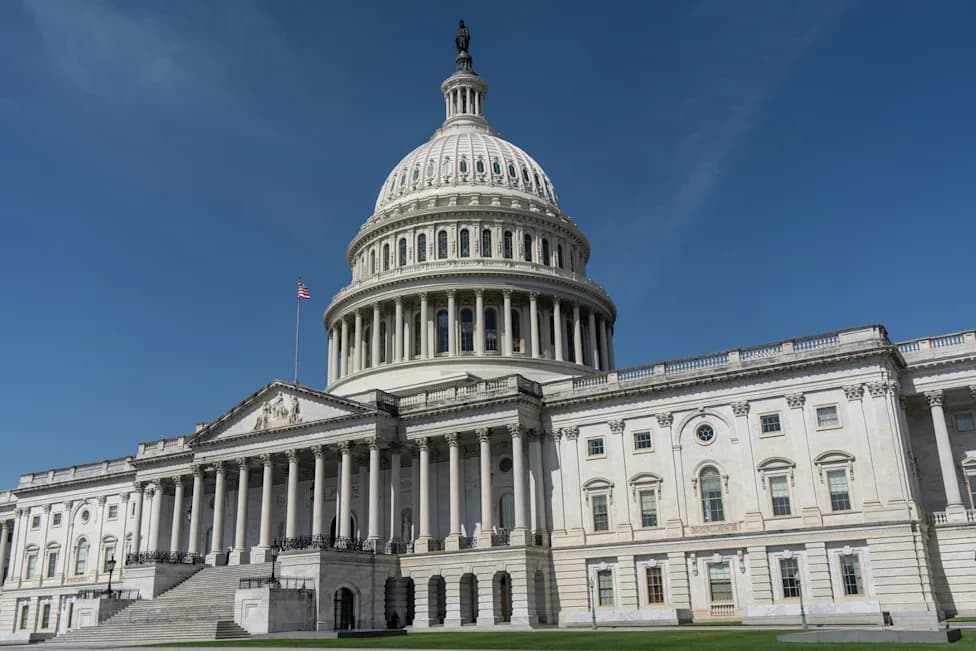
The U.S. Senate Special Committee on Aging recently held Congress's first hearing devoted to menopause, spotlighting a persistent care gap affecting about 75 million American women. Experts identified major barriers—long OB-GYN wait times, medication shortages, insufficient clinician training and limited federal research funding—and urged concrete policy steps. Witnesses highlighted pending bills (S.4246, S.1320, H.R.9077) and called for sustained funding, better medical education and grassroots advocacy to turn attention into action.
Congress Holds Its First-Ever Hearing on Menopause — What Lawmakers Learned and What Comes Next
Congress Held Its First-Ever Hearing on Menopause. Here’s What Happened.
For the first time in its 237-year history, the U.S. Congress held a hearing focused solely on menopause, a life stage that affects roughly half the population. The U.S. Senate Special Committee on Aging convened clinicians, researchers and advocates to examine persistent gaps in care and to propose policy solutions aimed at closing them.
Why the hearing mattered
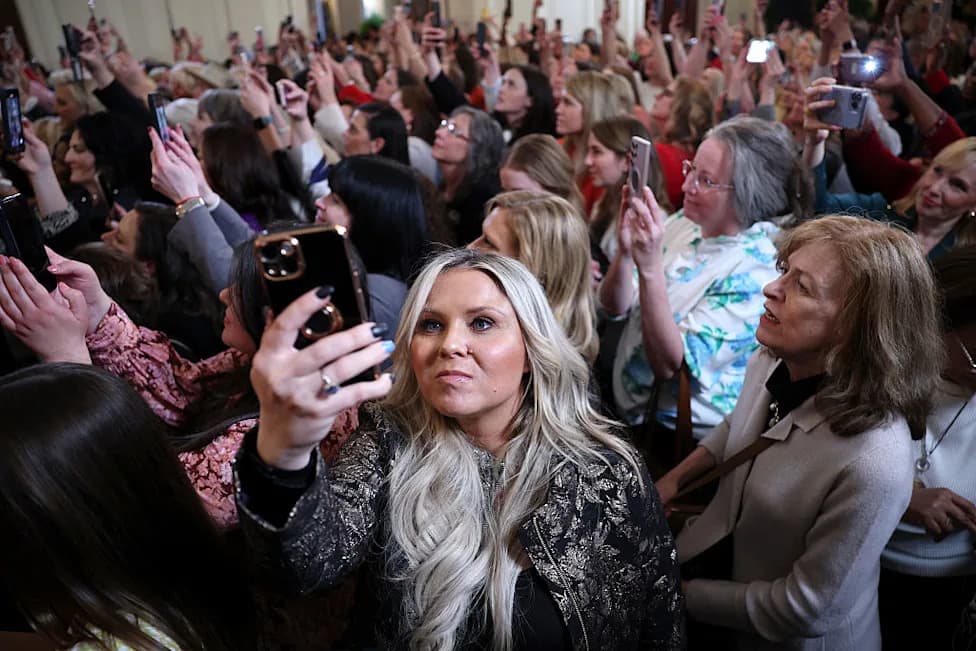
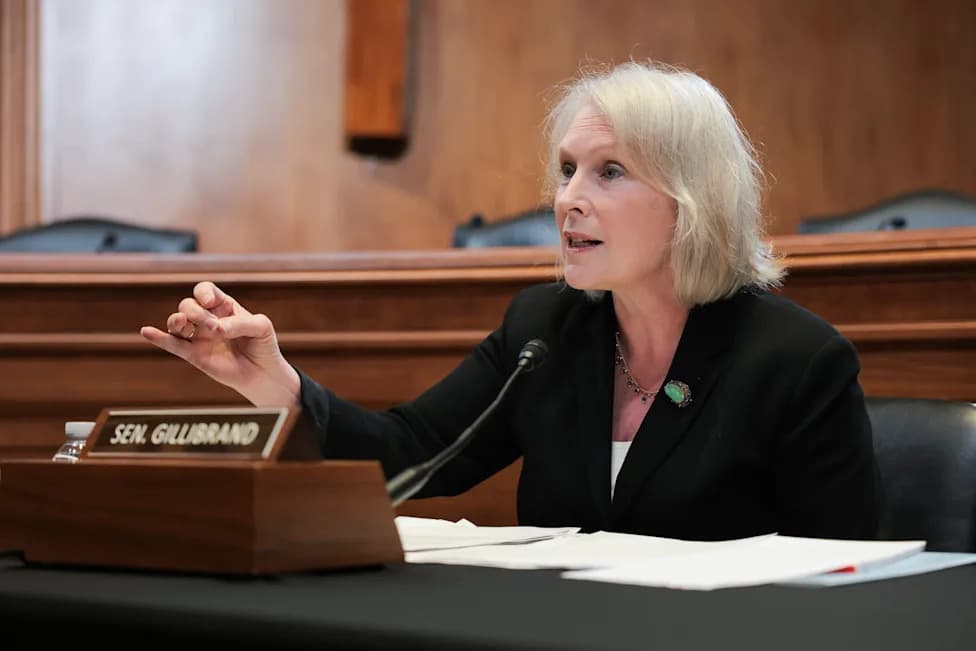
Senator Kirsten Gillibrand (D-N.Y.), the committee's ranking member, opened the session by noting that about 75 million American women are in perimenopause, menopause or post-menopause and that roughly 6,000 women enter menopause every day. She described the care gap as a "healthcare failure, an economic failure and a policy failure." Citing Mayo Clinic research, she noted that untreated menopause may cost the U.S. an estimated $26.6 billion annually, including about $1.8 billion in lost work time.
Who testified
The bipartisan hearing featured four expert witnesses: Jennifer Weiss-Wolf (attorney and policy expert), Dr. Suzanne Fenske (board-certified OB-GYN and integrative medicine specialist), Dr. Lynne Coslett-Charlton (board-certified OB-GYN) and Jean Wactawski-Wende, PhD (dean and epidemiologist). Committee leadership also submitted a bipartisan letter to the U.S. Government Accountability Office documenting gaps and recommending next steps.
Main issues identified
1. Access to Care
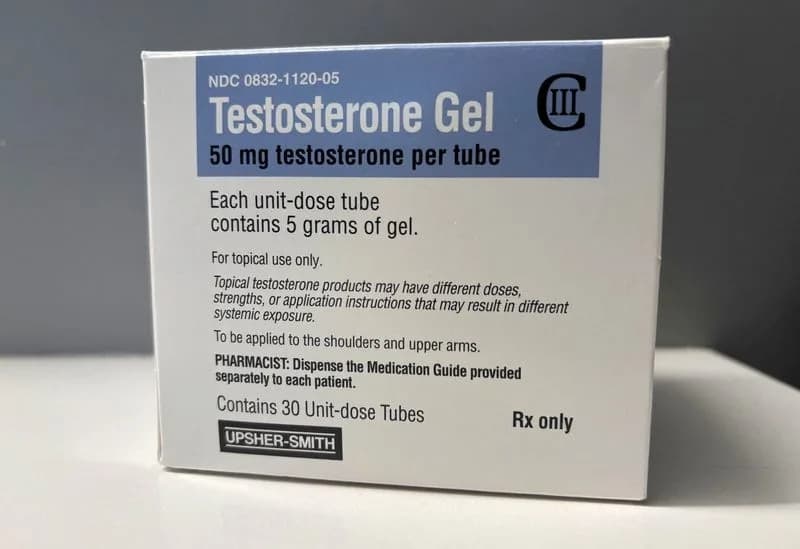
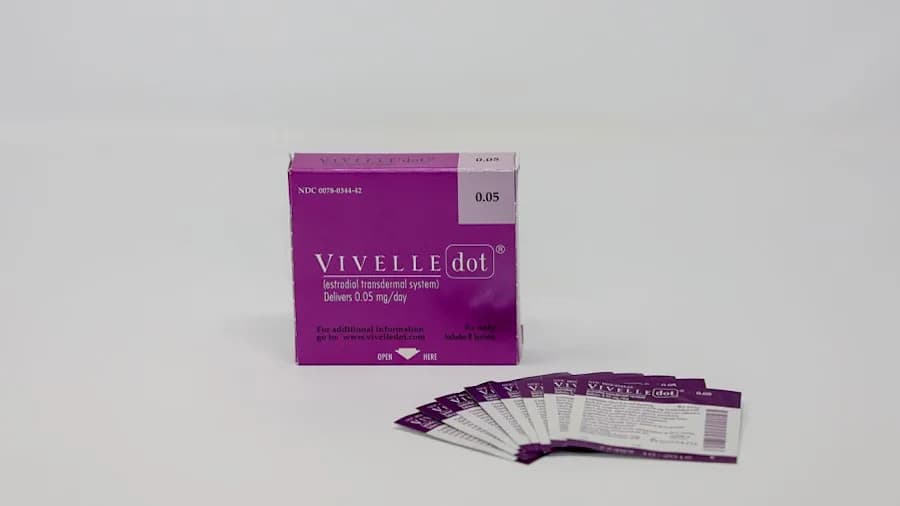
Witnesses described barriers from long appointment wait times—OB-GYN waits average about a month and can be longer in rural areas—to medication shortages. An increase in hormone therapy prescriptions after removal of a black-box warning contributed to an estrogen-patch shortage as manufacturers struggled to meet demand. Rising drug costs and low insurance reimbursements further limit access for many women.
2. Medical Education Gaps
Panelists linked care shortfalls to training: about 80% of OB-GYN residents report feeling unprepared to discuss menopause, and fewer than a third of residency programs include perimenopause and menopause in their curricula. Senators said many women leave care encounters without treatment, creating frustration and delays in care.
3. Insufficient Research on Midlife Women’s Health
Experts emphasized that less than 1% of relevant federal research budgets are allocated to midlife women's health. Priorities include studying hormonal impacts across the lifespan, addressing chronic diseases that disproportionately affect women (Alzheimer's, osteoporosis, heart disease), and investing in prevention around mental health, sleep, nutrition and physical activity to preserve function and independence as women age.
4. Legislative and Policy Solutions
Witnesses pointed to pending bills that would expand research, strengthen clinician training and improve care planning for servicewomen and veterans. Notable proposals discussed were:
- S.4246 — Advancing Menopause Care and Mid-Life Women's Health Act: Would increase research funding, improve clinician training and expand public health initiatives.
- S.1320 — Servicewomen and Veterans Menopause Research Act: Would require the Department of Veterans Affairs to study menopause care and develop improvement plans for servicewomen and veterans.
- H.R.9077 — Hormone Health Data and Research Act: Would direct federal bodies to fund research on how perimenopausal hormone fluctuations affect women's health.
What individuals and employers can do
Witnesses and senators urged citizens to translate momentum into action: contact federal and state representatives to support the bills above and increased research funding; organize or join local support groups; press employers to provide menopause resources and workplace accommodations; and be proactive in clinics—ask questions, request referrals, and track symptoms and treatment responses.
"For generations women have been told to suffer in silence — I'm done with silence," Senator Gillibrand said, underscoring the hearing's broader call for visibility, research and policy action.
The hearing was described as a meaningful first step. Experts stressed that sustained political commitment, funding and improvements in clinical training are necessary to close the menopause care gap and protect women's health and economic security.
Help us improve.