Researchers found a likely biological cause for "momnesia": sustained high estrogen during pregnancy can over-activate hypothalamic GABAergic neurons, suppress hippocampal activity and produce temporary memory impairment. Mouse experiments showed this effect could be reversed by interrupting the hypothalamus–hippocampus pathway or removing estrogen receptors from the relevant neurons. A companion study of 70 women found memory declines in late pregnancy that correlated with higher estrogen, supporting the animal findings though not proving identical causation in humans.
Study Links 'Momnesia' to Disrupted Hypothalamus–Hippocampus Circuit During Pregnancy

FILE PHOTO: A pregnant woman, in the last trimester of her pregnancy, poses in this illustration photo in Sete, South France, March 26, 2016. REUTERS/Regis Duvignau/File Photo
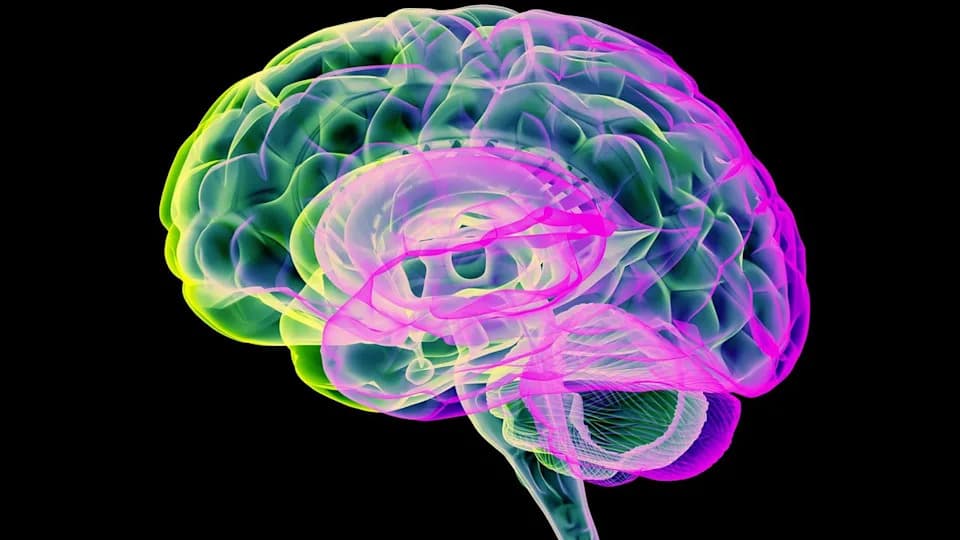
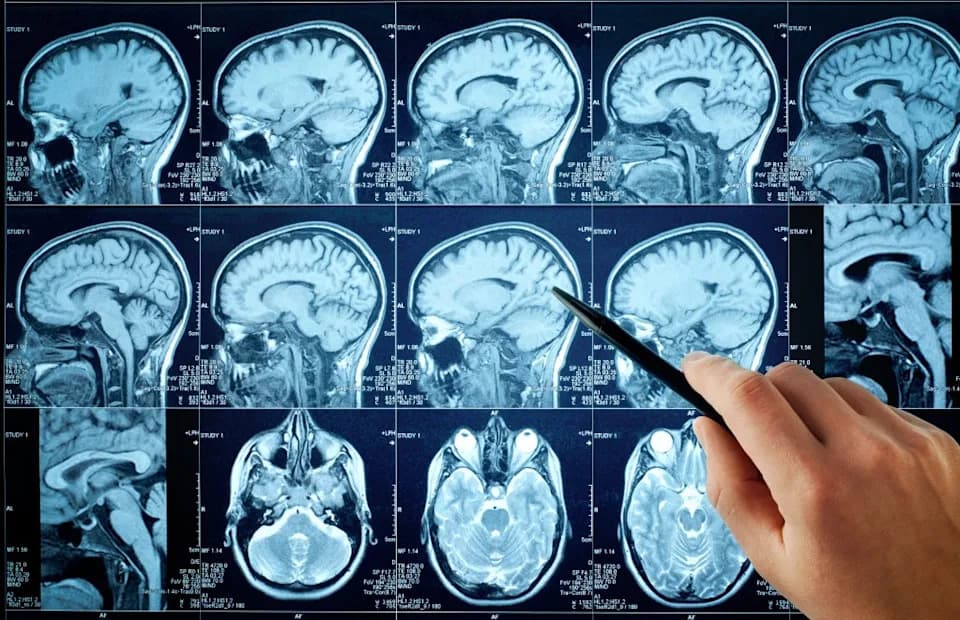
Many pregnant women report episodes of forgetfulness and mental fog—often called "momnesia," "pregnancy brain" or "baby brain." New research points to a likely biological mechanism: sustained high estrogen during pregnancy appears to disrupt a specific neural pathway between the hypothalamus and the hippocampus, producing temporary memory changes.
What the Study Found
Researchers using laboratory mice reproduced the prolonged elevated estrogen typical of pregnancy and observed temporary impairments in memory without detectable mood changes. The team traced the effect to estrogen acting through estrogen receptor alpha on hypothalamic neurons. Those neurons—largely GABAergic inhibitory cells—became overactive and suppressed hippocampal activity, a region crucial for memory formation.
Key Experiments
Memory tests in mice, including object and location recognition, showed poorer performance after prolonged estrogen exposure. When scientists experimentally interrupted the hypothalamus-to-hippocampus pathway, the estrogen-induced memory problems disappeared. Conversely, activating that pathway produced memory impairment even when estrogen levels were not elevated. Genetically removing estrogen receptors from the implicated hypothalamic neurons also reversed pregnancy- and estrogen-related memory deficits in mice.
Human Data and Limitations
To complement the animal work, the researchers assessed memory in 70 women at various pregnancy stages and in nonpregnant controls. Tests of long-term, short-term and working memory revealed declines in late pregnancy that correlated with higher circulating estrogen, even after adjusting for other factors. The study authors caution, however, that they did not directly measure or manipulate this neural circuit in people, so the human results support—but do not prove—the causal circuit identified in mice.
What This Means
The findings suggest that pregnancy-related memory changes are specific and biologically based rather than reflecting a general loss of intelligence. Dr. Zheng Sun of Baylor College of Medicine noted the effect "is not serious or medically disabling, although it does affect daily functioning and confidence." Common examples include forgetting why you walked into a room, misplacing items, losing the thread of a conversation or needing reminders for appointments. The study also cites that about 80% of pregnant women report noticing such changes, although that estimate comes from self-report rather than standardized testing.
Implications and Next Steps
These results point to a concrete brain circuit that could explain when and why memory changes occur during pregnancy and suggest directions for further human research. Future studies will need to confirm the mechanism in people, explore how long effects persist postpartum, and test whether specific interventions (behavioral strategies or safe medical approaches) can help mitigate functional impacts.
Bottom line: Temporary, pregnancy-related memory changes appear linked to elevated estrogen acting on a hypothalamus-to-hippocampus pathway. The effect is likely reversible and specific, not a sign of diminished overall intelligence.
If memory changes interfere with daily life or cause significant worry, patients should discuss symptoms with their healthcare provider for personalized advice and reassurance.
Help us improve.