German Vice-Chancellor Lars Klingbeil acknowledged that the coalition's reform agenda has provoked "fierce opposition" after the far-right AfD strengthened its position in state elections. The SPD looks set to lose its lead in Mecklenburg-Vorpommern and lost ground in Berlin, while the CDU faces its worst state result. Rising inflation and controversial pension proposals have dented government approval. Klingbeil insisted reforms are essential to restore growth and vowed to press ahead despite political headwinds.
Klingbeil: Government Reforms Spark "Fierce Opposition" as AfD Makes Gains
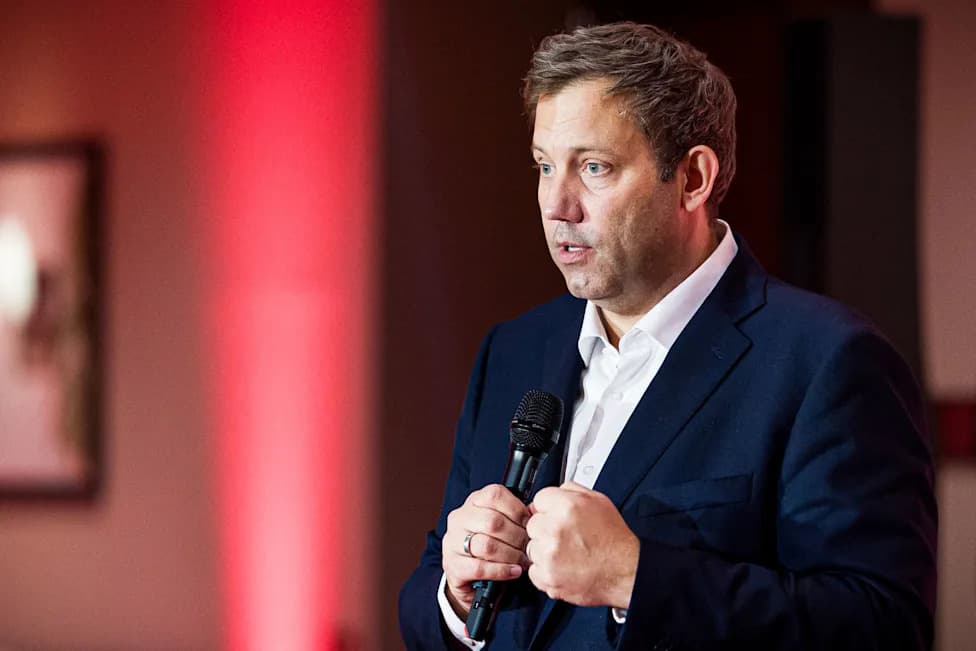
Lars Klingbeil, German vice chancellor and co-chair of the Social Democratic Party (SPD), speaks during a town hall meeting with residents in Lueneburg, as part of the SPD Lower Saxony election campaign. The local elections in Lower Saxony will take place on September 13, 2026. (is associated with: «German vice chancellor admits reforms provoking 'fierce opposition'») Moritz Frankenberg/dpa
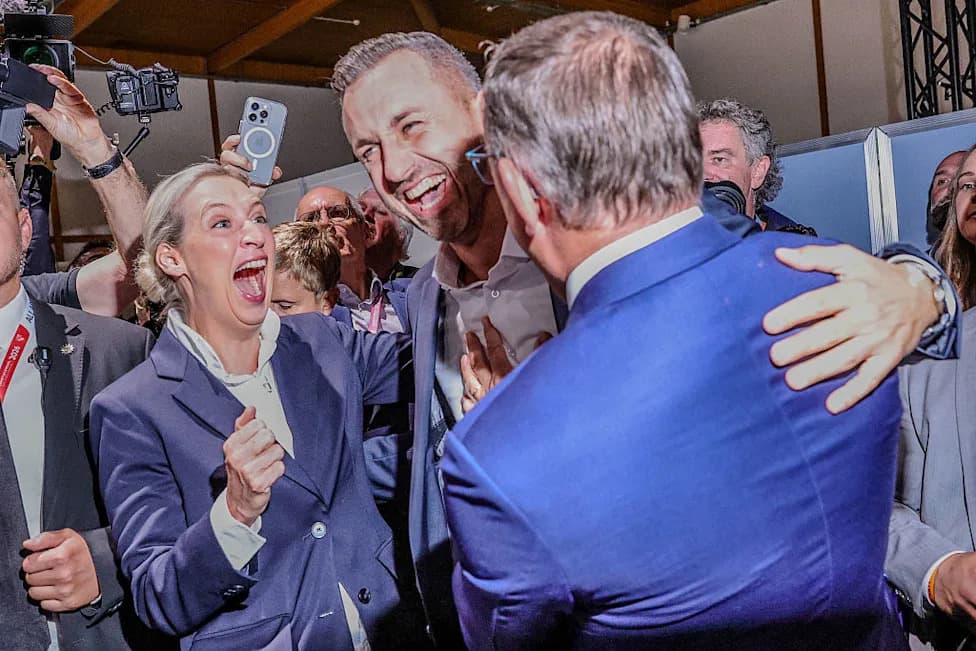
German Vice-Chancellor Lars Klingbeil on Sunday conceded that the government's reform programme has provoked what he called "fierce opposition" after the far-right Alternative for Germany (AfD) posted gains in two state elections.
Election Results and Political Fallout
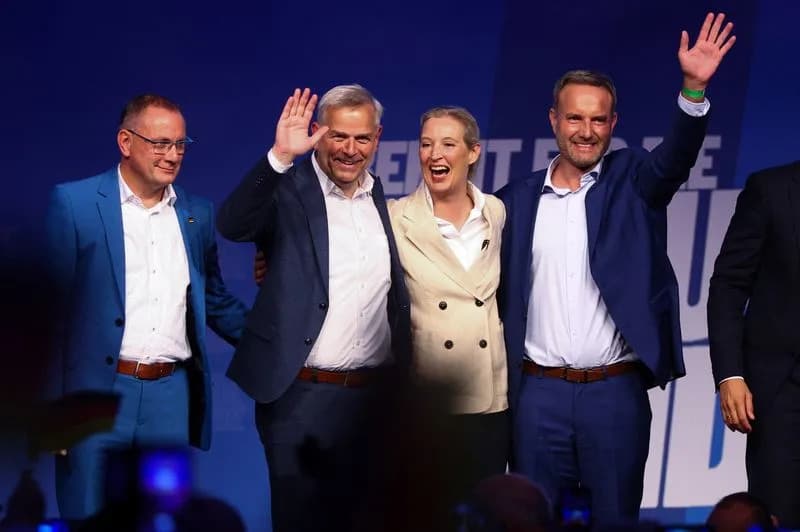
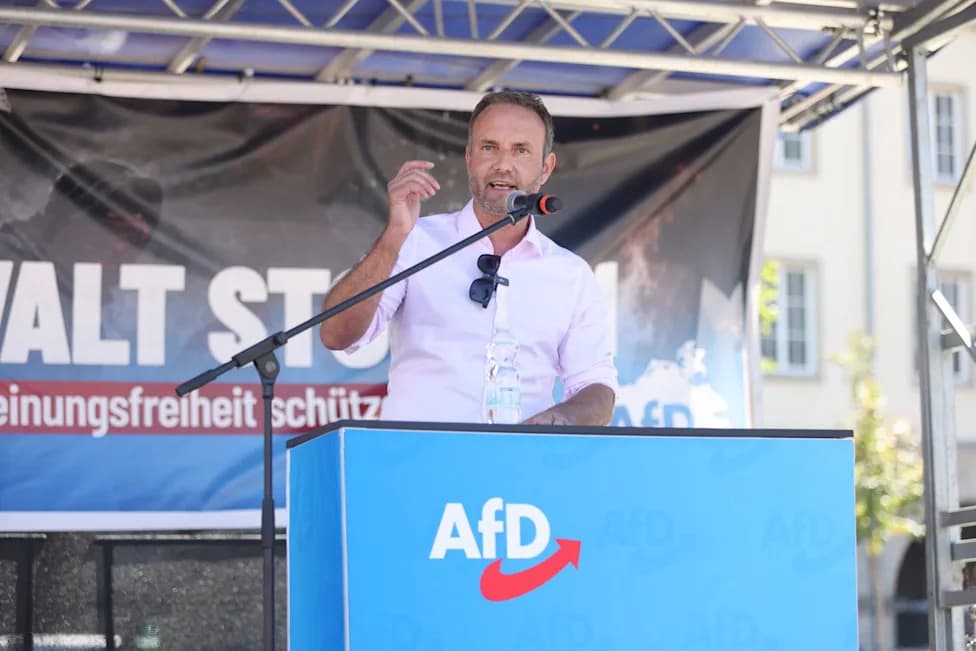
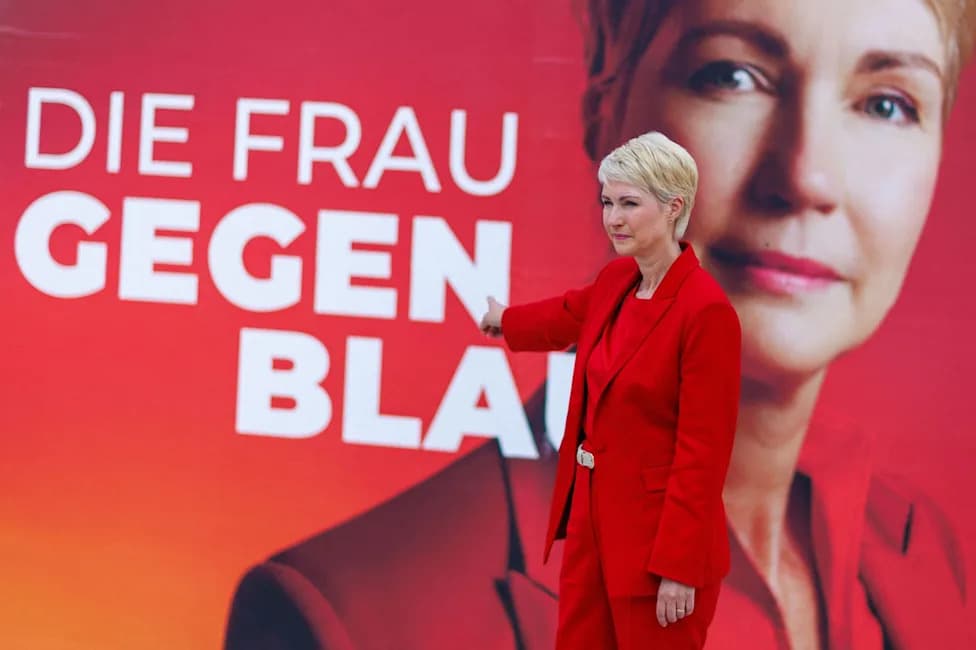
The Social Democrats (SPD), the junior partner in Chancellor Friedrich Merz's coalition, appeared likely to lose their status as the largest party in Mecklenburg-Vorpommern to the AfD and also ceded ground in Berlin. The Christian Democrats (CDU) are forecast to record their worst-ever result in a Mecklenburg-Vorpommern state vote and face the prospect of losing control of the mayor's office in Berlin.
Public approval of the government has fallen in recent months amid rising inflation and strong public reaction to parts of the coalition's reform agenda — most notably proposed changes affecting pensions. Voters' frustration over the pace and communication of reforms has clearly fed into the electoral gains for the AfD.
"We have not been able to get our reforms across so that people see that changes are happening," Klingbeil said. "We have often just had debates over cuts in Berlin."
What Klingbeil Says Next
Despite the setbacks, Klingbeil argued the government must press ahead with its agenda to restore growth after a prolonged period of stagnation. He stressed that the tasks ahead are demanding but necessary: "The tasks facing this government have been clearly set out. They are also considerable in these times. And this is the path that now lies ahead of us."
The coming weeks are likely to see intensified debate within the coalition about how to communicate reforms more effectively and which measures to prioritise if the government hopes to rebuild public trust before the next national tests at the ballot box.
Help us improve.