Germany's final state votes reshaped the regional map: the Left is projected as the largest party in Berlin with 25.7%, ending the previous CDU‑SPD majority, while the AfD leads in Mecklenburg‑Western Pomerania with 38.2%. The CDU suffered historic losses — including a potential sub‑5% result in the north that could cost it parliamentary seats — and coalition talks will hinge on housing policy and how parties address reported antisemitic incidents tied to Left events.
Election Shock in Germany: The Left Tops Berlin as AfD Leads in Mecklenburg‑Vorpommern — CDU Hit Hard

Germany: The Left triumphs in Berlin as AfD surges in Mecklenburg-Western Pomerania
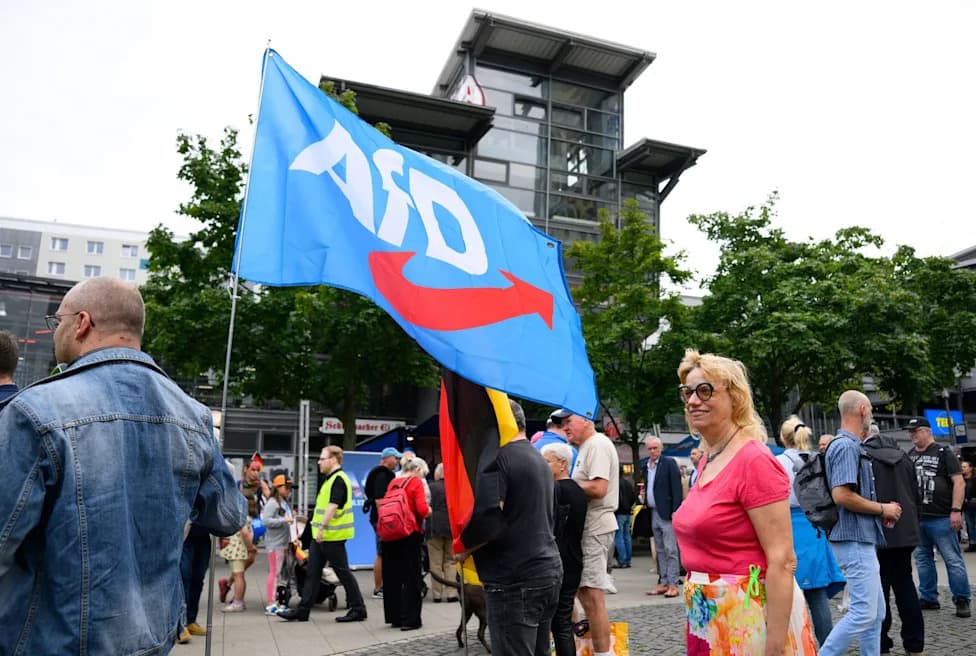
Germany's final state elections of the year produced strikingly different outcomes: the Left has emerged as the largest party in Berlin, while the far‑right AfD leads decisively in Mecklenburg‑Western Pomerania. The centre‑right CDU suffered historic losses in both states, and the SPD recorded gains in the north under incumbent premier Manuela Schwesig.
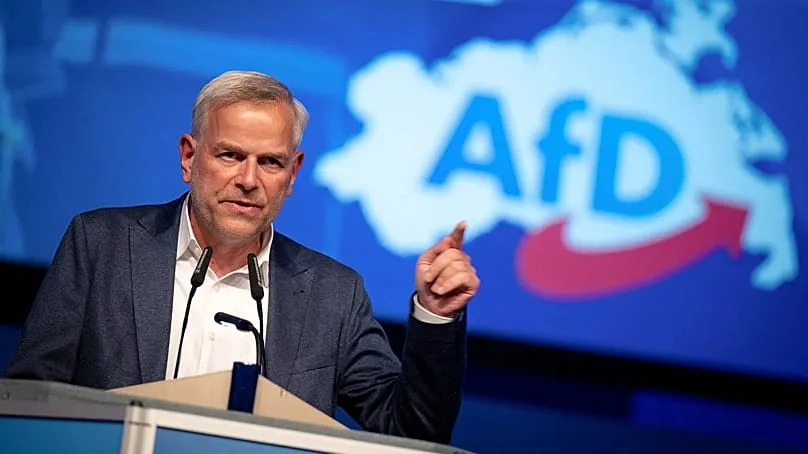
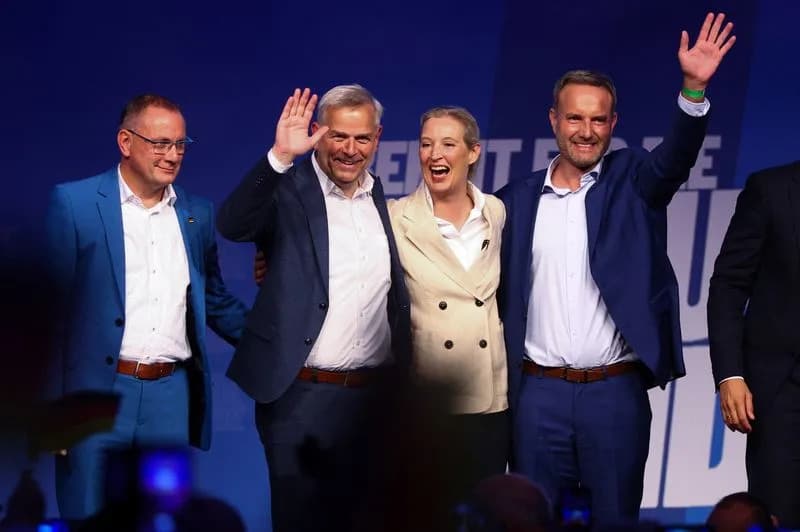
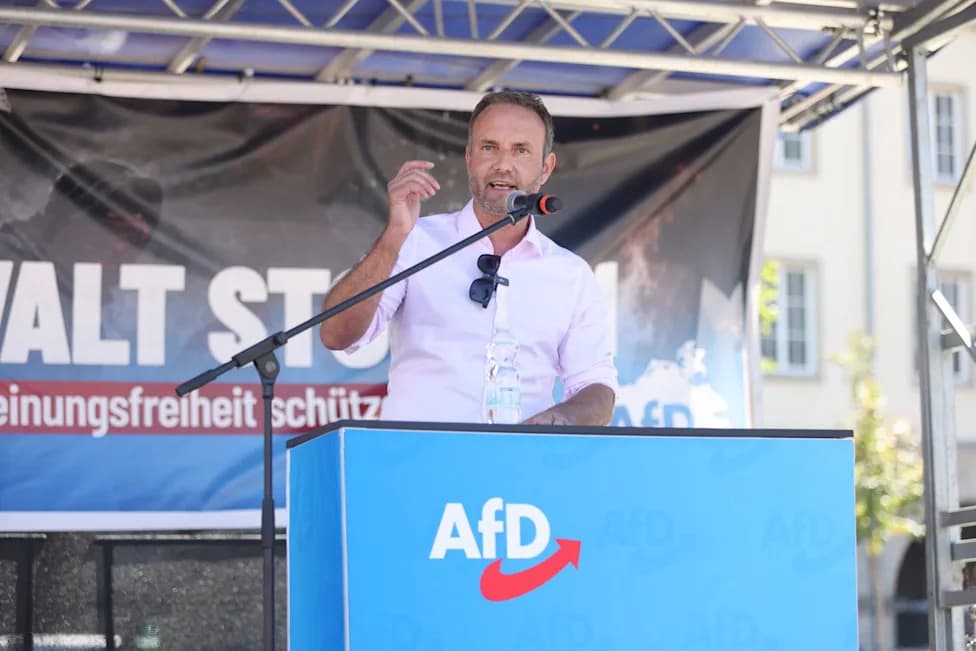
Leif Erik Holm, the AfD's candidate for minister-president in Mecklenburg-Western Pomerania, is in the lead with over 37% of the vote - (c) Copyright 2026, dpa (www.dpa.de). Alle Rechte vorbehalten
Berlin: The Left Surges, Housing at the Centre
In the latest Infratest dimap projection for Berlin, the Left tops the poll on 25.7%. The CDU follows with 18.8%, the AfD on 16.3%, the Greens on 14.3% and the SPD falling to 12.1%. The BSW narrowly crosses the threshold to enter the state parliament. The result ends the previous CDU‑SPD majority in the city‑state and puts coalition arithmetic into flux.
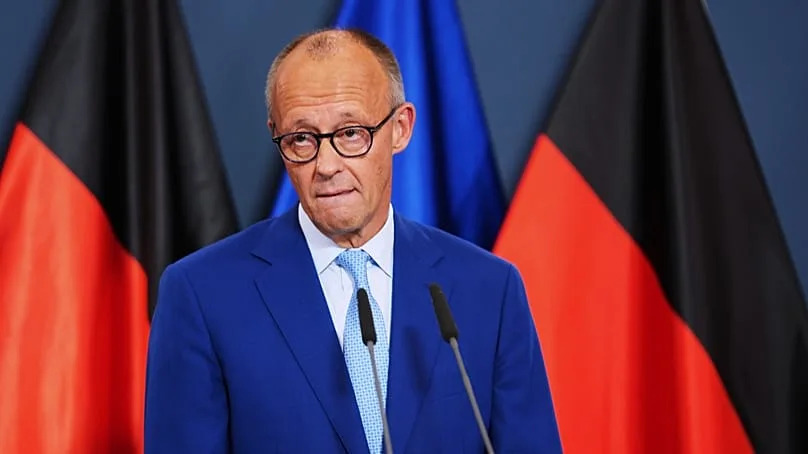
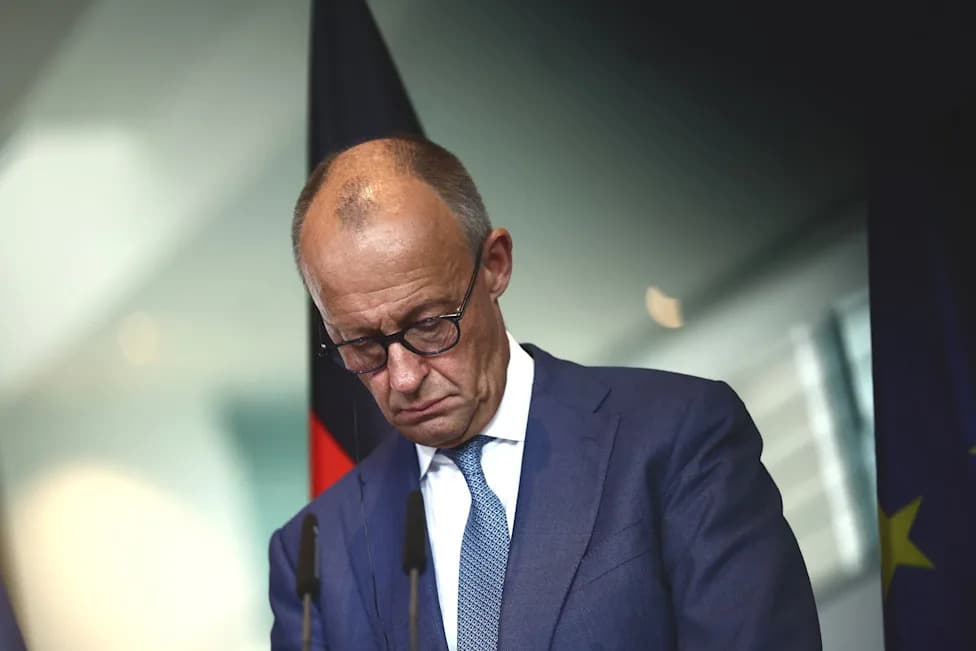
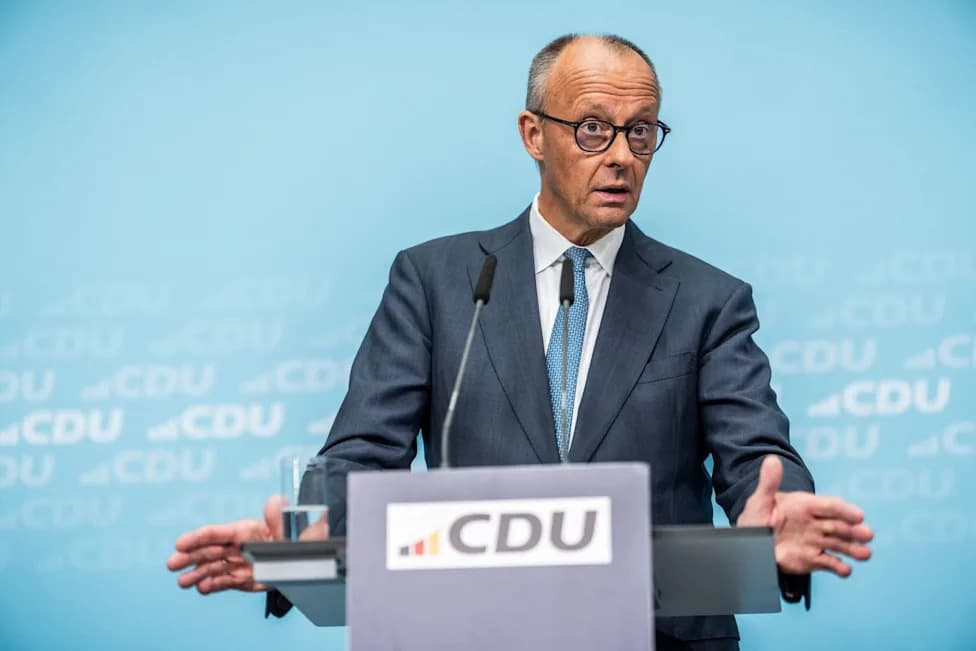
German Chancellor Friedrich Merz speaks to media at the Christian Democratic Union party headquarters in Berlin, Germany, Sunday, Sept. 20, 2026. - AP Photo/Markus Schreiber
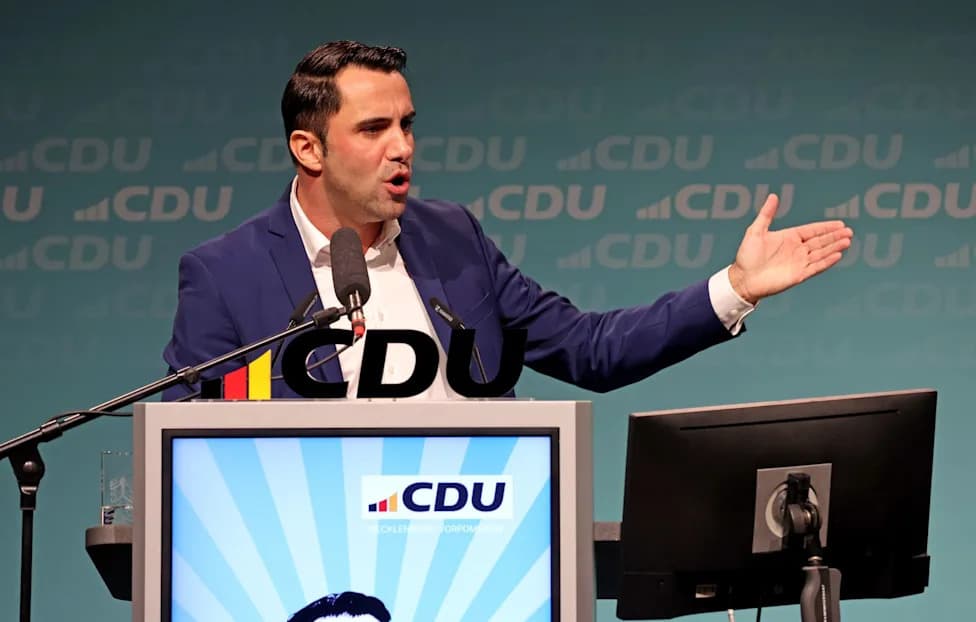
Left lead candidate Elif Eralp made social policy and affordable housing the backbone of her campaign, calling for stricter rent controls, more social housing and measures to bring large property portfolios into public ownership. If elected governing mayor, Eralp would be the first Berlin mayor with a migrant background — her parents fled Turkey in 1980 and she was born in Munich.
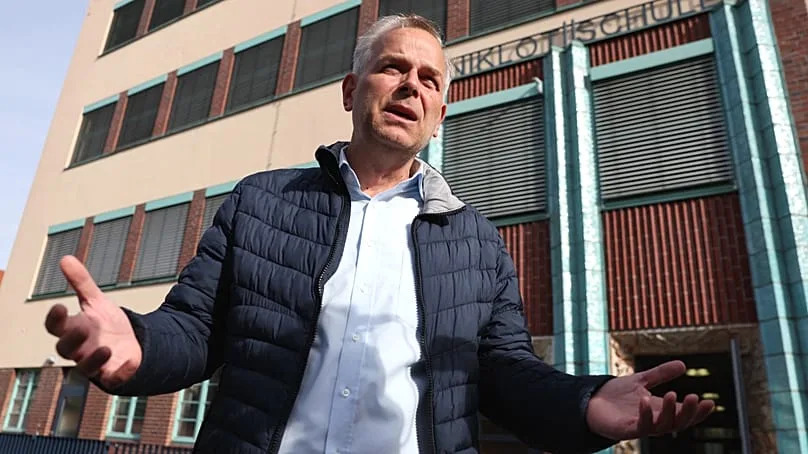
Leif-Erik Holm, the AfD's candidate for minister-president in Mecklenburg-Western Pomerania, in Schwein, Germany, Sunday, Sept. 20, 2026. - Jens Büttner/dpa via AP
Mecklenburg‑Western Pomerania: AfD Leads, CDU Plummets
The projection in Mecklenburg‑Western Pomerania places the AfD on 38.2%, closely followed by the SPD at 35.5%. The CDU recorded a historic low of 4.9% in the state. If the final count leaves the CDU below the 5% threshold, the party would for the first time fail to win seats in a state legislature anywhere in Germany.
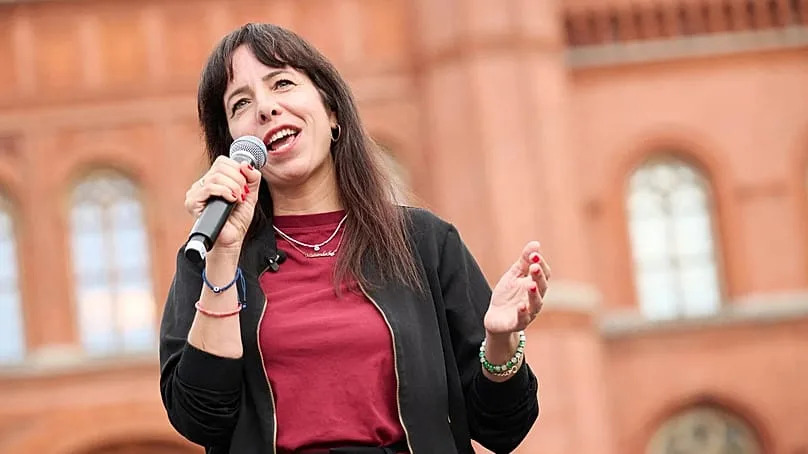
Elif Eralp focused on the housing shortage during her campaign - (c) Copyright 2026, dpa (www.dpa.de). Alle Rechte vorbehalten
AfD lead candidate Leif‑Erik Holm is reported with over 37% in his personal vote tally and immediately claimed the right to try to form the next state government. Holm said the party would "naturally also talk to all the other parties" and framed the AfD’s platform in the state as a conservative programme focusing on education, the economy and security. He also noted that the AfD in this state is not currently being monitored by the Federal Office for the Protection of the Constitution.
Reactions and Political Context
At CDU headquarters in Berlin, party leader and chancellor Friedrich Merz called the Mecklenburg‑Western Pomerania outcome "a disaster," saying the party had been "squeezed out" as the race narrowed to a contest between the SPD and AfD. Merz warned of deep economic and social change, declining trust in institutions and the spread of what he termed an "authoritarian poison," arguing for urgent reforms despite their likely unpopularity.
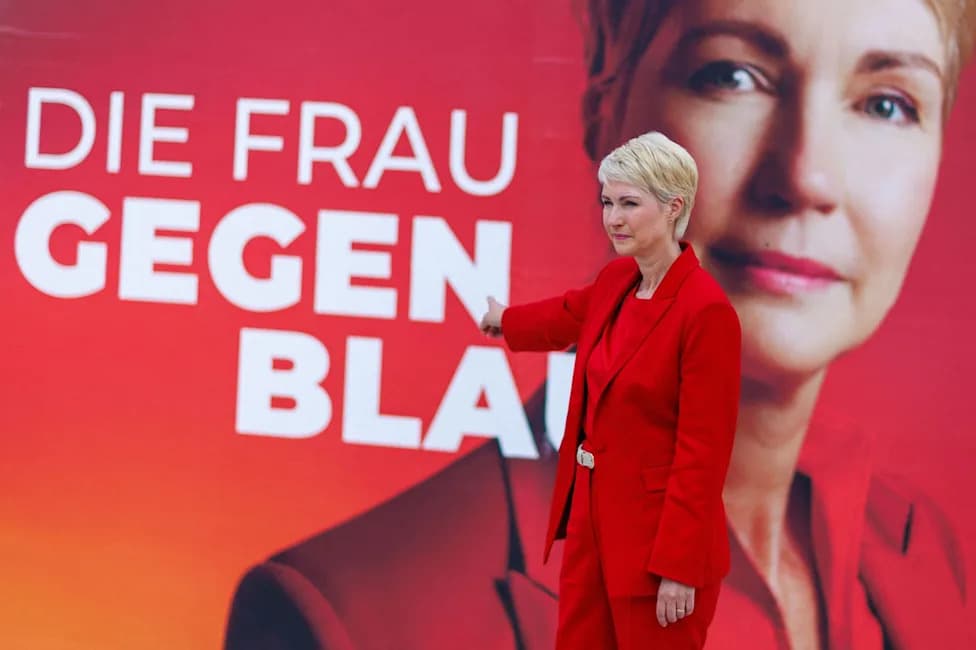
SPD premier Manuela Schwesig — who campaigned in the north under the slogan "Woman against Blue" — described the vote as the toughest her party has faced. Schwesig emphasized that the SPD confronted the AfD "with substance, with people, with clarity and with a united effort." She has also acknowledged past support for Nord Stream 2 as a mistake following Russia’s full‑scale invasion of Ukraine and has publicly backed Ukraine in the conflict.
Coalition Prospects And The Antisemitism Issue
Forming governments in both states will be complex. In Berlin the SPD and Greens have not ruled out cooperation with the Left, but both parties insist that any coalition must take a clear stance against antisemitism. The issue gained prominence after reports of antisemitic chants at a Left campaign event in Neukölln featuring rapper Dahabflex. Eralp condemned the chants, called for an investigation and urged consequences, stressing that the vast majority of the Left stands for protecting Jewish life while acknowledging antisemitism exists across society and sometimes within her party.
What Comes Next
Coalition talks and final vote counts will determine whether the AfD can translate its lead in Mecklenburg‑Western Pomerania into governing power and whether the CDU’s setback becomes permanent in that state. In Berlin, the Left must navigate partner conditions around antisemitism and housing policy if it is to lead a new government.
Key figures: Left 25.7% (Berlin), AfD 38.2% (Mecklenburg‑Western Pomerania), CDU 4.9% (historic low in the north).
Help us improve.