Stuart Anderson, an army veteran and Conservative MP, described enduring sustained Russian drone and missile strikes during a five-day visit to Kyiv with a NATO delegation. He said a temporary ceasefire collapsed after negotiators left on 7 September and that around 60 cruise and ballistic missiles struck Kyiv on his first day. Anderson highlighted the daily danger to civilians, the targeting of critical infrastructure, and the particular vulnerability of trains after recent attacks. He represents the UK on the Ukraine-NATO Interparliamentary Council and is Shadow Minister for War Readiness.
There Wasn't an Hour We Weren't Under Attack: MP Stuart Anderson Describes 'Brutal' Russian Strikes in Kyiv
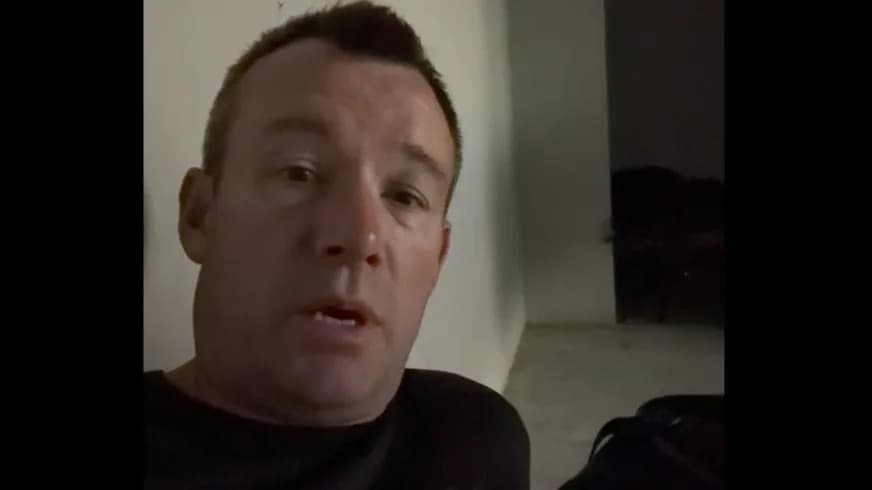
Stuart Anderson said he spent "quite a lot of time" in a basement car park that was being used as an air raid shelter [Stuart Anderson]
Stuart Anderson, a former army soldier and Conservative MP, has given a vivid account of sustained Russian drone and missile strikes he witnessed during a five-day visit to Kyiv earlier this month. The Shropshire MP travelled as part of a NATO parliamentary delegation and described the bombardment as unexpectedly relentless and 'brutal'.
'It was like being back in the military,' Anderson said. 'I never had more than an hour's sleep at any one time, and some nights were spent in a basement car park taking shelter.'
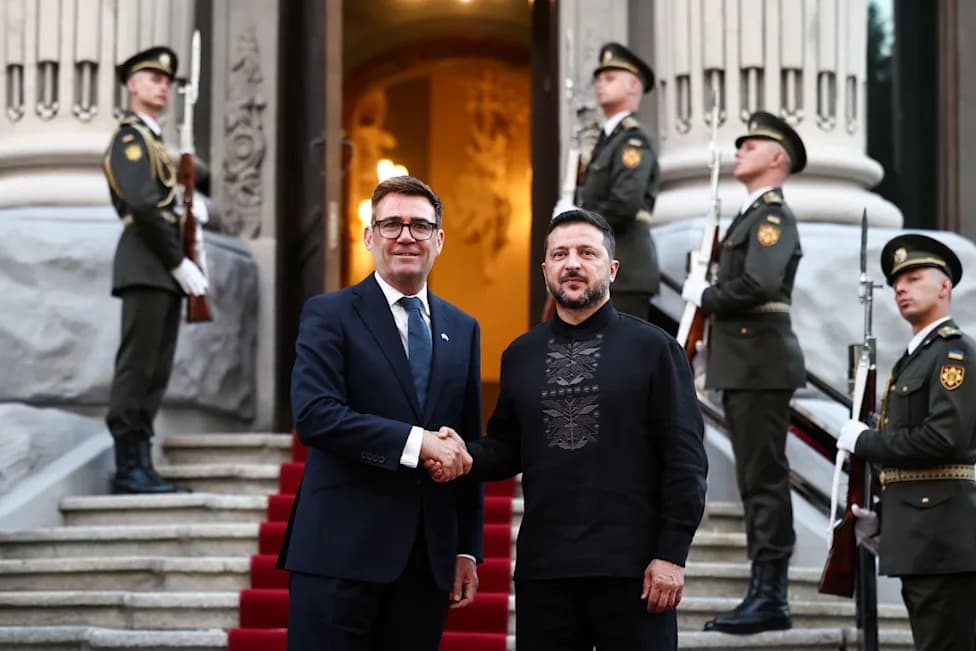
Anderson arrived by train in the early hours of Monday, 7 September, during a temporary ceasefire while a US peace envoy was present in the city. According to him, the lull ended after negotiators left around lunchtime and heavy strikes began.
Constant Alertness and Limited Protection
Although Anderson received enhanced close protection and full police escorts because of his diplomatic and political status, he stressed that such measures offered limited security against attacks from above. 'It doesn't matter how many people you have around you, the attacks come from the sky,' he said.
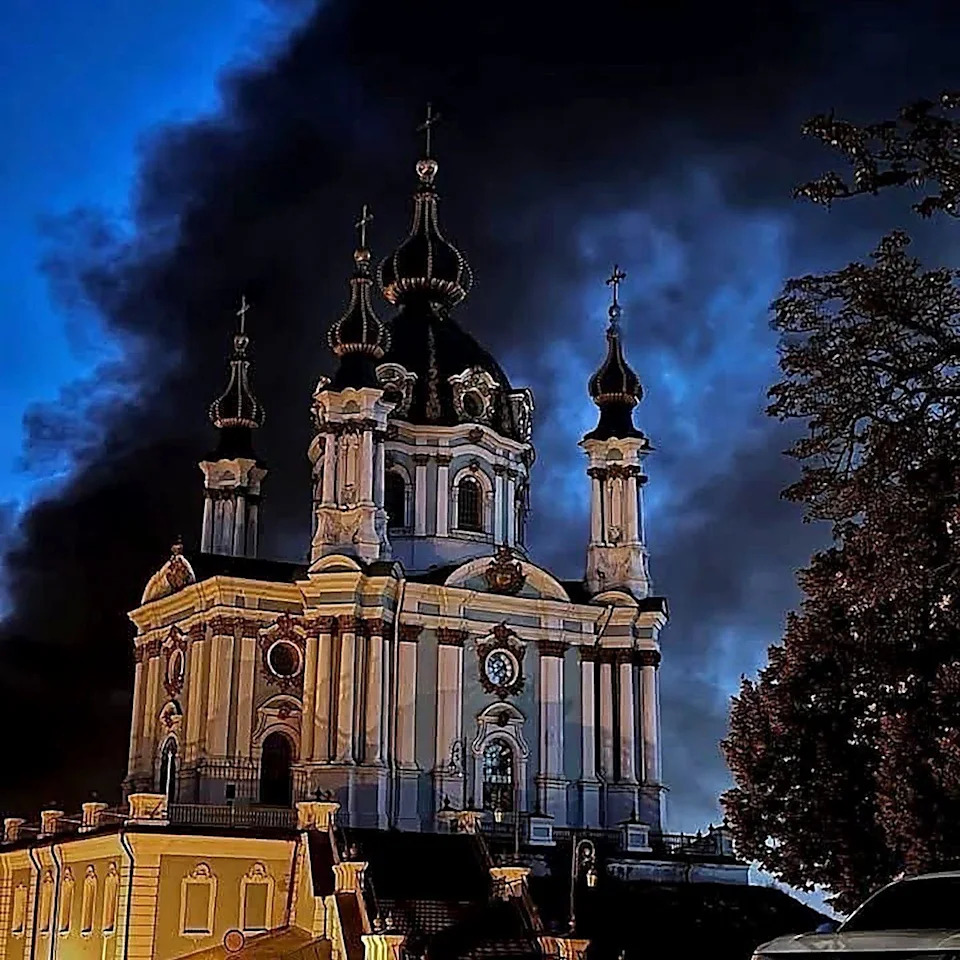
Stuart Anderson witnessed the aftermath of many missile and drone attacks [Stuart Anderson]
'From midday to early afternoon on my first day there, there were about 60 cruise and ballistic missiles launched, and most of them hit Kyiv. They struck buildings close to where I was staying, though my building was not hit.' He added that his family in South Shropshire was kept largely uninformed of his exact location because he was not allowed to carry personal devices that might be tracked.
Impact On Civilians And Infrastructure
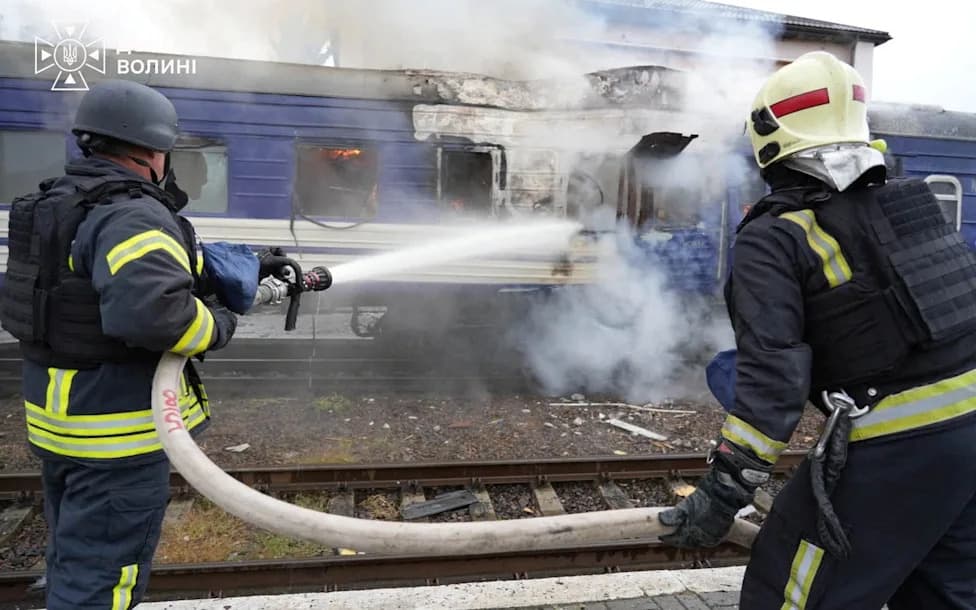
Anderson emphasized the daily reality for Ukrainian civilians: 'The Ukrainians are living this day in, day out.' He warned that Russian tactics had shifted toward targeting key infrastructure — main supply routes, trains, water and power facilities — in efforts that he described as designed 'to make life a misery for people in Ukraine'.
Moment Of Greatest Risk
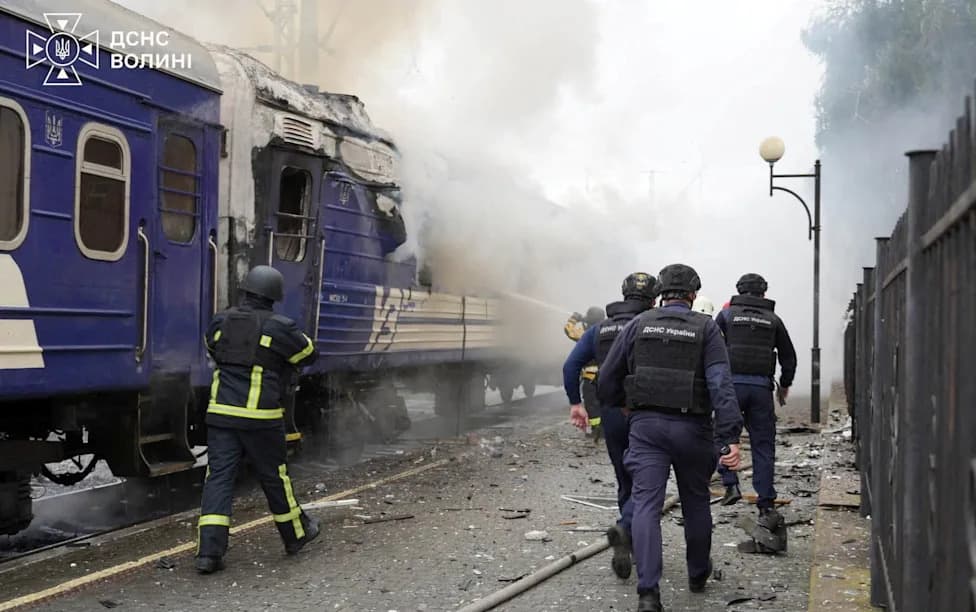
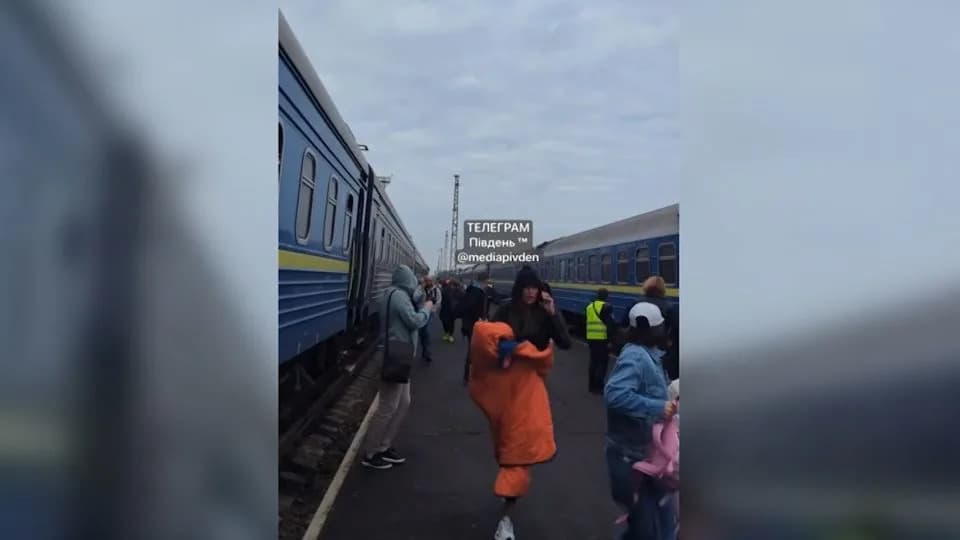
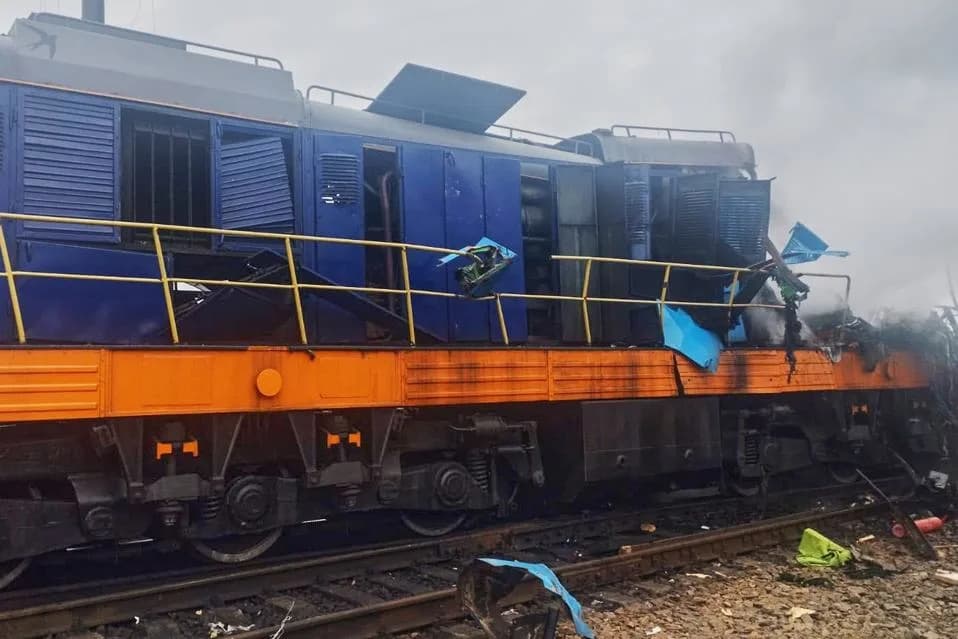
The most exposed Anderson felt was while travelling by train toward the Polish border. Just before boarding at Kyiv's main station, he was told that two other trains had been struck by drones and missiles earlier that day and that one person had been killed. He recalled feeling 'mentally quite wired' after reaching the border and needing the whole weekend to recover.
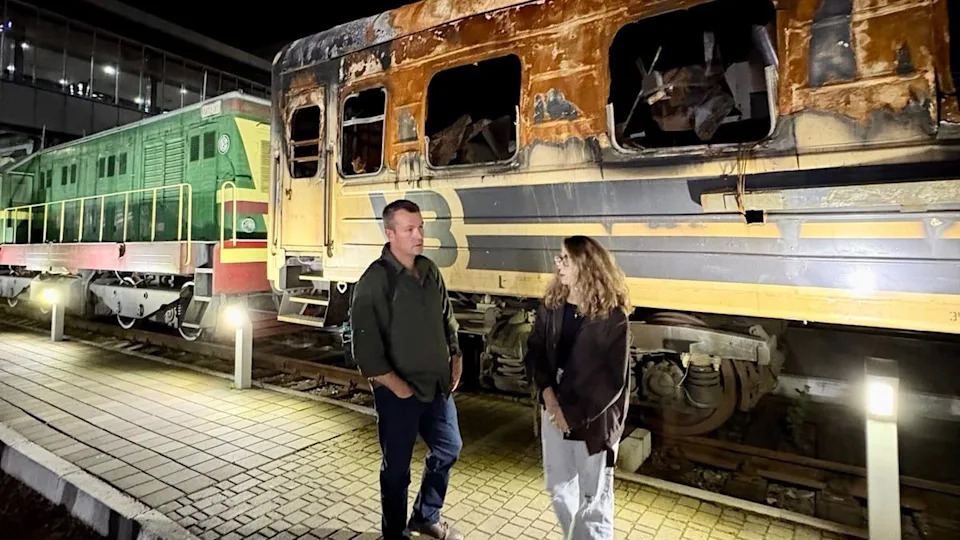
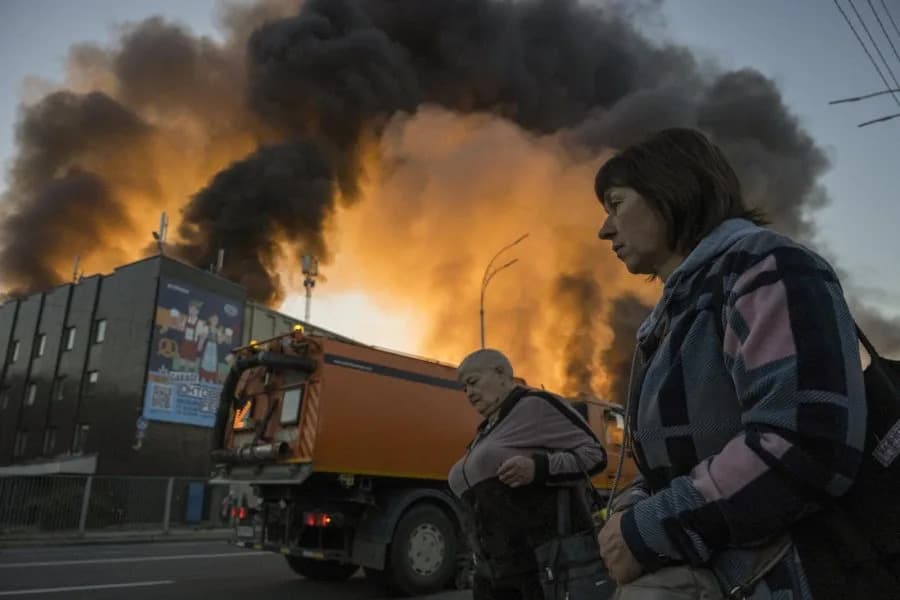
Stuart Anderson said it was "very sobering" seeing the impact that missile and drone strikes were having on Kiev's residents [Stuart Anderson]
He also noted that Russian intelligence likely identified the NATO delegation as a significant target. The episode echoed a separate incident earlier in the month when a train was hit near the Ukraine-Poland border shortly after another train carrying senior European security officials had passed through.
Roles And Context
Anderson formerly held the Wolverhampton South West seat (2019–2024). Since October 2025 he has been the UK's representative on the Ukraine-NATO Interparliamentary Council, a body established in 1998 to foster cooperation between Ukrainian legislators and those from NATO member states. He is also the Conservative Party's Shadow Minister for War Readiness on Kemi Badenoch's shadow defence team.
Despite enhanced security arrangements for visiting delegations, Anderson's account underlines the persistent danger faced by civilians in Kyiv and the heavy human and infrastructure toll of the campaign of strikes.
Help us improve.