Russia has intensified fast-moving ballistic missile strikes on Kyiv, sharply reducing warning times and increasing daily air-raid alerts. Many residents who once coped with bombardment now feel unsafe at home; some have relocated while others cannot. The strikes have disrupted schools, transport and commerce, caused civilian casualties, and are producing growing psychological fatigue across the city.
Four Minutes' Warning Isn’t Enough: How Russia’s Fast Ballistic Strikes Are Wearing Down Kyiv

Daria left her apartment in Kyiv this summer after Russia's attacks on the city intensified [BBC News Ukraine]
Kyiv residents say a familiar tolerance for night-time bombardment has eroded as Russia shifts to faster, more frequent ballistic missile attacks that leave only minutes — sometimes seconds — of warning. The change has forced some people to leave the city, disrupted schools and transport, and taken a mounting psychological toll on those who remain.
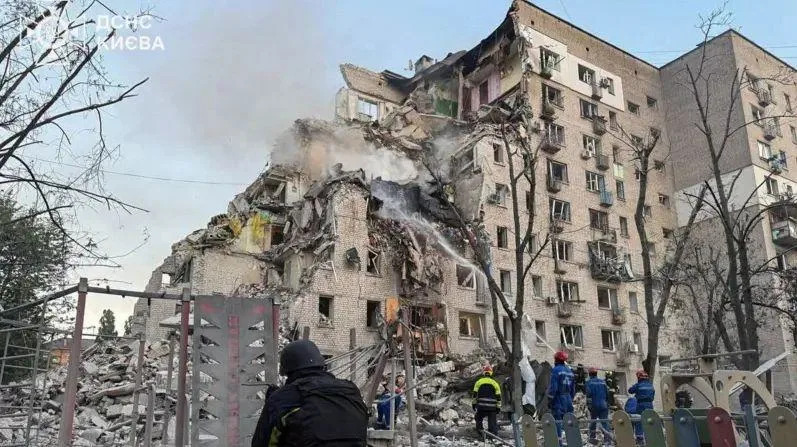
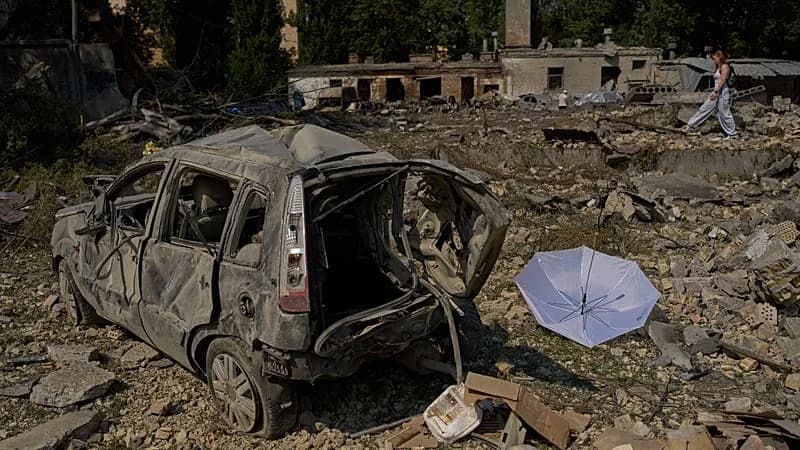
A photo from the State Emergency Service shows the impact of a Russian strike in July [Ukraine State Emergency Service]
Escalation and Shorter Warnings
In the first 10 days of July, Russian forces launched dozens of ballistic missiles in three major attacks that officials say killed nearly 60 civilians. A BBC Verify analysis of government data shows Kyiv is now seeing more daily air-raid alerts than at any time since Russia launched its full-scale invasion in 2022.
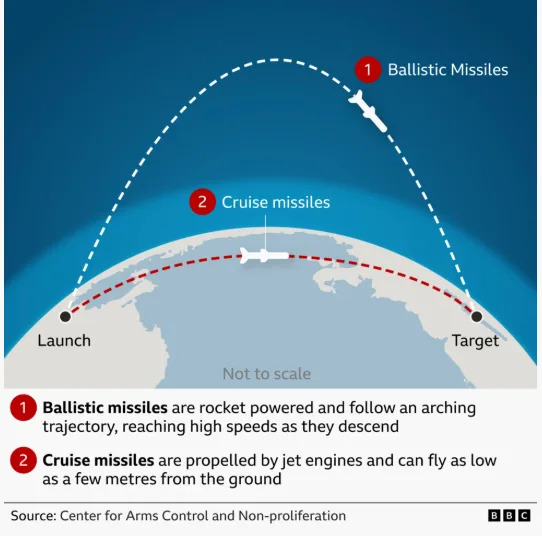
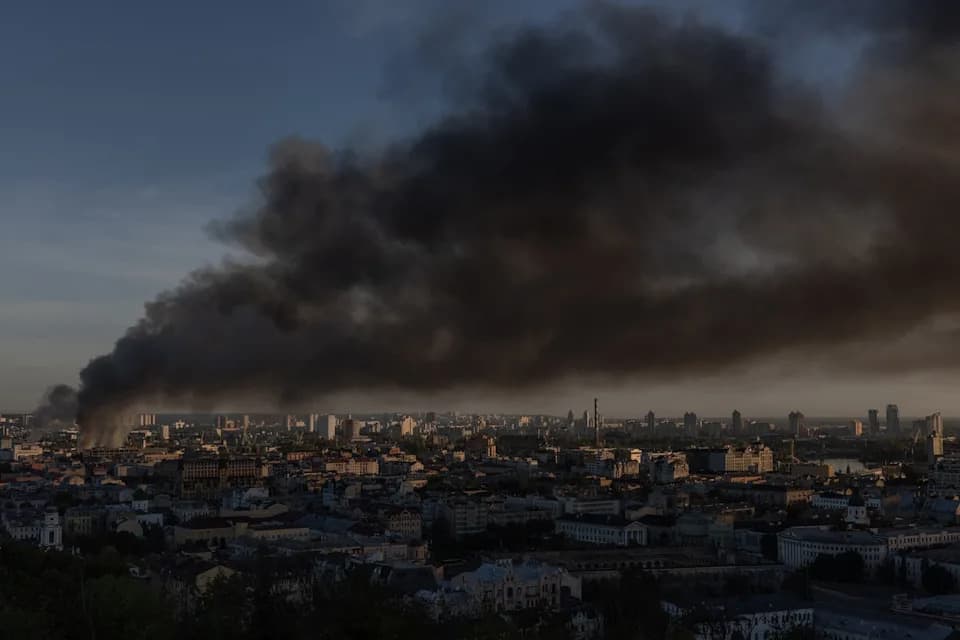
Ballistic missiles are difficult to detect in advance [BBC]
Unlike slower-moving aircraft, ballistic missiles travel at extremely high speeds and are harder to detect in advance. Residents report sirens that sometimes begin only moments before impact, or at the same time the first explosions are heard — leaving as little as four minutes or fewer to reach shelter.
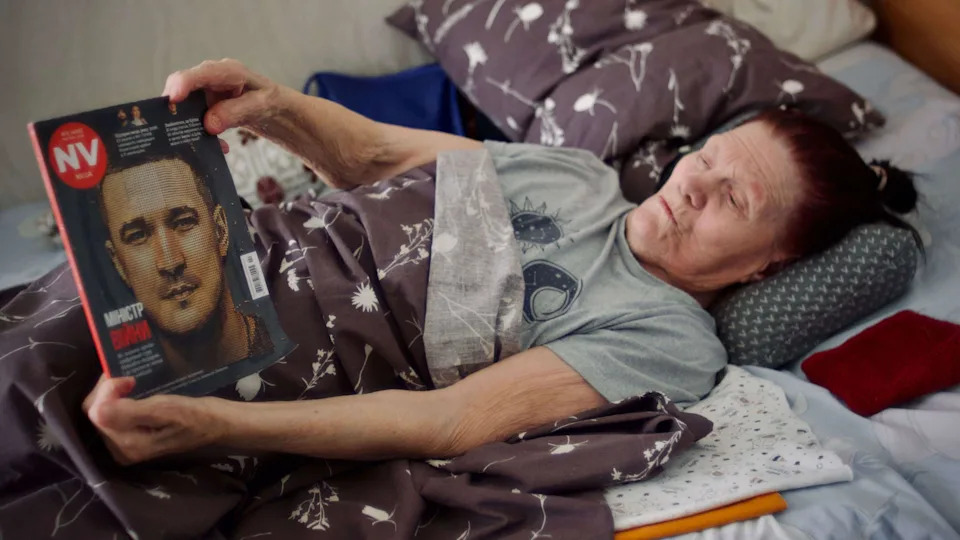
Nadia, 98, continues to follow world events closely from her bed [BBC News Ukraine]
Voices From Kyiv
Daria, 27, once slept through bombardments while relying on the so-called "two-wall rule" — keeping two interior walls between her and the outside. After a May attack shattered that sense of safety, and following a June incident in which a young mother was killed running toward a shelter, she moved to her family's country home in Romankiv, 30 km from Kyiv, and now spends roughly four hours a day commuting to work in the defence sector.

Olha has taken to placing a mattress by the window to protect her and her mother from flying glass [BBC News Ukraine]
Olha Vlasova, 62, cares for her 98-year-old mother, Nadia Tsybina, who is bedridden. They cannot use public shelters. When sirens sound, Olha places a mattress against the window, covers her mother with a blanket and hides in a wardrobe to put two walls between them and the outside. Nadia says she hears fewer successful interceptions this summer: "It's upsetting when there's nothing to shoot them down with."
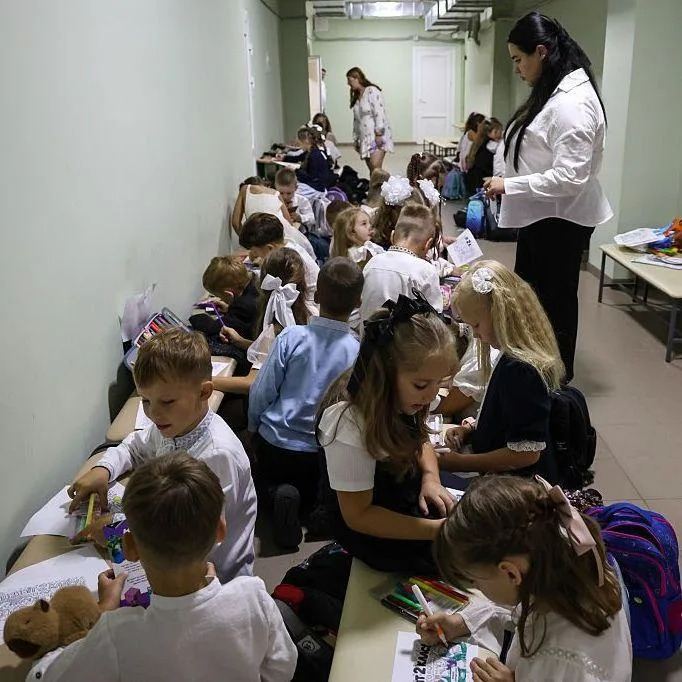
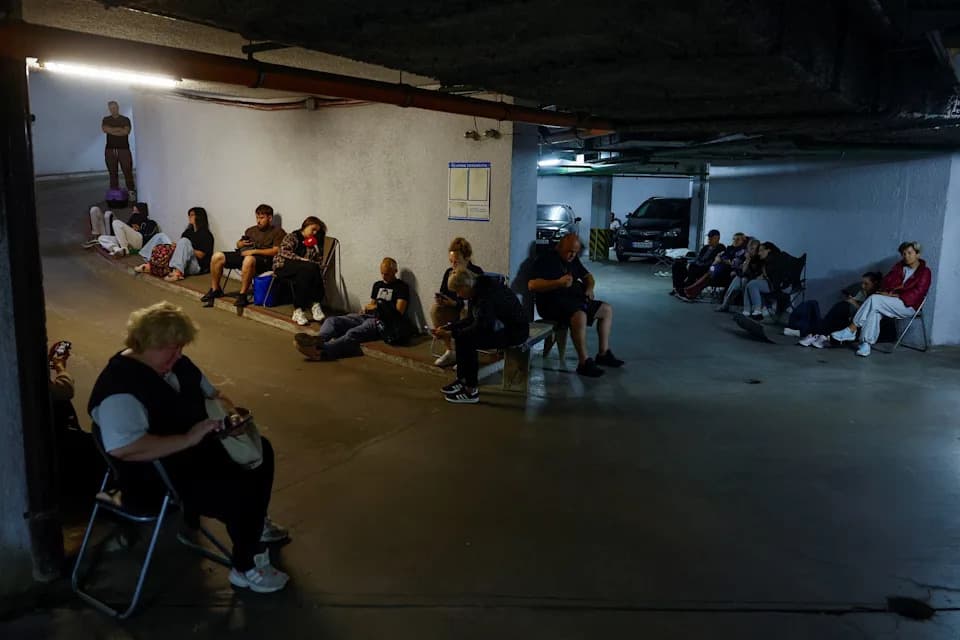
The new academic year in Kyiv began with many students attending classes in shelters as an air raid alert was in effect in the morning [Global Images Ukraine via Getty Images]
Natalia Bushkovska, 37, a mother of two, rehearses three nightly plans — bedding in a hallway, moving to a communal corridor, or heading to the basement. She keeps an emergency backpack with a tourniquet and a whistle; her nine-year-old has an emergency bag and first-aid training. "Because of the attacks, I don't get enough sleep," she says. "People are exhausted. They don't have enough time to recover."
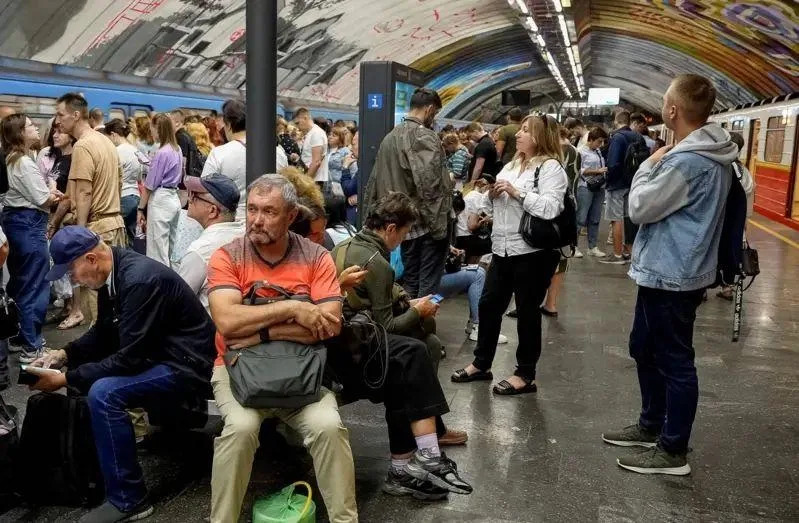
Commuters in Kyiv have become accustomed to long wait times as the metro is disrupted. [Reuters]
"You haven't even had time to fall asleep, and there's another alert… People don't sleep, and then they walk around like zombies." — Nadia Tsybina
Disruption to Daily Life
Daytime strikes have increased disruptions across Kyiv: schools and kindergartens have kept children in basements or at home, shopping centres close during alerts, and above-ground metro stations suspend service — often severing connections between the city's Left and Right Banks for hours. New metro operating rules aim to reduce chaos but commuting remains unpredictable and costly for many.

Neither Natalia nor her daughter can sleep through the nightly attacks [Natalia Bushkovska]
Mayor Vitali Klitschko reported that two children were wounded in attacks on 31 August. On 17 September, a ballistic missile attack injured 20 people in Kyiv, including two children aged 10 and 12.
Calls for More Air-Defence Support
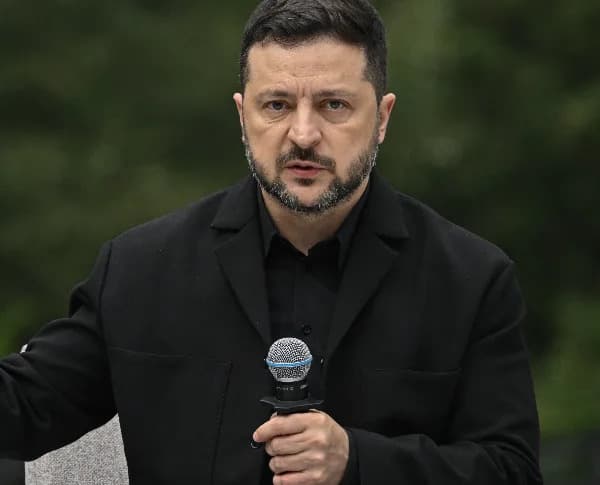
Ukrainian leaders, including President Volodymyr Zelensky, have repeatedly appealed for additional air-defence systems and interceptor missiles. Some residents express frustration at what they see as hesitation from allies to deliver the systems Kyiv says it needs to protect civilians.
Conclusion
As the war continues into its fifth year for many Ukrainians, the shift toward rapid ballistic strikes has shortened warning times, raised civilian casualties and wearied a city that once found ways to cope. For those who cannot leave — the elderly, the disabled, and low-income families — improvised precautions replace reliable protection, and the cumulative psychological impact is becoming a central concern.
Help us improve.