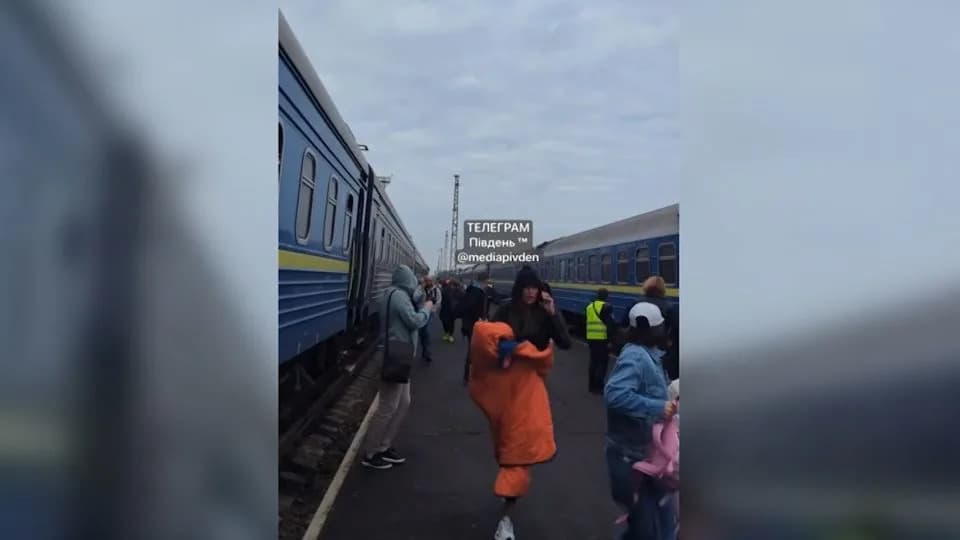
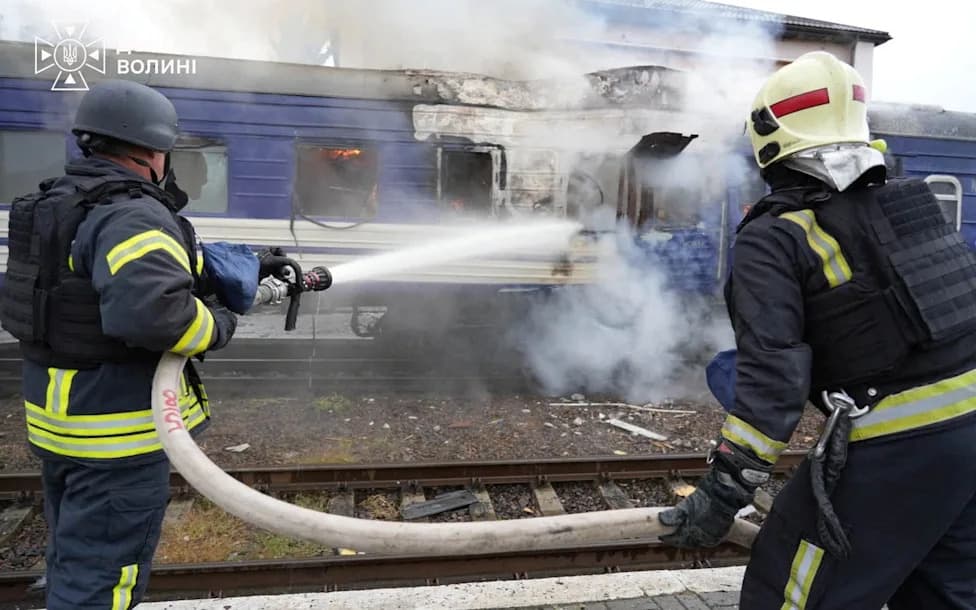
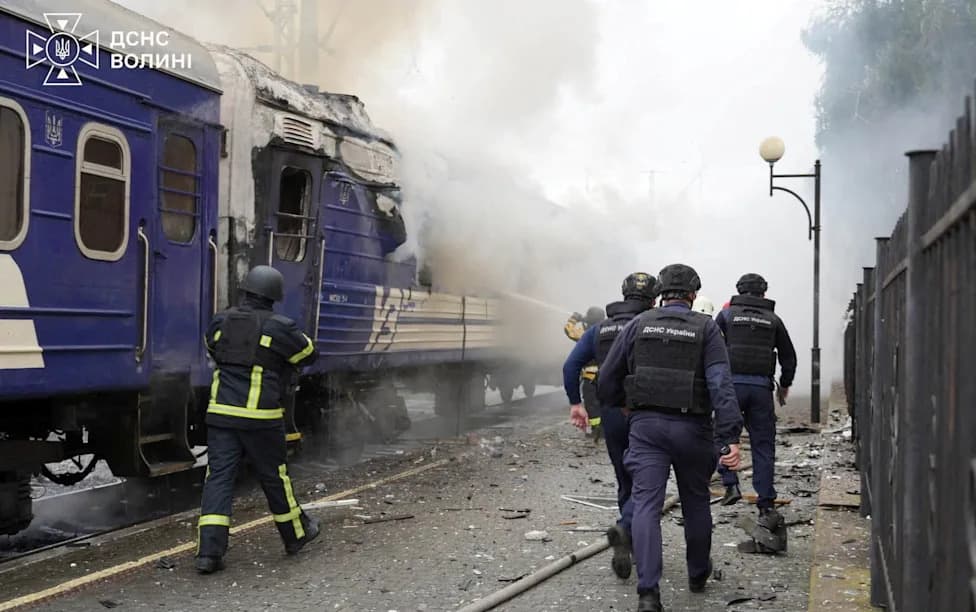
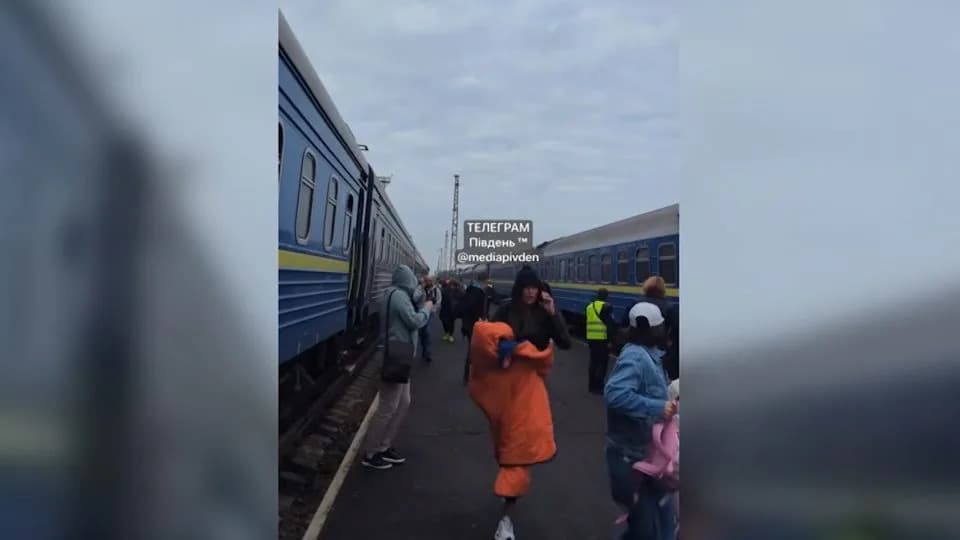
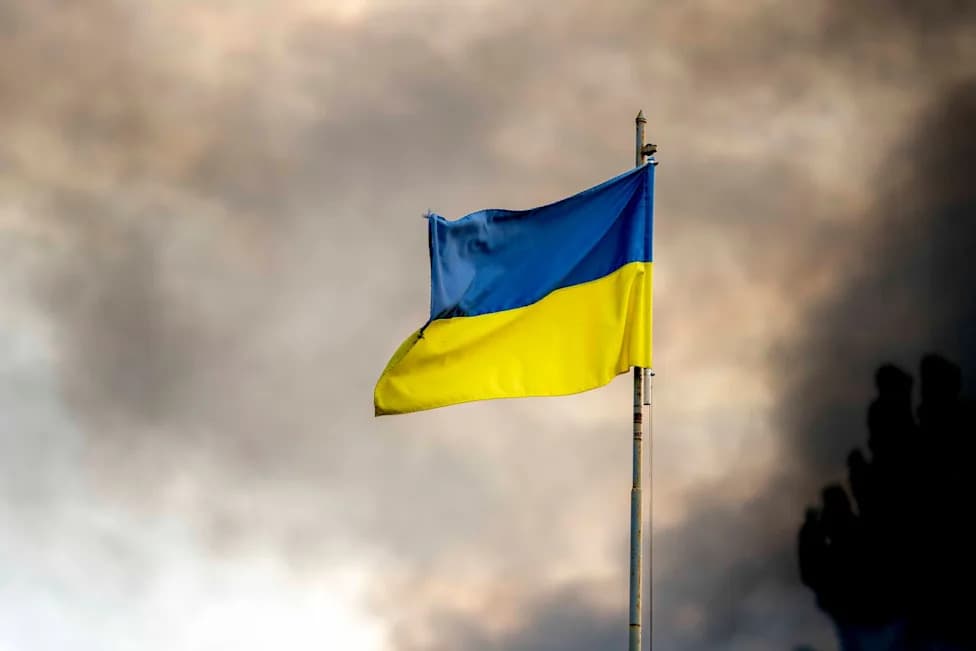
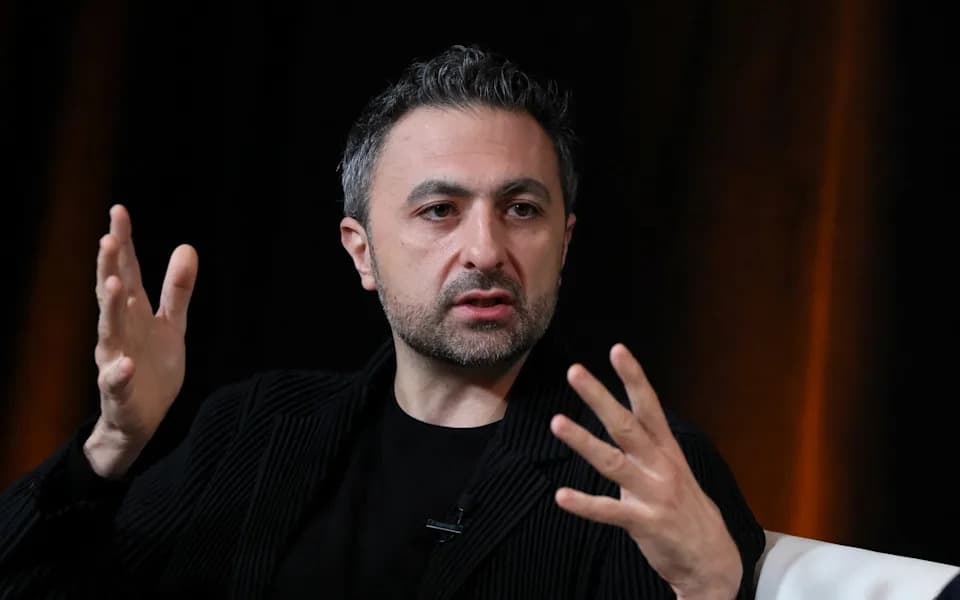
The Yahodyn rail-line strike involved a jet-powered Russian drone that detonated on a passenger locomotive near the Ukraine–Poland border, hitting the carriage immediately behind the one carrying former UK prime minister Boris Johnson and close to a train reportedly carrying ex-CIA director David Petraeus. Ukrainian Railways said the drone was detected and an evacuation alert issued about 15 minutes before impact, and suggested a diplomatic train may have been the intended target. Analysts say the attack could be a deliberate warning to visiting Western dignitaries rather than a focused assassination attempt, while Kyiv and Western officials call for accelerated air-defence deliveries and tougher measures against Russia.
Drone Strike on Yahodyn Rail Line: Assassination Attempt Or Warning To Western Dignitaries?
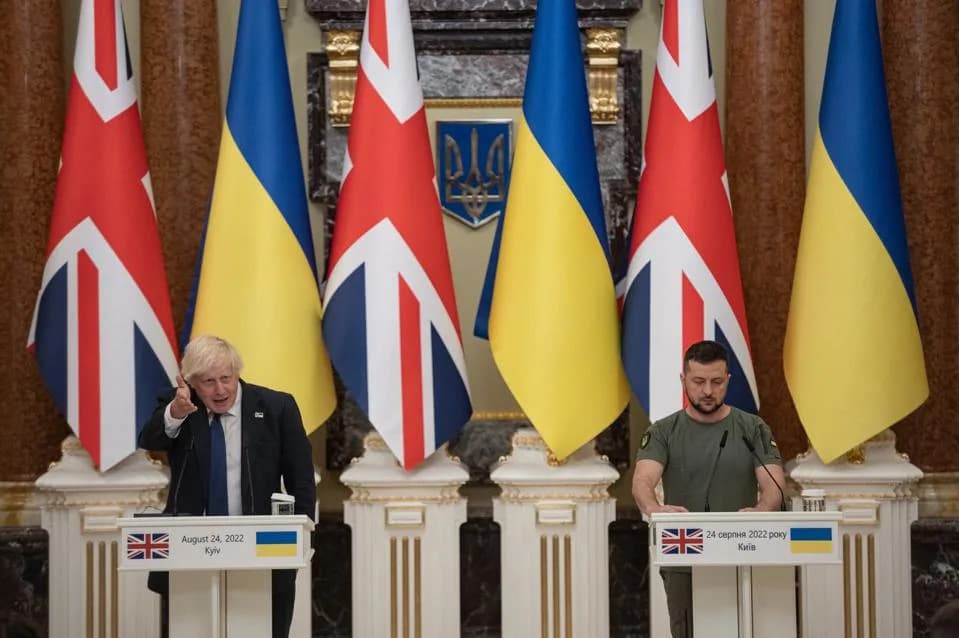
Then-British Prime Minister Boris Johnson summits with Ukrainian President Volodymyr Zelensky in Kyiv during the first year of Russia's invasion. Since then, the Kremlin has attempted to assassinate Zelensky, and might have similarly tried to kill Johnson with a recent airstrike hitting the rail line he was traveling on. (Photo by Alexey Furman/Getty Images)Getty Images
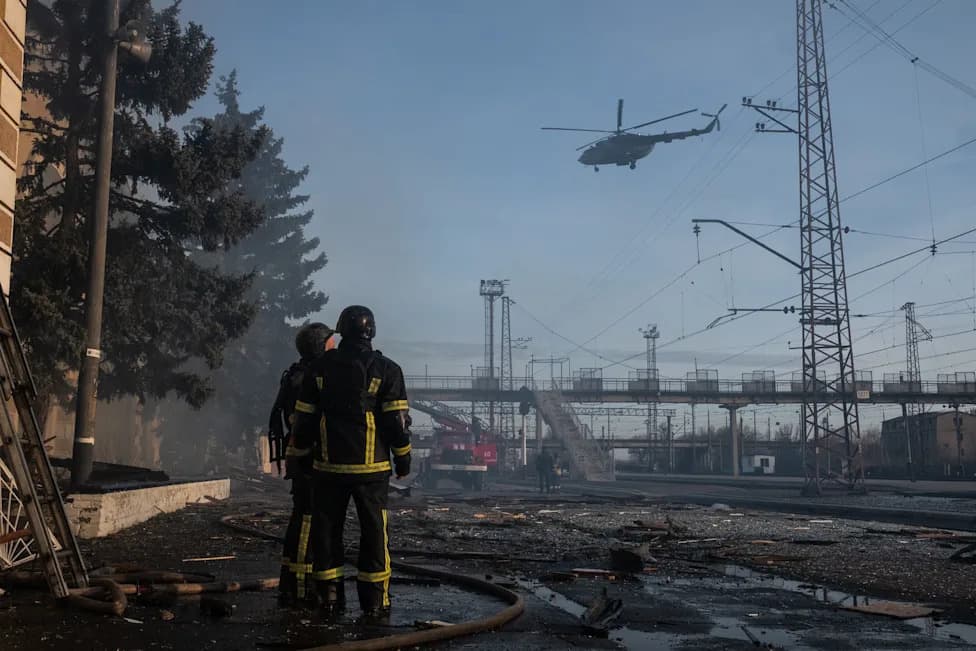
Weeks after Moscow warned it would retaliate against Britain for supplying aerial weapons to Ukraine, a Russian jet-powered drone detonated on a passenger locomotive on the Yahodyn rail line at the Ukraine–Poland border, striking the carriage directly behind the one carrying former UK prime minister Boris Johnson. The blast occurred close to another train that Ukrainian officials say carried former CIA director David Petraeus, raising immediate questions about whether the strike was a targeted assassination attempt or a deliberate message to visiting Western figures.
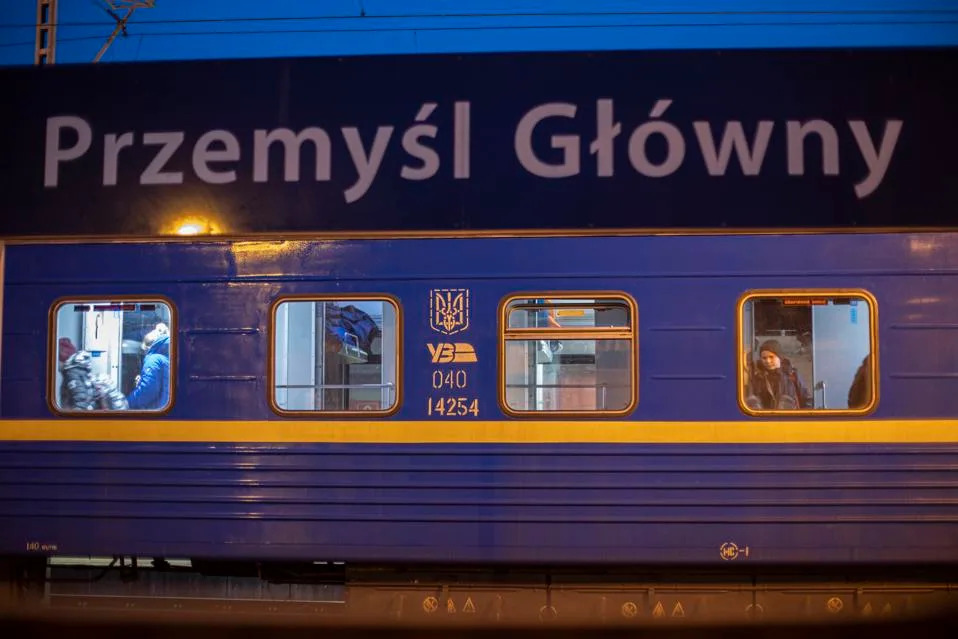
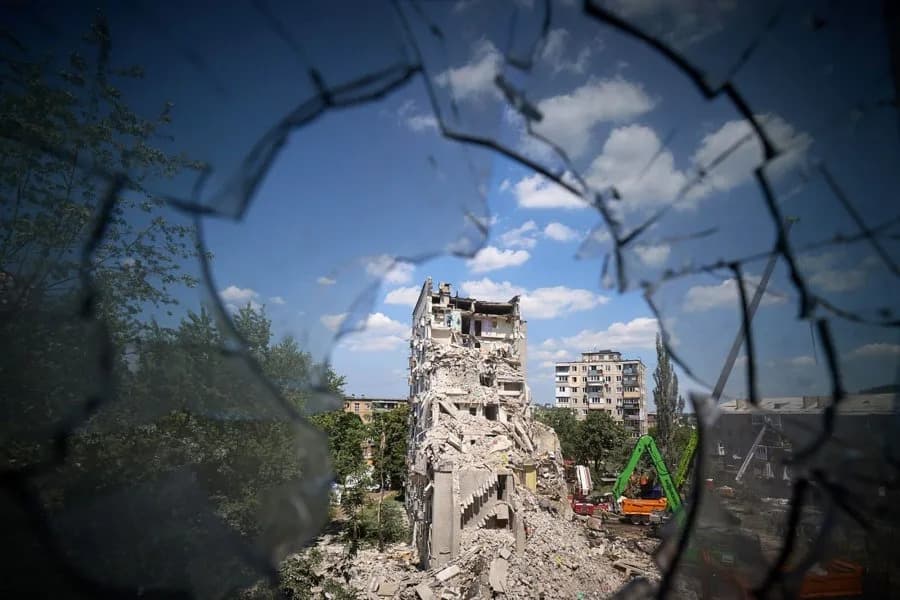
Millions of Ukrainians fleeing attacks by Russian tanks, jet fighters and drones have sought asylum by crossing the same Polish border outpost, on the same trains as the one just hit by Moscow's exploding drone. (Photo by Nicolas Economou/NurPhoto via Getty Images)
What Happened
Ukrainian Railways published a timeline saying a diplomatic train had been at Yahodyn station shortly before the locomotive was hit. According to the operator, the drone was detected and an evacuation alert was issued roughly 15 minutes before impact; managers also said the diplomatic train departed earlier than scheduled after routine timetable changes designed to reduce vulnerability to precision strikes.
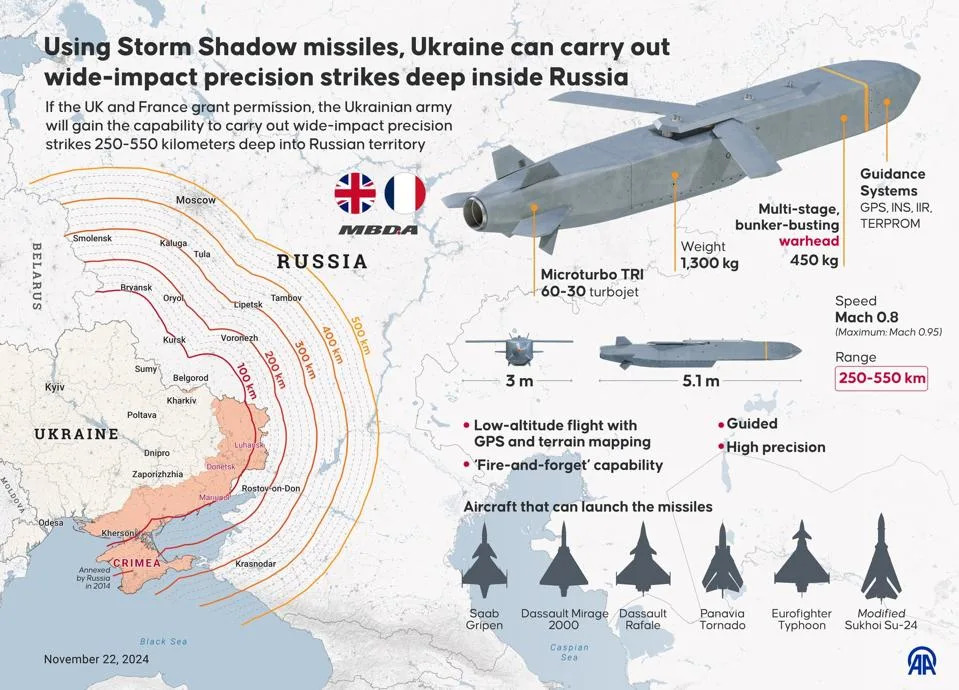
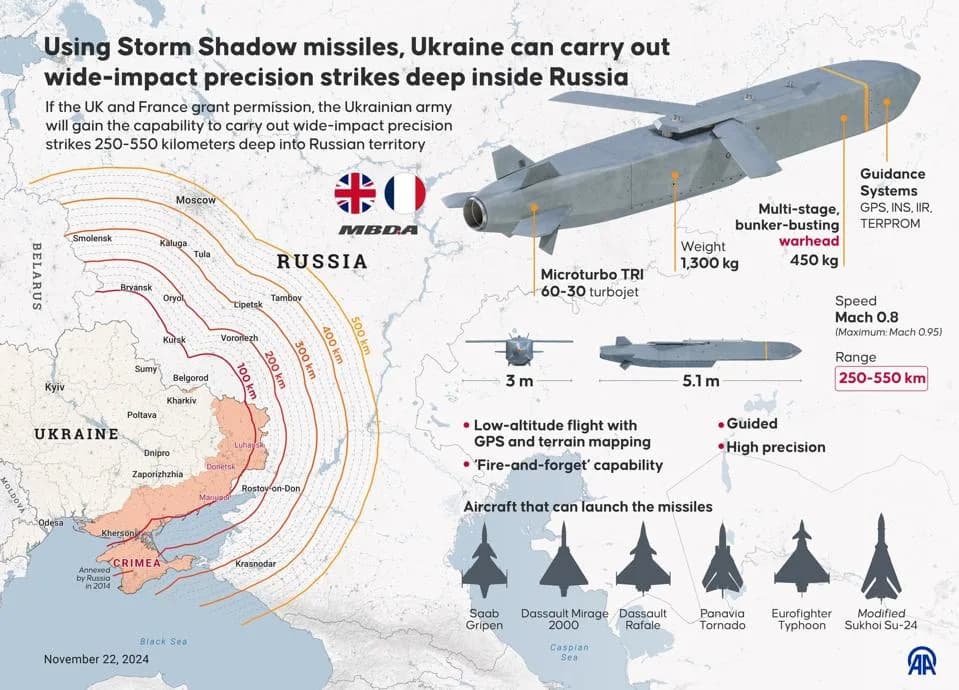
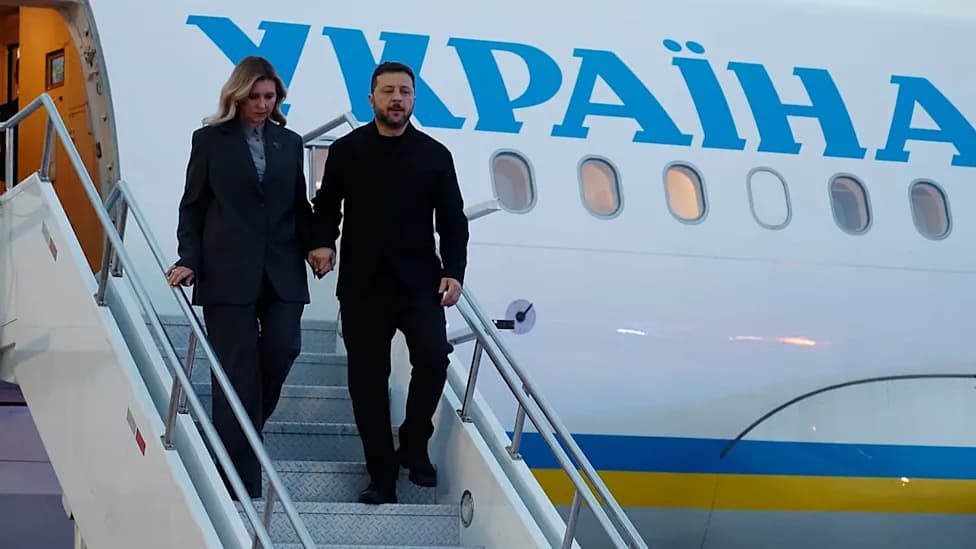
UK Prime Minister Andy Burnham touched down in Ukraine just weeks ago to hand-deliver blueprints for the besieged democracy to co-produce French-British Storm Shadow missiles, to launch precision strikes deep inside Russia. (Photo by Murat Usubali/Anadolu via Getty Images)
Who Was At Risk
Officials say the carriage behind the train carrying Boris Johnson took the strike. A separate train at the station reportedly carried security advisers and former officials, and Kyiv has said David Petraeus was on a nearby carriage at the time. Whether any of these individuals were the specific target remains unconfirmed.
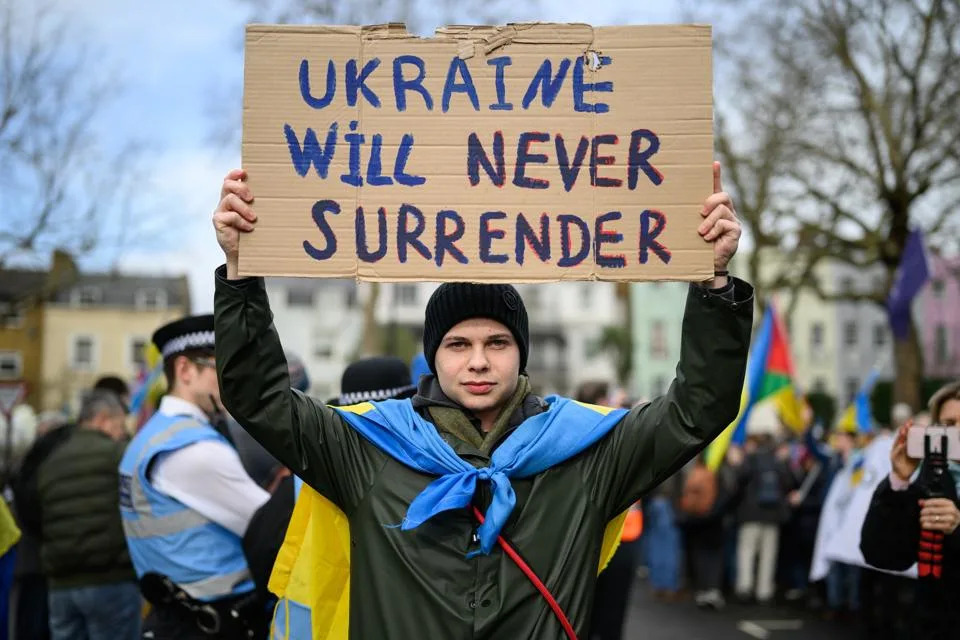
Pro-Ukraine protesters stage a march to the Russian Embassy in London. Putin's envoys at the embassy recently posted a provocative threat to all of Britain in retaliation for the UK's providing aerial weaponry to help Ukraine defend its democracy and independence. (Photo by Leon Neal/Getty Images)
Analysis: Warning Or Assassination?
Peter Dickinson, an analyst at the Atlantic Council, told the author that the attack may have been intended less as a precise assassination and more as a terror tactic aimed at intimidating high-profile Western visitors. "It could have been designed not necessarily to kill a particular person but to send a warning — to frighten visiting statesmen and convince them Ukraine is no longer safe to visit," Dickinson said.
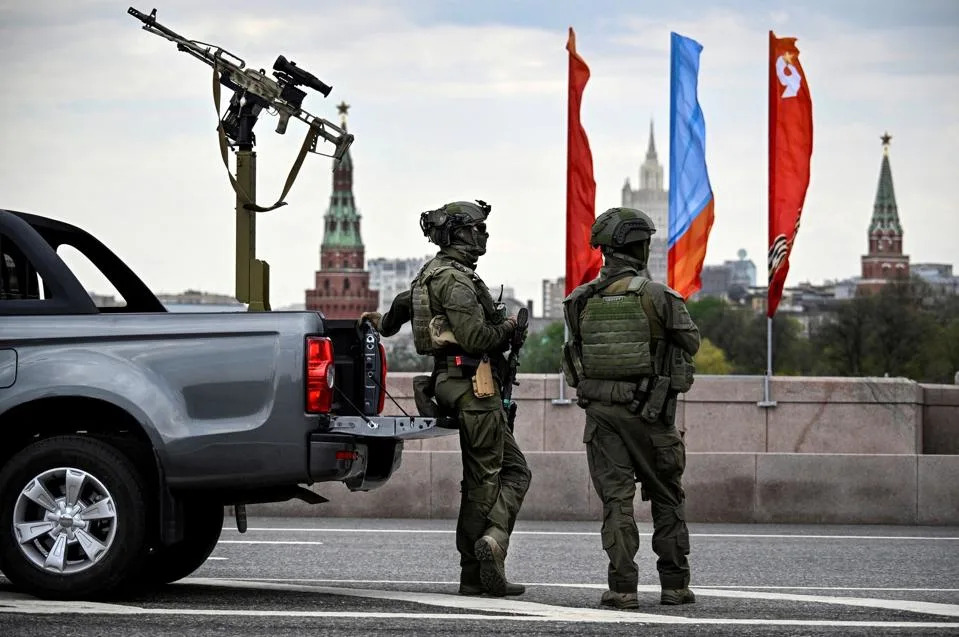
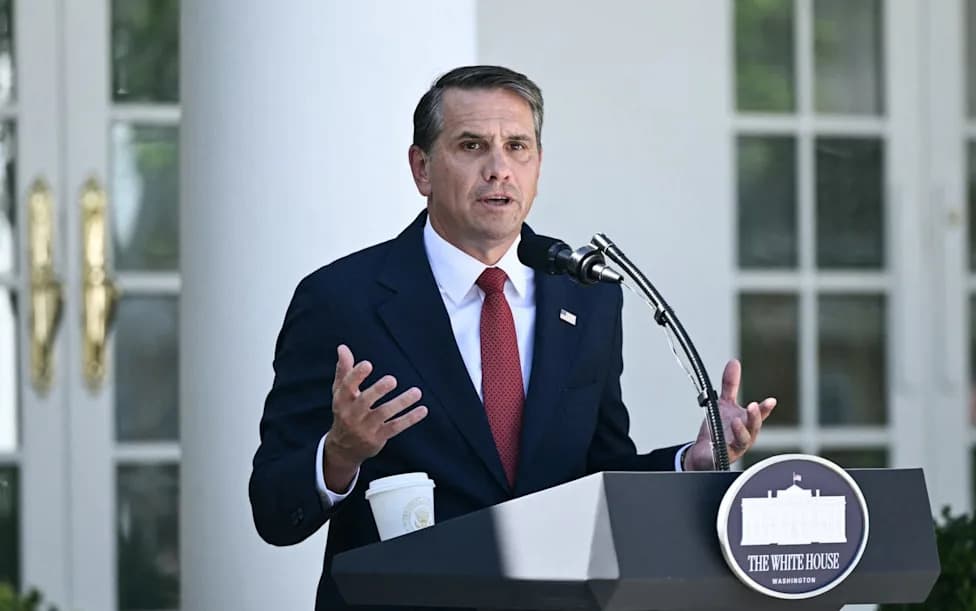
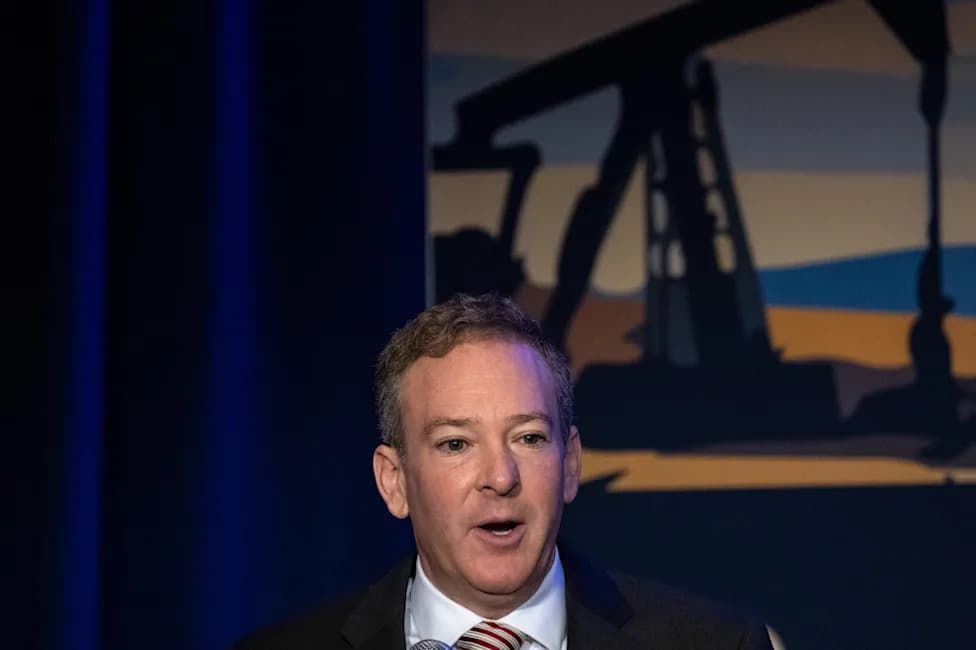
Kremlin spokesman Dmitry Peskov this week underscored Moscow's ability to harm or kill anyone on Ukrainian territory, including high-level statesmen. "Our military has been conducting operations across the entire territory of Ukraine and will continue to do so," he said in a new provocation. (Photo by Alexander NEMENOV / AFP via Getty Images)
"This is a classic example of Putin's gangster tactics," Dickinson added, arguing that such strikes can be used to intimidate opponents and undermine international support for Ukraine.
Kremlin Response And International Reactions
Kremlin spokesman Dmitry Peskov framed the operation as part of ongoing military operations across Ukraine, saying Russian forces would continue strikes on Ukrainian territory. Russian embassy statements to the UK had warned of consequences after Britain supplied aerial weapons to Kyiv.
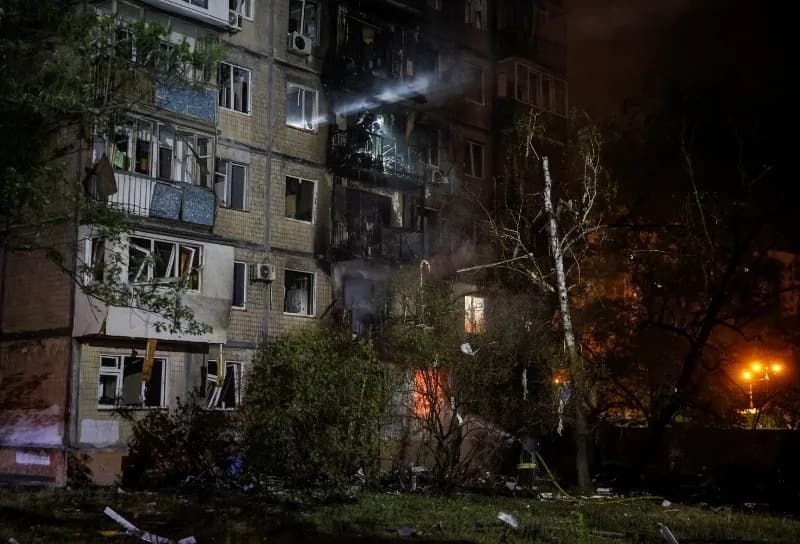
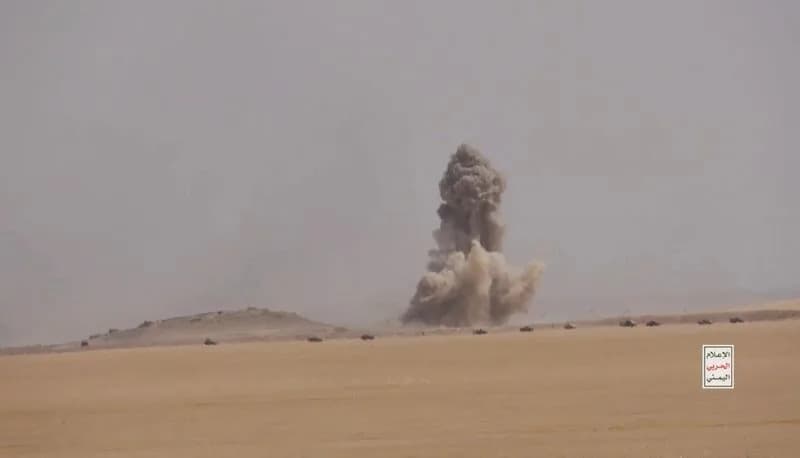
Moscow's missiles and killer drones now threaten not just Ukraine's citizens and statesmen, but also Western leaders summiting with their Ukrainian counterparts. NATO allies should race to provide the blitzed country with Raytheon's leading-edge PATRIOT missile interceptors. (Photo by John Tlumacki/The Boston Globe via Getty Images)
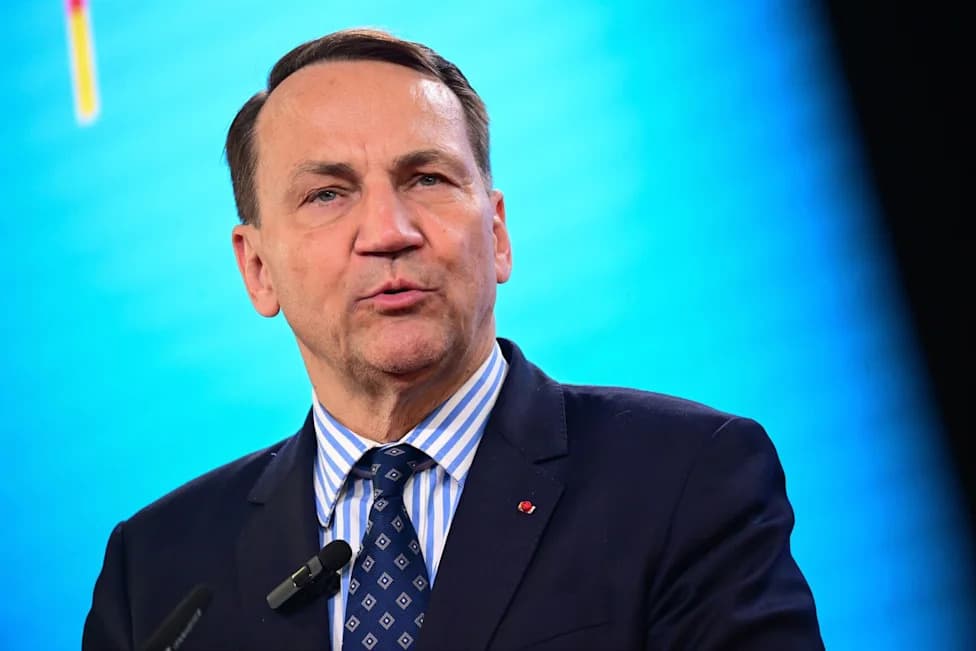
Ukrainian Foreign Minister Andrii Sybiha characterized the attack as "Putin's terror knocking directly on the doors of the EU and NATO," urging allies to respond with decisive measures — including tougher sanctions, trade embargoes and targeted steps against Russia's military-industrial base.
Calls For Stronger Defences
Analysts and Ukrainian officials have urged Western governments to accelerate delivery of advanced air-defence systems, including PATRIOT interceptors, and to increase the flow of weapons so Ukraine can better protect its population and visiting delegations. In parallel, UK political figures — including UK politician Andy Burnham, who recently visited Ukraine to deliver blueprints for local assembly of the Franco-British Storm Shadow cruise missile — underscore continuing UK support for Kyiv.
Wider Implications
Observers warn the strike sits within a pattern of hybrid and escalatory actions attributed to Moscow: explosive drones near Western infrastructure, cross-border missile incidents, and threats aimed at NATO partners. If the attack was intended to intimidate Western leaders, it risks drawing Kyiv's allies closer to the conflict and raising the stakes for NATO cohesion along its eastern flank.
At present, there is no definitive public evidence proving the strike was a targeted assassination attempt. Still, the incident has intensified debate over how far Russia is willing to go to deter Western assistance to Ukraine and how decisively NATO and EU states should respond.
Note: This article synthesizes official Ukrainian statements, expert commentary and public responses from Western and Russian officials. Attribution and details reflect those public sources; investigations and intelligence assessments may update the record in coming days.
Help us improve.