Iranian investigators say a covert network of intermediaries may have failed to return at least $1.6 billion in oil proceeds, sparking renewed scrutiny of the country's sanctions-era financial channels. Authorities have opened 59 criminal cases and sought Interpol notices for dozens of suspects; one intermediary is accused of fleeing with about $200 million. U.S. officials have reiterated efforts to pressure networks that use front companies to move Iranian oil revenue, while a full public accounting remains pending.
Iran Investigates $1.6 Billion Shortfall in Oil Revenues Linked to Secret Trustee Network
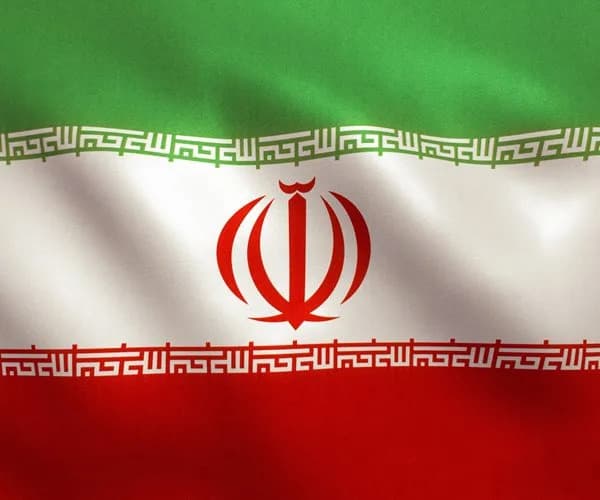
(Dreamstime)
Iranian authorities are probing allegations that at least $1.6 billion in oil revenue, managed through a covert network of intermediaries often called "trusties" or "trustees," was not remitted to the state. The disclosures have renewed scrutiny of Tehran’s methods for moving funds around international sanctions.
The report, first publicized by Iran International in July, cites senior officials who say intermediaries in the network allegedly misappropriated at least $1.6 billion and that some of those intermediaries have left the country. These intermediaries include both companies and individuals charged with receiving and transferring proceeds from Iranian oil sales outside the conventional international banking system.
Zabihollah Khodaeian, head of Iran’s State Inspection Organization, told state television that a single intermediary failed to return roughly $200 million before fleeing Iran.
Authorities have opened 59 criminal cases involving managers of trustee companies, and prosecutors have reportedly sought Interpol Red Notices for 15 fugitives, according to Iran International. Subsequent reporting says Iranian investigators continued pursuing cases tied to the trustee system, including an August arrest of an alleged intermediary accused of more than €300 million (roughly $350 million) in banking debt.
Majid Reza Hariri, head of the Iran-China Chamber of Commerce, has publicly questioned how the intermediaries were selected and supervised. "Who introduced these trusties? Who guaranteed them? And why is no action being taken against those who backed them?" he asked, alleging that some intermediaries absconded with "billions of dollars" of national wealth. Hariri's broader estimate has not been independently verified.
"Some trustees have betrayed the country," Khodaeian said, according to state media.
The case highlights the wider role of intermediaries, front companies and overseas financial channels that Iran has relied on as sanctions restricted the ability of Iranian banks to operate in the global financial system. The U.S. Treasury has said it will continue to target such networks, describing Iranian oil sales as often routed through an "array of front companies" to generate revenue despite sanctions.
"The Treasury Department will continue to increase pressure on Iranian oil sales to deprive the Iranian regime and its military of the financial resources it needs to threaten U.S. allies and partners in the Middle East," Treasury officials said in May. "We will not allow the Iranian government to increase its oil revenue for the purpose of reconstituting its armed forces and military capabilities."
Investigations are ongoing. Officials have not released a complete public accounting that establishes precisely how much money was lost or who is ultimately responsible. The developments have prompted calls for tighter oversight of the trustee system and for legal action against those who allegedly facilitated or benefited from the missing funds.
Help us improve.