The U.S. Treasury has expanded aviation sanctions targeting 27 Iranian airlines—most notably Mahan Air—and designated nine international firms and several cargo agents accused of helping Tehran sustain its fleet. OFAC also suspended three aviation authorizations that had permitted overflights and the operation of U.S.-origin aircraft into Iran. Officials say the measures are intended to deepen Iran’s economic isolation and hinder military logistics, while critics warn ordinary Iranians will bear much of the economic pain.
U.S. Treasury Broadens Aviation Sanctions to Ground Mahan Air and Isolate Iran

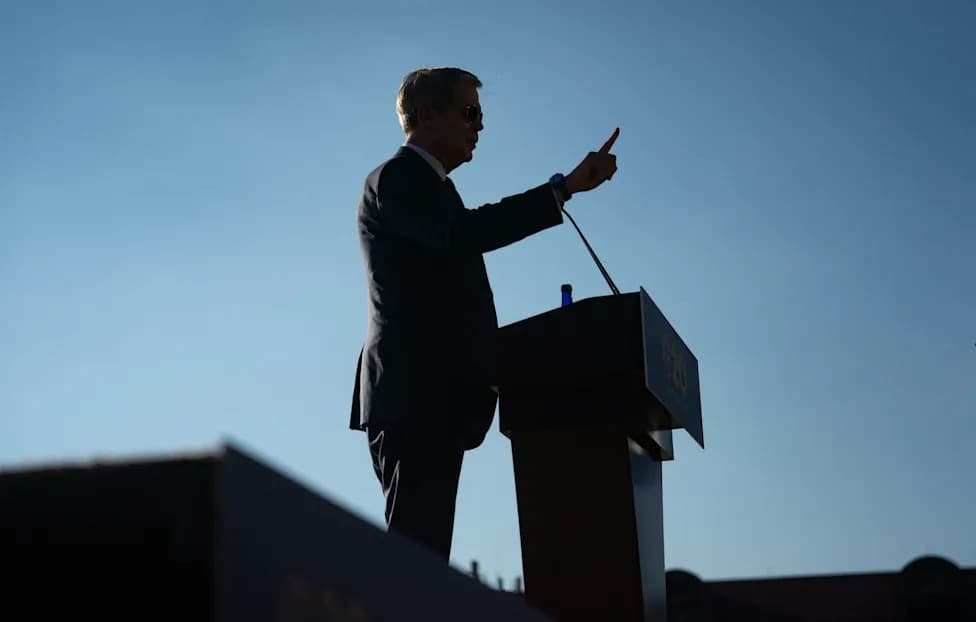
U.S. Treasury Secretary Scott Bessent speaks at a G20 summit in Asheville, North Carolina, on Sept. 1, 2026. —Peter Zay—Getty Images
The U.S. Treasury on Tuesday announced a sweeping expansion of aviation-related sanctions aimed at severing Iran’s air links and pressuring Tehran economically. The measures—part of the administration’s so-called "Operation Economic Outcast"—target 27 Iranian airlines, key overseas service providers and several aviation authorizations that previously allowed non-U.S. carriers to operate U.S.-origin aircraft into Iran.
What the Sanctions Target
The Treasury’s Office of Foreign Assets Control (OFAC) designated 27 Iranian carriers, with a particular focus on Mahan Air, which the U.S. first sanctioned in 2011 and which is also subject to EU restrictions. U.S. officials say Mahan Air has long been accused of transporting personnel, equipment and funds for Iran’s Islamic Revolutionary Guard Corps (IRGC).
OFAC also suspended three Iran-related aviation authorizations that allowed overflights and permitted non-U.S. airlines to fly U.S.-origin or U.S.-controlled commercial aircraft into Iran. Treasury Secretary Scott Bessent said the latest steps "build on OFAC’s April and July actions targeting persons servicing Mahan Air’s domestic and international flights."
International Reach
In a move designed to extend the penalties beyond Iran’s borders, the Treasury designated nine internationally based entities alleged to have helped Mahan Air sustain operations by providing goods, services or deceptive transshipment routes to obtain U.S.-origin aircraft and sensitive technology.
- Designations include two commercial firms and one individual in the United Arab Emirates, one firm in Turkey and one in the U.K.
- Four cargo providers and general sales agents accused of servicing Mahan Air were sanctioned: two in Turkey, one in Kazakhstan and one in Malaysia.
"Let this be a warning to anyone doing business with Iran's remaining airlines, all of which we sanctioned," Treasury Secretary Scott Bessent said. "You are at risk of being cut off from the global financial system."
Reactions and Geopolitical Context
Experts say the international scope of the sanctions is intended to intensify Iran’s economic isolation, degrade its military logistics and pressure Tehran to negotiate an end to hostilities. Jack Roush, affiliated with the Iranian History Initiative at the London School of Economics, described the measures as designed to "push them to some kind of a concession or settlement that favors the United States."
Sanam Vakil, director of the Middle East and North Africa programme at Chatham House, warned the measures "will exacerbate challenges that Iran already faces in maintaining its fleet," noting the country’s heavy reliance on foreign entities to service aging aircraft.
Iranian officials denounced the move. Iran’s U.N. ambassador, Gholamhossein Darzi, called the sanctions "economic terrorism" and "collective punishment," while Foreign Minister Abbas Araghchi criticized the effort as yet another round of sanctions after decades of pressure.
Related Financial Measures and Wider Impact
The aviation sanctions come amid additional U.S. actions against foreign banks accused of facilitating Iranian transactions. On Aug. 28, the Treasury sought to cut Egyptian Banque Misr’s UAE-based branches off from the dollar-based financial system; the bank said it was reviewing the notice. Days later, the Treasury sanctioned Turkey’s Golden Global investment bank and two subsidiaries over allegations of enabling transfers of oil revenues to Iran—allegations Golden Global called "entirely unfounded."
Analysts note these financial actions are notable because they extend pressure to institutions in U.S. partners and neighbors, testing how willing third-country businesses are to risk U.S. penalties in order to continue trade with Iran.
Economic Consequences for Iran
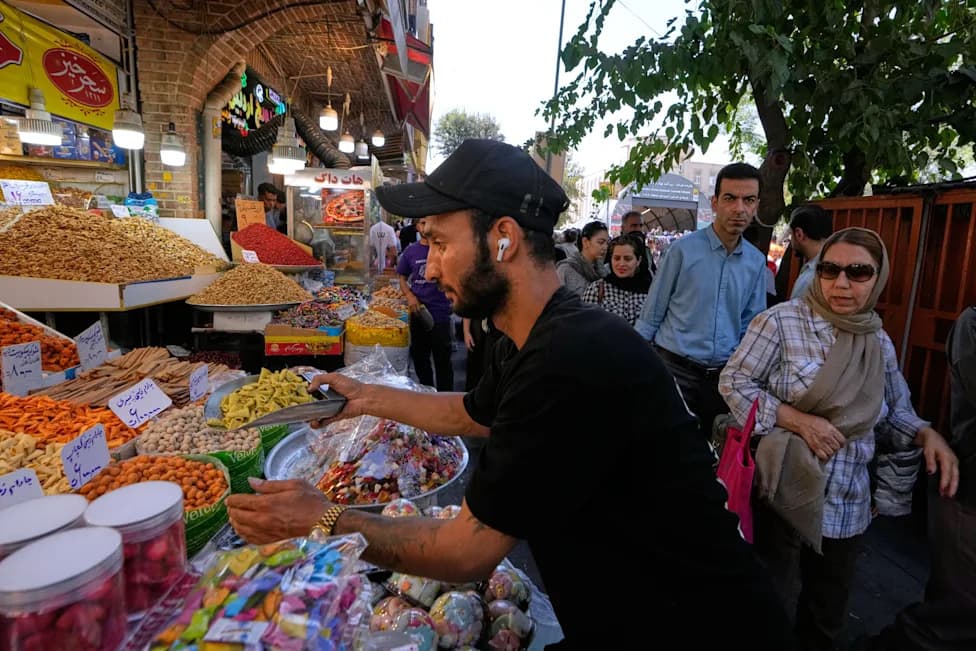
Iran is already experiencing acute economic stress. On Sep. 10 the rial plunged to a record open-market low of 2.34 million rials to the dollar. Inflation has surged and, according to the Statistical Center of Iran, the country lost roughly 630,000 manufacturing jobs in Q1 2026. Observers warn that further isolation of aviation and banking links will deepen supply-chain problems and increase costs for ordinary Iranians.
"Ultimately, the Iranian people are likely to suffer, because the regime will continue its predatory practice of absorbing the economic resources of the country and channeling it toward its military efforts," Roush concluded.
What Comes Next
The effectiveness of these measures will depend on how international carriers, logistics firms and banks respond. U.S. officials have signaled they will continue to pursue and penalize third-party entities that support Iran’s aviation network. Observers say sustained diplomatic pressure and enforcement will be required to limit Iran’s workarounds, and that the humanitarian and civilian economic fallout will remain a central concern.
Help us improve.