Key Takeaway: Iran’s leadership warns of worsening economic pain and threats to social cohesion as intensified U.S. sanctions and maritime enforcement deepen shortages and financial isolation. Trade is estimated down 25–35%, the rial has fallen to about 2.2 million per USD, inflation tops 80%, and gasoline stocks may last roughly two months. Officials call for urgent remedial action even as analysts warn the regime may endure prolonged hardship while suppressing dissent.
Iran Warns Of Deepening Economic Strain And Risks To Social Cohesion As U.S. Pressure Intensifies
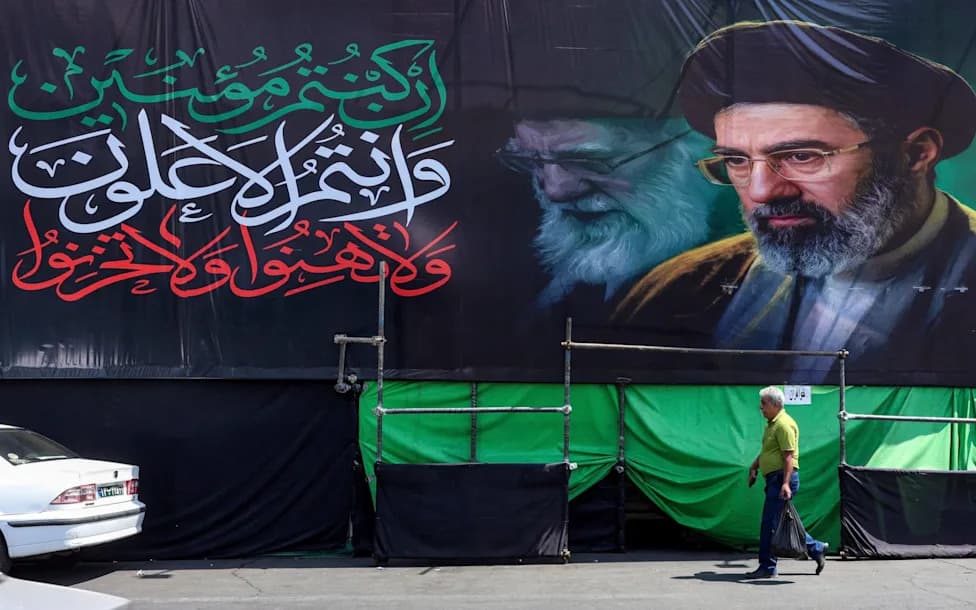
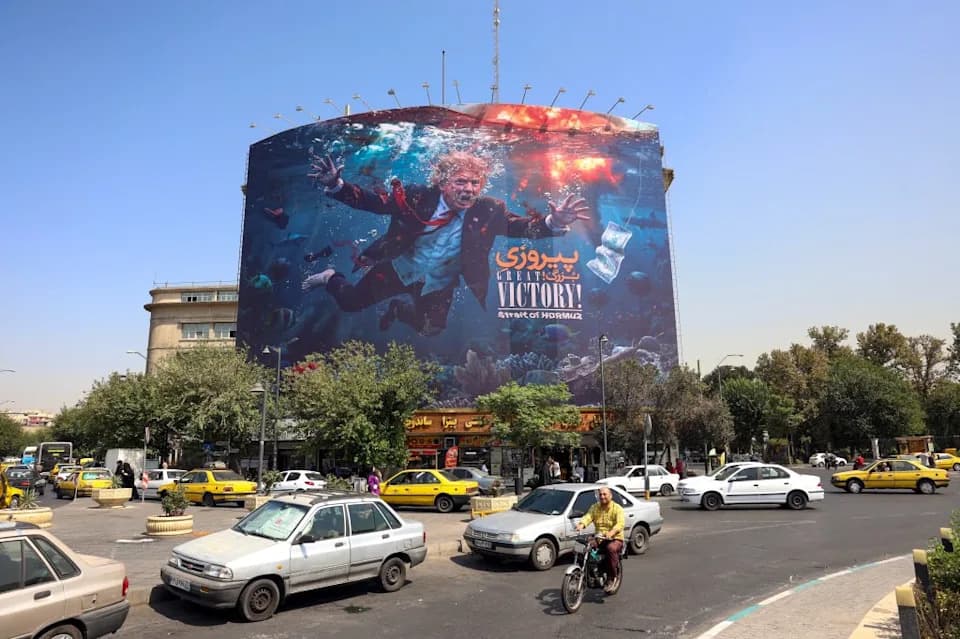
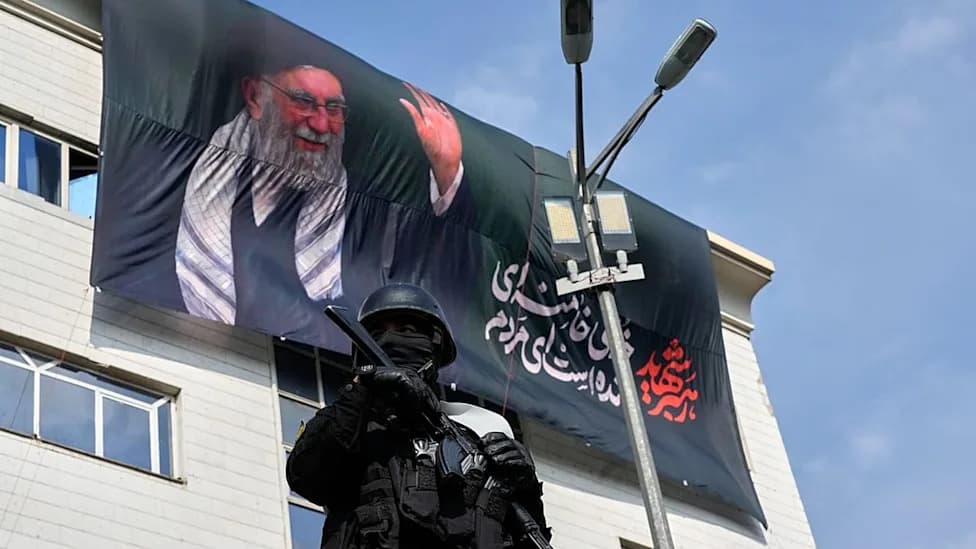
A banner depicting Iran's current supreme leader Mojtaba Khamenei and his late father Ali Khamenei along a road in Tehran on June 30, 2026.
Iran’s ruling elite continues to exert tight political control, but mounting U.S. economic pressure and tightened enforcement are taking a growing toll on everyday life and social stability.
Supreme Leader Ayatollah Ali Khamenei issued a written statement late last month, urging officials to avoid actions that "harm social cohesion" and discouraging "discouraging statements that weaken national and public motivation," Reuters reported. The appeal underscores concern at the highest levels about the public impact of the economic crisis.
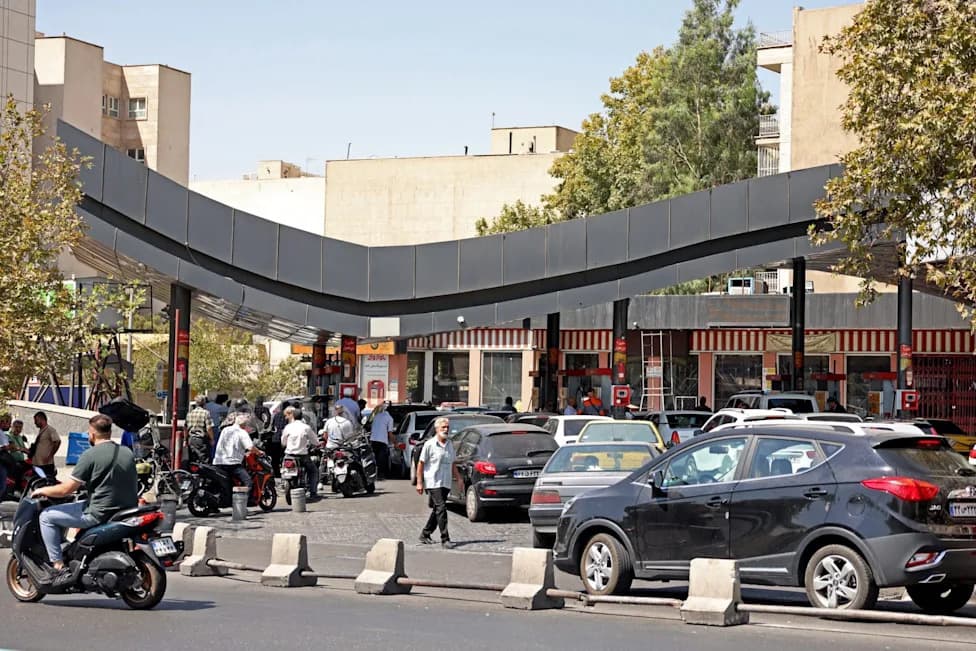
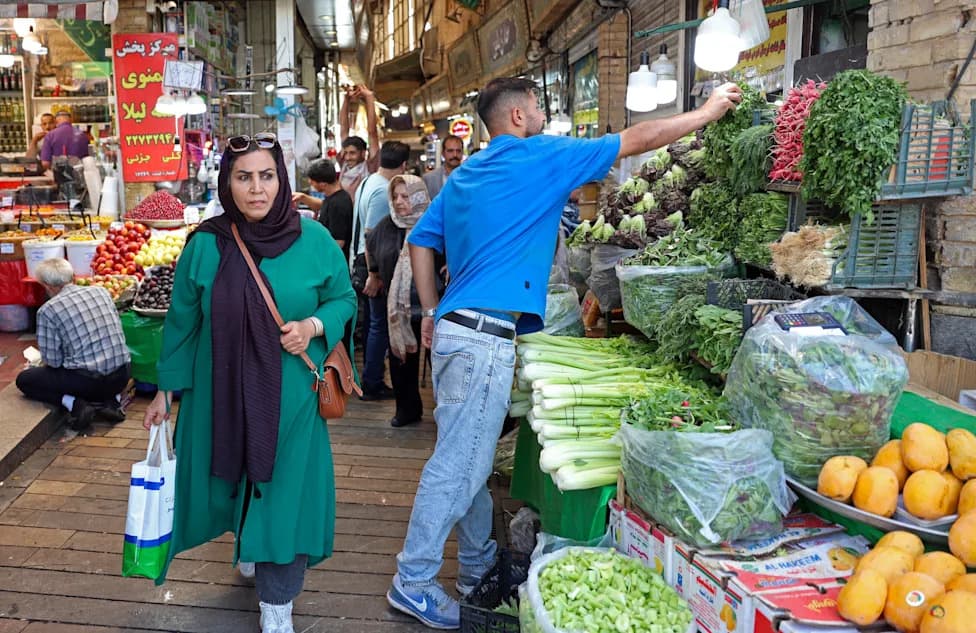
Economic hardship — including long queues at gas stations and localized protests — has risen since last year’s currency collapse and a surge in inflation that triggered nationwide unrest and a harsh government crackdown. Although mass demonstrations have not returned to the scale seen in January, living conditions have continued to deteriorate amid sanctions and tighter efforts to block Iran’s access to foreign financing and imports.
"There is the need to seriously address the chain of economic and livelihood challenges, such as inflation, unemployment, management of prices and the market for goods and services,"Khamenei said, calling for concrete steps to stabilize markets and protect livelihoods.
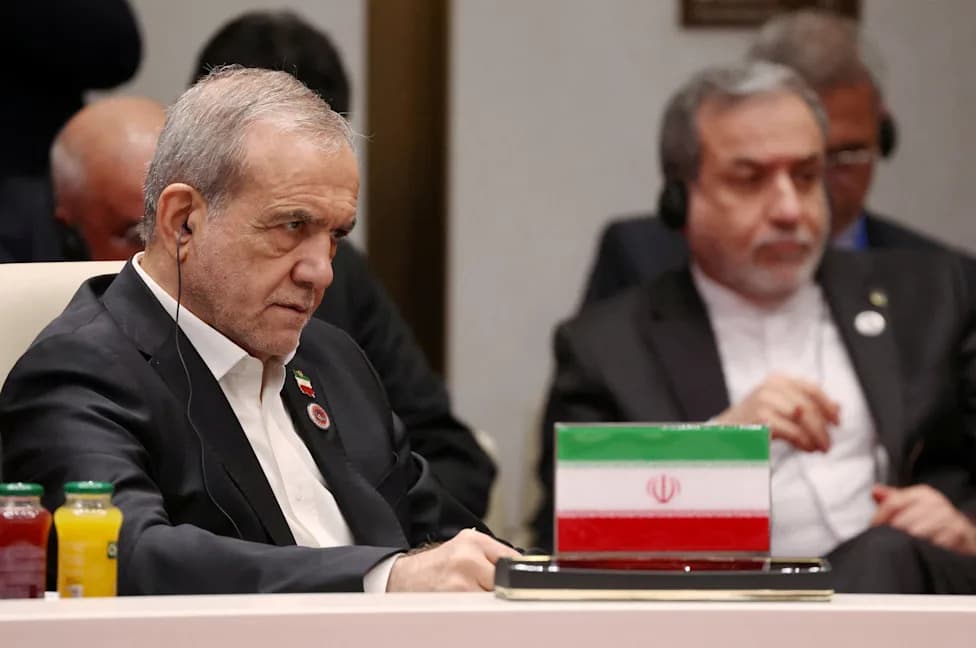
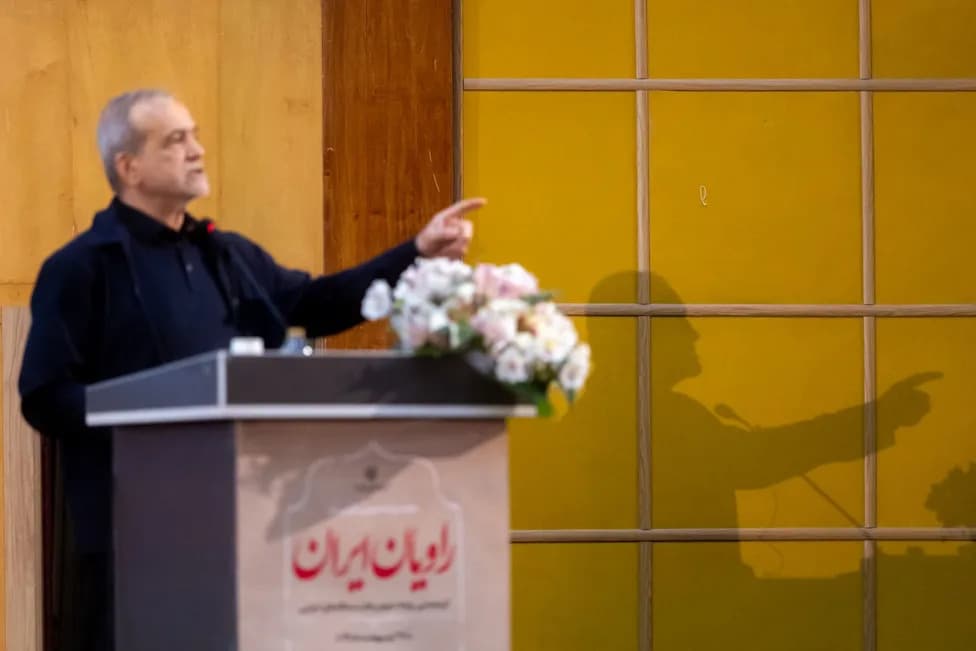
President Masoud Pezeshkian also acknowledged serious economic problems in an interview with state media, estimating that Iranian trade has fallen by roughly 25%–35% and noting that imports have dropped far more than exports. He rejected public claims that sanctions have little or no effect: "Saying that sanctions have no effect is not consistent with these facts," he said.
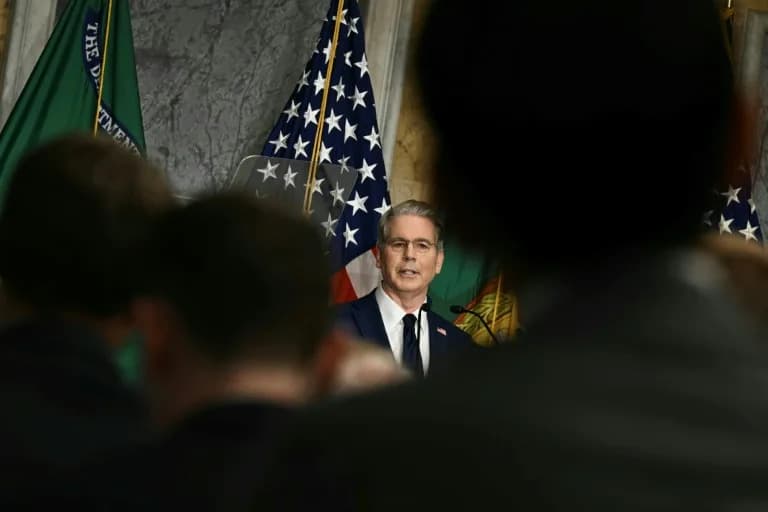
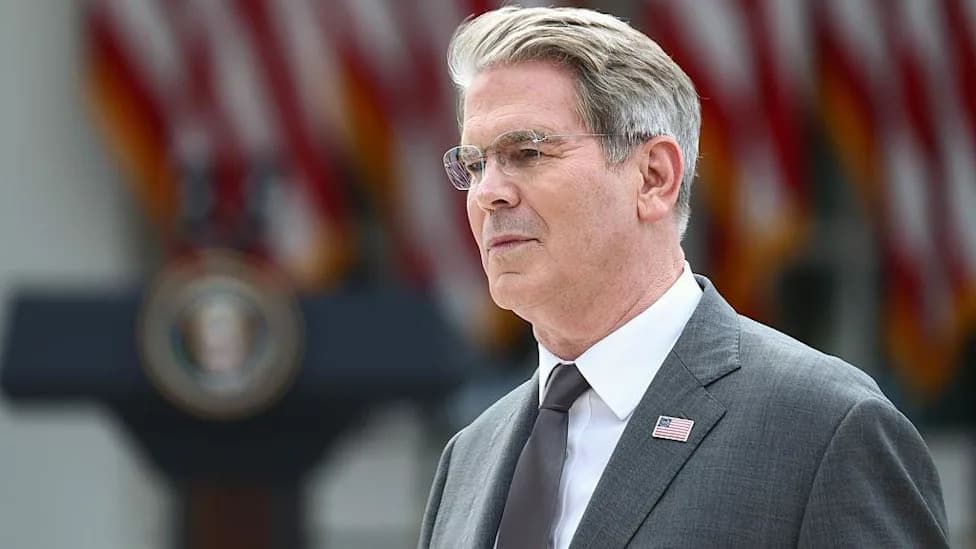
The U.S. has escalated its campaign to tighten sanctions enforcement. Treasury Secretary Scott Bessent described an "economic D-Day" of measures designed to shut the channels that helped Tehran evade restrictions — a move intended to further curb oil revenues and choke off critical imports. Senior Iranian sources told Reuters that the tightening blockade and enforcement are becoming increasingly difficult for Tehran to withstand, particularly efforts to cut Iran off from international financing networks.
One senior source said Iran has only about two months of gasoline stocks remaining, due in part to limited domestic refining capacity. The rial has slid to roughly 2.2 million per U.S. dollar, down from about 1 million a year earlier. Inflation is reported above 80%, and prices for some staples have roughly doubled.
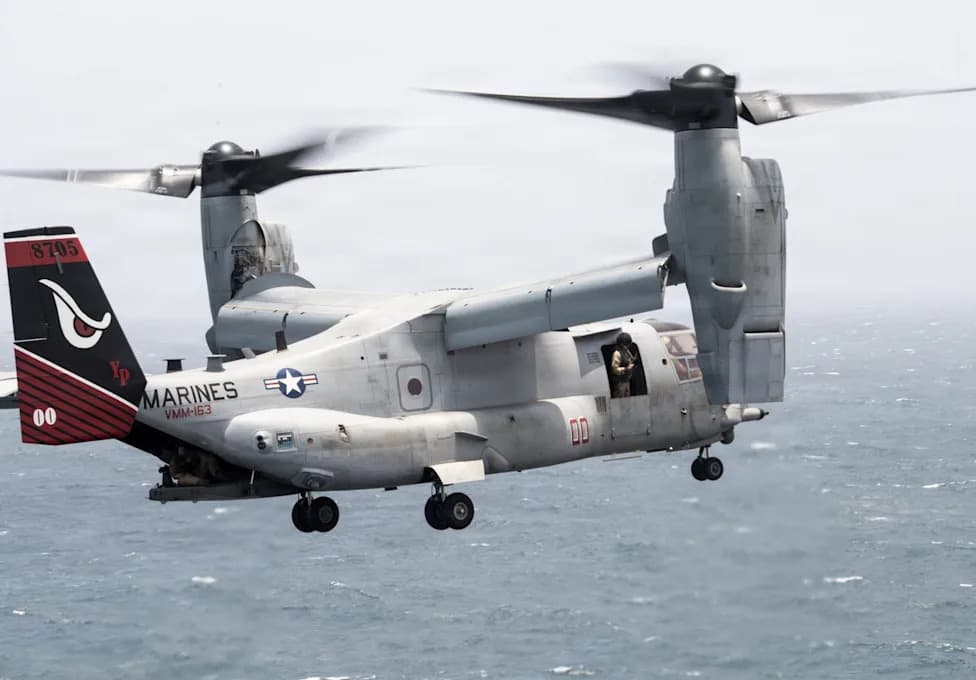
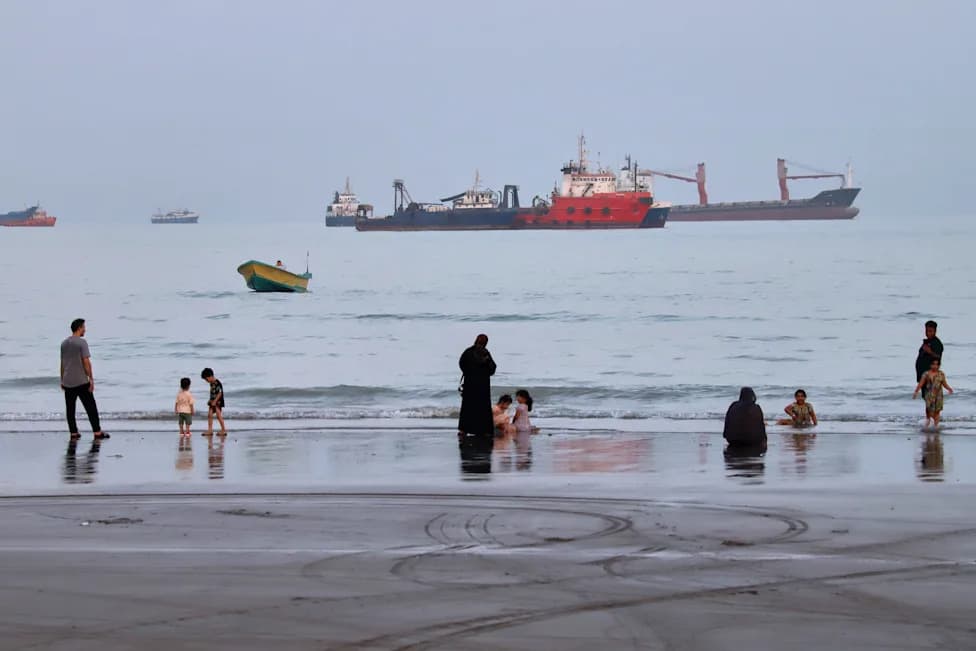
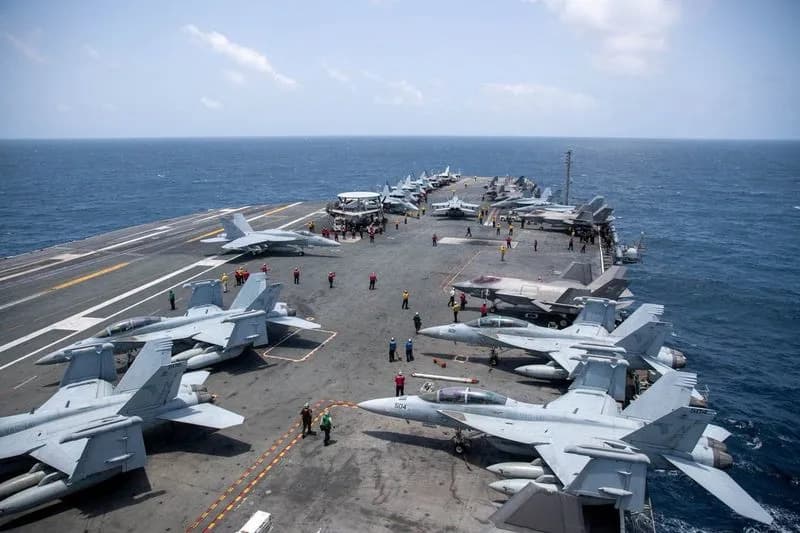
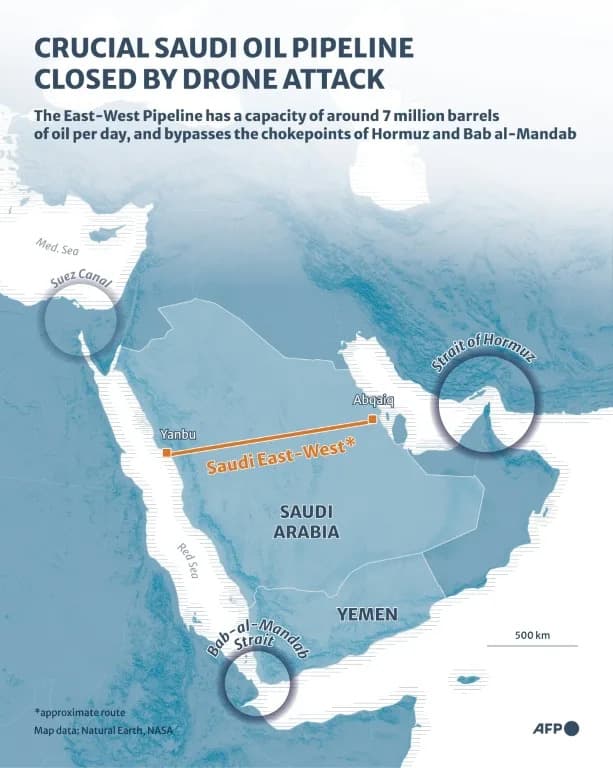
Analysts caution that Iran’s leadership may be prepared to endure prolonged economic pain and suppress dissent rather than cede control, making popular suffering an uncertain catalyst for political change. The effectiveness of U.S. economic pressure also depends on sustained naval and diplomatic efforts: the U.S. Navy is escorting tankers and enforcing maritime rules in the Gulf to limit Iran’s ability to disrupt shipping and to uphold the blockade, a long-term mission that could strain resources.
In a Fox News Sunday interview, Energy Secretary Chris Wright said the Navy has improved defenses against Iranian attacks and that other countries have offered help, while stressing that no other country matches U.S. military capacity in the region.
Outlook: Iran faces mounting economic hardship — a collapsing currency, runaway inflation, dwindling fuel stocks and reduced trade — while the government struggles to manage public morale and prevent unrest amid intensified international pressure.
Reporting based on Reuters; this version adapted from an original report featured on Fortune.com.
Help us improve.