The U.S. Treasury on Sept. 17 sanctioned BitBank, an Iranian cryptocurrency exchange it says is controlled by billionaire Babak Zanjani and used to transfer transit fees collected from ships in the Strait of Hormuz. The move also targets BitBank's developer, Pishtaz Simorgh Electronic Trade Company, and three Zanjani associates, freezing their U.S. assets and broadly banning transactions with U.S. persons. Officials said the action is part of "Operation Economic Outcast," aimed at cutting off Iran's access to external funding and countering alleged IRGC-financing via cryptocurrencies.
U.S. Sanctions Iranian Crypto Exchange BitBank Over Alleged Hormuz Transit Fee Transfers

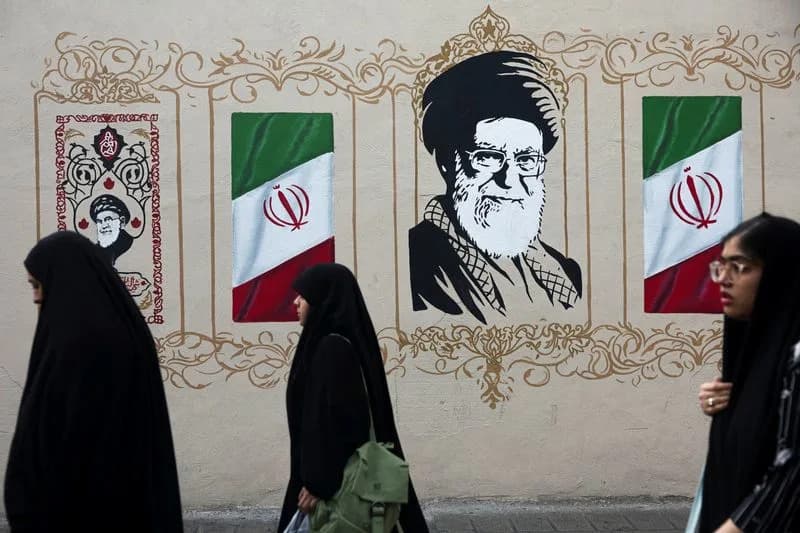
The United States on Thursday sanctioned an Iranian cryptocurrency exchange used to process payments from vessels seeking safe passage through the Strait of Hormuz. File Photo by Ismael Mohamad/UPI
On Sept. 17, the U.S. Treasury announced sanctions targeting BitBank, an Iranian cryptocurrency exchange it says is controlled by U.S.-designated billionaire Babak Zanjani. Treasury officials allege BitBank was used to move payments collected from vessels transiting the Strait of Hormuz.
What the Treasury Says
The Treasury Department said BitBank processed substantial volumes of funds for entities linked to the Islamic Revolutionary Guard Corps (IRGC). It added that the Hormuz Safe Marine Services Authority used BitBank to transfer fees it collected from ships for passage through the Strait of Hormuz beginning in June, after that authority came under U.S. sanctions.
Alongside BitBank, the Treasury designated the platform's developer, Pishtaz Simorgh Electronic Trade Company, and three associates of Babak Zanjani: Hossein Ali Zaker Hossein (69), Mohammad Mahdi Zaker Hossein (45) and Seyed Adel Heidari (51). The designations freeze all U.S. property and interests in the property of the named parties and generally prohibit U.S. persons from doing business with them.
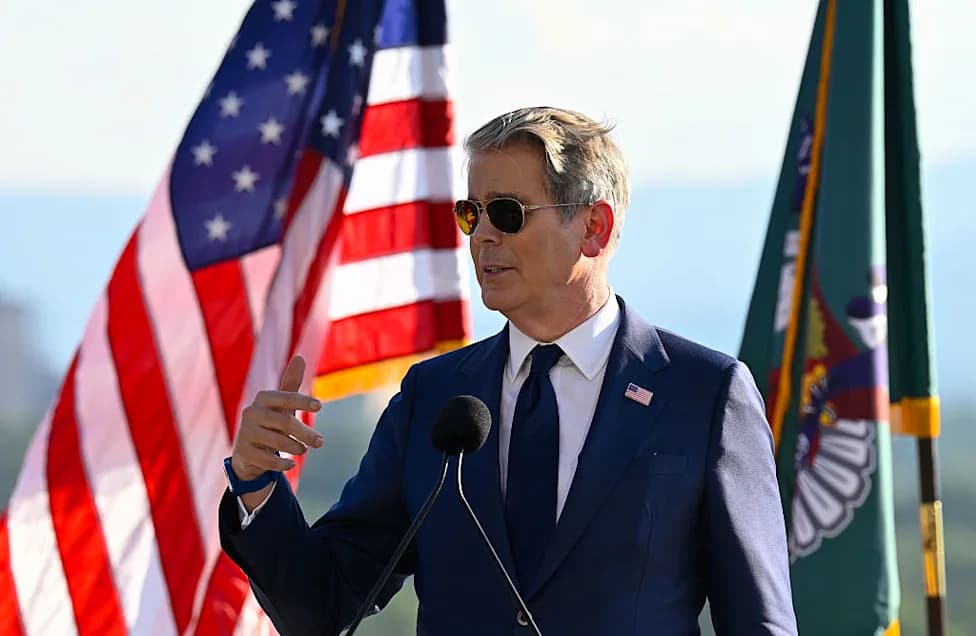
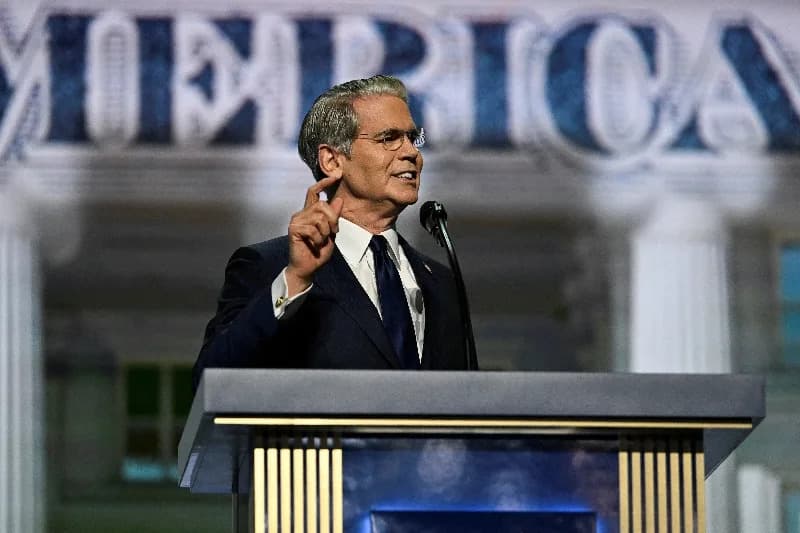
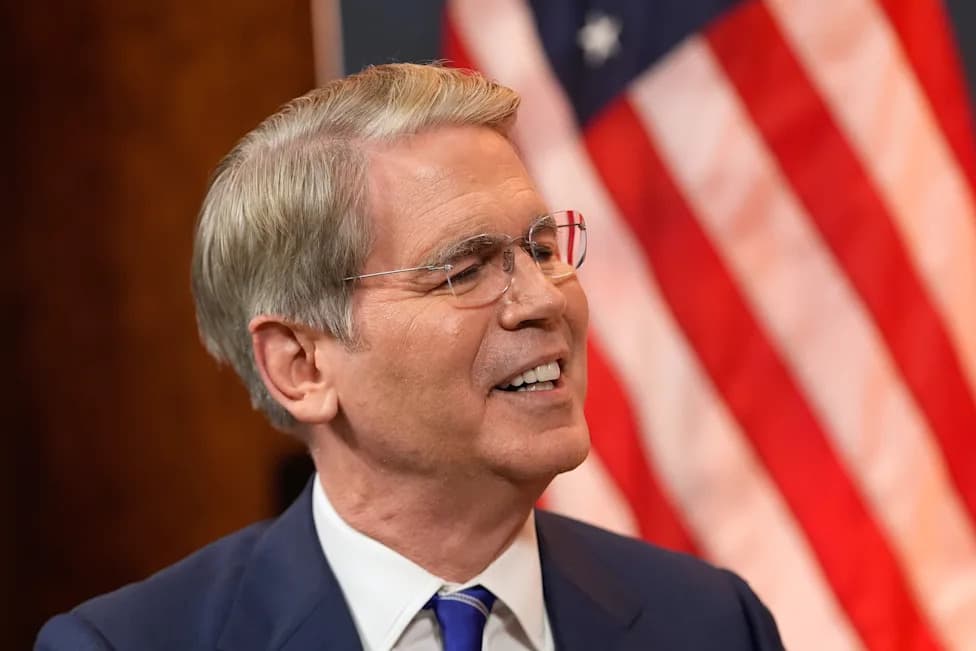
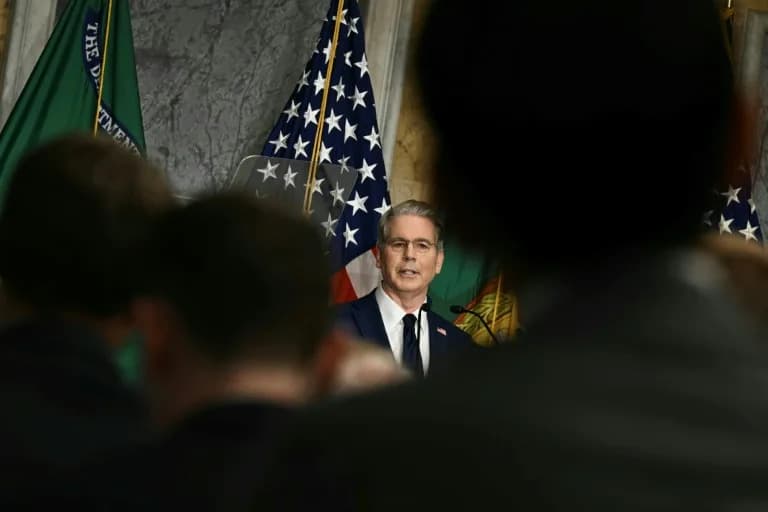
"Today's designations of Iranian digital asset infrastructure make perfectly clear that efforts to finance the Iranian regime using cryptocurrencies are not beyond [the Office of Foreign Assets Control's] reach," Treasury Secretary Scott Bessent said in a statement.
Background And Wider Context
The Treasury said the sanctions are part of President Donald Trump's "Operation Economic Outcast," announced Aug. 24, which seeks to sever Iran's access to foreign funding and increase economic pressure on Tehran. U.S. officials have repeatedly cited concerns that cryptocurrencies can be used to move funds that benefit IRGC-linked organizations.
The article also places the sanctions in a broader security context: since Feb. 28, a war (as described in previous reporting) has impaired maritime traffic through the Strait of Hormuz, a vital global energy shipping route. U.S. officials say they have supplemented sanctions with military measures to restore freedom of navigation; despite U.S. claims that the route is open, daily vessel transits remain a fraction of pre-war levels.
"The United States remains committed to denying the Iranian regime and the IRGC access to the resources they use to threaten regional stability, support terrorism and undermine international security," U.S. State Department spokesperson Thomas Pigott said in a statement.
These designations add to a series of actions the Trump administration has taken in recent months to target individuals and entities it says facilitate Iran's access to funds and to pressure Tehran diplomatically and economically.
Help us improve.