Treasury Secretary Scott Bessent warned that U.S. sanctions and a naval blockade could leave Iran with "nothing" to trade within about two weeks, saying only some 15 million barrels of Iranian oil remain at sea. Bessent defended "Operation Economic Outcast," an initiative to sever Iran's remaining external economic ties, and said oil flows through the Strait of Hormuz have largely recovered to about 15–22 million barrels per day. Tehran has offered a seven-day ceasefire in exchange for roughly $12 billion in frozen assets and sanctions relief; President Trump rejected the proposal. The administration says the pressure is intended to ensure Tehran honors any future agreement.
Bessent: U.S. Sanctions Could Leave Iran With 'Nothing' to Trade Within Two Weeks
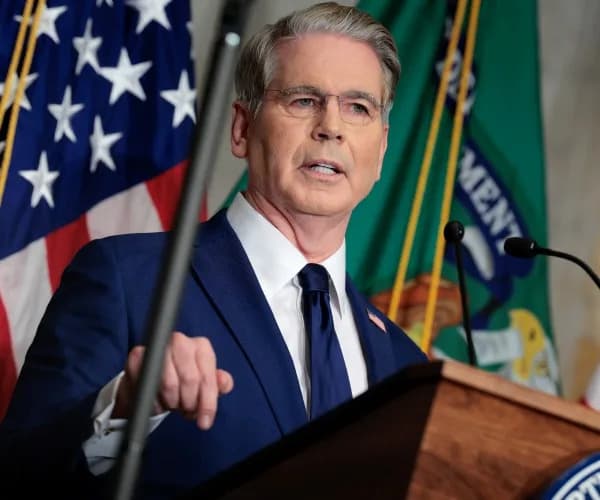
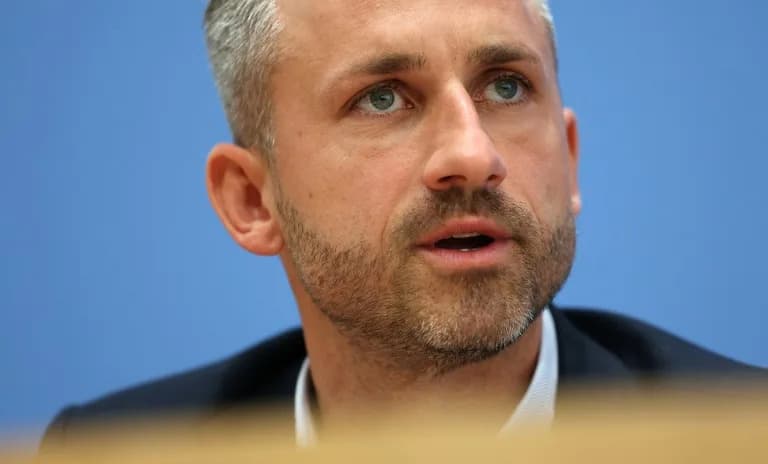
Treasury Secretary Scott Bessent (Chip Somodevilla/Getty Images)
Treasury Secretary Scott Bessent said on Sunday that mounting U.S. sanctions and a naval blockade could strip Iran of anything of value to trade within about two weeks by choking off the country's remaining oil exports.
“I am confident, given that there's only 15 million more barrels of Iranian oil on the water, that Iran will have nothing left to trade for anything,” Bessent said in an interview. “Probably within the next two weeks, they are going to make their final deliveries of oil to China, and then they will have nothing. It is an empty set.”
What Bessent Announced
Bessent defended the administration's campaign, saying it is designed to isolate the Iranian regime economically and compel compliance with any future agreement. Last month, the Treasury unveiled "Operation Economic Outcast," a broad effort aimed at severing Iran's remaining economic ties to the outside world and increasing pressure on Tehran.
Diplomatic Offer and U.S. Response
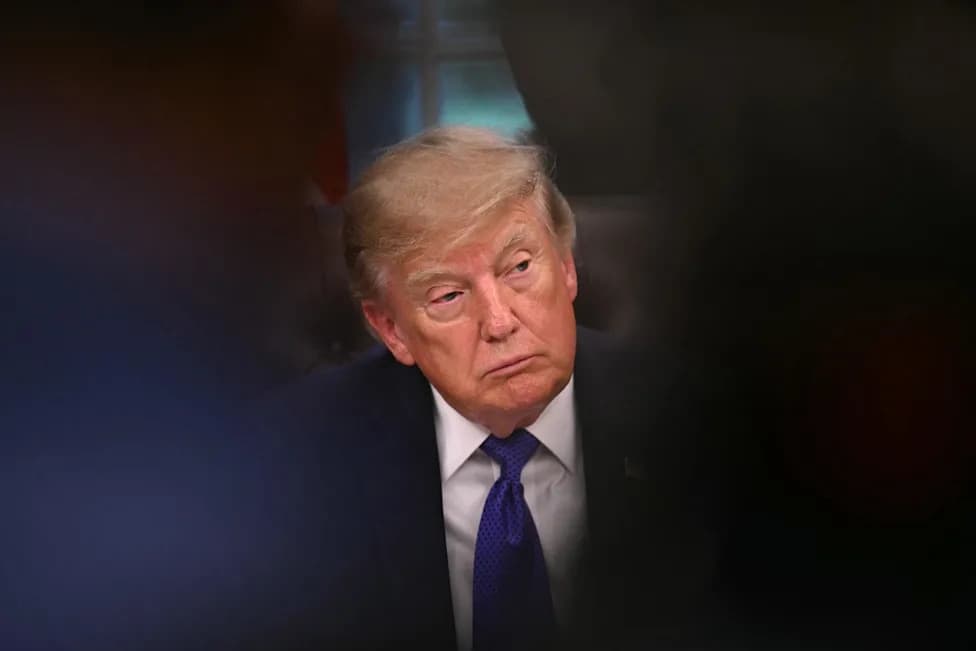
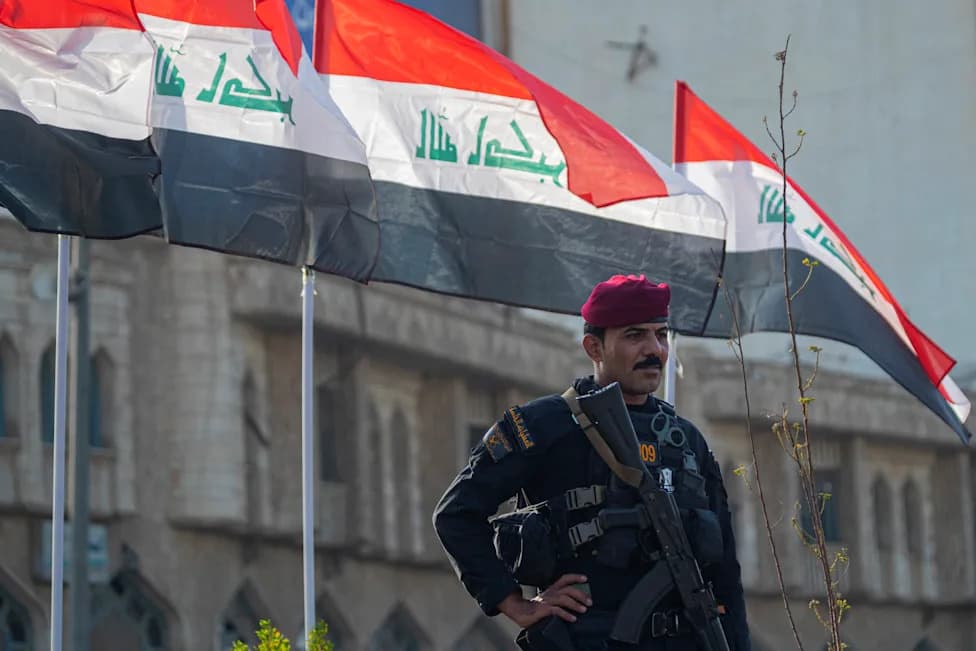
Tehran has proposed a seven-day ceasefire that would reopen the Strait of Hormuz in exchange for roughly $12 billion in frozen assets, the lifting of the naval blockade and relief from oil sanctions. President Donald Trump rejected the package as unacceptable, according to White House remarks cited by Bessent.
Strait of Hormuz and Oil Flows
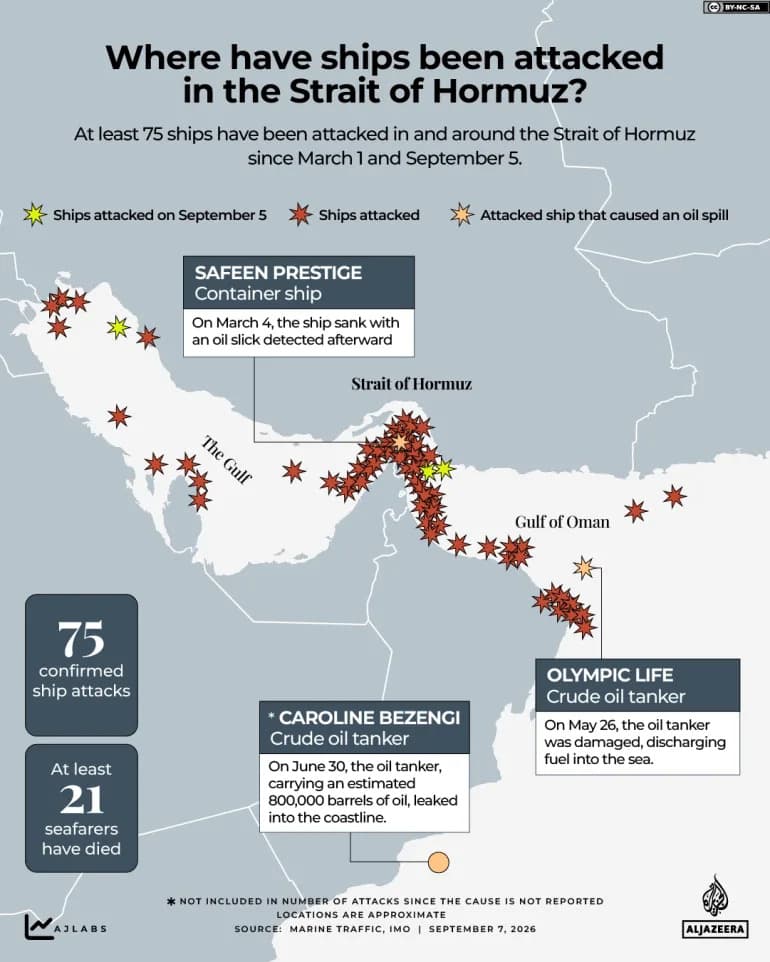
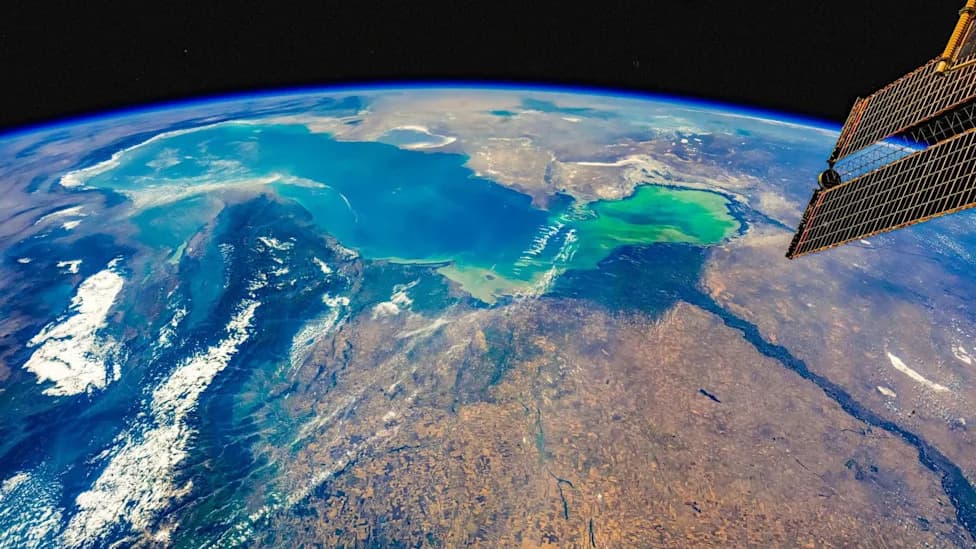
Bessent said oil transit through the Strait of Hormuz has largely rebounded despite intermittent Iranian attacks on commercial shipping. “The straits are open,” he said, estimating daily flows at roughly 15–22 million barrels, compared with about 20 million barrels per day pre-conflict. The U.S. military has been escorting merchant vessels along a transit route near Oman to help keep oil moving.
Implications
Bessent framed the campaign as a way to ensure that any future deal with Iran is durable: “They are isolated from the world. They are a pariah state. And my job is to make sure that, when they come with a deal, that they want to stick to it.” He warned that the intensifying pressure is intended to force Tehran to accept enforceable terms if negotiations resume.
Note: Figures and quotes are attributed to Treasury Secretary Scott Bessent’s public remarks. © 2026 Newsmax. All rights reserved.
Help us improve.