Tesla’s Cybercab robotaxi, launched without a steering wheel or foot pedals, has prompted a formal inquiry from the NHTSA. The agency asked in September how the vehicle complies with a rule requiring a foot‑operated brake and gave Tesla until the end of the month to respond; unresolved noncompliance could lead to fines up to $139 million. Tesla self‑certified the Cybercabs before deploying several in Austin and did not apply for an exemption that would allow up to 2,500 pedal‑free vehicles. The rollout also reignited debate over Tesla’s camera‑only sensing strategy versus rivals that use lidar.
NHTSA Probes Tesla’s Pedal‑Free Cybercab — Could Face Up To $139M In Fines
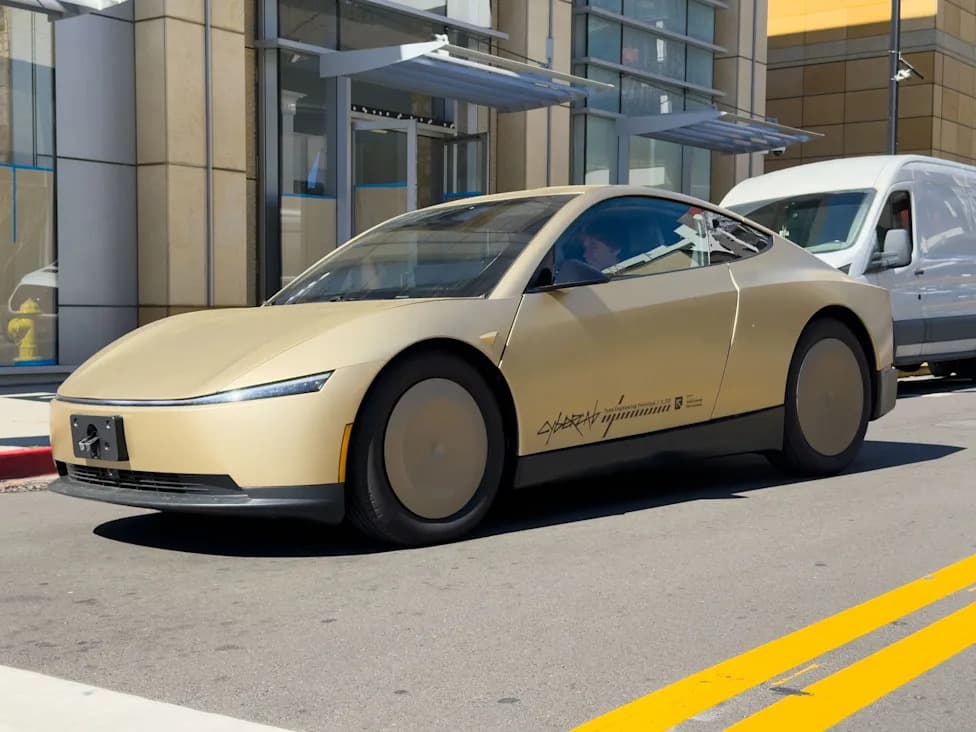
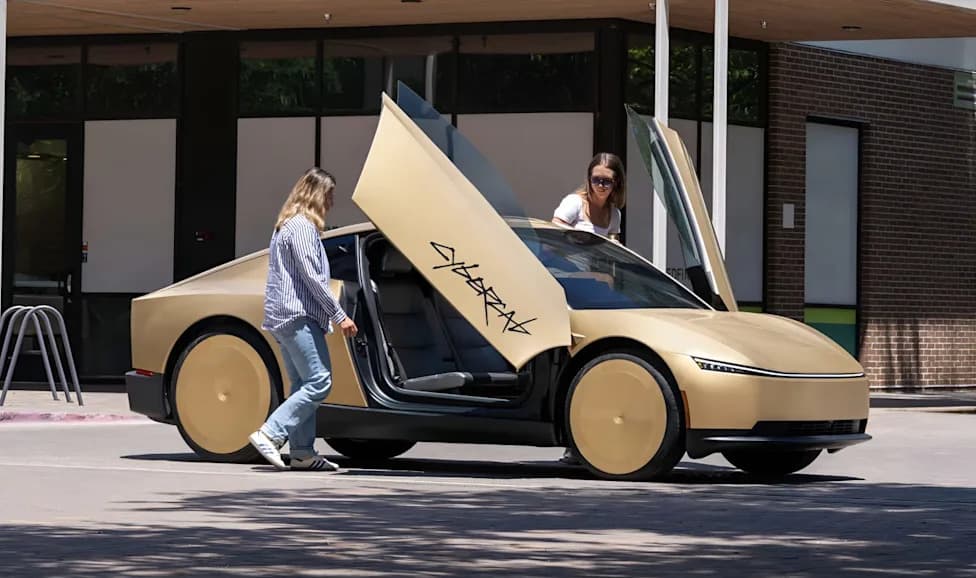
Tesla's Cybercab don't have a steering wheel or pedals. Tesla boss Elon Musk sees autonomous driving as the future of the electric car manufacturer. Andrej Sokolow/dpa
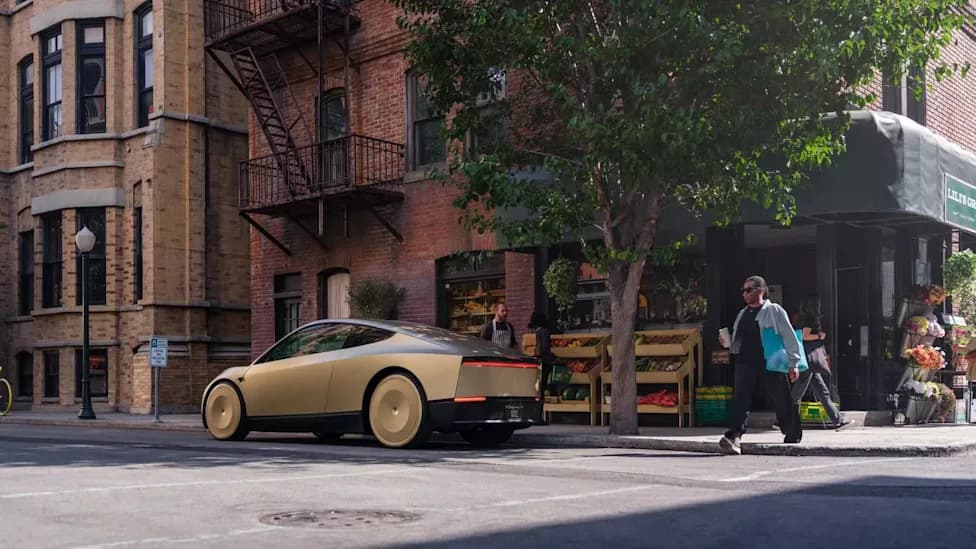
Tesla’s newly launched Cybercab robotaxi, which operates on public roads without a steering wheel or foot pedals, has drawn formal scrutiny from the U.S. road safety regulator. In September the National Highway Traffic Safety Administration (NHTSA) sent Tesla a list of questions asking how the Cybercab complies with federal rules that require a foot‑operated brake and conventional controls.
NHTSA Inquiry and Potential Penalties
The NHTSA gave Tesla until the end of September to respond. If the agency determines the vehicles are noncompliant and the issue is not resolved, Tesla could face civil penalties that in total might reach up to $139 million.
Self‑Certification, Exemptions, And Deployment
Before putting several Cybercabs into service in Austin, Texas, earlier in September, Tesla used the standard U.S. self‑certification process to declare that those vehicles met federal motor vehicle safety standards. The regulator immediately queried that certification because current federal regulations generally require road‑legal vehicles to have a steering wheel and pedals.
There is a formal exemption process: after review, the NHTSA can authorize companies to deploy up to 2,500 vehicles that lack steering wheels and pedals. Amazon’s Zoox has used this exemption for its pod‑shaped vehicles, operating in cities such as Las Vegas and San Francisco. Tesla, however, did not apply for that exemption before deploying Cybercabs.
On‑Board Controls And Passenger Reports
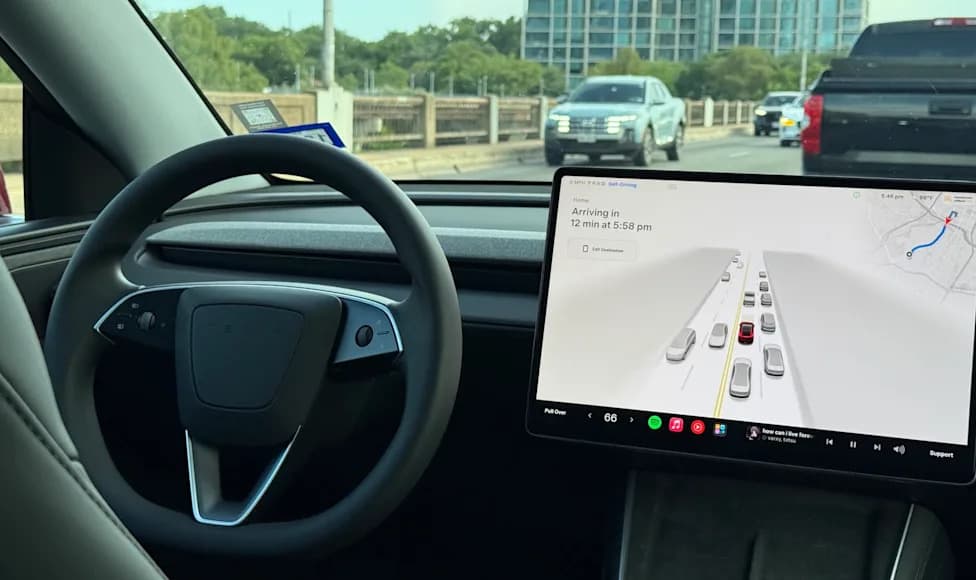
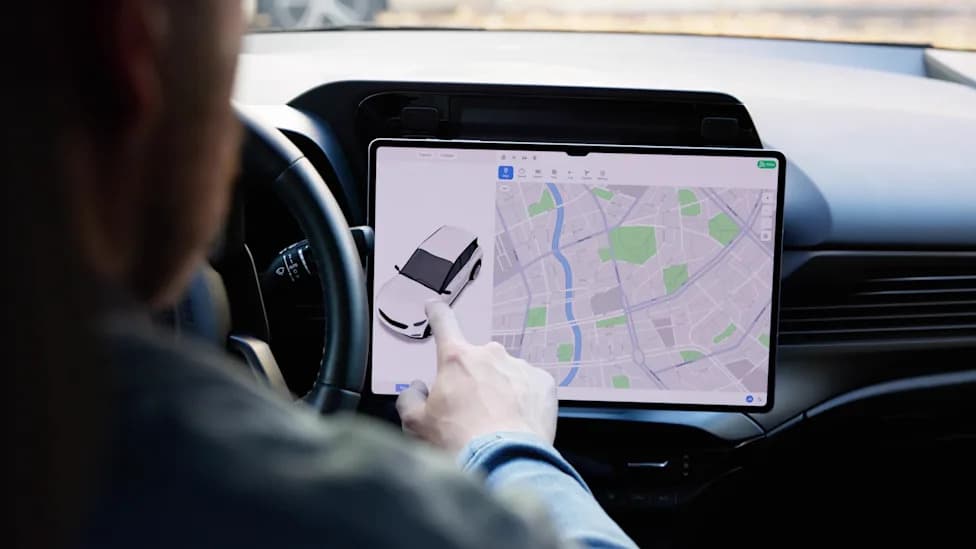
Some Cybercab riders reported seeing virtual control icons on the vehicle’s touchscreen after boarding; those on‑screen buttons reportedly did not respond to touch. Tesla may consider such virtual interfaces an alternative to physical pedals and a wheel, but regulators and safety experts will judge whether that substitute meets legal requirements and practical emergency needs.
Sensor Strategy And Safety Debate
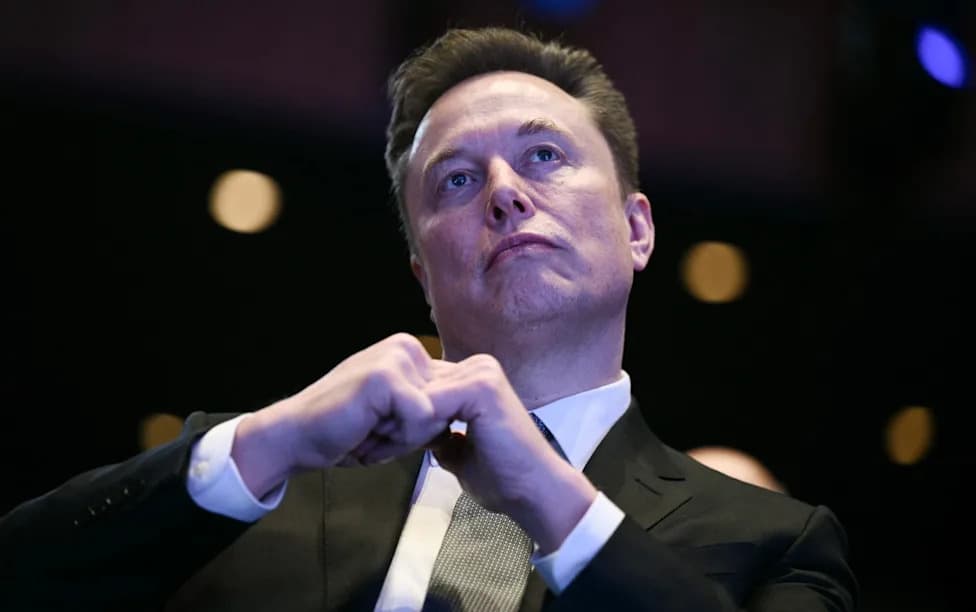
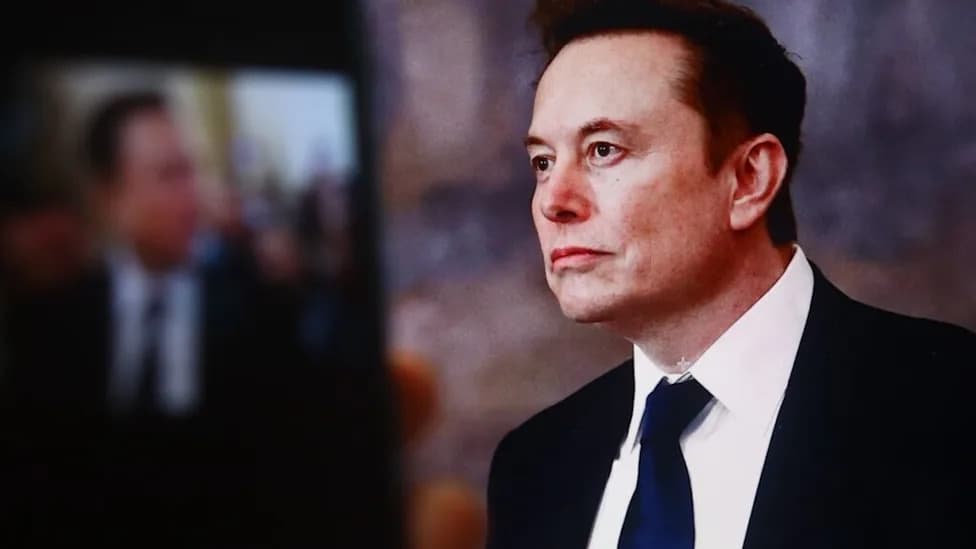
Tesla relies exclusively on cameras (vision‑based systems) rather than lidar (laser radar) to sense the vehicle’s surroundings. While a camera‑only design can lower hardware costs, many experts and competing robotaxi providers argue that lidar adds an important redundancy and precision layer for safe autonomous operation. Tesla CEO Elon Musk has continued to defend the camera‑first approach and has positioned autonomous driving and humanoid robotics as central to the company’s future.
Context
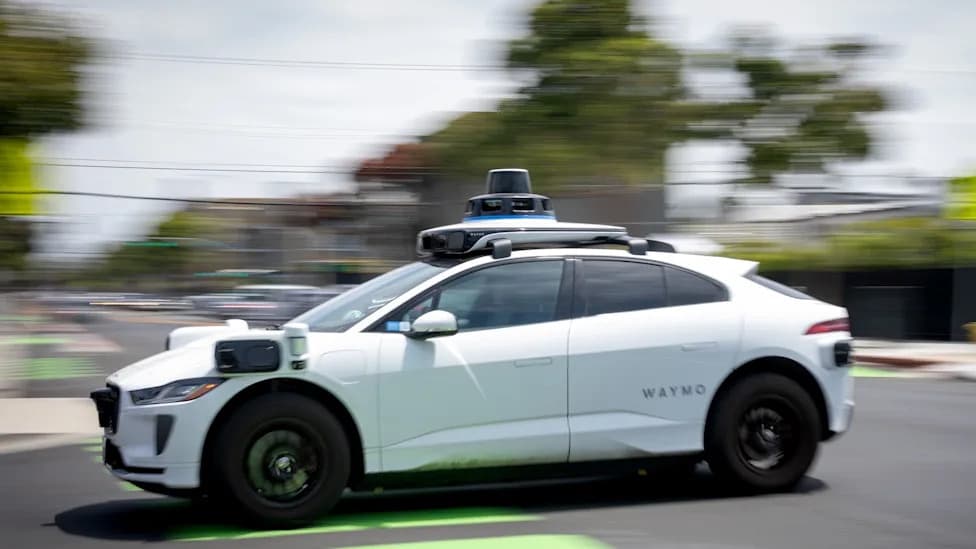
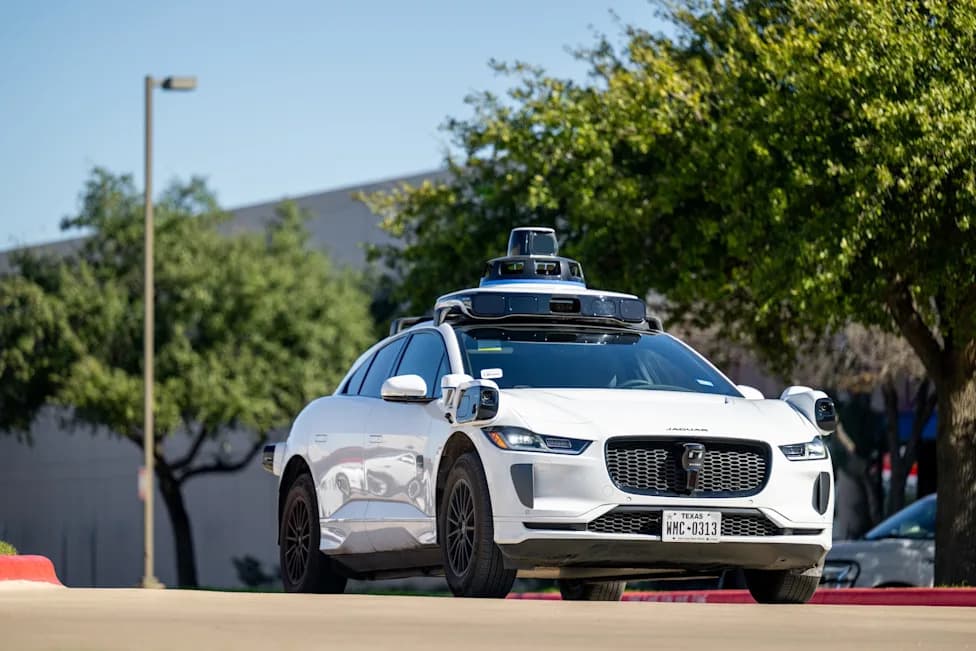
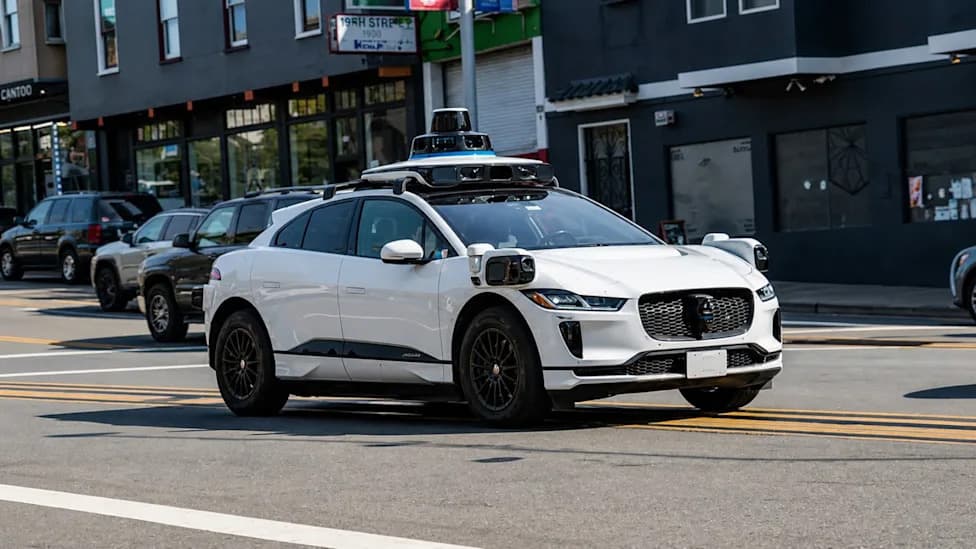
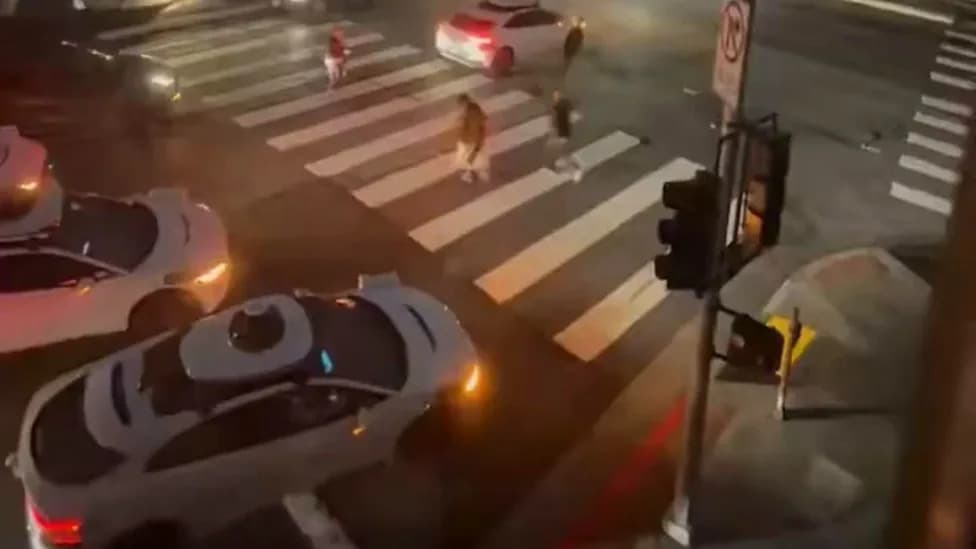
By contrast, Waymo — a leading robotaxi operator — has retained traditional controls in the thousands of vehicles it fields, enabling emergency responders or human operators to take control if necessary. To date, Tesla has placed only a limited number of fully driverless Cybercabs without human supervision on public roads while this regulatory and safety debate unfolds.
Bottom line: The NHTSA’s questions go to the heart of how existing safety rules apply to radically redesigned, driverless vehicles — and whether virtual interfaces can legally and practically replace physical controls.
Help us improve.