The Supreme Court blocked the Trump administration's attempt to change mail-in ballot rules, ending a bid critics said could have disenfranchised many voters. The DOJ has faced setbacks in more than 20 court actions seeking voting data and sent letters warning at least 30 election officials of investigations. Whistleblower reports and administrative moves have intensified scrutiny of DHS, ERIC and election-support agencies, and experts expect continued litigation and aggressive rhetoric before and after the midterms.
Supreme Court Blocks Trump Plan To Overhaul Mail-In Voting — What Happens Next?
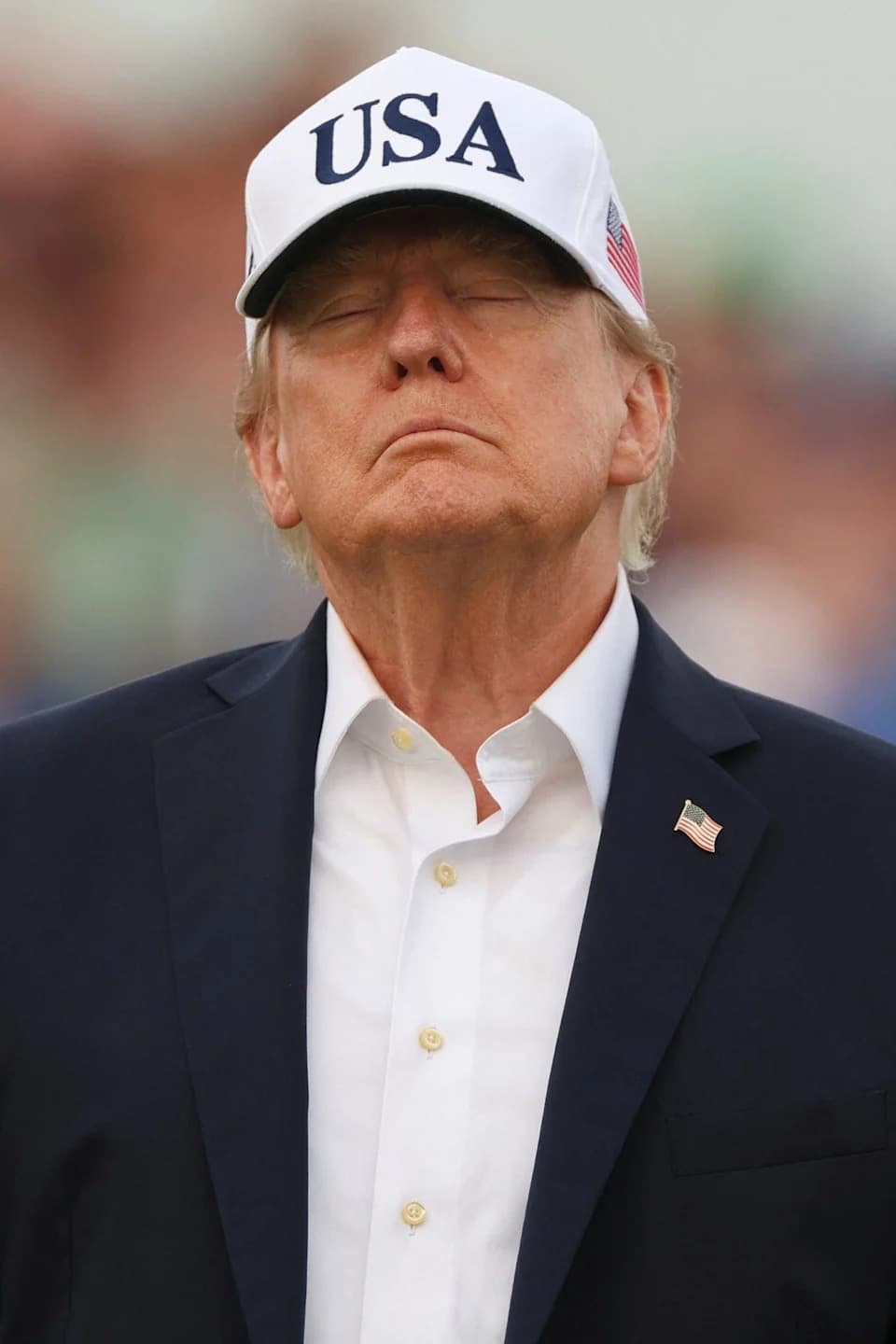
The Supreme Court has blocked Donald Trump's attempts to overhaul rules for mail-in voting, but the administration is waging a multi-pronged effort to control election administration before midterms, with the balance of power in Congress at stake (Reuters)
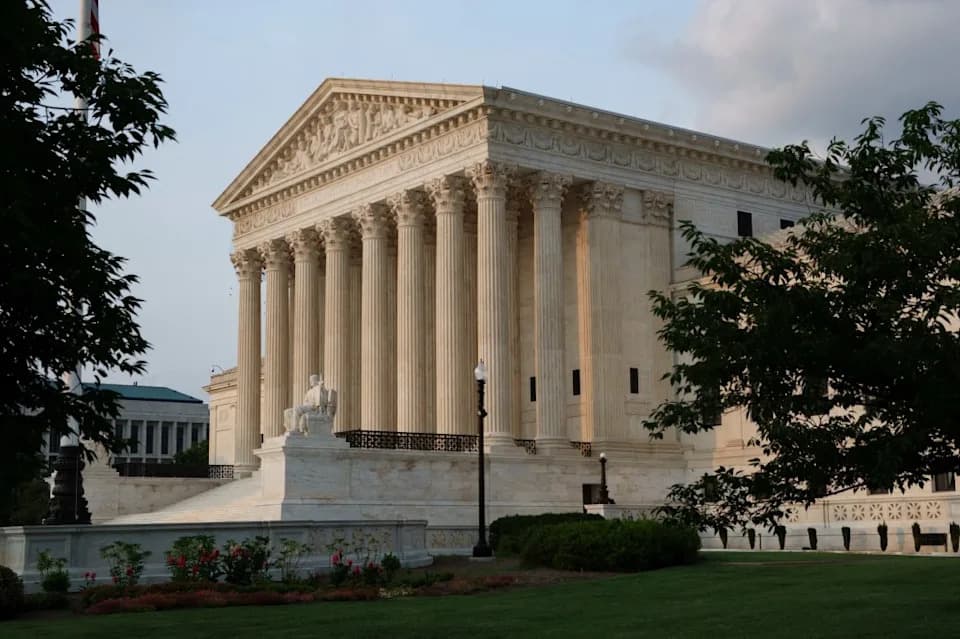
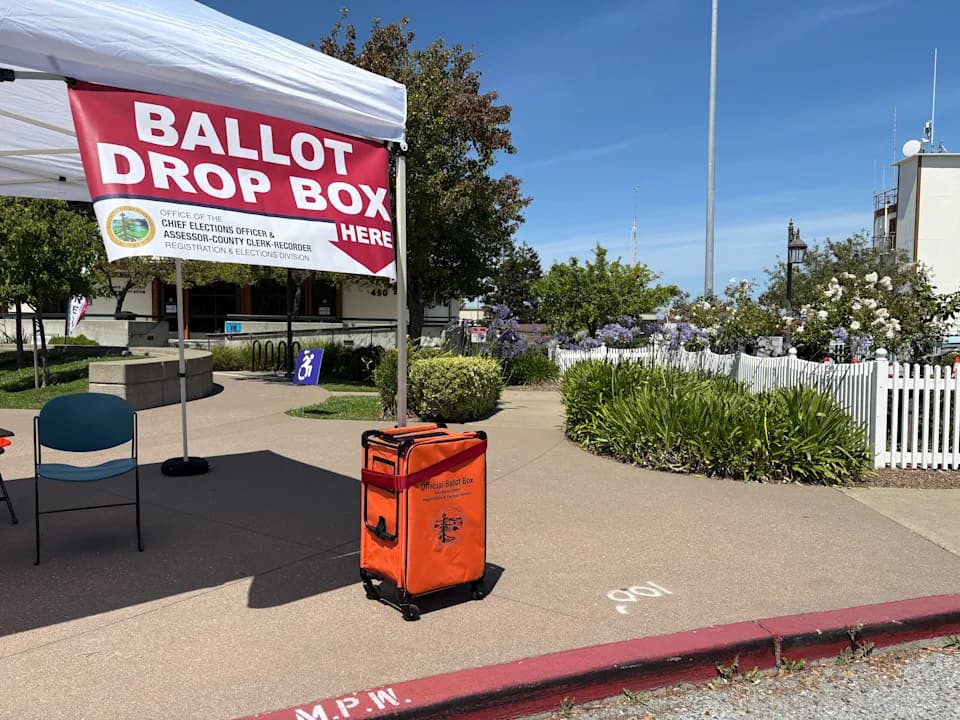
Donald Trump suffered a major legal and political setback this week as the Supreme Court blocked his administration's last-ditch effort to change rules governing mail-in ballots ahead of the midterm elections.
The move capped a series of recent defeats for the administration. The Justice Department has faced setbacks in more than 20 court actions seeking access to voter data, sent letters to at least 30 state and local election officials claiming investigations were underway, and been the subject of whistleblower reports alleging improper efforts to probe voter rolls.
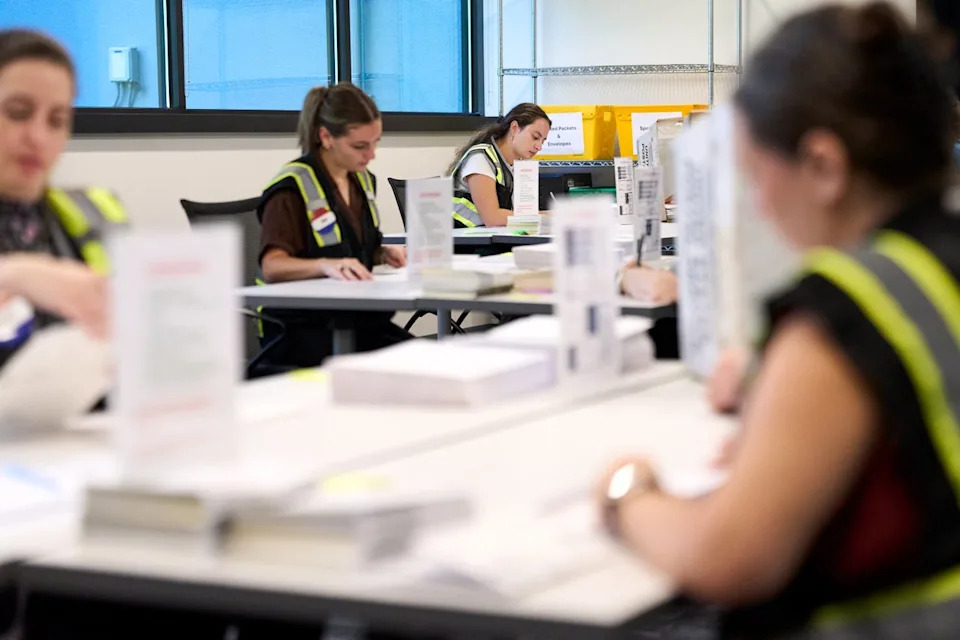
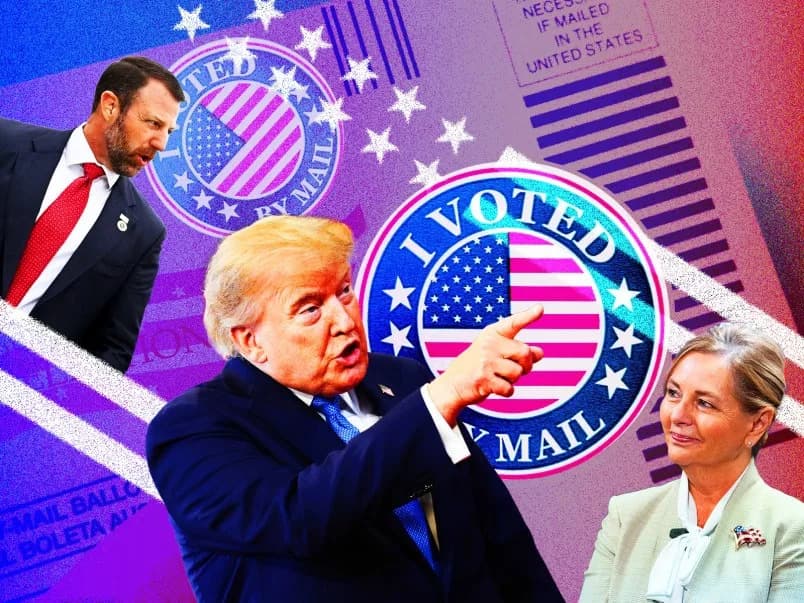
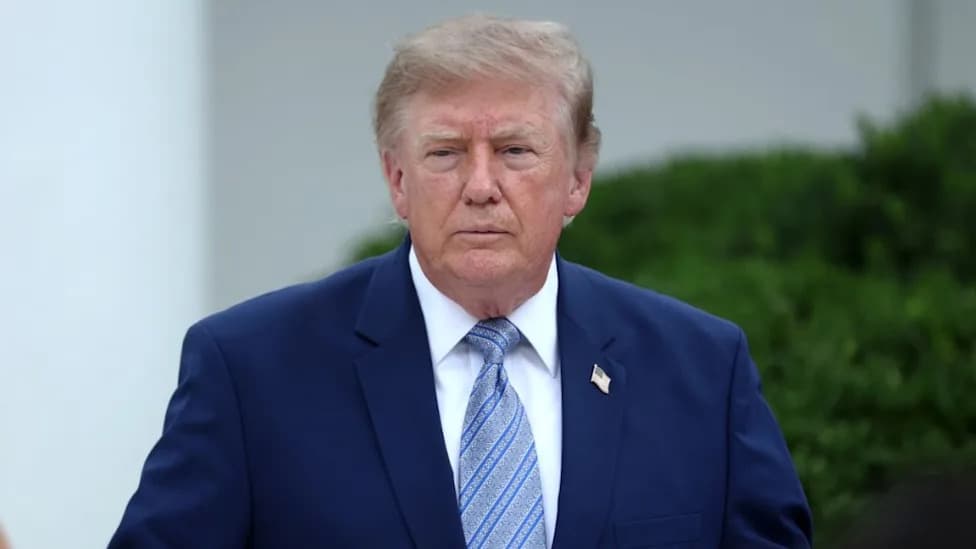
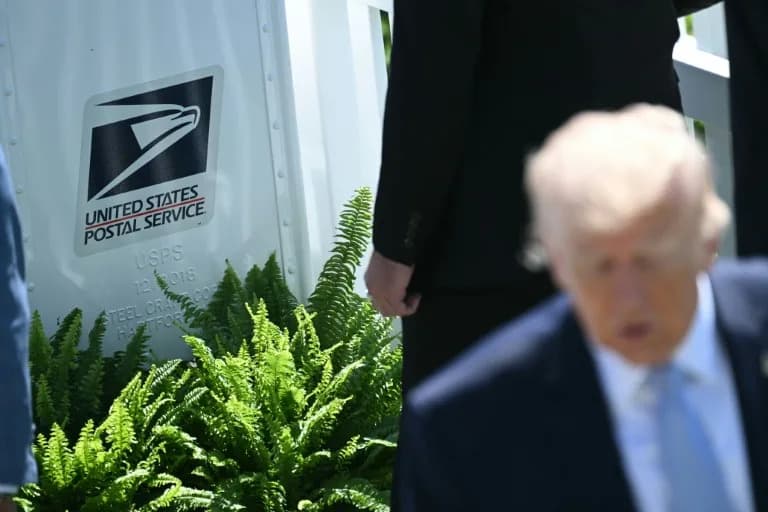
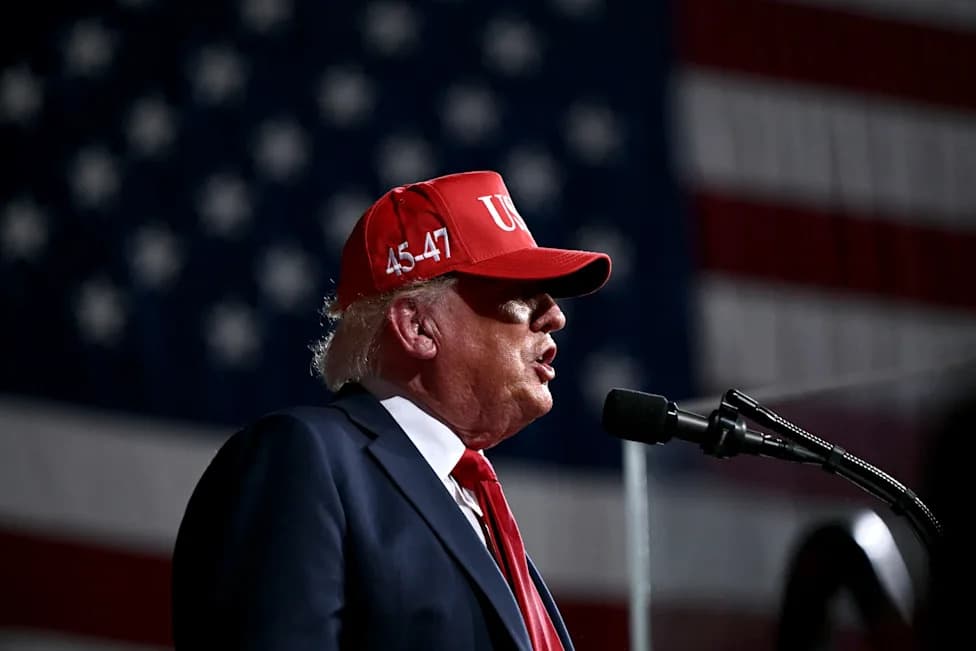
Trump, who routinely votes by mail, has called mail-in voting a form of 'cheating' as he seeks to undermine access to mail-in ballots before midterm elections (AP)
What the Court Stopped
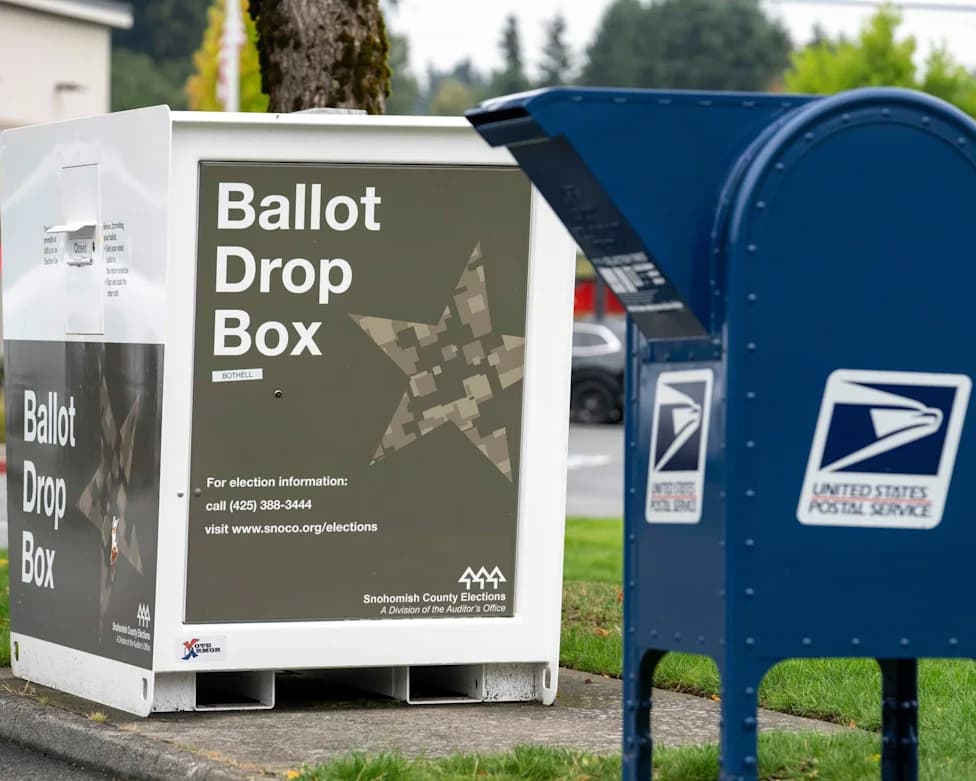
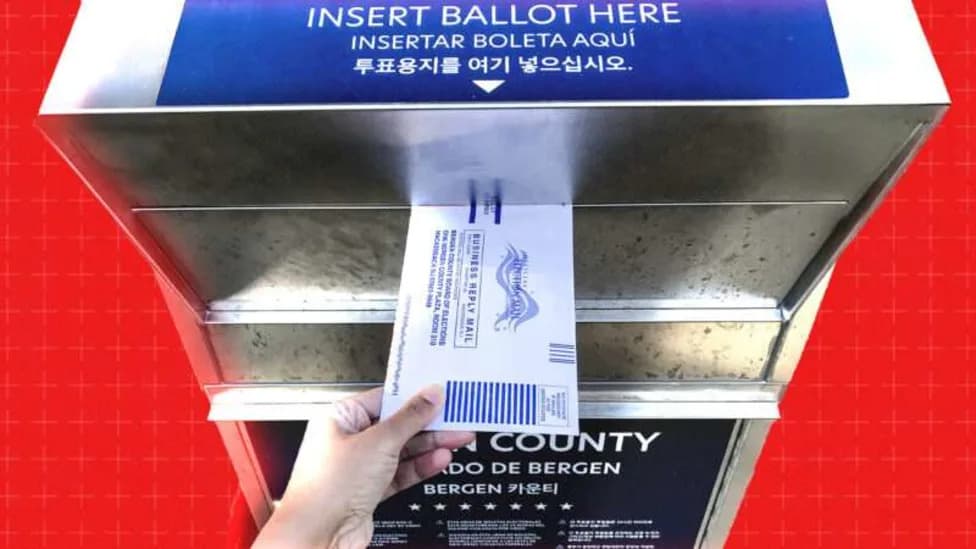
The high court’s intervention prevented an unprecedented federal effort that critics argued could have disenfranchised tens of thousands of voters and given postal and federal officials extraordinary influence over who could cast mail ballots. Election administrators and voting-rights advocates welcomed the decision as a protection against an abrupt federal takeover of election administration.
Administration Tactics And Reactions
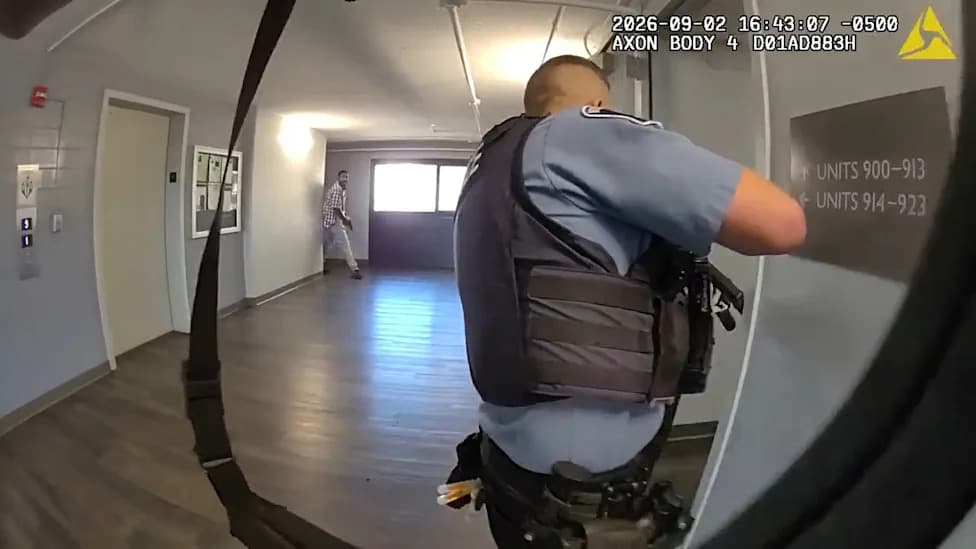
Officials aligned with the White House have explored multiple avenues to influence how elections are run, including talk of emergency powers or deploying federal personnel to polling places. Legal experts say any attempt to station troops, armed agents or immigration officials at polling sites would face immediate court challenges and political backlash.
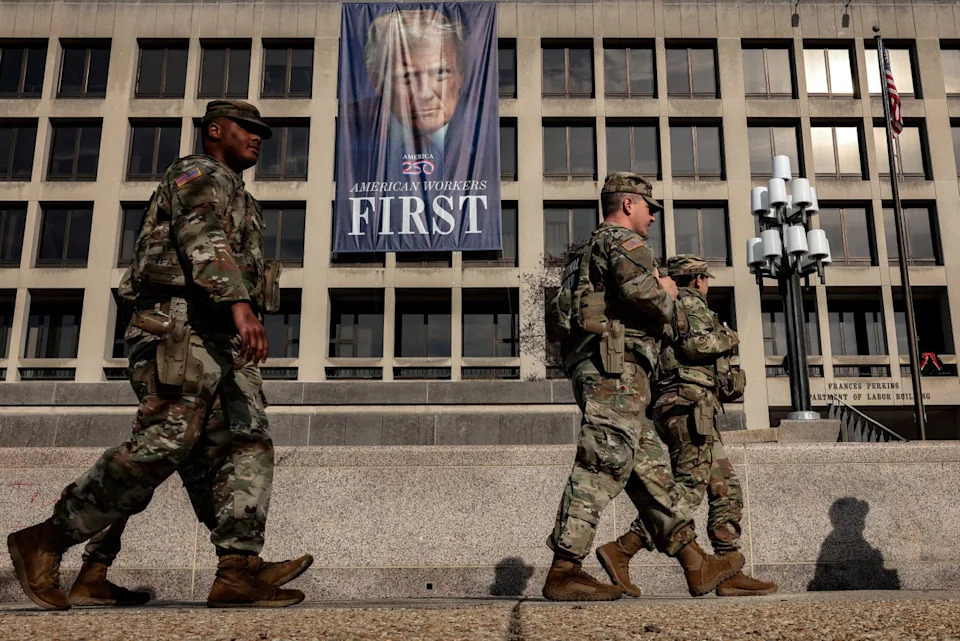
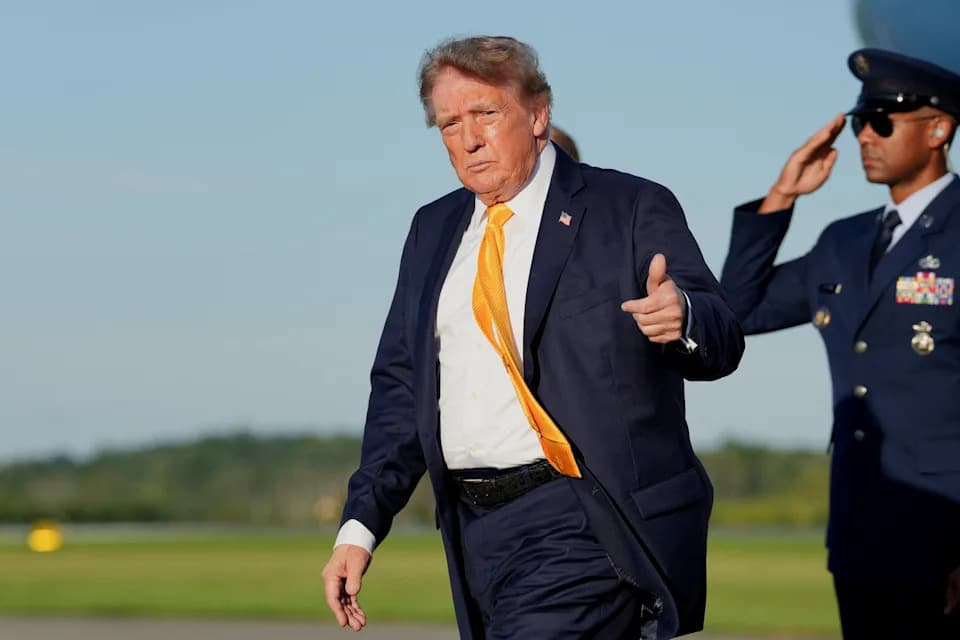
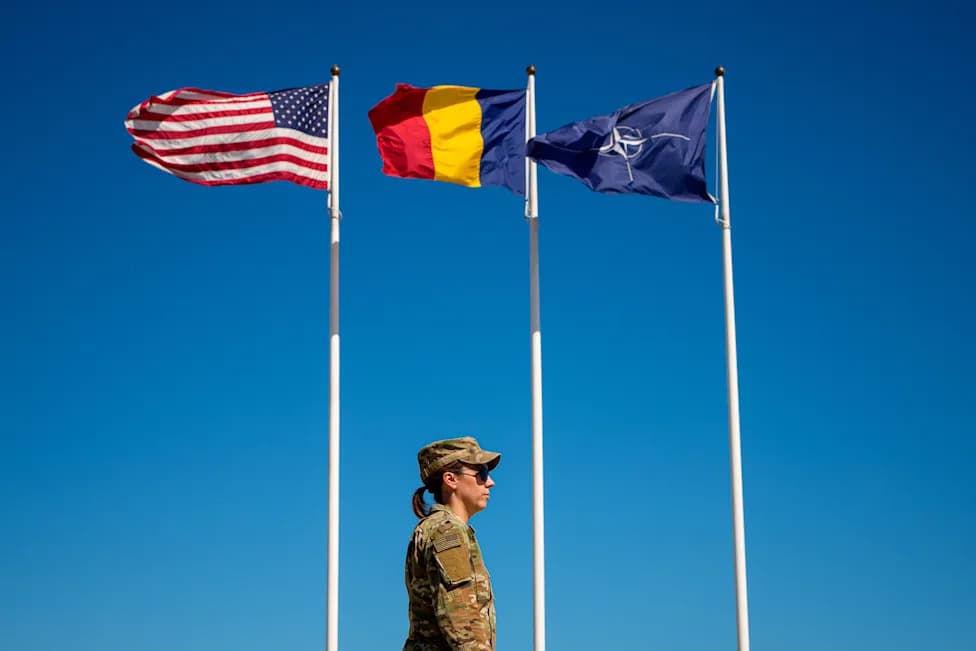
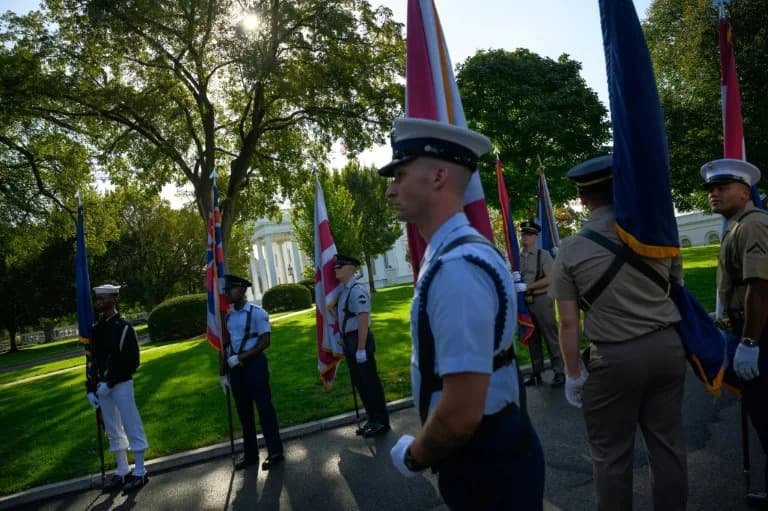
Administration officials have not explicitly ruled out the idea of National Guard troops or federal agents at polling sites, but any such move would be swiftly shot down in court, according to election experts (Reuters)
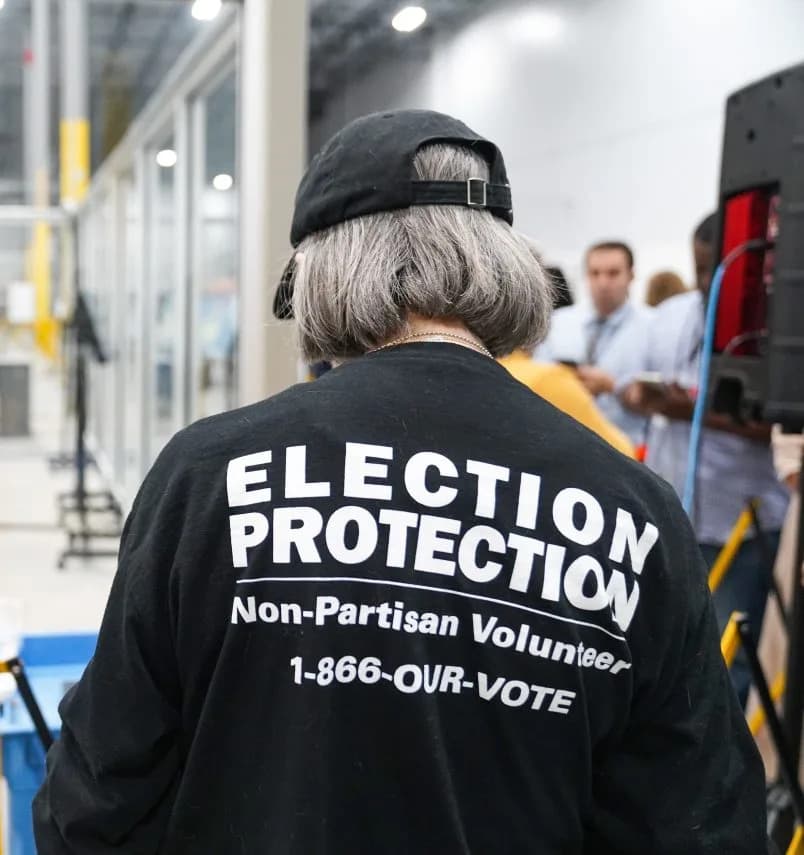
"Troops, armed men, agents, ICE, will not be at the polls. It will not happen," said David Becker, president of the Center for Election Innovation and Research, warning that such efforts would be shut down by the courts.
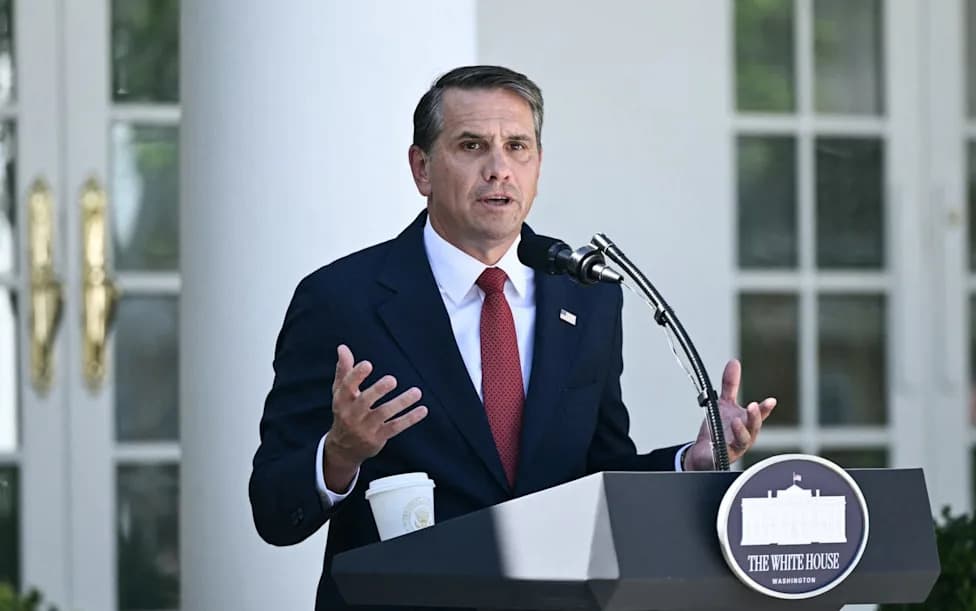
In recent weeks, Homeland Security Secretary Markwayne Mullin has called for probes into election groups, including a nonpartisan coalition led by Becker, while whistleblower accounts say some DHS employees used deceptive methods to check voter rolls for noncitizens. The department has characterized the work as checking publicly available data to help secure elections.
Institutional Impact
Critics say the administration’s actions have weakened institutions that support election integrity: the bipartisan Election Assistance Commission was left without its remaining commissioners in July, and officials contend that the Cybersecurity and Infrastructure Security Agency has been depleted, reducing coordinated federal support for state election officials.
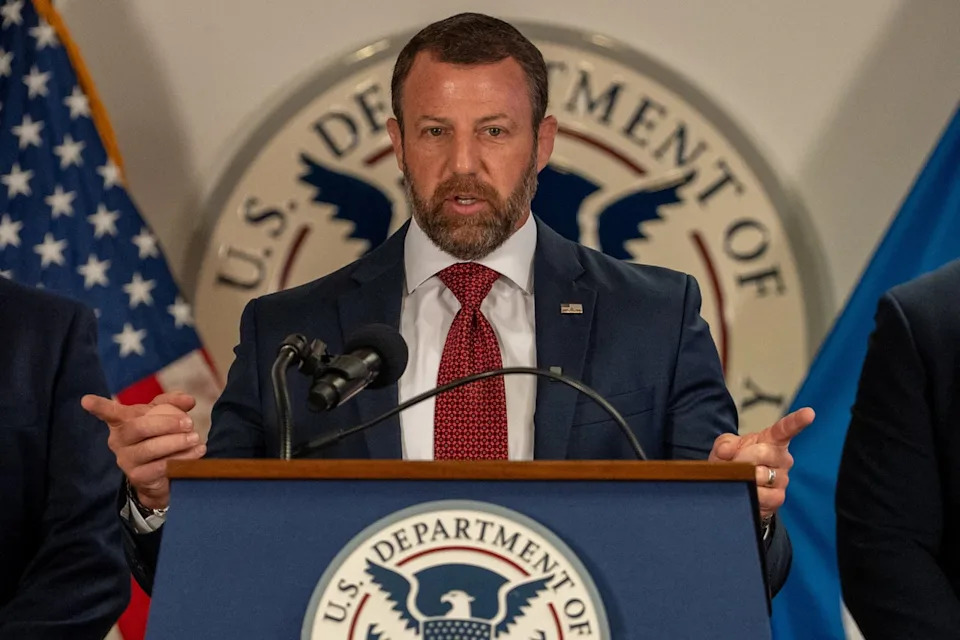
The Department of Homeland Security under Secretary Markwayne Mullin is directing agencies to investigate voter rolls and targeting election groups as part of the Trump administration's government-wide anti-fraud crusade (Reuters)
Alongside institutional pressure, allied groups have been training poll watchers and organizing rapid-response legal teams prepared to challenge results they deem problematic.
Outlook
Experts expect more litigation, aggressive public messaging, and attempts to shape election administration between now and Election Day and in the likely litigation-filled aftermath. Still, election officials and voting-rights lawyers emphasize that U.S. elections remain secure and that courts are likely to block unlawful federal overreach.
"Voting is safe, free and fair — you can disregard these false claims and be confident that however you prefer to vote … your vote will be safely cast, counted and certified," said election lawyer Norm Eisen.
Help us improve.