The NHS will provide Enhertu (trastuzumab deruxtecan) to some women with incurable HER2‑low breast cancer after NICE reversed a 2024 rejection following a new commercial agreement and changes to cost‑effectiveness thresholds. Trials showed progression‑free survival improved to 9.9 months versus 5.1 months for chemotherapy, and median overall survival rose to 23.4 months versus 16.8 months. About 1,000 women a year could become eligible; campaigners warn many missed out while the drug was unavailable.
NHS Approves Enhertu After Pricing Row — Life‑Extending Option For Some Women With Advanced HER2‑Low Breast Cancer

Patients and charities campaigned to have Enhertu available on the NHS - Getty Images/Andrew Aitchison
Women with incurable HER2‑low breast cancer will be able to receive the targeted therapy Enhertu (trastuzumab deruxtecan) on the NHS after regulators reversed a 2024 decision that had rejected the drug on cost‑effectiveness grounds.
What Changed
The National Institute for Health and Care Excellence (NICE) now recommends Enhertu for eligible patients following a new commercial agreement with the manufacturer and recent changes to NICE's methods and cost‑effectiveness thresholds. As part of government adjustments tied to a pharmaceuticals agreement with the United States, NICE's usual threshold range for cost per quality‑adjusted life year (QALY) was shifted from £20,000–£30,000 to £25,000–£35,000 per QALY. NICE says the combination of the new deal, higher thresholds and updated quality‑of‑life assessment methods made the recommendation possible.
Clinical Evidence
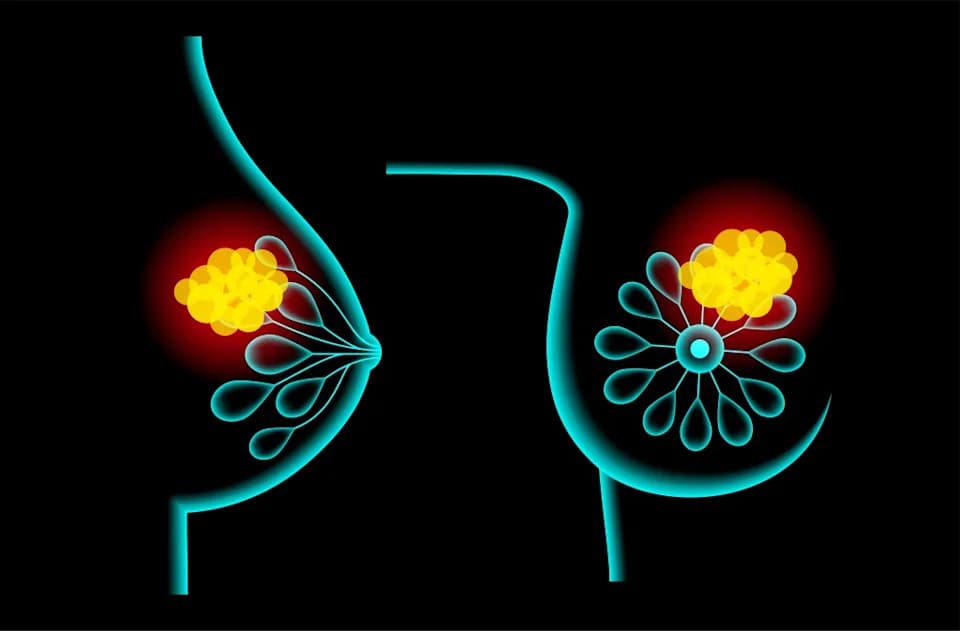
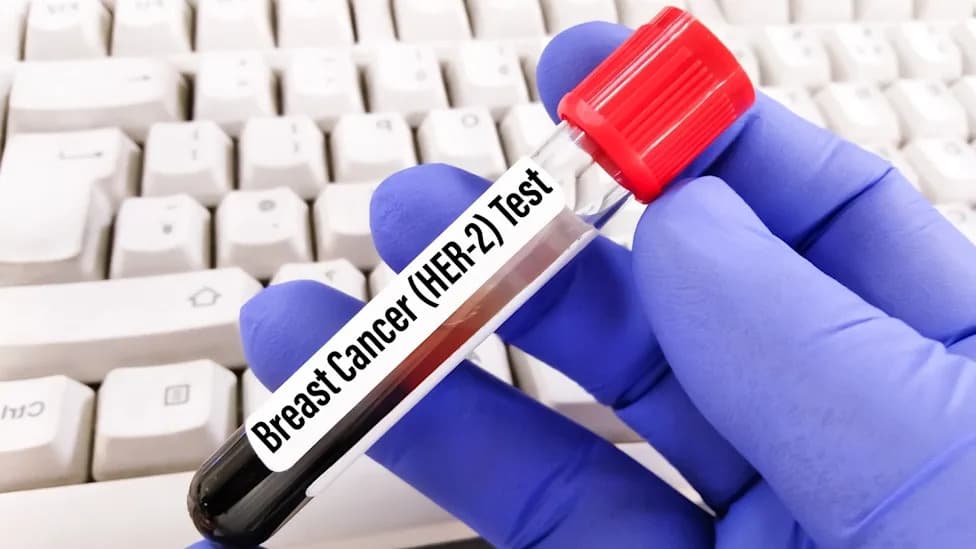
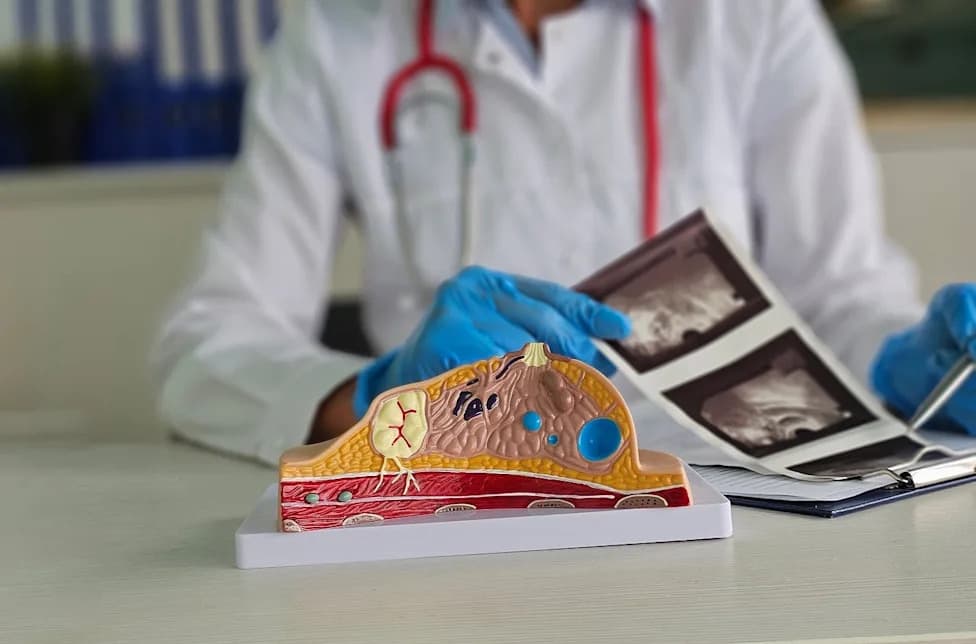
Enhertu is a targeted therapy for patients with HER2‑low breast cancer that is inoperable or has metastasised. In clinical trials, median progression‑free survival was 9.9 months with Enhertu versus 5.1 months with chemotherapy. Median overall survival was 23.4 months on Enhertu compared with 16.8 months on chemotherapy — an improvement of more than six months. Health officials estimate roughly 1,000 women a year in England could become eligible.
Reactions
Patients and charities welcomed the decision. Paula Van Santen, 51, from Banbury, who was diagnosed with metastatic breast cancer in 2022, said:
"Today is a day I never thought I'd see. After years of waiting and hoping, there aren't enough words to express how thrilled I am to see Enhertu finally approved for use on the NHS."
Claire Rowney, chief executive of Breast Cancer Now, praised sustained campaigning but warned the delay had cost lives: "Thousands missed out on access to Enhertu and tragically many have died," she said.
AstraZeneca and Daiichi Sankyo welcomed the decision. Tom Keith‑Roach, AstraZeneca's UK president, called the reversal a "vital milestone" that brings England into line with Scotland and many European countries. NICE's Helen Knight said she was pleased a commercial solution and methodological updates had enabled access, while acknowledging the decision comes too late for some families.
Next Steps
The recommendation will allow rollout in England and pave the way for access in Wales; health authorities in Northern Ireland will consider whether to adopt NICE's guidance. Clinicians have said they can now offer an important new treatment option for eligible patients with advanced HER2‑low disease.
Important context: The decision affects a defined patient group (HER2‑low, unresectable or metastatic disease) and follows a year‑long debate over pricing and how late‑stage cancer benefits are valued by health technology assessors.
Help us improve.