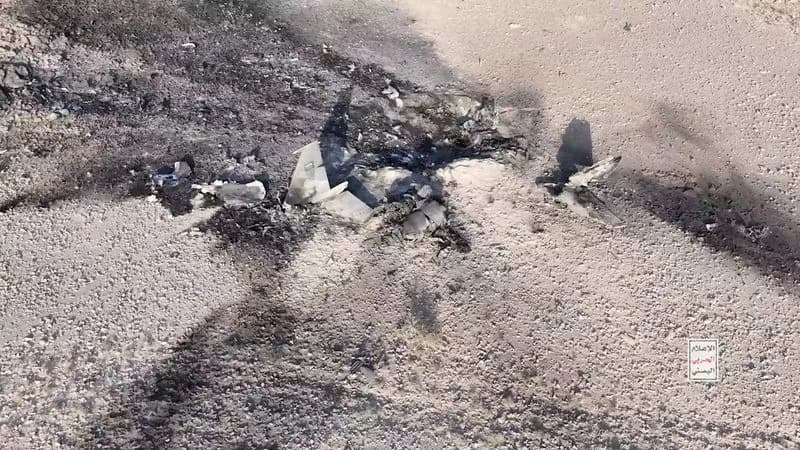
Key insight: Over two decades the Houthis have evolved into a potent non-state military force via four channels: battlefield captures, Iranian technical support, domestic assembly from commercial parts, and black-market networks across the Horn of Africa. Experts estimate 100–200 long-range missiles and under 1,000 drones in their inventory, including systems with ranges up to about 1,250 miles. Analysts warn that strikes alone will not defeat them; political solutions and changes on the ground are required.
How the Houthis Became a Regional Military Power — Four Paths to Arms
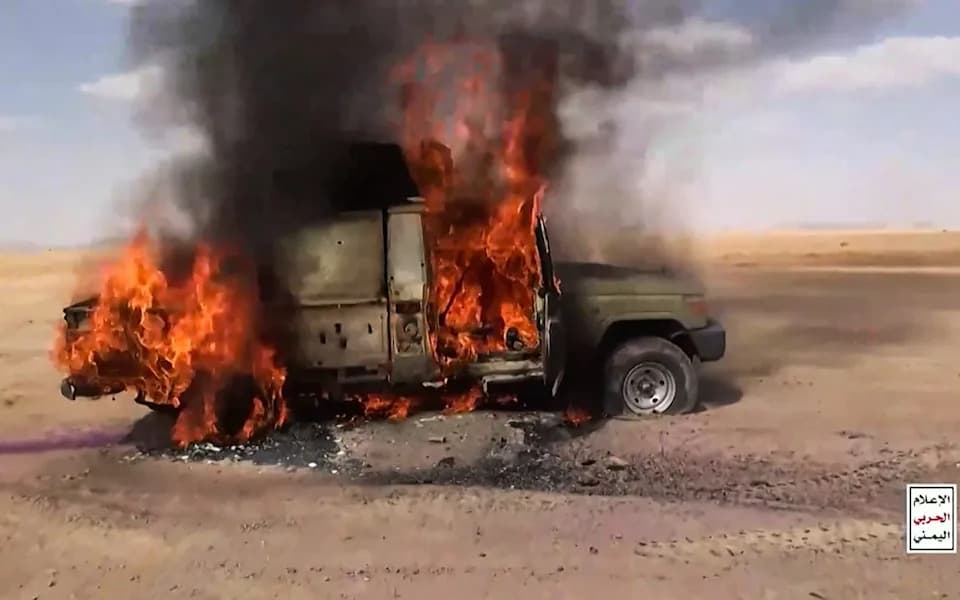
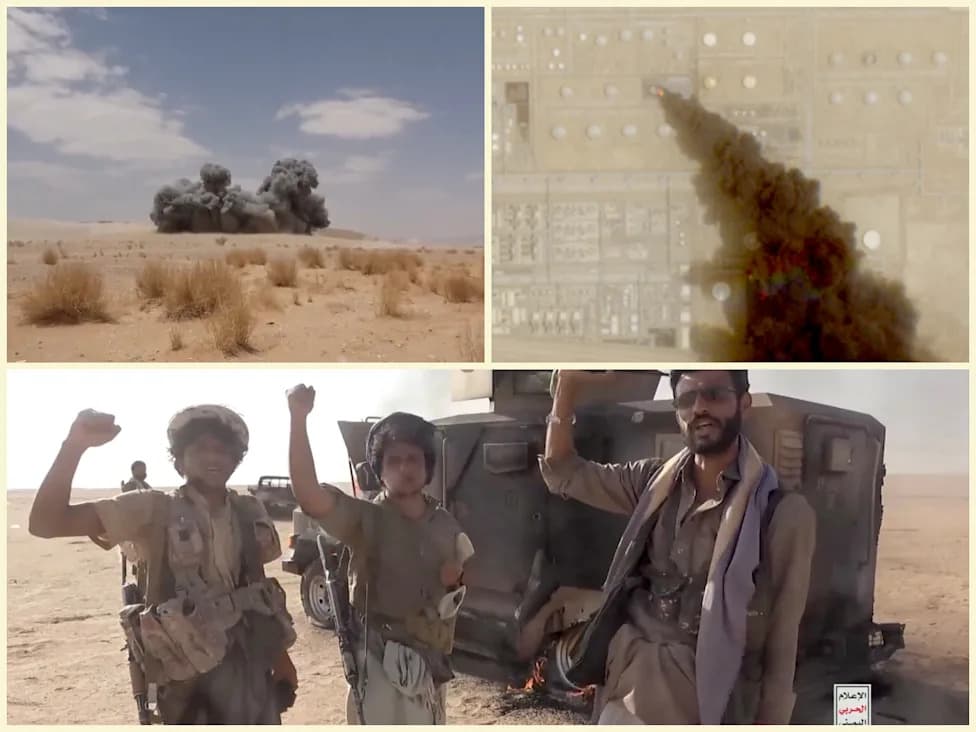
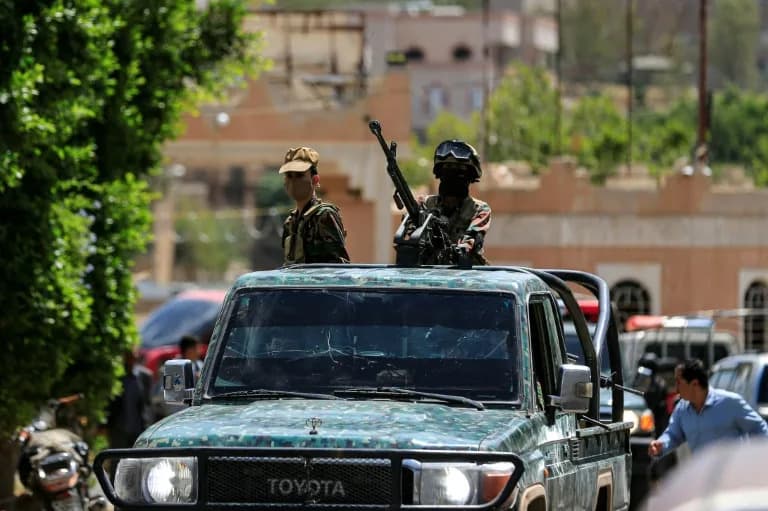
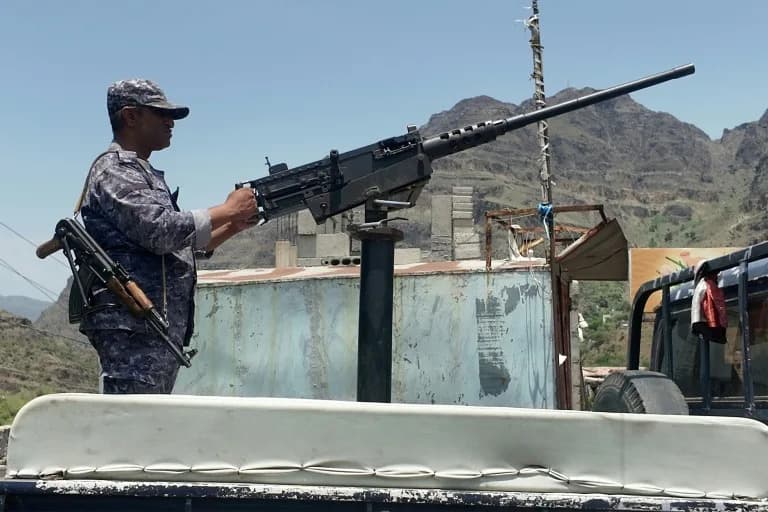
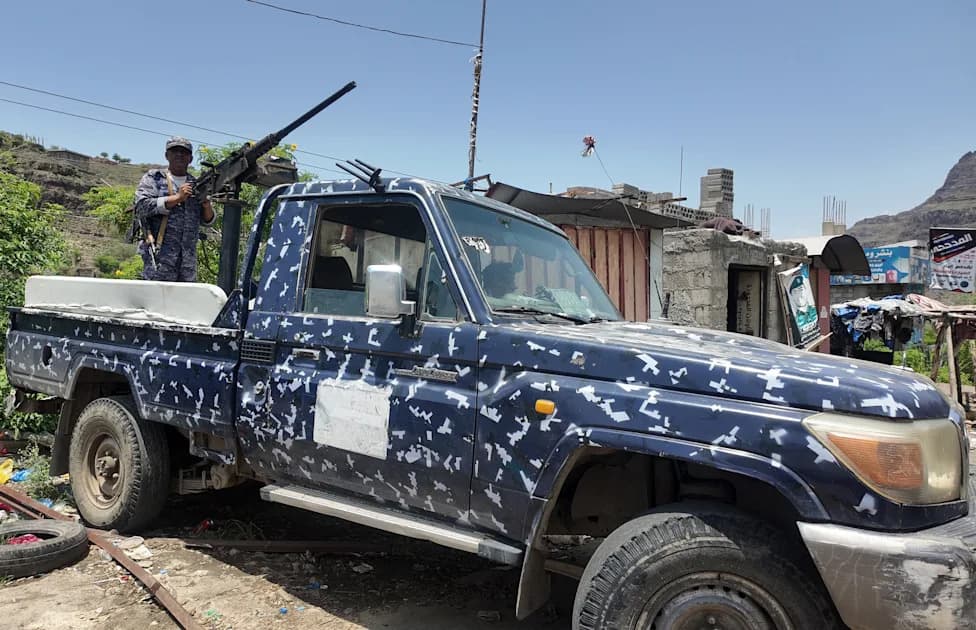
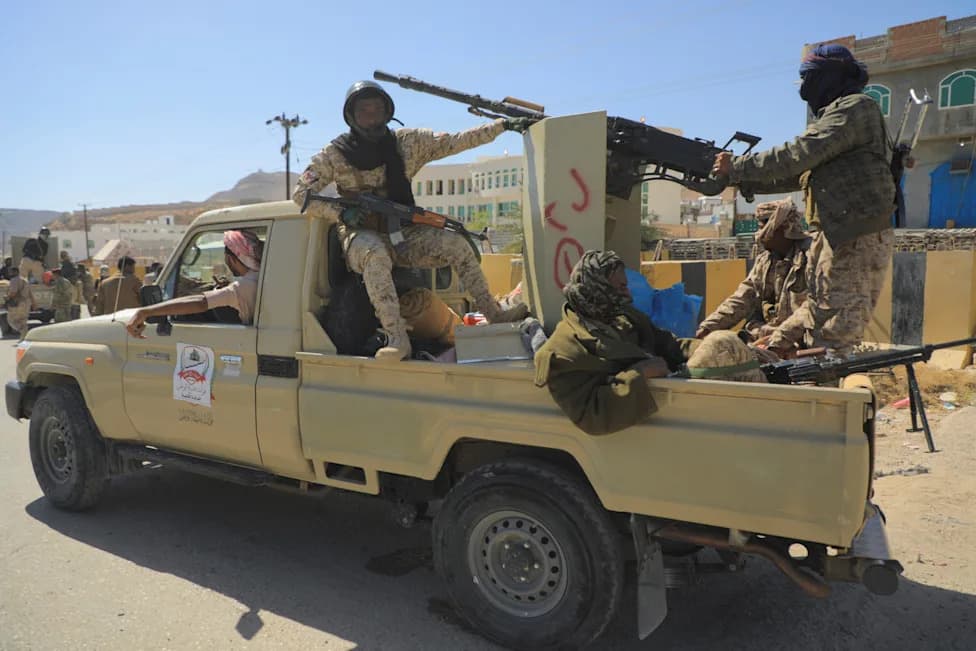
Auto parts from destroyed or abandoned vehicles are useful to the Houthi rebels - AFP/Getty/Ansarullah Media Centre
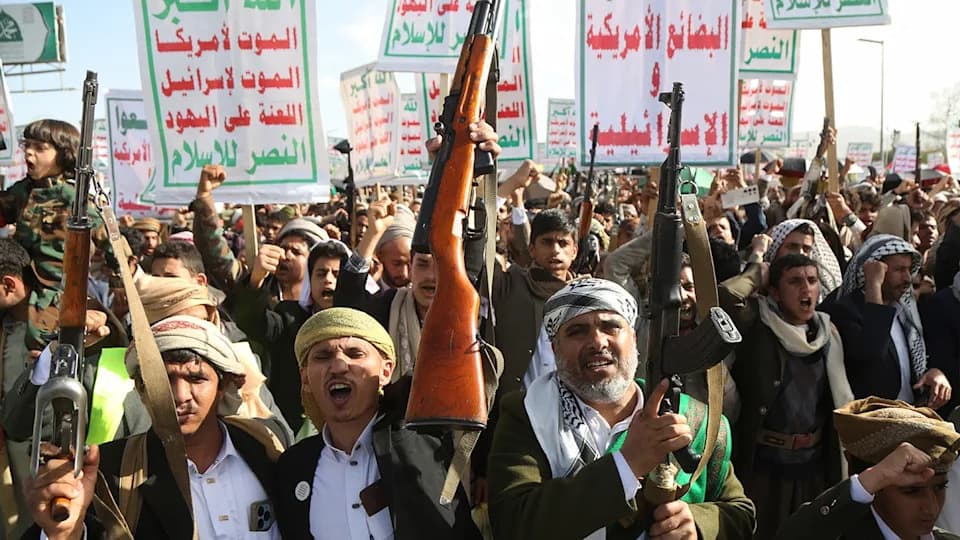
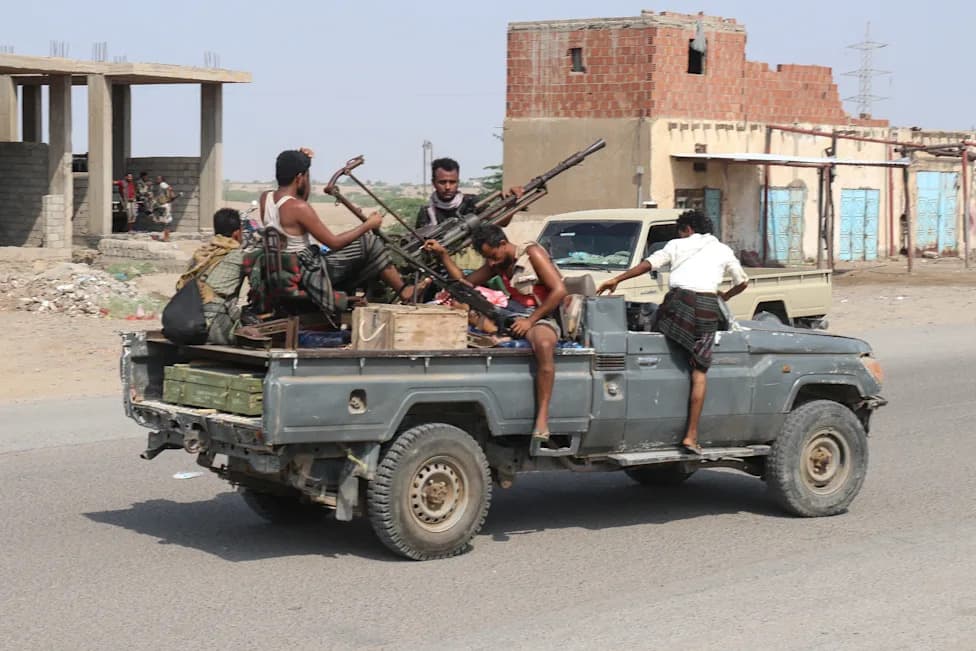
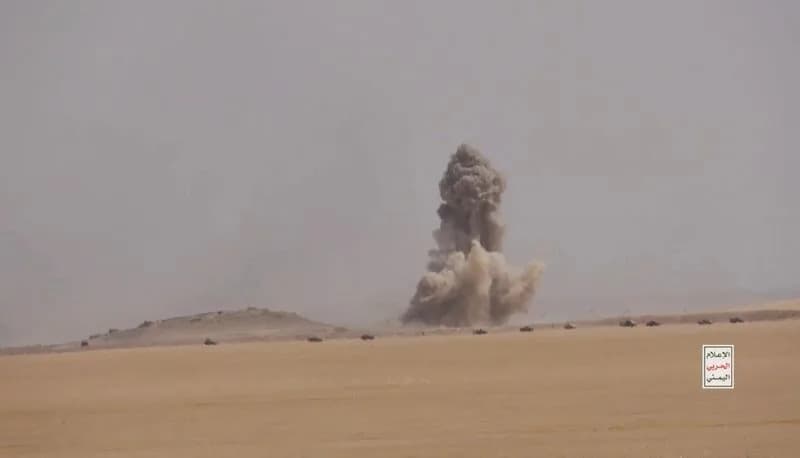
When Houthi fighters pushed toward a key international shipping strait last week, their advance underscored a two-decade transformation: a mountain insurgency has become one of the most capable non-state militaries in the world. Riding captured four-wheel-drive military trucks, wearing flip-flops and fueled by stimulants, they used American weapons abandoned by Saudi-backed forces who fled before them. The images reveal an organization with both an expanding arsenal and growing reach across the Red Sea.
How They Got There: Four Overlapping Channels
1. Capture and Seizure
When the Houthis entered Sanaa in 2014 and toppled the government, they seized large Yemeni army stockpiles. Those caches reportedly included Soviet-era Scud missiles, North Korean Hwasong rockets, Russian Tochka systems and a wide mix of small arms and equipment from China, Russia, the United States and former Yugoslavia. Much of that legacy hardware was later expended in attacks after the 2015 coalition intervention.
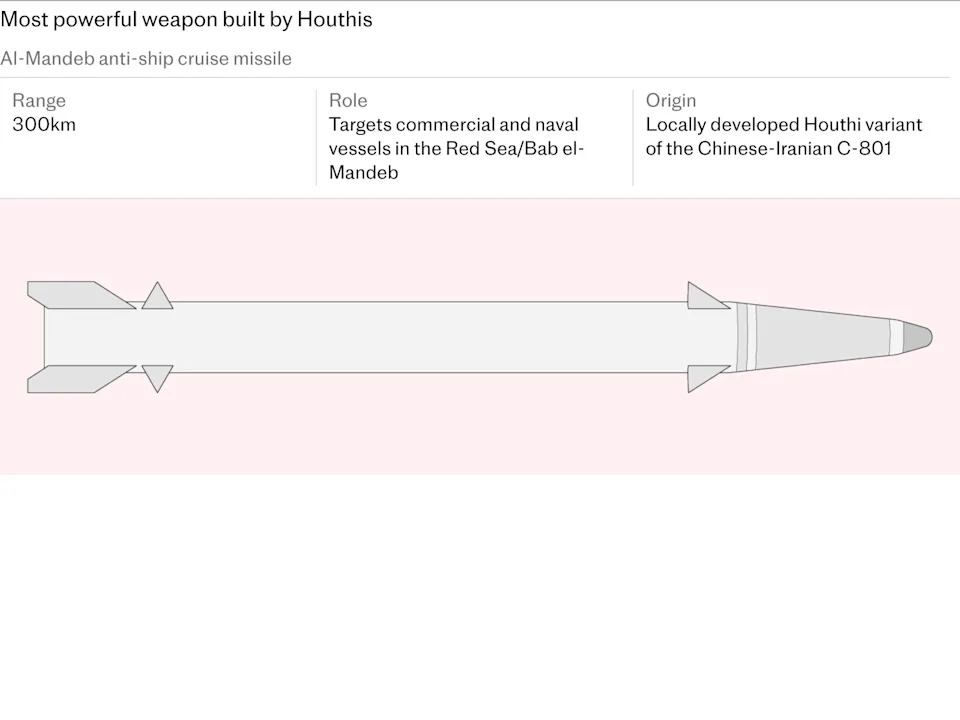
1709 Most powerful weapon built by Houthis
2. Iranian Support and Technical Transfer
Analysts and Yemeni officials point to Iran and its Lebanese ally Hezbollah as primary providers of training, components and expertise. After early attempts to ship whole missiles and drones proved vulnerable to interception, Iran adapted by sending engineers and technicians. With IRGC-led workshops, the Houthis learned to assemble complex systems from smuggled parts such as flight-control units, inertial navigation modules and jam-resistant GPS chips.
3. Domestic Assembly From Commercial Parts
Increasingly, critical components arrive as ordinary commercial cargo, split across multiple shipments so no single container reveals the final use. Customs seizures in Aden in January 2025 reportedly included 180 smart servo motors and 1,760 electronic boards, followed by intercepted engines, drone controllers and a small aircraft hidden in a container from China. These dispersed shipments, combined with local workshops, let the Houthis turn commercial parts into weapons.
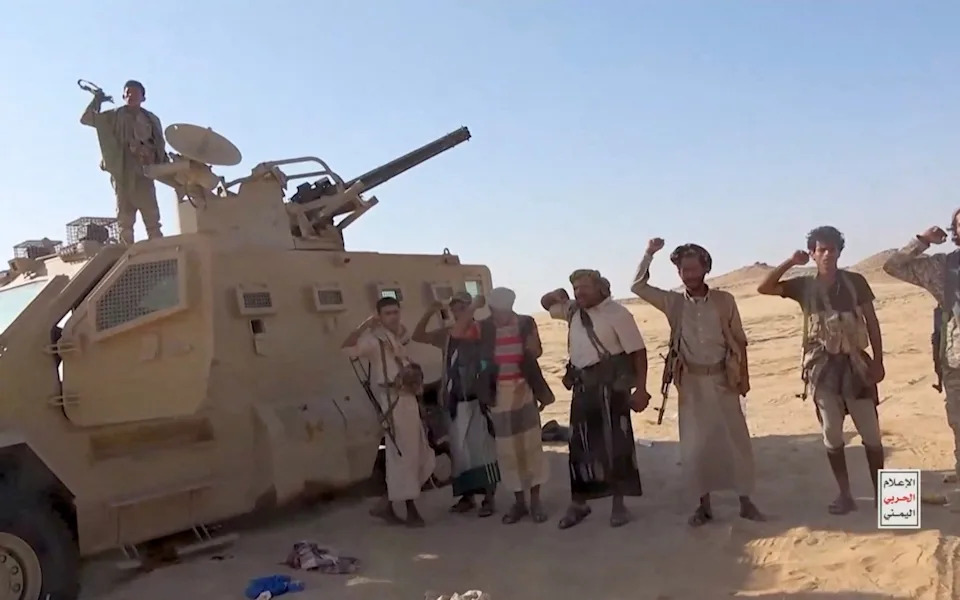
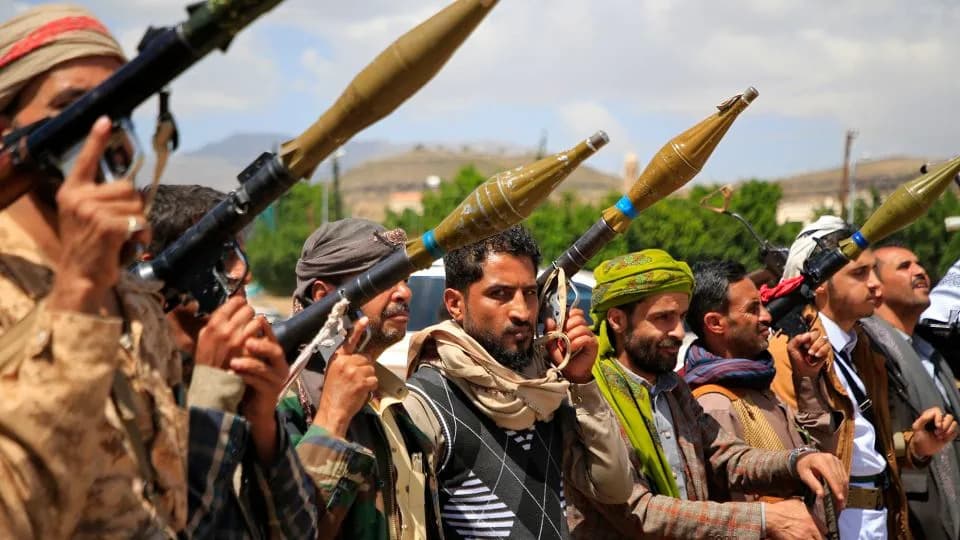
Houthi fighters pose next to a captured vehicle in al Jawf - Reuters/Houthi Military Media
4. Black-Market Networks Across the Horn of Africa
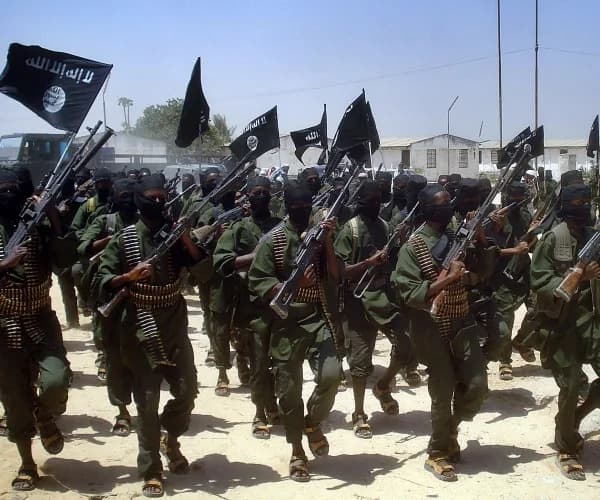
The group has broadened maritime and smuggling ties across the Horn of Africa, above all with al-Shabab on Somalia's coast. UN reporting has documented meetings and exchanges between the groups, with weapons and training moving in return for increased piracy. Yemeni sources also point to arms and materiel left behind by Wagner operations in Africa that have flowed back through Somali coastal networks.
What They Can Field
Experts estimate the Houthis possess roughly 100 to 200 long-range ballistic missiles and fewer than 1,000 drones. While not comparable to a major state military in scale, this arsenal is sufficient to threaten global oil routes and regional infrastructure. Key systems reportedly include the so-called Palestine-2 series (claims of hypersonic performance remain unverified) with ranges up to about 1,250 miles, the Hatem missile (derived from Iran's Kheibar Shekan) with a reported half-ton warhead and roughly 900-mile range, low-flying Quds cruise missiles, and long-range suicide drones such as the Samad and Qasef families.
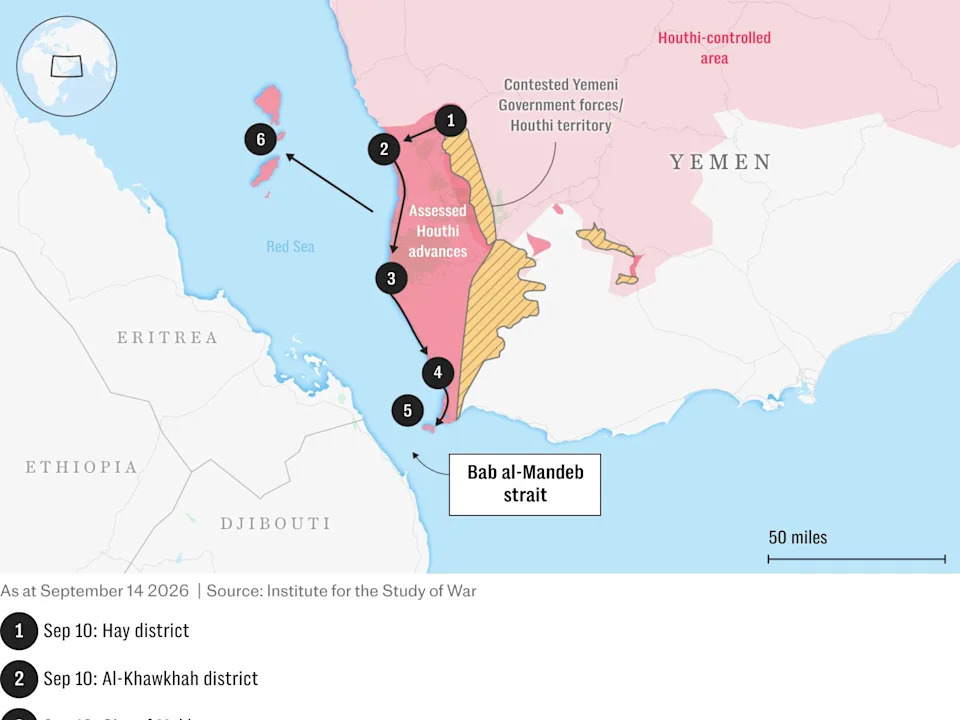
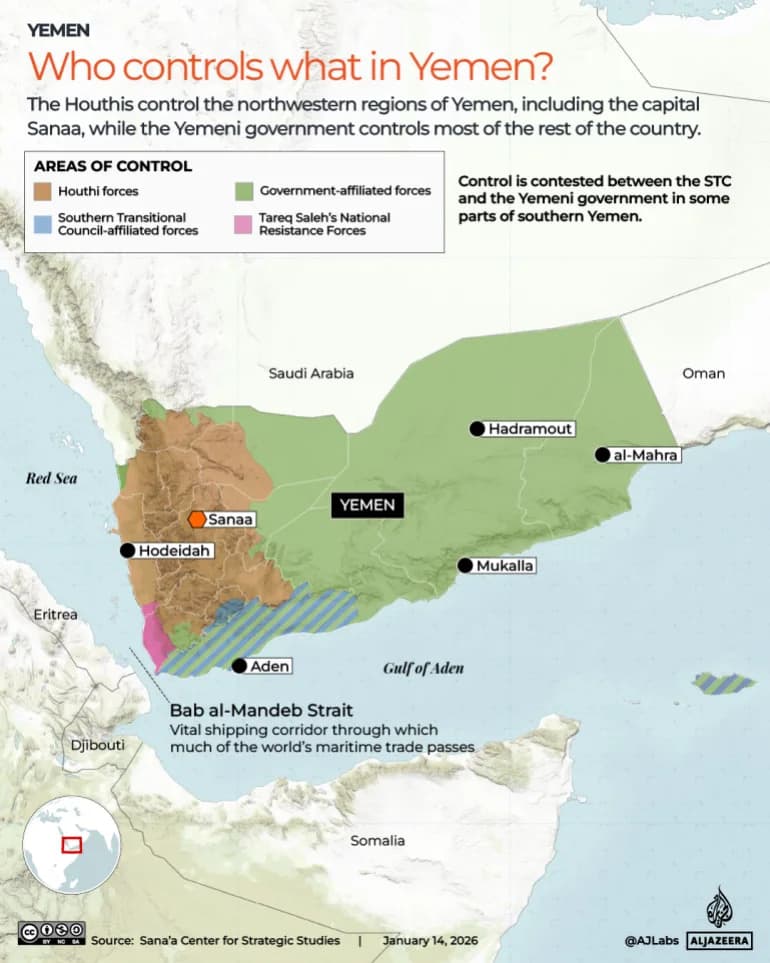
1609 Houthis – updated control map
The group has also adapted seaborne attack methods: explosive drone boats and, according to some Yemeni sources, efforts to develop autonomous submersibles and sea mines that could threaten shipping in the Bab el-Mandeb and wider Red Sea.
Strategic Implications and Responses
For Iran, a localized proxy that can act independently increases strategic depth while preserving deniability. Observers describe this as a deliberate pattern of 'localization'—building partner groups that expand capability and act on shared strategic objectives, but which can operate with a degree of autonomy.
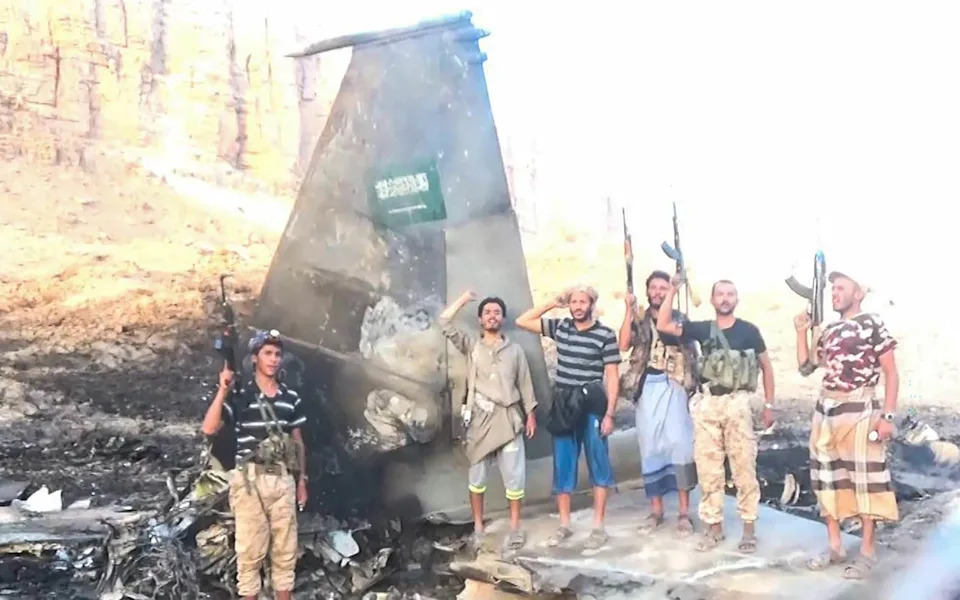
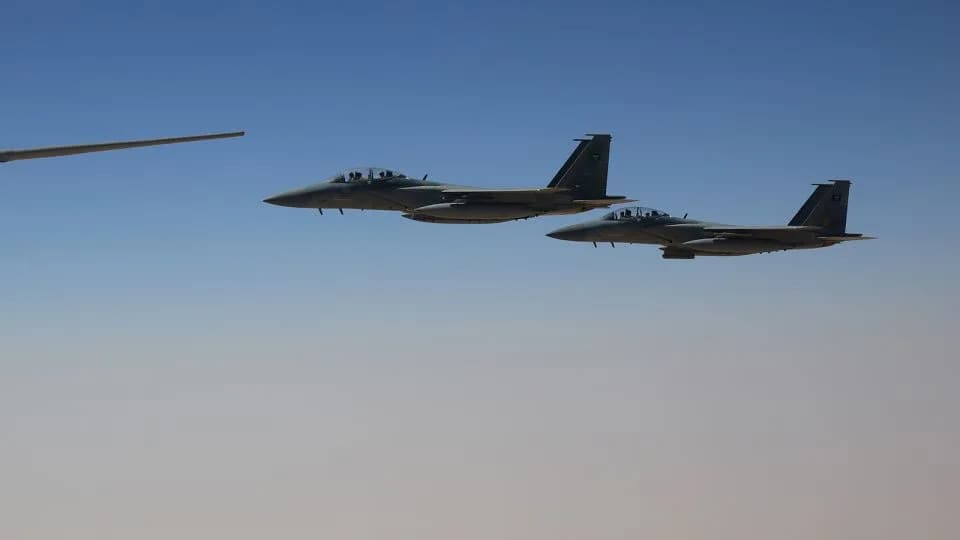
Houthi fighters managed to down a Saudi fighter jet in the latest example of their growing military capabilities
'They are projecting power, and they have a huge military infrastructure,' said Farea al-Muslimi, a Yemen research fellow at Chatham House. 'Their growth is as much about narrative and social mobilization as it is about weapons.'
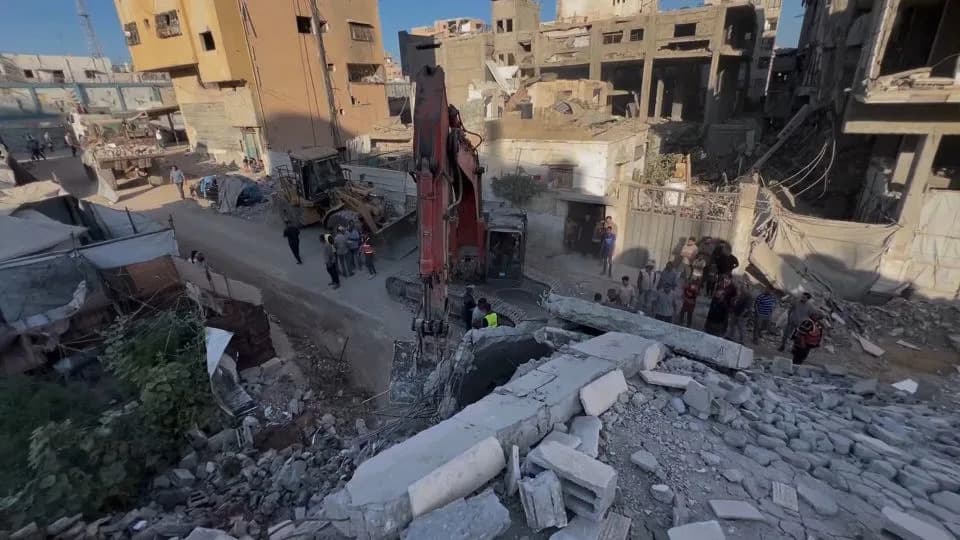
Air and naval strikes by the US, Israel and others have targeted Houthi sites, personnel and factories, but many analysts argue that strikes alone will not stop the group. Former Yemeni diplomats and regional scholars stress that changing power dynamics on the ground, political negotiation and addressing Yemen's deep civil divisions are essential to a durable solution. As one analyst put it, strikes do not eliminate the social and ideological drivers that sustain recruitment and local support.
Outlook
The Houthis now combine battlefield experience, external technical support, improvised production and regional smuggling networks. Their current capabilities pose a tangible risk to shipping, regional stability and global energy markets. Policymakers face the difficult choice between continued military pressure and efforts to broker political deals that address the underlying causes of Yemen's conflict.
Help us improve.