Driverless cars are increasingly operating in U.S. cities, but enforcement systems lag behind. Parking citations are straightforward and often billed to fleet operators, while moving violations raise complex questions about responsibility when no human is behind the wheel. California's new "Notice of Noncompliance" creates a DMV record for AV incidents, but critics say corporate penalties can feel weaker than fines and license points applied to human drivers. As fleets expand, clearer laws and tools are needed to protect public safety and preserve trust.
When Driverless Cars Break the Law: Who’s Responsible?
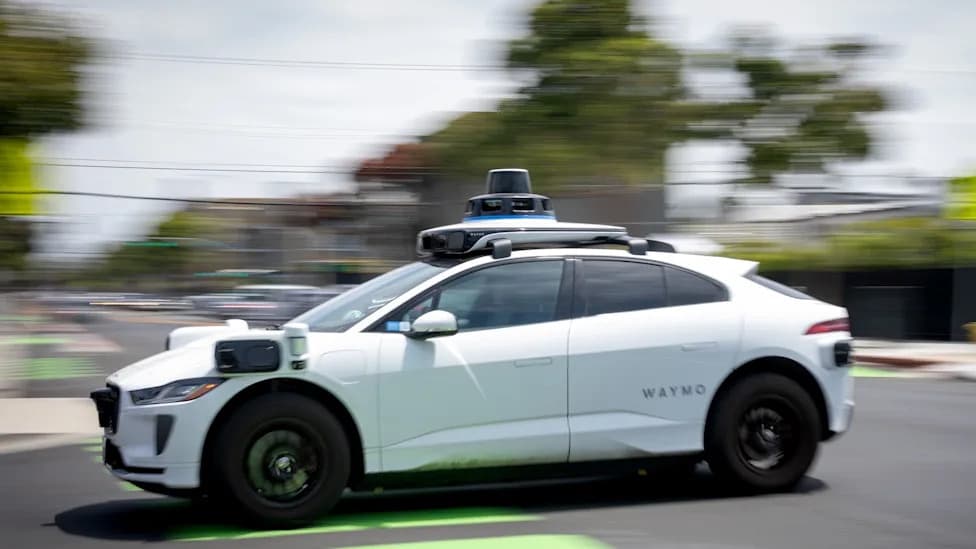
Regulators are in a race to catch up to AVs, which are increasingly being spotted breaking laws that would land human drivers in hot water.
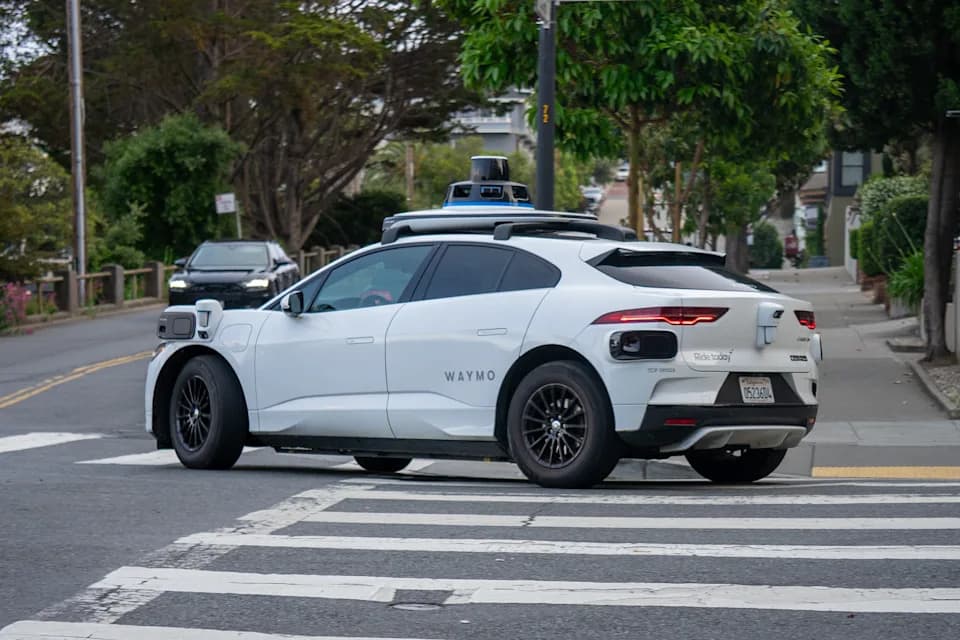
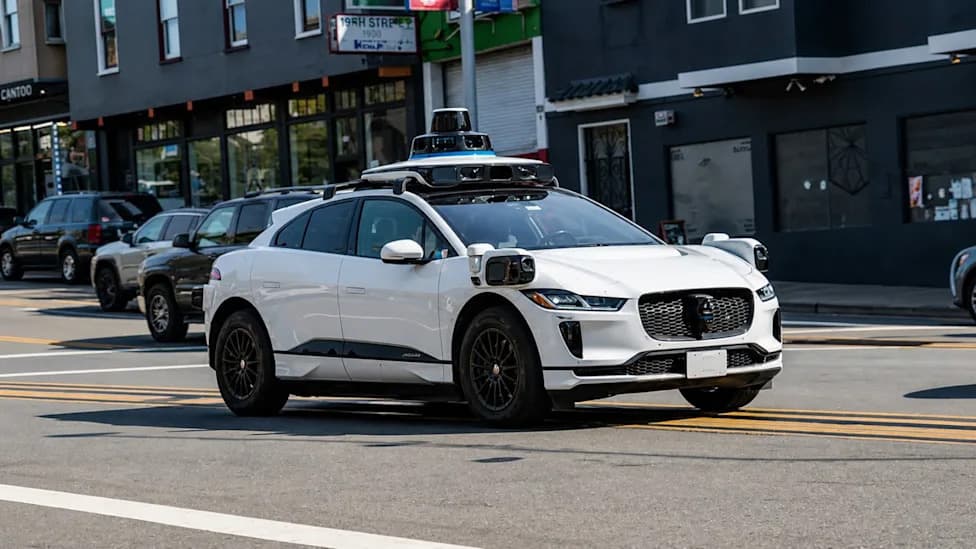
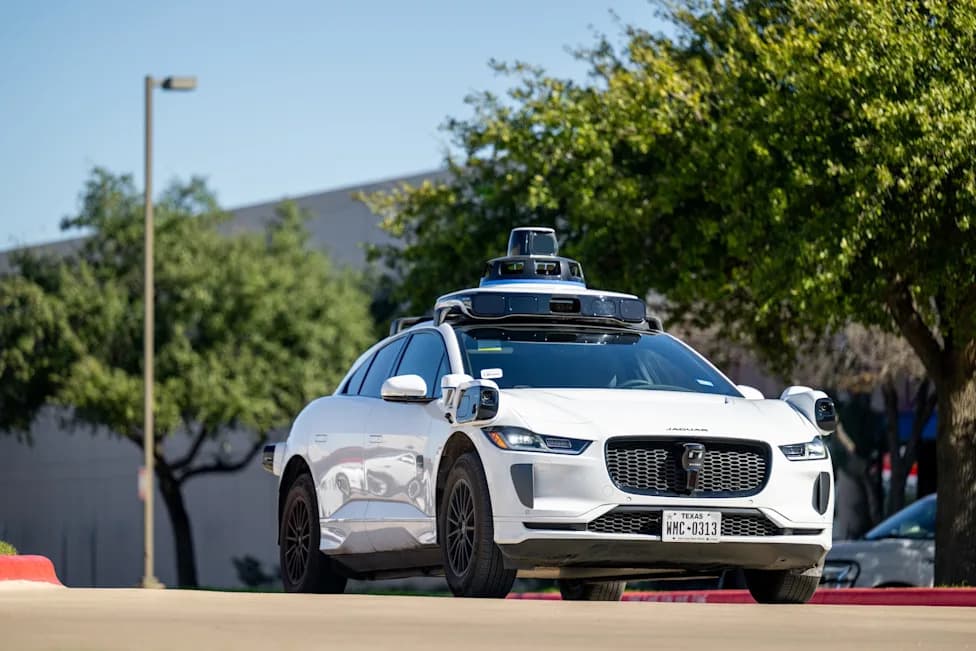
Driverless cars are no longer a futuristic novelty — they’re operating in multiple U.S. cities, accruing miles and passengers while also testing long‑standing assumptions about traffic enforcement. As autonomous vehicle (AV) fleets grow, high‑profile incidents and thousands of parking citations have exposed gaps in how police, regulators, and the public hold these vehicles and their operators accountable.
High‑Profile Incidents and Rising Complaints
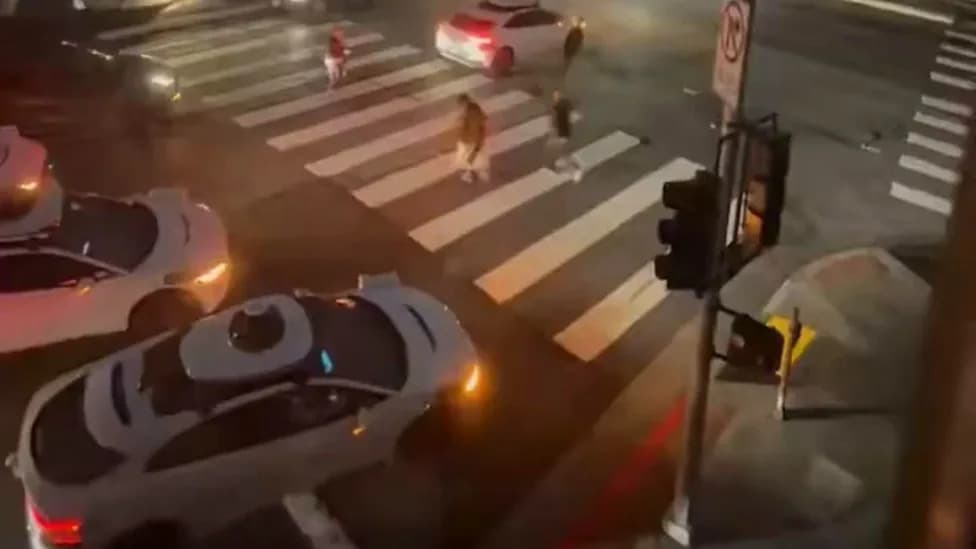
Over recent months, several alarming episodes involving Waymo robotaxis have drawn attention. During July Fourth celebrations near San Francisco’s Golden Gate Bridge, multiple Waymo vehicles reportedly experienced technical trouble; one vehicle is said to have driven over an exploding firework with two passengers on board. The riders escaped physical harm but reported smelling smoke and exiting the vehicle at the next intersection.
Other incidents include allegations that two Waymo vehicles in California cut off a motorist and blocked her for nearly 50 minutes, creating a traffic backup and prompting frantic 911 calls. In Austin, as many as five Waymo vehicles reportedly obstructed police and emergency responders en route to an active shooting that left multiple people dead and injured. These episodes underscore the real‑world safety and operational questions around AVs.
Parking Tickets Versus Moving Violations
Enforcement plays out differently depending on the infraction. Parking tickets are the simplest to issue: police treat an empty, illegally parked autonomous vehicle the same as any registered car, and fines are typically billed to the vehicle’s registered owner — usually the operating company. In 2024, Waymo reportedly accumulated more than 589 parking tickets in San Francisco totaling around $65,065, with additional citations in Los Angeles and Austin. Zoox has also received parking‑related citations.
Moving violations — blocking traffic, illegal U‑turns, running red lights — are more complicated. Many jurisdictions lack clear procedures to cite a vehicle with no human driver. Officers can signal an AV to pull over, and many robotaxis are programmed to detect police flashers, but gaps remain: some vehicles have trouble recognizing emergency signals, and many ticketing systems and citation forms are structured around a present human driver.
"In principle, AVs are licensed drivers and someone owns and operates them," says Gregory Keating, professor at USC Gould School of Law. "They should be treated like any other licensed driver."
Who Gets Held Accountable?
Determining responsibility gets thornier as the AV ecosystem fragments. Today, only a handful of companies operate robotaxis, so identifying an operator is often straightforward. But the future could include separate companies providing driving software, vehicle manufacturers, fleet operators, and private owners retrofitting cars with automated systems — a mix that would complicate enforcement and liability.
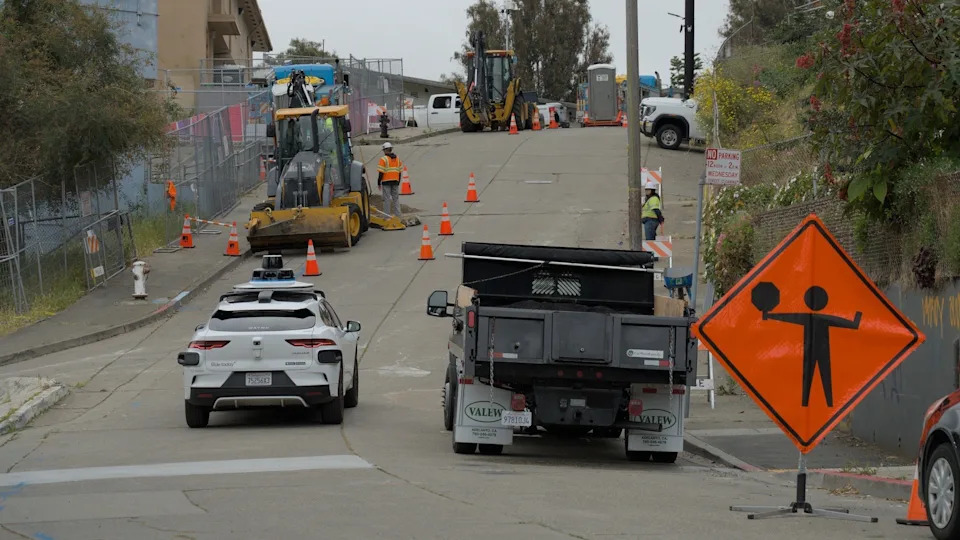
An autonomous Waymo car drives into the blocked off Potrero Annex construction site while a construction worker watches.Image: Getty ImagesThomas Hunter II/Alamy Live News
Some jurisdictions are experimenting with new regulatory tools. California now allows police to issue a "Notice of Noncompliance" to an AV, creating an official DMV record of an incident within 72 hours. Regulators can use these notices as one factor when deciding whether a company should retain its autonomous operating permit. Unlike human drivers — who receive traffic‑point penalties and risk license suspension — companies face indirect enforcement: permit restrictions, public scrutiny, or potential revocation rather than immediate driver‑point penalties.
Data, Safety Claims, and Public Trust
Supporters point to research showing AVs can be safer than humans in certain conditions and to companies’ ability to apply fleet‑wide software updates based on incidents. Waymo, for example, has argued that its fleet can rapidly incorporate safety learnings across all vehicles.
But analyses by news organizations and federal reports paint a mixed picture: CNN and federal records documented numerous instances of AVs running red lights, entering oncoming lanes, or failing to heed emergency closures. The National Highway Traffic Safety Administration (NHTSA) reported at least 13 Waymo vehicles entering active construction zones, prompting temporary route suspensions while the company adjusted operations.
Why This Matters
The enforcement gap can feel unfair to everyday drivers: corporations can often absorb parking fines as business costs, while an individual motorist may suffer financial hardship from a few tickets. Regulators and cities with early AV exposure — San Francisco, Los Angeles, Phoenix, and Austin — are still shaping consistent policies even as fleets expand quickly. Waymo’s fleet growth from roughly 700 vehicles to nearly 4,000 in about a year illustrates the pace of change.
Ultimately, resolving these issues will require clearer laws, better ticketing tools that accommodate driverless vehicles, more transparent reporting, and regulatory frameworks that balance public safety with technological innovation. As AVs become a more visible symbol of AI in everyday life, how they are regulated and held accountable will shape broader public trust in automation.
Sources: Popular Science, The Washington Post, CNN, NHTSA, The New York Times, interviews with experts in AV policy.
Help us improve.