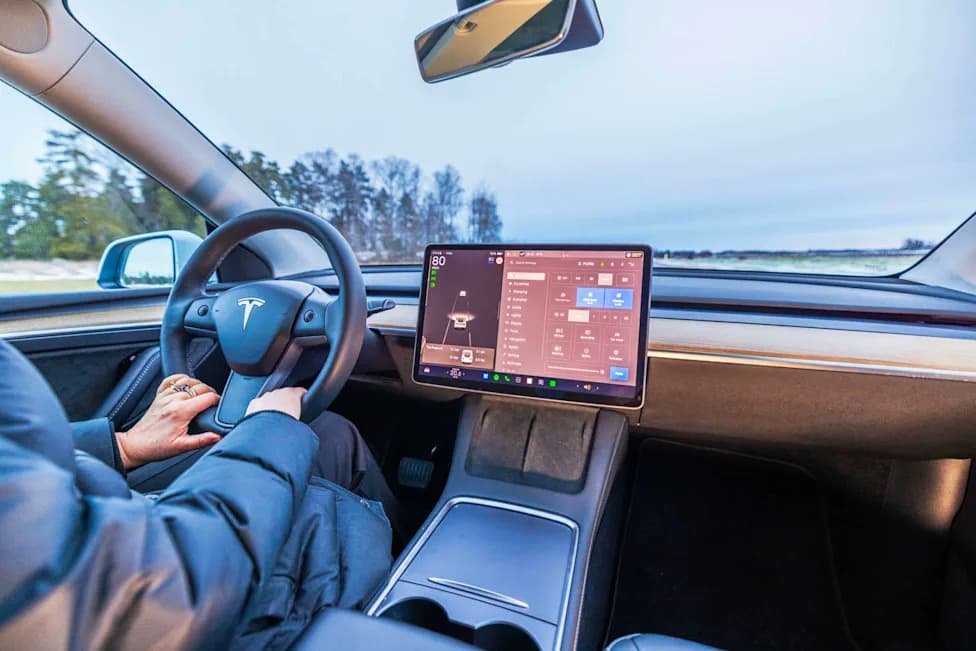
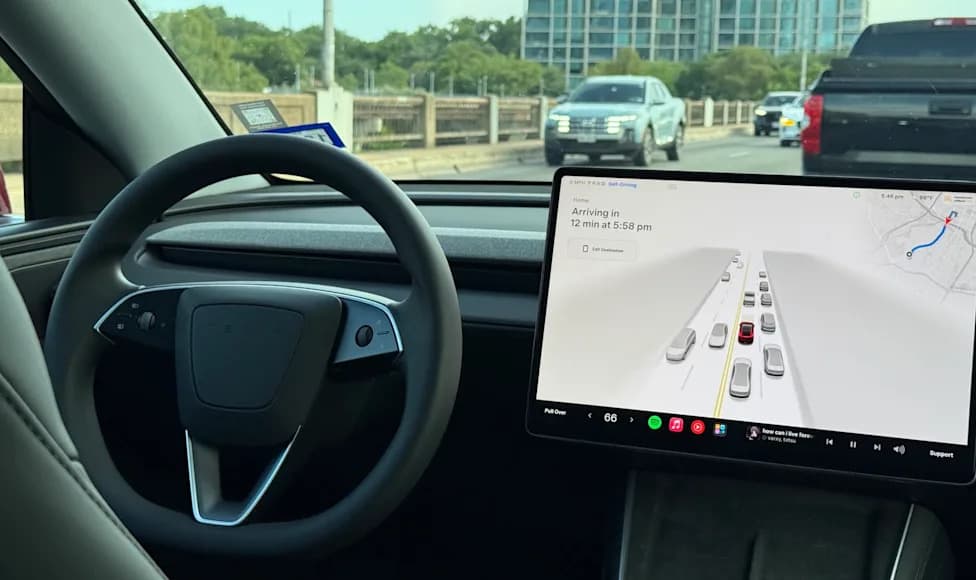
U.S. Rep. Raja Krishnamoorthi has asked the NHTSA to investigate whether Tesla’s Autopilot and Full Self-Driving (FSD) systems include sufficient safeguards after an NBC review identified 43 videos showing apparent sleeping drivers. NHTSA already has six open Tesla-related probes, including an upgraded engineering analysis of FSD after crashes in reduced-visibility conditions—one of which killed a pedestrian. Regulators and safety groups classify current Tesla FSD as Level 2, meaning drivers must actively supervise the vehicle, and questions have intensified as Tesla rolls out its Cybercab robotaxi.
Rep. Krishnamoorthi Urges NHTSA Probe After Videos Show Drivers Asleep in Teslas
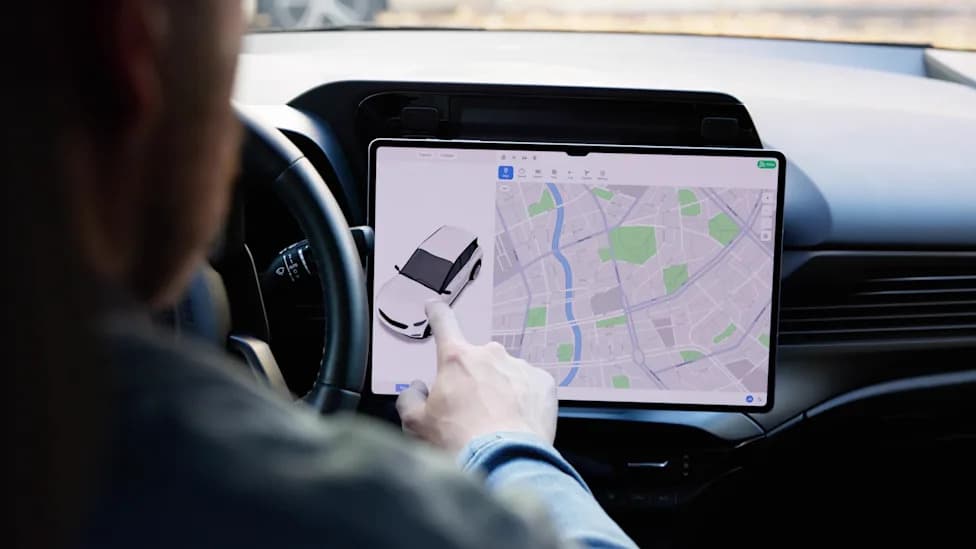
Photo Credit: iStock
Videos appearing to show drivers asleep while their Teslas were moving on public roads have prompted renewed federal scrutiny of Tesla's driver-assistance systems.
After reviewing those clips, U.S. Rep. Raja Krishnamoorthi (D-Ill.) asked federal regulators to open an inquiry, according to USA Today. In a letter sent this week to the U.S. Department of Transportation, the congressman urged the National Highway Traffic Safety Administration (NHTSA) to evaluate whether Tesla’s Autopilot and Full Self-Driving (FSD) suites include adequate safeguards to ensure drivers remain engaged while the systems are active.
Evidence Cited: Krishnamoorthi referenced an NBC News review that identified 43 videos which appear to show individuals asleep in the driver’s seat of moving Teslas, including 17 posted this year alone. The congressman stressed that Autopilot and FSD are not autonomous systems and require active human supervision.
"These incidents are particularly alarming because Autopilot and FSD require active driver supervision and are not autonomous driving systems," Krishnamoorthi wrote, as reported by USA Today.
Ongoing Federal Scrutiny: NHTSA currently has six open probes related to Tesla vehicles. One of those probes is an engineering analysis of FSD that the agency upgraded in March after several Teslas crashed under reduced-visibility conditions such as sun glare, fog, and airborne dust. NHTSA has said one of the crashes under review resulted in a pedestrian fatality.
Autonomy Classification: Automated driving capability is commonly described on a five-level scale: Level 1 covers basic driver assists, while Level 5 denotes fully autonomous vehicles able to operate without human monitoring. The California Learning Resource Network (CLRN) classifies Teslas equipped with the company's FSD package as Level 2 systems, meaning the human behind the wheel must monitor the road and be ready to intervene. CLRN observed that while FSD has advanced features and verges on Level 3 in some respects, it does not meet Level 5 autonomy.
Tesla’s own Model 3 manual reinforces this limitation: "You must remain attentive and be ready to take over at all times while Full Self-Driving (Supervised) is engaged. While Full Self-Driving (Supervised) is engaged, the cabin camera monitors driver attentiveness."
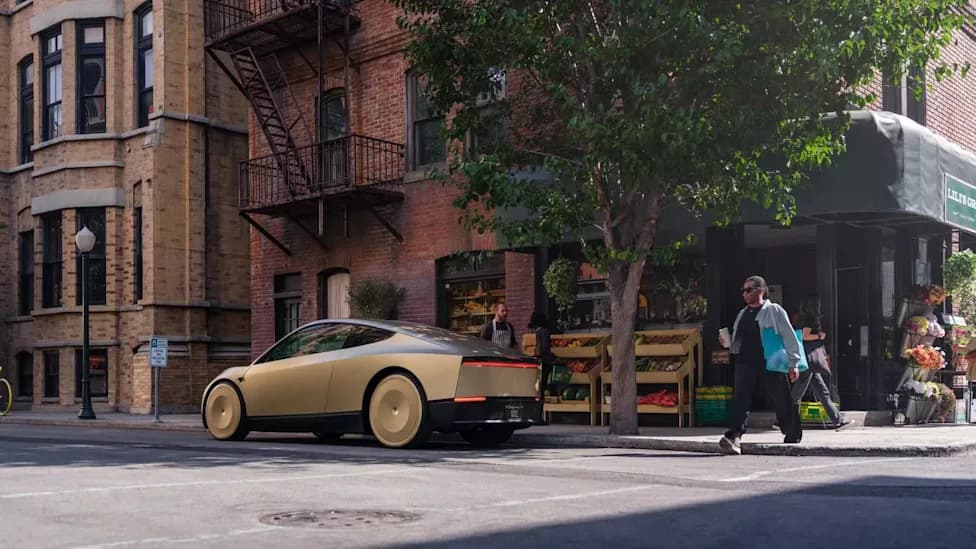
New Products, New Questions: The increased attention to driver behavior coincides with Tesla's rollout of its two-seat Cybercab robotaxi. USA Today reported that NHTSA has opened an investigation into Cybercab operations, raising further questions about how safeguards are implemented as the company expands new services.
Krishnamoorthi asked NHTSA to determine whether Tesla has implemented sufficient protections to prevent driver disengagement when assistance features are active and whether lessons from prior investigations have been fully addressed.
Context: Federal reviews form part of a wider conversation about how Tesla's driver-assistance features work in the real world, including reports of risky behavior by drivers, owner complaints about Autopilot, and broader safety concerns involving electric vehicles and advanced driver-assistance systems.
Help us improve.