Quick Take: The Trump administration’s EPA is withdrawing a Biden-era rule that would have forced many coal and gas power plants to sharply reduce greenhouse-gas emissions by 2039 and is arguing the Clean Air Act doesn’t authorize such regulation. The rollback removes projected health benefits and sets up a likely court showdown that could limit future federal climate action. States, utilities and households still have tools—like renewables, storage and efficiency—to cut emissions even without new federal limits.
Trump-Era EPA Moves To Erase Power-Plant Climate Limits, Setting Up Major Legal Clash
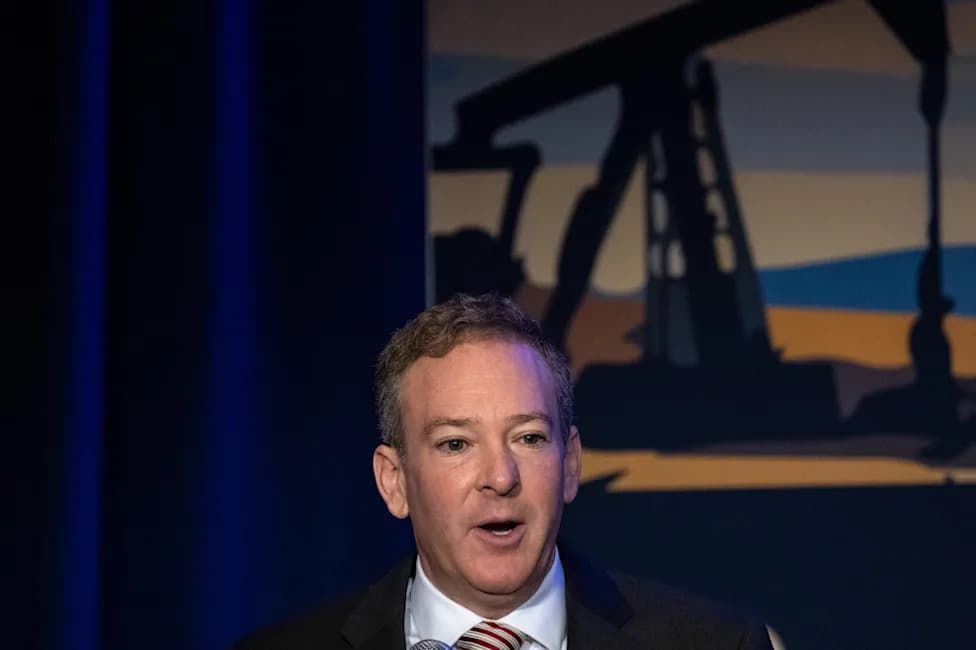
Photo Credit: Getty Images
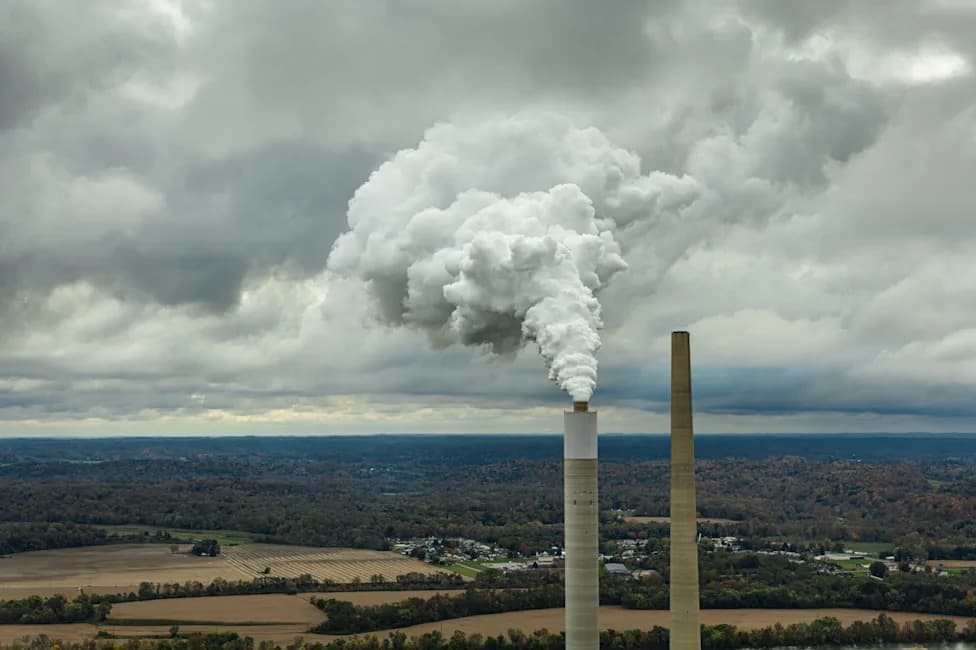
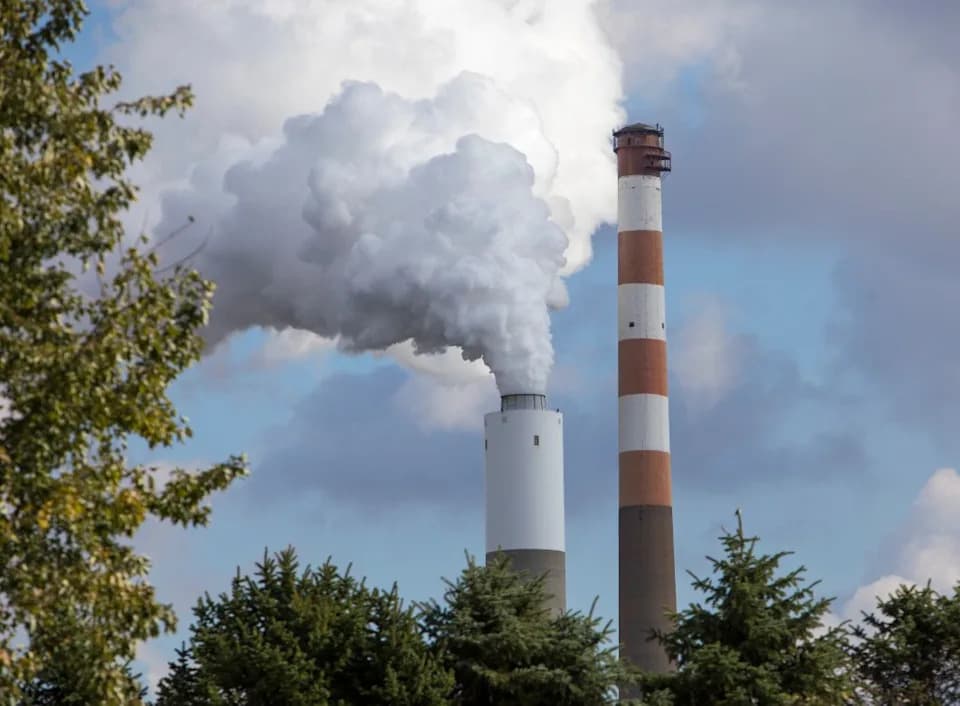
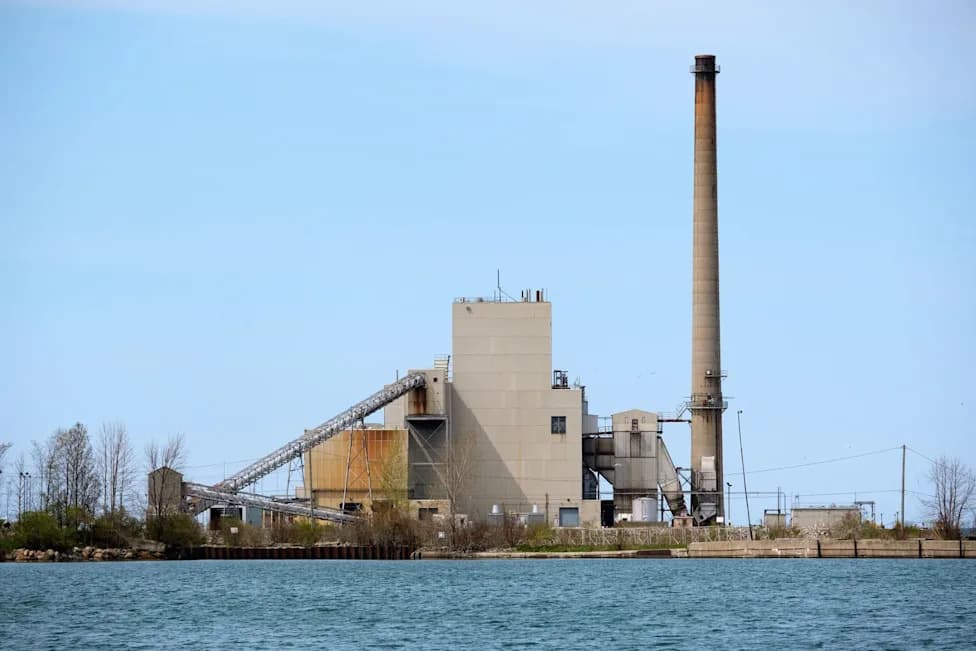
Federal regulators under President Donald Trump have moved to withdraw a Biden-era rule that capped climate pollution from coal- and natural-gas–fired power plants, a shift with major consequences for U.S. efforts to curb one of the country’s largest sources of heat-trapping emissions.
The Environmental Protection Agency (EPA) announced it will repeal the 2024 power-plant rule and separately argue that the Clean Air Act does not authorize the agency to regulate greenhouse-gas emissions from power plants. If federal courts accept that second argument, it could make it far harder for future administrations to restore federal limits on power-sector pollution.
What the Rollback Would Change
The Biden-era rule would have required many coal plants to sharply cut emissions by 2039 or face closure; the EPA’s withdrawal removes that federal requirement. The administration estimates the original rule would have produced roughly $120 billion in health-related benefits by 2047, and for 2035 alone projected up to 1,200 fewer premature deaths, 360,000 fewer asthma attacks and 48,000 fewer missed school days.
Administration Rationale and Reactions
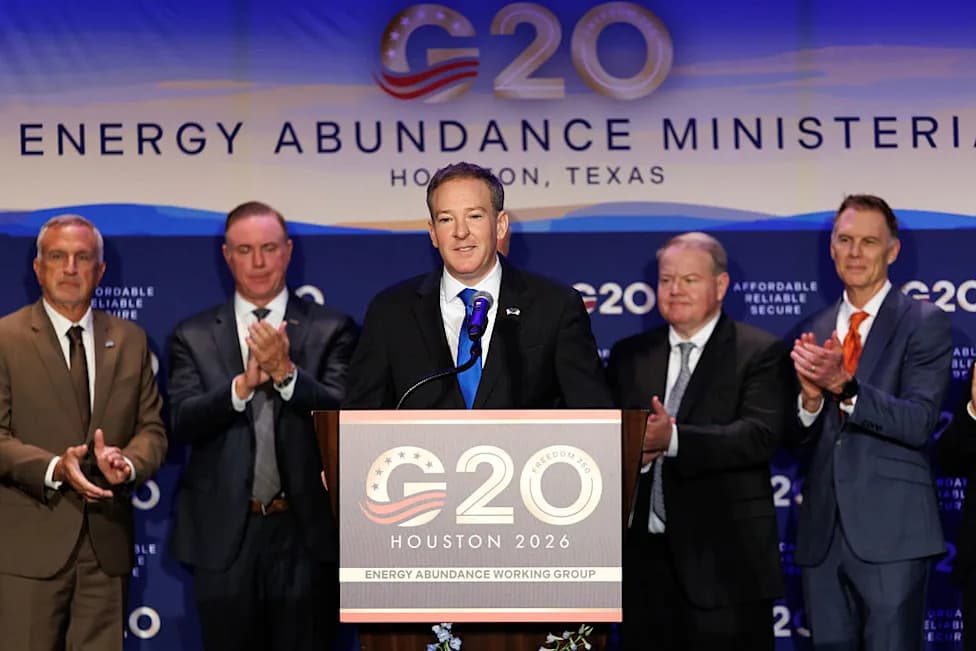
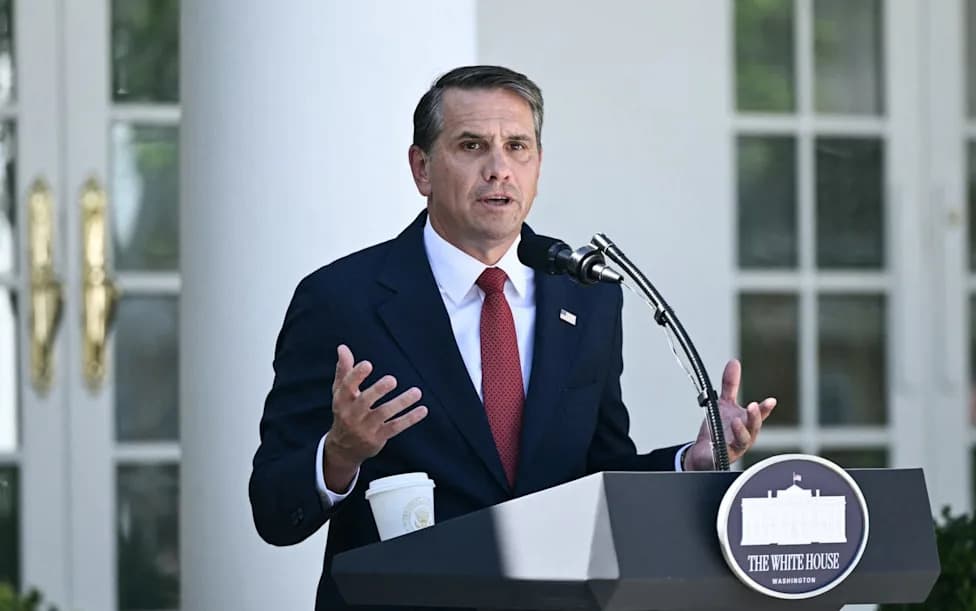
EPA Administrator Lee Zeldin framed the move as undoing policies that he and others have described as a “war on coal,” and the agency asserted that emissions from U.S. power plants have “no material impact on global climate change.” That position has been strongly disputed by environmental scientists, public-health experts and energy analysts.
“And I still have to get an emissions test for my vehicle just to have it registered in my state and be allowed to drive it,” a Reddit user commented. Another wrote: “Full steam off the edge of the cliff, aye?”
Health, Climate and Energy Context
Power generation is the second-largest source of planet-warming gases in the United States; if the U.S. power sector were treated as its own country, it would rank among the world’s largest emitters. Burning coal and gas increases warming and intensifies extreme weather, while emissions from plants also release soot and other pollutants that aggravate respiratory illnesses and strain public services and household budgets.
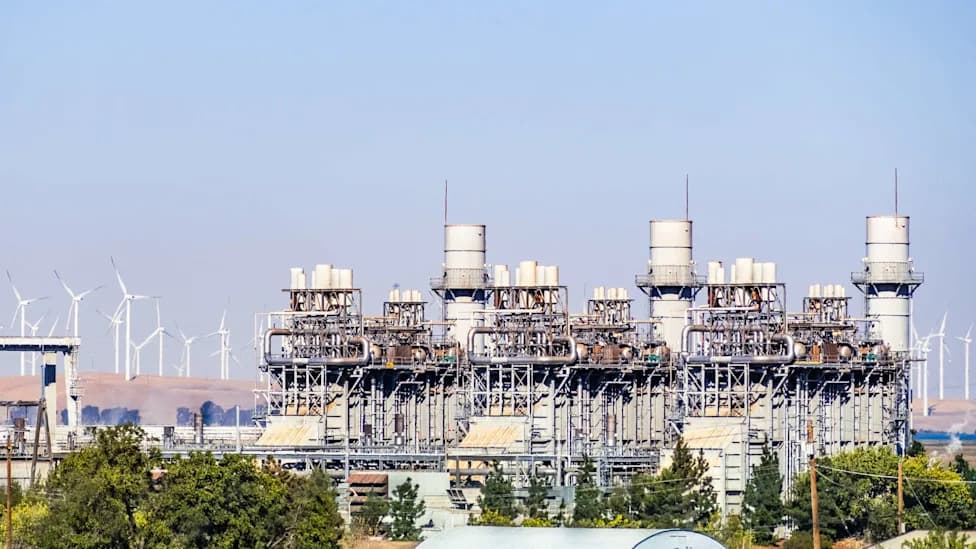
Coal’s share of U.S. electricity generation has fallen from more than half in 1990 to roughly 17% in 2025. Still, utilities are adding new natural-gas capacity to meet rising electricity demand, including growth linked to large data centers powering artificial-intelligence services.
Legal Fight Expected
Several Democratic-led states and environmental groups have already signaled they will sue to block the EPA’s rollback. The twin strategy—repeal plus a broad legal claim about statutory authority—could produce a high-stakes court battle that ultimately reaches the Supreme Court over the federal government’s ability to regulate greenhouse gases.
Options For States, Utilities And Households
Even absent stricter federal limits, states, utilities and communities retain tools to reduce emissions: expanding solar and wind deployment, investing in battery storage, boosting energy efficiency, and retiring or replacing older fossil-fuel plants. Household measures such as weatherization, efficient appliances, and smarter heating and cooling choices can also reduce demand and lower bills.
Broader EPA Agenda
The move on power-plant limits is part of a wider EPA effort to revisit or weaken several environmental safeguards. Other proposals under consideration include looser oversight of coal ash, rollbacks of air-pollution policies, and changes that could limit regulation of certain hazardous chemicals.
The dispute over power-plant pollution cuts to the scientific and legal foundations of U.S. environmental policy and could have far-reaching ripple effects for public health, energy systems and national climate goals.
Help us improve.