The Houthis say Saudi warplanes struck Yemen as the Iran-aligned group cements rapid gains along the Red Sea and Bab el-Mandeb. The U.S. barred government staff from within 20 miles of the Yemen border amid the escalation. Attacks that disabled Saudi Arabia’s East–West Pipeline threaten up to ~4% of global oil flows, sending Brent toward $108/bbl and U.S. diesel above $6.30/gal. Washington has met Houthi representatives and faces a choice on deeper military support to protect energy routes.
Saudi Airstrikes Strike Yemen as Houthis Cement Rapid Gains, Raising Global Energy Fears
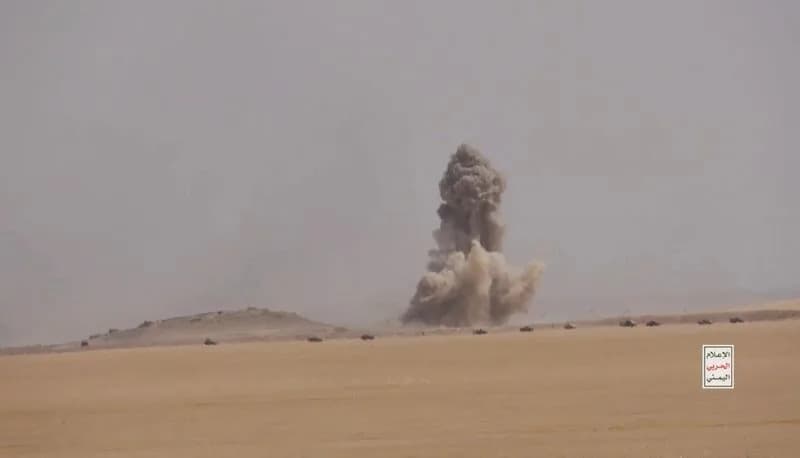
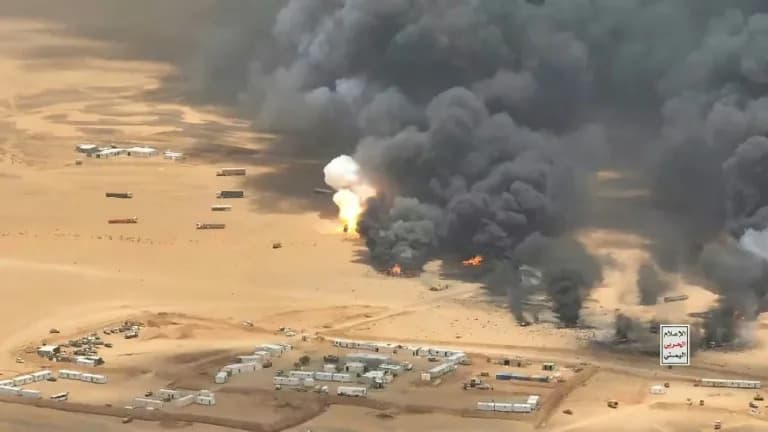
Smoke billows into the sky in a screengrab from a video said to show Houthi fighters attacking Saudi-backed forces in the location given by the source as al Jawf governorate, Yemen, in this screengrab taken from a video released by Houthi Military Media on September 15, 2026. HOUTHI MILITARY MEDIA/Handout via REUTERS
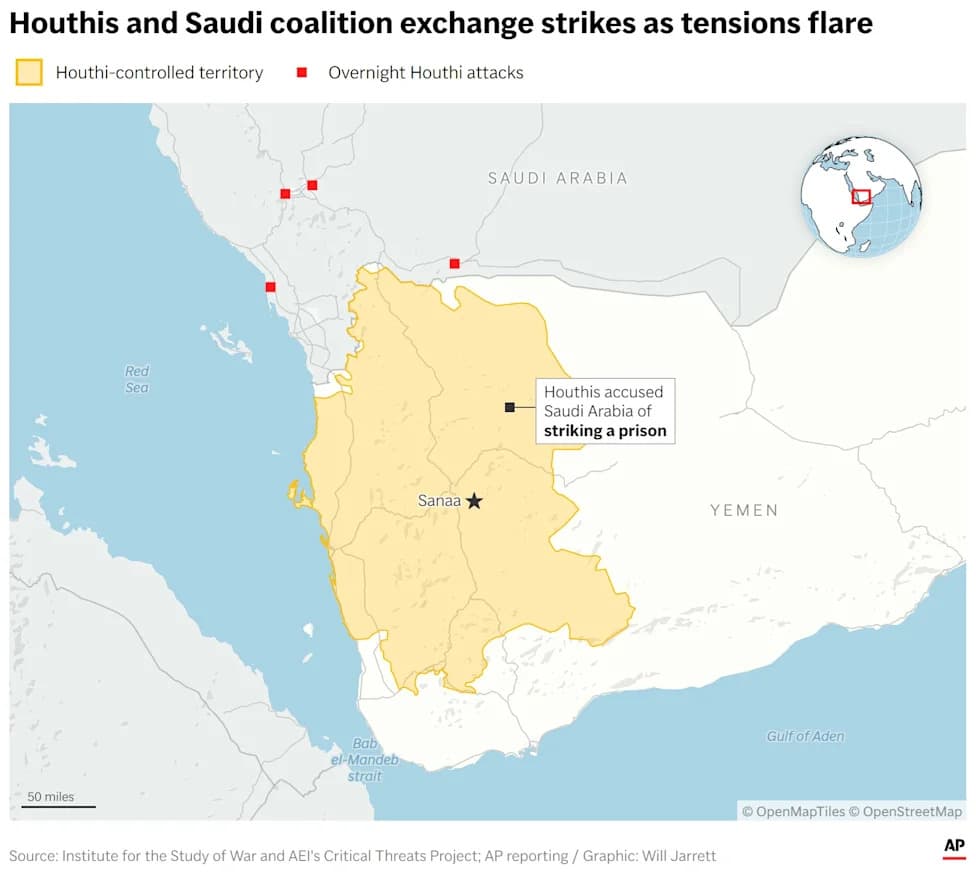
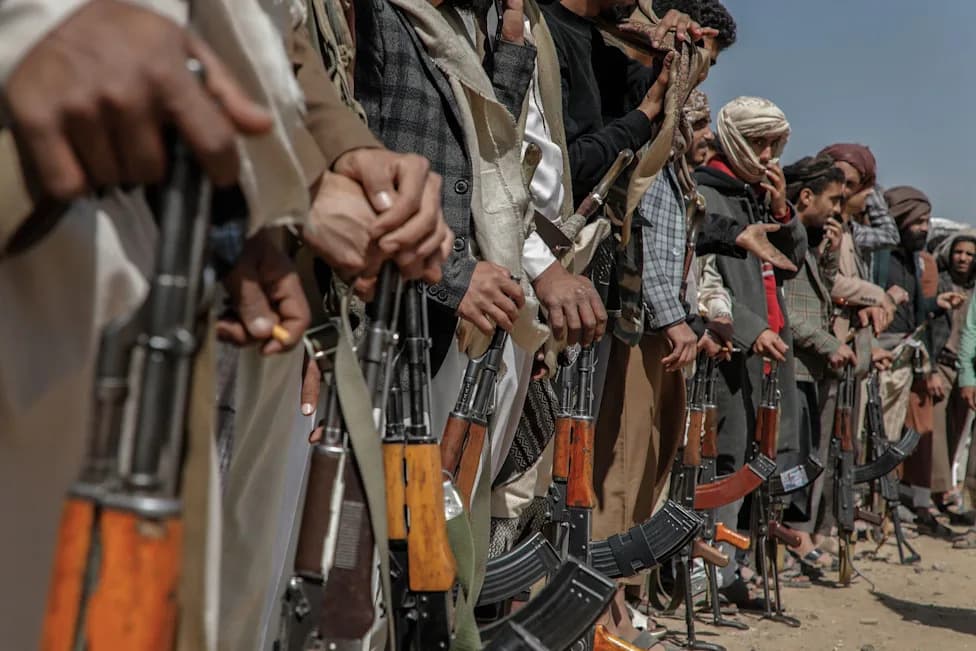
Saudi warplanes struck targets in Yemen, Houthi commanders said on Wednesday, as the Iran-aligned movement consolidated territory after a rapid advance along the Red Sea coast and around the Bab el-Mandeb strait. The surge has extended Tehran’s influence in a widening regional confrontation and added fresh pressure on global oil supplies.
In response to the escalation, the U.S. tightened its travel guidance for Saudi Arabia, barring government employees from traveling within 20 miles of the Yemen border. The move underscores concern about the conflict spreading into a new theatre.
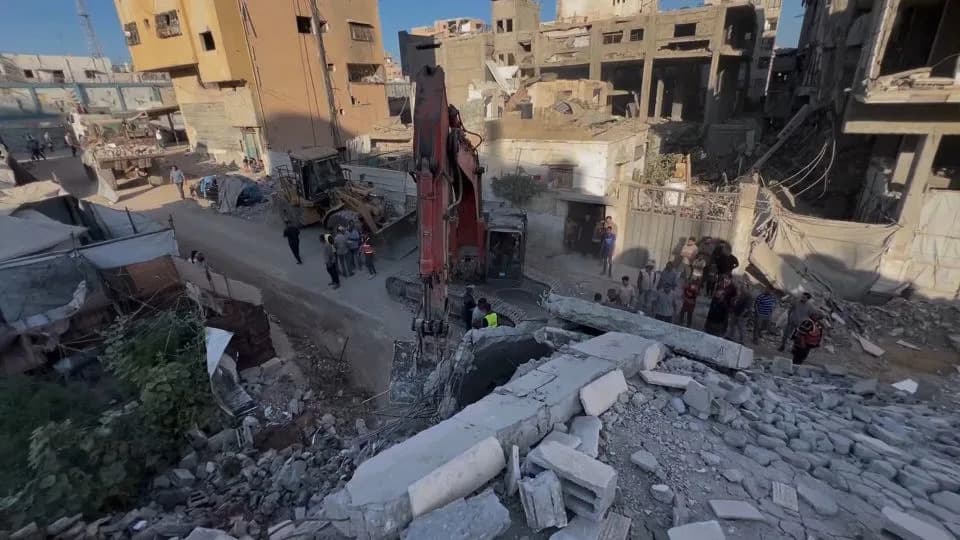
The Houthis released overnight battlefield footage showing fighters seizing armored vehicles from forces allied with the Saudi-backed government, with explosions and warplanes visible in the background. Houthi military spokesman Yahya Saree said the group had shot down a Saudi F-15; that claim was not independently verified and Saudi authorities had not responded to requests for comment.
Saree also claimed Riyadh had carried out as many as 450 air strikes on Yemen over the week. Officials in the Saudi-backed administration that governs southern Yemen acknowledged joint operations against Houthi positions, though Saudi Arabia has not publicly detailed its role.
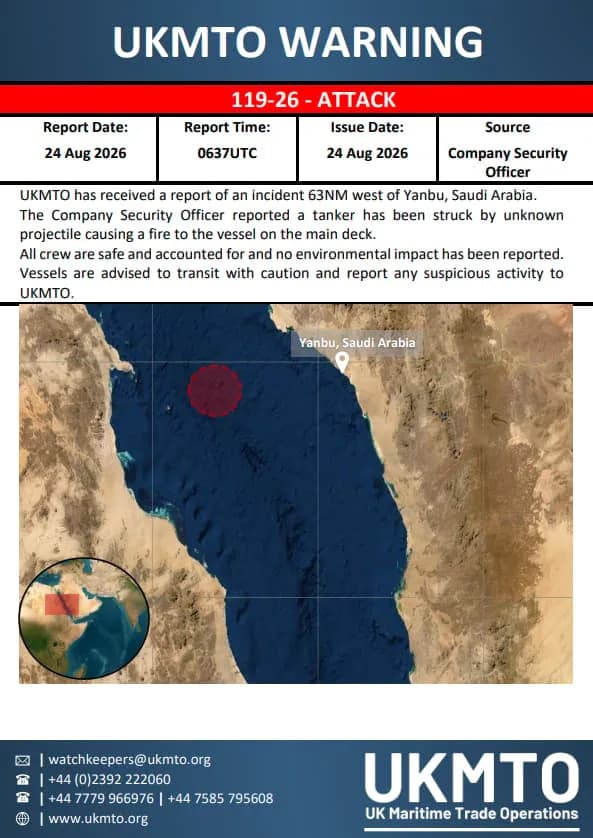
The Houthis have launched repeated strikes into Saudi territory in recent days, triggering alerts for cities in the south and west. Separately, an attack attributed to Iran-aligned fighters in Iraq knocked out Saudi Arabia’s East–West Pipeline — a key route used to reroute oil around the Strait of Hormuz — raising the prospect of a meaningful hit to global supply.
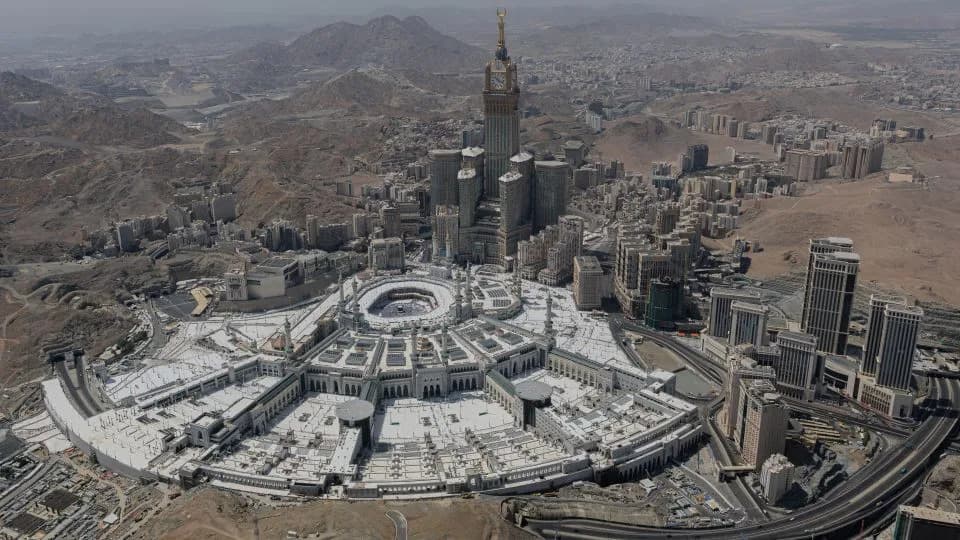
Riyadh said its air defenses intercepted a Houthi drone south of Mecca before it reached restricted airspace and warned the incident crossed a "red line" by threatening shrines sacred to Muslims worldwide. The Houthis denied targeting Mecca and called the Saudi account propaganda.
U.S. officials reportedly met Houthi representatives in Oman over the weekend, where the group said it did not intend to attack American vessels and reaffirmed commitment to a ceasefire reached with Washington last year.
Danger For Global Energy Supply
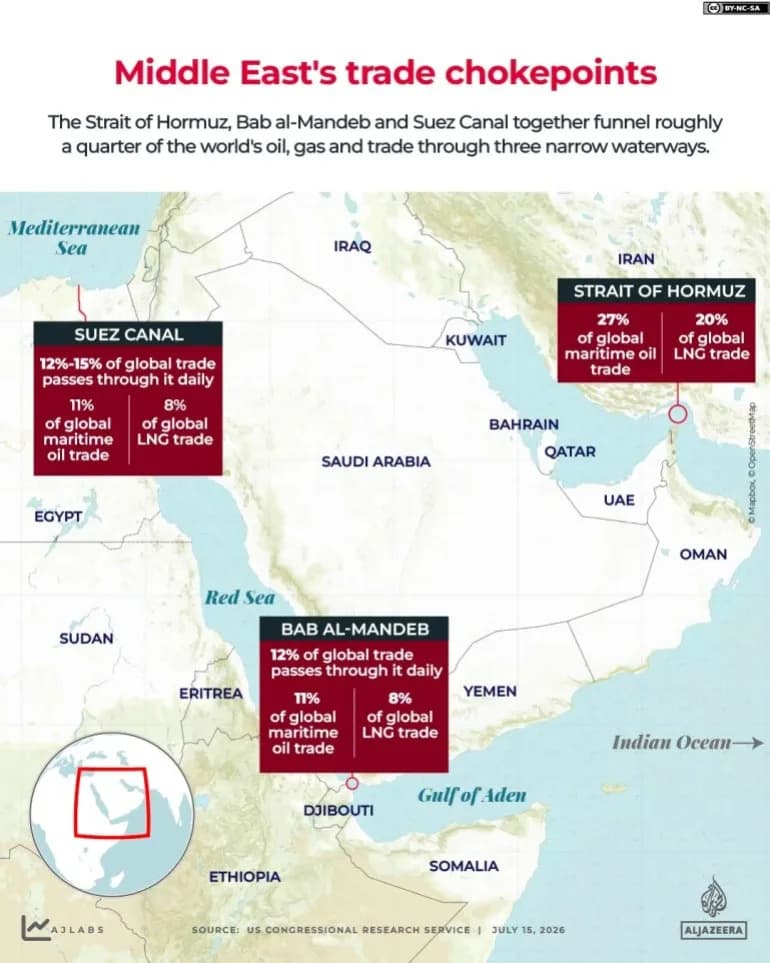
The spread of fighting into Yemen risks aggravating a global energy supply squeeze already intensified by months of fighting between U.S.- and Israel-aligned forces and Iran, which has disrupted shipping through the Strait of Hormuz. Brent crude was trading near $108 a barrel, close to its highest level since May, and the U.S. retail diesel price climbed past $6.30 a gallon.
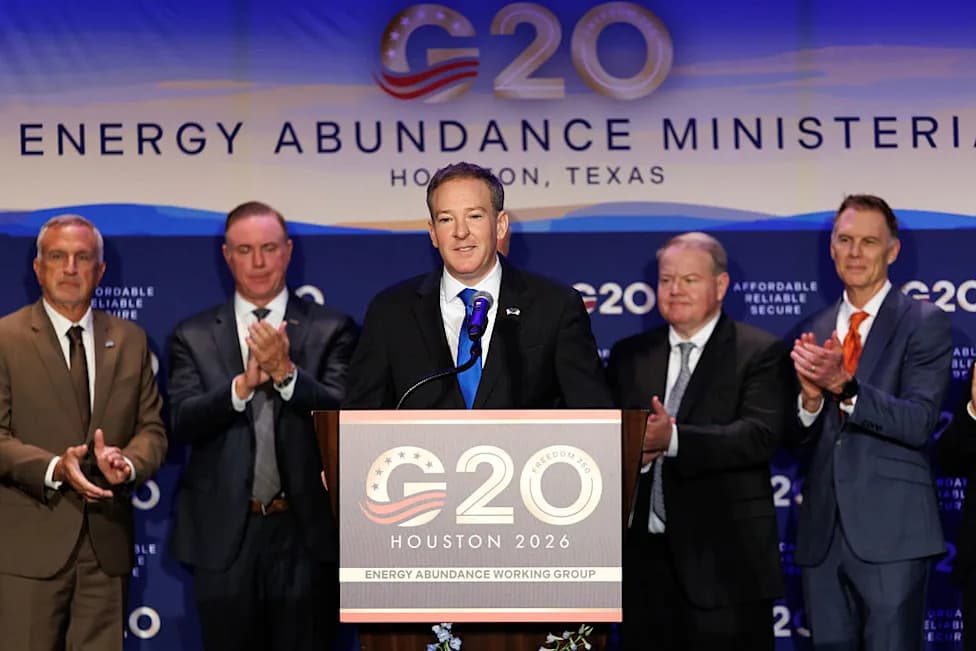
Traders warn that a prolonged shutdown of the East–West Pipeline could remove up to about 4% of world oil supply. Saudi authorities have not provided a timeline to restart the pipeline; U.S. Energy Secretary Chris Wright told CNBC that crude could flow through the line within days.
What Comes Next
Saudi Arabia has led a coalition against the Houthis since 2015. A ceasefire in recent years reduced large-scale fighting, but tensions flared after the Houthis declared a naval blockade in July and stepped up attacks on southern Saudi areas. Violence has sharply intensified this month as the Houthis pushed back forces aligned with the Saudi-backed internationally recognized Yemeni government.
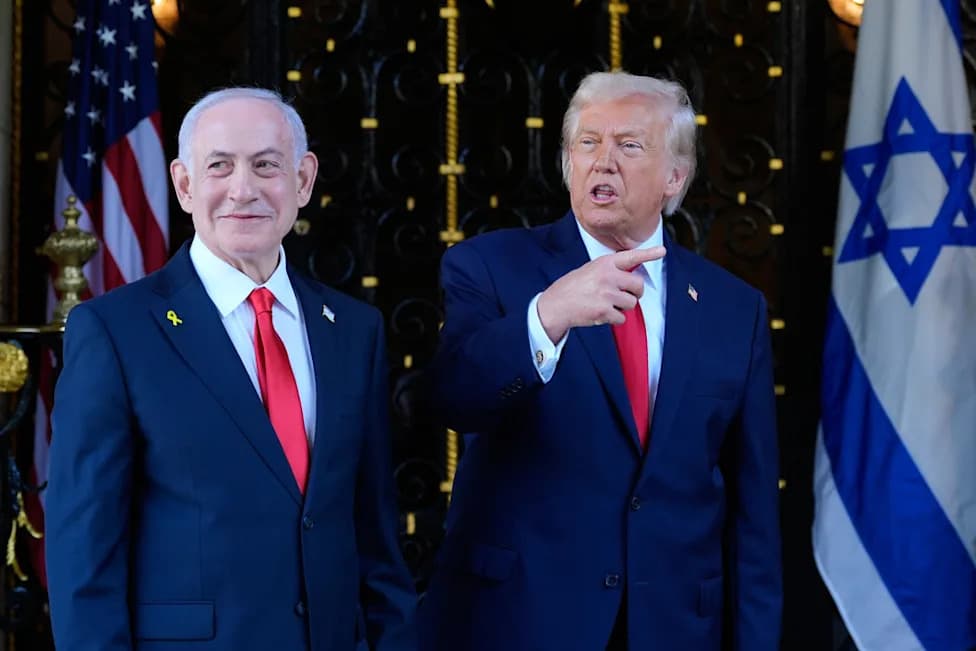
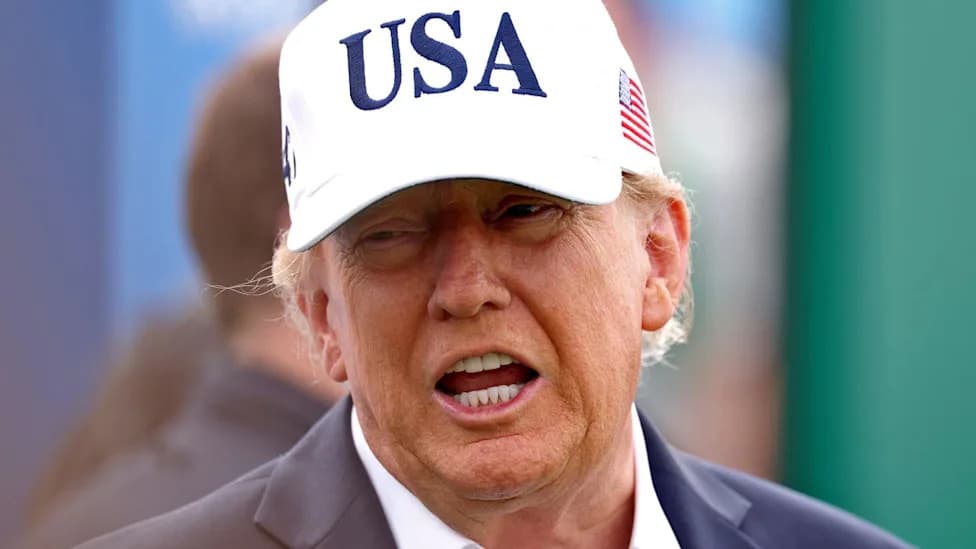
Crown Prince Mohammed bin Salman has asked the United States for military support; Washington’s assistance so far has been limited to intelligence sharing. The Trump administration faces a strategic choice: provide more direct military support to defend shipping and energy supplies and risk expanding U.S. involvement, or refrain and risk a deeper disruption to global energy markets.
Note: Some battlefield claims remain unverified. Reporting is based on statements from Houthi spokespeople, local officials, and multiple sources; Saudi authorities had not responded to requests for comment at the time of publication.
Help us improve.