Young Americans face a mounting mental-health emergency driven by cyberbullying, social-media harms, academic and economic pressure, and unequal access to care. Shortages of behavioral-health providers, especially in rural and low-income areas, combine with policy decisions — funding cuts, administrative rollbacks, and changes to 988 services — to threaten progress. Evidence-based responses include expanding school-based care, protecting 988 funding, improving access to clinicians, safe-storage firearm laws, and stronger platform and AI safeguards.
The National Youth Mental-Health Crisis Washington Keeps Missing
Distressed person
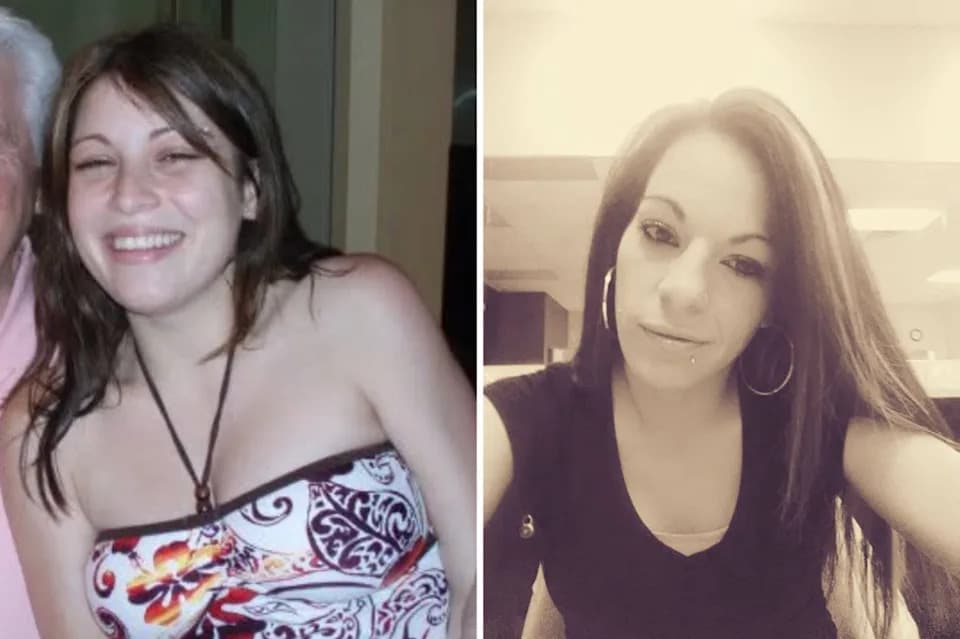
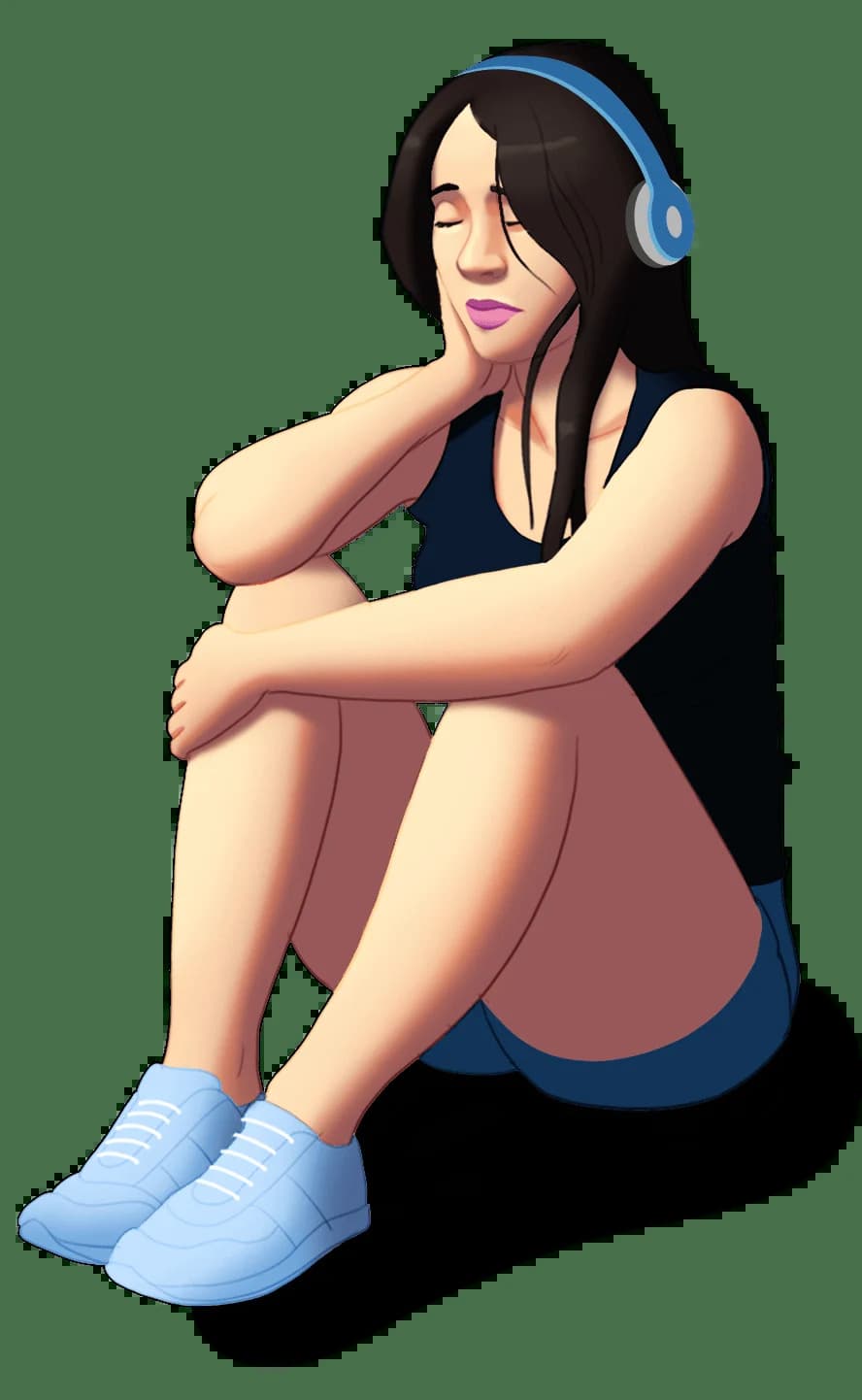
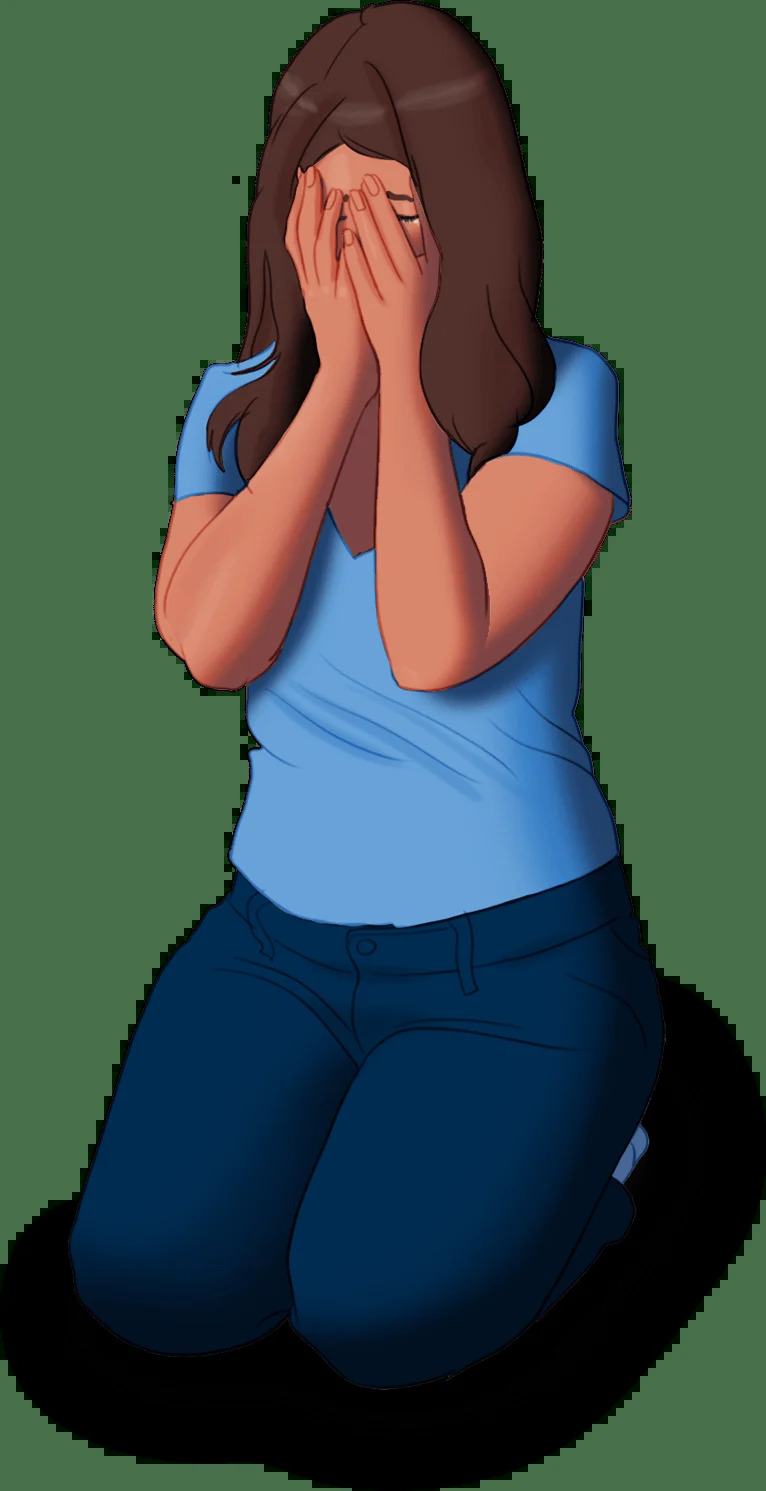
When she was 11, Maddie sank into a despair that made everyday life nearly unbearable. A classmate had photoshopped her school portrait onto a dog and classmates circulated altered versions. Bullied at school and isolated at home, she turned to Crisis Text Line, where volunteer crisis counselors taught her grounding and breathing techniques that helped keep her alive.
Young Lives, Repeated Strain
Maddie's story — and those of other young people interviewed here — illustrates a pattern now familiar to clinicians and public-health officials: rising anxiety, depression, suicidal thoughts, and a fragile safety net. For many adolescents and young adults, the stresses of cyberbullying, relentless academic pressure, economic insecurity, racial and cultural stigma, and social-media exposure combine with sparse local services to produce a public-health emergency.
"I wanted to keep pushing through. I wanted to feel like I had everything together... That year of hospitalizations was honestly the hardest thing I've ever had to do in my life," Maddie said.
Where The Data Point
The statistics are stark. In 2023, suicide was the second-leading cause of death for people ages 10–34. Surveys show that roughly 11% of adults 18–25 reported serious suicidal thoughts in the prior year, and a 2025 federal report found about 15% of youth 12–17 experienced a major depressive episode in the previous year.
Access to care is uneven. Approximately 40% of Americans live in areas with a shortage of behavioral-health providers. Nonmetropolitan counties are especially underserved: nearly half lack a psychologist, about two-thirds lack a psychiatrist, and more than four in five lack a psychiatric nurse practitioner.
Interlocking Drivers
Multiple, interwoven factors drive the crisis:
- Social Media and Digital Isolation: Platforms can amplify bullying, promote harmful content (including pro-eating-disorder accounts), and encourage unhealthy comparisons that worsen body image and depressive symptoms.
- Academic and Economic Pressures: College debt, competitive academic cultures, and insecure job prospects intensify stress and feelings of failure.
- Structural Inequities: Poverty, housing instability, systemic racism, criminal-justice involvement, and stigma around mental illness (especially in some communities of color) raise risk and limit help-seeking.
- Lack Of Local Resources: Rural and low-income urban areas often lack clinicians and services, and transportation or cost barriers prevent care even where providers exist.
- Access To Lethal Means: Firearm suicide among youth increased substantially in recent years; safe-storage laws and reduced access matter in prevention.
Policy Frictions And Progress
Things that have helped include the rollout of the 988 Suicide & Crisis Lifeline. Between 2022 (when 988 launched broadly) and December 2024, suicide deaths among people ages 15–34 fell by about 11%, with the largest reductions in states where call volume was highest.
But federal actions and budget choices risk reversing progress. Recent administrative changes, grant freezes, layoffs at the Substance Abuse and Mental Health Services Administration (SAMHSA), reductions in specialized 988 services for some LGBTQ+ youth, and proposed Medicaid cuts could reduce access to school-based and community behavioral-health services — particularly for low-income and rural youth.
Gun safety legislation remains politically contentious at the federal level, though state-level child-access-prevention laws that require safe storage are associated with declines in youth firearm suicides. Meanwhile, lawmakers are debating digital policy: bills to enforce age verification and limit harmful content on platforms raise trade-offs between privacy, censorship risk, and online safety.
New Risks: AI And Platform Accountability
Generative AI and chatbots have become another risky frontier. Lawsuits allege harmful chatbot responses to suicidal users; research shows companies have improved safeguards for direct self-harm queries but often lack tailored protections for conditions like substance use and eating disorders. Major platform providers also face multi-state litigation over alleged harms to teens.
Voices Of Resilience And Advocacy
Despite trauma and loss, many young people have found purpose through connection, art, and advocacy. Some volunteer with crisis lines, join outreach programs for incarcerated youth, or push for policy changes — such as the Campus Lifeline Act and state laws that allow excused absences for mental-health needs. These grassroots efforts underscore both the urgency of the problem and the power of lived experience in shaping solutions.
What Helps: Practical Steps
Experts and advocates point to evidence-based actions that can reduce risk and expand support:
- Fund and expand school-based mental-health services and Medicaid coverage for in-school care.
- Invest in the behavioral-health workforce and incentives for clinicians to accept insurance.
- Protect and sustain 988 funding (for example, via a modest telecom fee like 911 funding) and restore specialized options for vulnerable populations.
- Promote safe firearm storage laws and other targeted state-level interventions that reduce access to lethal means.
- Hold platforms and AI developers accountable for safety standards while protecting privacy and access to helpful resources.
- Support community-based programs that target rural, low-income, indigenous, LGBTQ+, and justice-involved youth.
Closing
The crisis is not inevitable; policy choices and community investment can save lives. Young people like Maddie, Ana, Keontè, Saanvi, Asheton, and Charlie show both how deep the wounds run and how resilience and advocacy can light a path forward — but without sustained funding, stronger safety nets, and practical policies, many more will remain without the help they need.
Distressed person
Distressed person
Distressed person
Distressed person

Distressed person

Distressed person

Distressed person
Distressed person
Distressed person

Distressed person
Distressed person
Distressed person
Distressed person
Distressed person

Distressed person
Help us improve.