President Trump says he has "spoken directly" with Iranian officials and hopes the conflict is "toward the end," but Tehran has not confirmed direct talks and insists the US meet conditions in a June MoU. The dispute has choked the Strait of Hormuz and helped push oil above $100 per barrel as fighting spreads to Yemen and Houthi forces seize parts of the Red Sea coastline. Diplomacy continues through intermediaries and global partners, but negotiations remain contingent on reciprocal steps and enforcement of existing agreements.
Trump Says He Spoke Directly With Iran — Is Diplomacy Finally Making Headway?
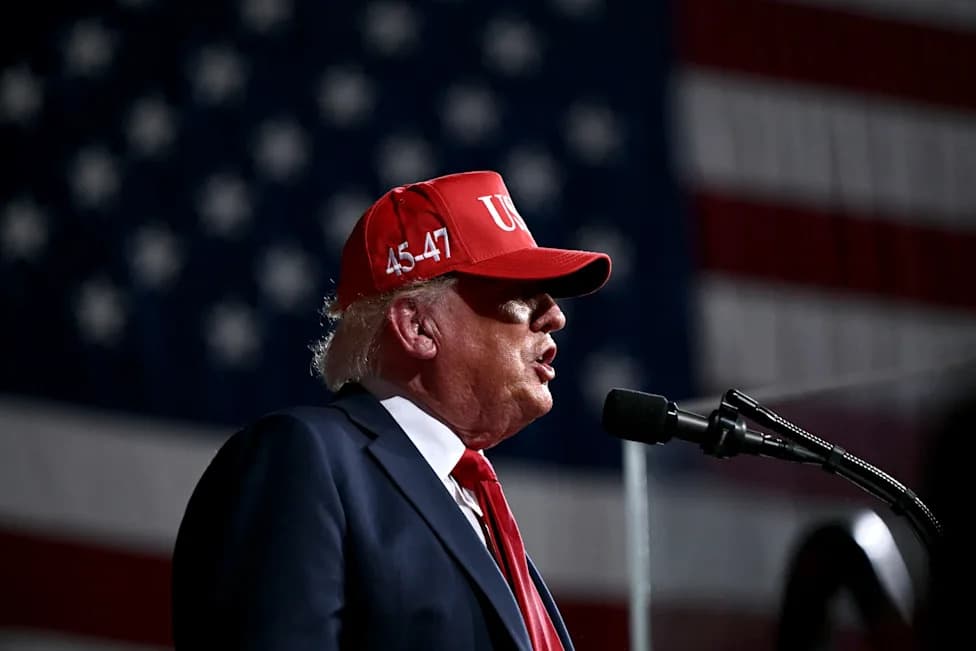
US President Donald Trump speaks at a rally at Gastonia Municipal Airport in Gastonia, North Carolina, on September 16, 2026 [AFP]
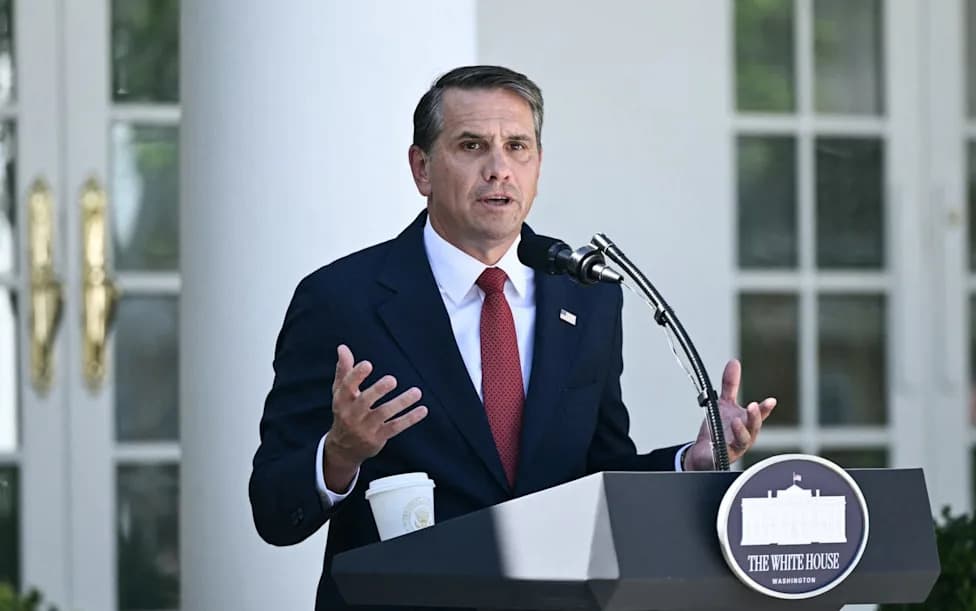
President Donald Trump said the United States is "hopefully toward the end" of its confrontation with Iran and asserted that he has spoken "directly" with Iranian officials, raising the possibility of renewed diplomacy even as the conflict widens into Yemen.
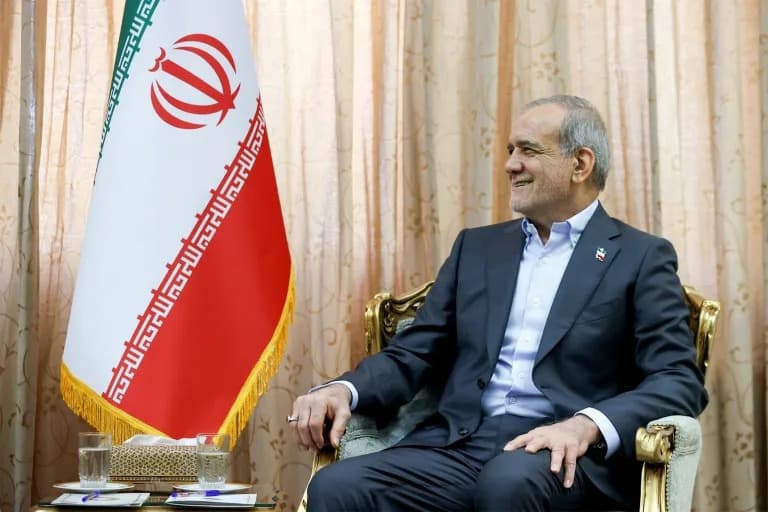
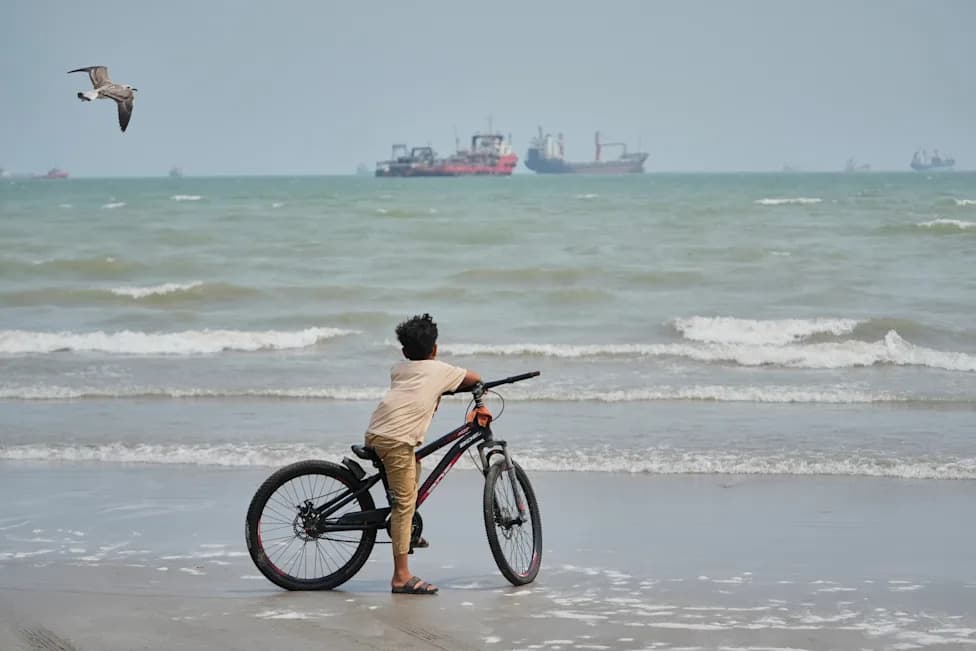
Tehran has not confirmed any direct negotiations with Washington. A senior Iranian official publicly rejected talks a day earlier, saying there would be "no talks until Iran's conditions are met." Iran has demanded that the US honour the terms of a June memorandum of understanding (MoU) and has effectively closed the Strait of Hormuz, through which roughly one-fifth of the world’s oil and gas flows.
Escalation, Energy and Regional Spillover
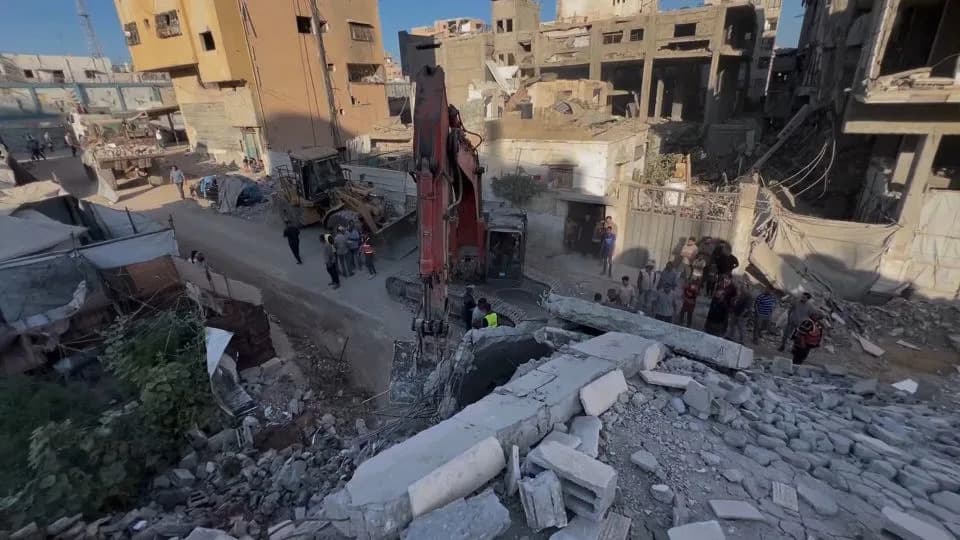
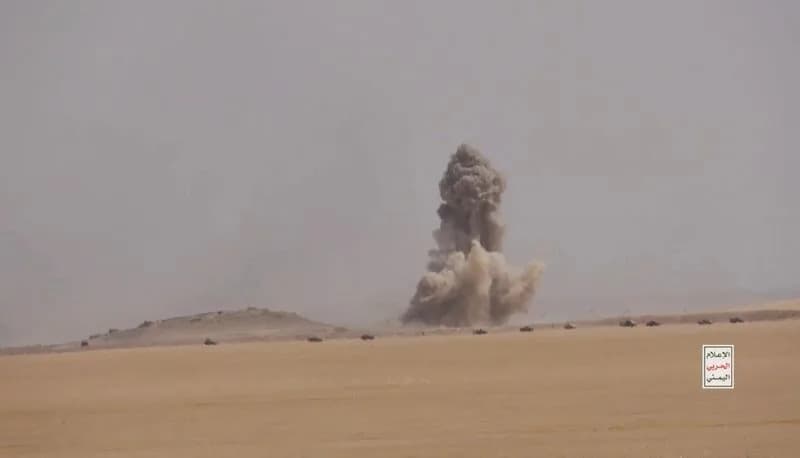
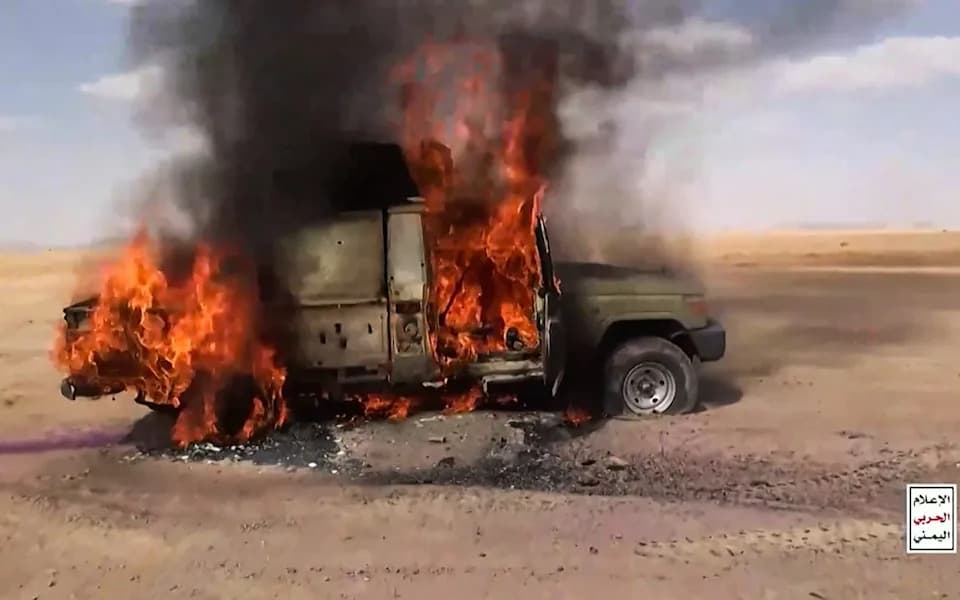
The widening confrontation has placed fresh strain on global energy markets: oil prices surged past $100 per barrel after Iran-linked Houthi forces attacked Saudi energy infrastructure and declared blockades in key waterways. Fighting has also spread to Yemen, where the Houthis have seized much of the Red Sea coastline and tightened control over the Bab al-Mandeb strait, a crucial alternative shipping route between Asia and Europe.
What Trump Said
"Well, hopefully we are toward the end of the war," Trump told reporters. When pressed on whether Iran had contacted him, he replied that he had spoken with them "directly."
While direct, high-level talks between Washington and Tehran would be notable, past negotiations have usually relied on intermediaries such as Qatar, Pakistan and Oman. Some Iranian officials and analysts have downplayed Trump’s claim, saying diplomatic activity has continued along established channels and remains centered on enforcing the existing MoU rather than opening broad new talks.
Diplomatic Moves And Mediators
Diplomatic engagement has continued through regional and global partners. Iran’s Foreign Minister Abbas Araghchi spoke by phone with Pakistan’s army chief, Field Marshal Asim Munir, while in Beijing and described consultations with Chinese officials as "successful." Chinese Foreign Minister Wang Yi urged both sides to exercise restraint and to "reopen the Strait of Hormuz at an early date." At the BRICS summit, President Xi Jinping signalled Beijing’s willingness to contribute to peace efforts.
US media report that President Trump is expected to meet Gulf leaders on the sidelines of the upcoming UN General Assembly to discuss the crisis. Separately, US officials met Houthi representatives in Muscat — with Oman’s help — and sources said the Houthis told US interlocutors they did not intend to attack American vessels and remained committed to a 2025 ceasefire with Washington.
Where Diplomacy Stands
Negotiations remain fragile. A Pakistan-brokered MoU intended to trigger a short peace-talk window collapsed last month amid mutual accusations of violations. Iranian leaders say they would return to the agreement if Washington honoured its commitments; US officials have signalled willingness to engage but have not confirmed a reciprocal package that Tehran demands.
Bottom line: Claims of "direct" contact between Trump and Tehran have raised hopes that diplomacy could resume, but Tehran’s public insistence on concrete reciprocity, the continued role of regional mediators, and the intensifying regional fighting mean a durable settlement is still uncertain.
Help us improve.