Residents of Isaccea, a Romanian town on the Danube opposite Ukraine, report increasing drone alerts and blasts from across the river, leaving many sleepless and fearful. Romania's defense data show a threefold rise in drone incursions and a sharp increase in drones and debris found on Romanian soil. In response, Romania has shot down drones, acquired MEROPS counter-drone systems, signed a $2 billion air-defense contract, and received EU security funds while coordinating with NATO allies.
Danube Drone Alerts Heighten Fear in Romanian Border Towns Near Ukraine
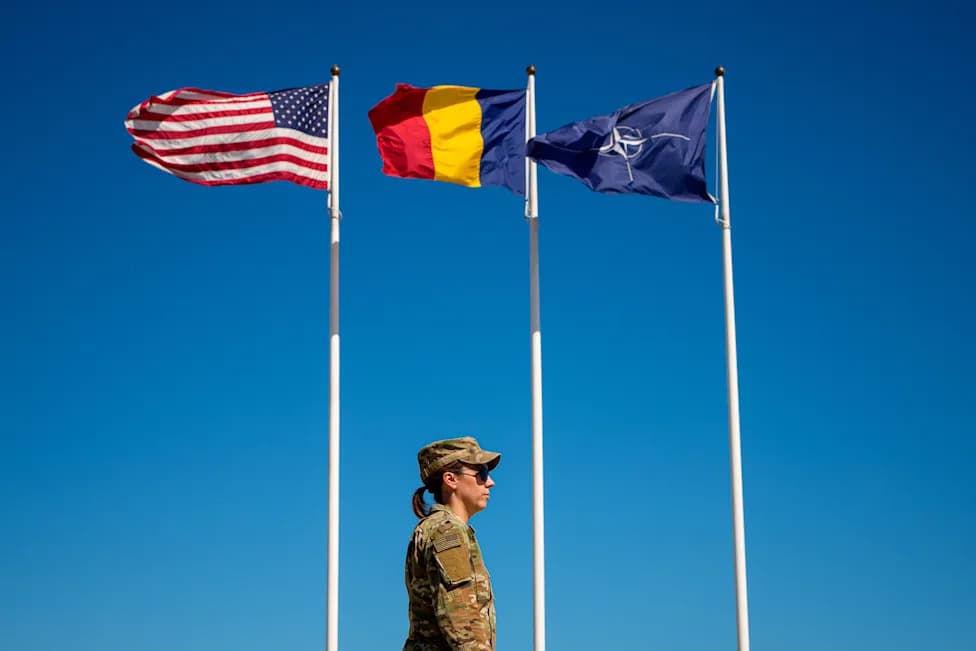
U.S. Staff Sergeant Alyssa Blom walks by flags at the Mihail Kogalniceanu Air Base, in Mihail Kogalniceanu, Romania, Thursday, Sept. 10, 2026. (AP Photo/Andreea Alexandru)(AP Photo/Andreea Alexandru)
The warning texts arrive first, followed minutes later by the distant blasts. For residents of Isaccea, a small Romanian town on the Danube opposite Ukraine, that pattern has become an unnerving nightly reality.
"There are alerts warning us that something is coming," said Robert Marian, 48, who lives near a crossing into Ukraine. "It happened two weeks ago, maybe three. I was asleep at midnight … One was quieter, but another was really loud. I got scared and ran out of the house."
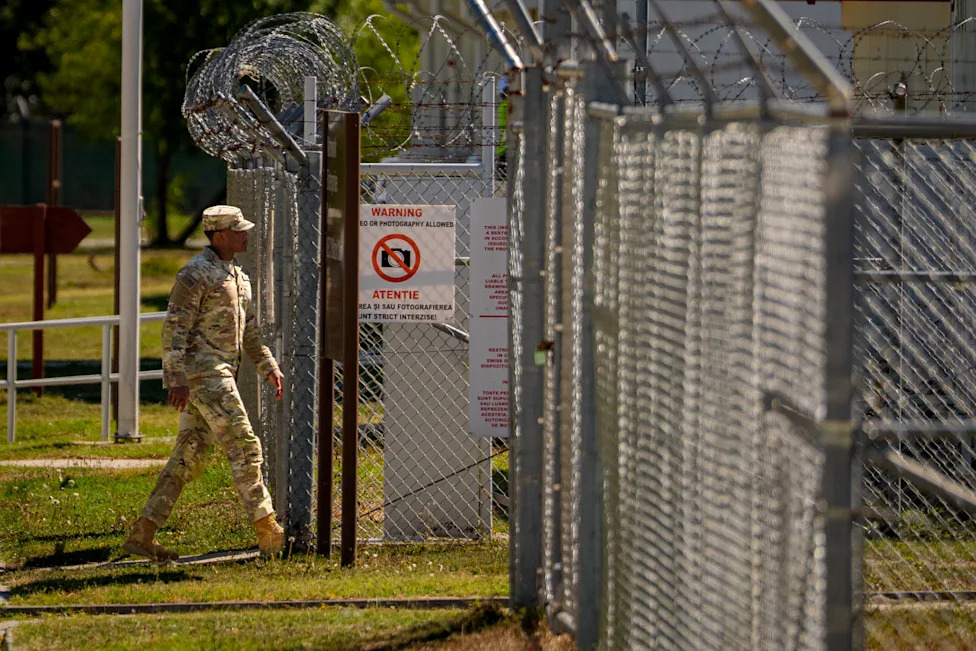
A U.S. serviceman enters a restricted area at the Mihail Kogalniceanu Air Base, in Mihail Kogalniceanu, Romania, Thursday, Sept. 10, 2026. (AP Photo/Andreea Alexandru)(AP Photo/Andreea Alexandru)
As the war in Ukraine continues, Romania has seen a marked rise in drones and related incidents near its eastern border. Explosions heard just across the river underscore how close the fighting can come to NATO territory and fuel worries that Moscow may be testing the alliance's resolve.
Rising Incursions and Local Impact
Data from Romania's Ministry of National Defense indicate a threefold increase in drone incursions so far this year compared with the whole of last year — 27 incidents versus 9 — and more than double the number of drones and drone fragments found on Romanian soil (37 versus 16). So far this year, authorities have recorded 73 attacks near the border on Ukrainian territory and scrambled about 56 military aircraft to monitor and manage the situation.
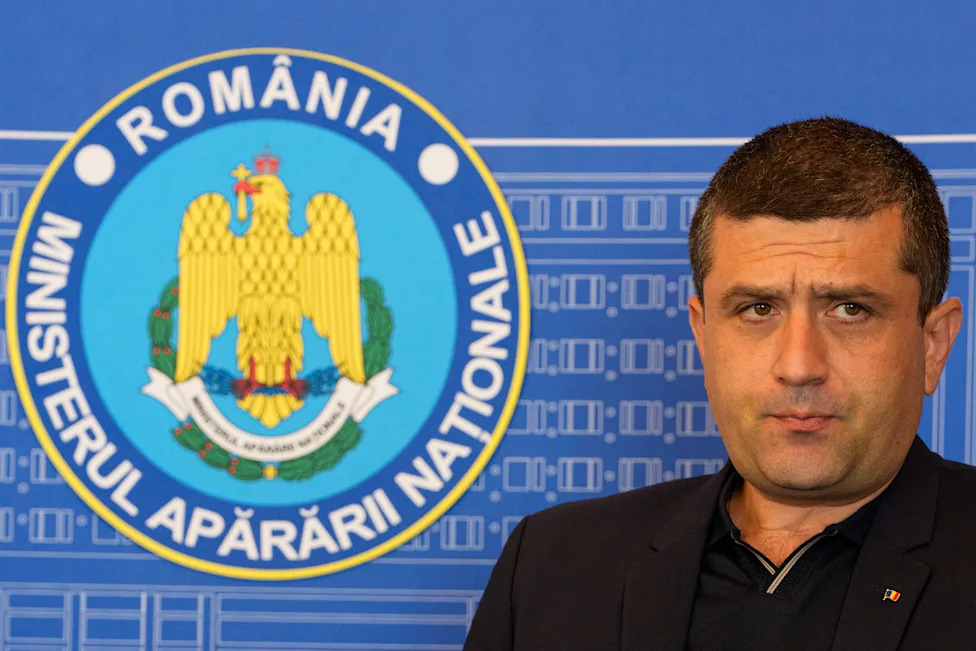
Romanian Defense Minister Radu Miruta speaks during an interview with the Associated Press in Bucharest, Romania, Wednesday, Sept. 9, 2026. (AP Photo/Vadim Ghirda)(AP Photo/Vadim Ghirda)
Locals say the psychological toll is severe. "I have so many nights where I don't sleep anymore," said Alina Mihail, an Isaccea resident. "I live in terror, me and my husband." In May, a drone crashed into an apartment block in the Danube city of Galați, injuring a mother and child — a reminder that stray or malfunctioning drones can pose direct risks to civilians across the border.
National And Alliance Responses
Romania has shot down four drones this year, the first time it has taken such action since the conflict began next door. Officials have attributed many of these incursions to Russia, which has denied deploying combat drones into Romanian territory. NATO officials and leaders from neighboring states have described the incidents as part of a broader pattern of hybrid threats, including sabotage and attempted attacks in other European countries.
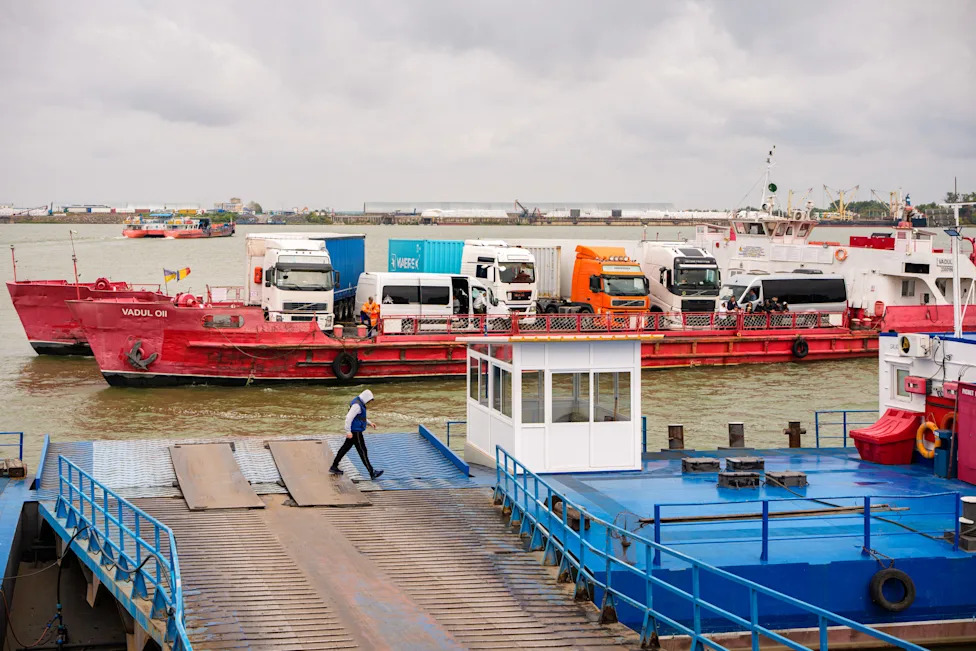
Ferries operate at the Isaccea Danube River border crossing between Ukraine and Romania in Isaccea, Romania, Monday, Sept. 14, 2026. (AP Photo/Vadim Ghirda)(AP Photo/Vadim Ghirda)
"We have seen more drones and missiles crossing into our airspace, along our eastern flank, creating increased risk," said NATO Secretary-General Mark Rutte on Sept. 2. "The dangers Russia poses are clear."
Romanian Defense Minister Radu Miruță described Russia as a "primary, significant threat" to the eastern flank and said Romania is coordinating with NATO partners to ensure capabilities are distributed and interoperable. He emphasized Romania's vulnerability along the Danube, where Ukrainian port strikes can be only tens of meters from Romanian soil, leaving limited reaction time.
Upgrades And Investments
To counter the growing menace, Romania and Poland acquired the MEROPS counter-drone system, which fires short-range interceptors to down incoming drones. Romania also received a first €2.5 billion installment from the EU's Security Action for Europe program and signed a roughly $2 billion contract with an Israeli firm to acquire short- and very-short-range air defense systems aimed at protecting against drones and cruise missiles.
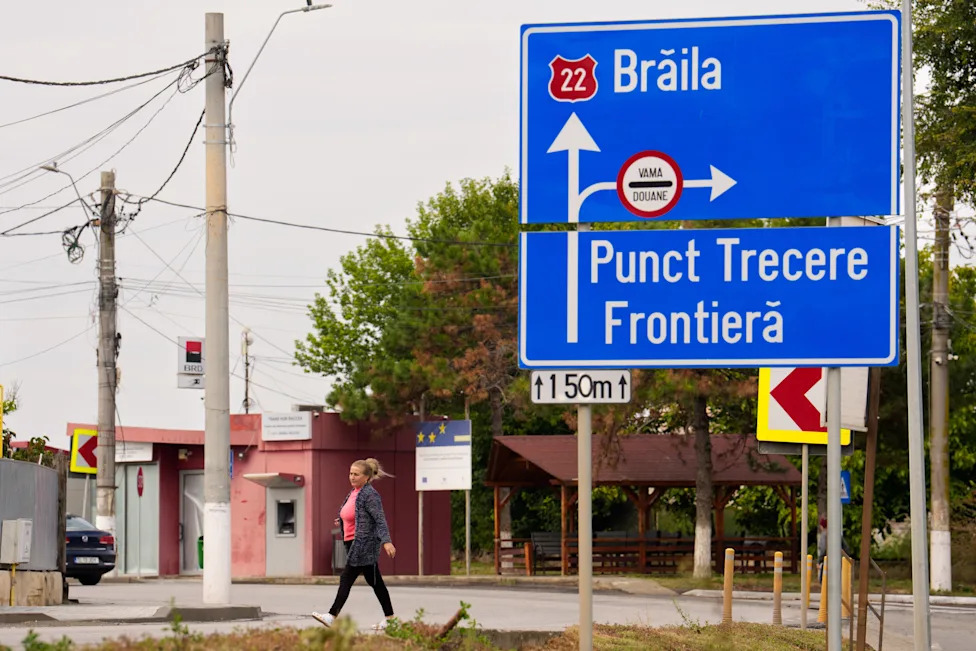
A woman walks by a traffic sign showing the way to a border crossing point in Isaccea, a town on the Romanian-Ukrainian border, Romania, Monday, Sept. 14, 2026. (AP Photo/Vadim Ghirda)(AP Photo/Vadim Ghirda)
President Nicușor Dan said defense spending could reach as much as 3.7% of GDP this year, and Romania joined NATO's Drone Edge project aimed at major investments in counter-drone capabilities.
Daily Lives and Ongoing Anxiety
Back in Isaccea, residents say alerts alter daily behavior. "We have no support, no one to help us," Mihail said, describing how she and her husband stay home when warnings arrive. With live fire visible and audible from across the Danube in some areas, the community remains on edge as officials race to strengthen defenses and reassure the public.
Help us improve.