Tesla launched limited public rides in its two-seat, driverless Cybercabs in Austin in early September. On Sept. 3, NHTSA opened an audit query into Tesla's certification that the Cybercab meets federal safety standards, stressing the review is not a recall. The agency is examining Tesla's technical documentation and whether rules for items such as brake pedals, windshield wipers, lighting and mirrors apply to vehicles without conventional human controls. Tesla says it will expand the program gradually while other federal reviews of the company continue.
NHTSA Opens Audit Of Tesla's Driverless Cybercabs After Austin Launch
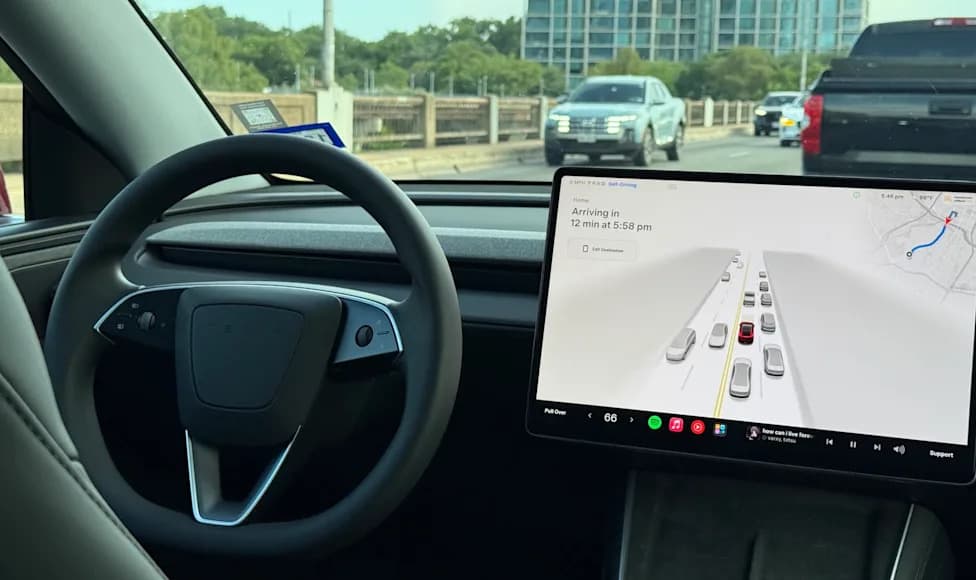
Photo Credit: iStock
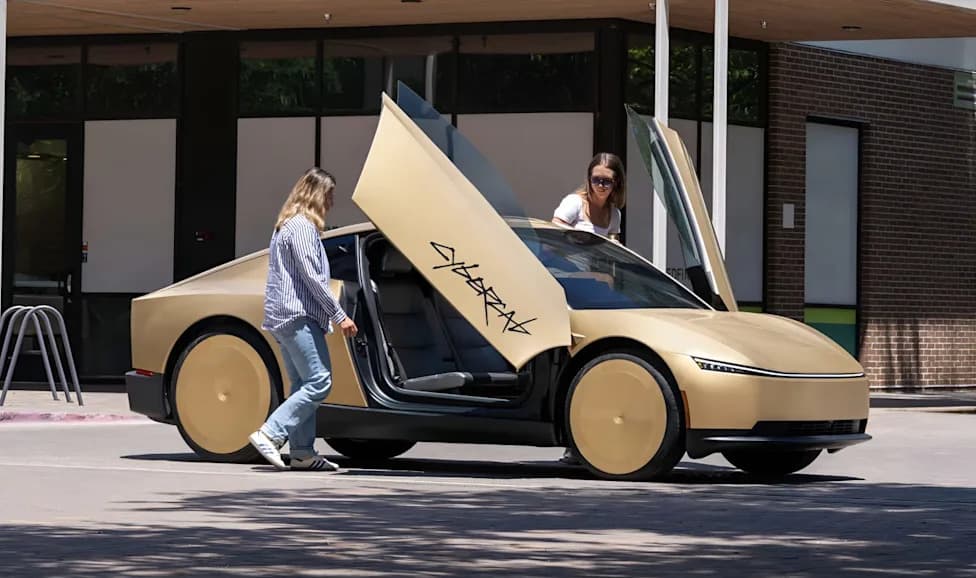
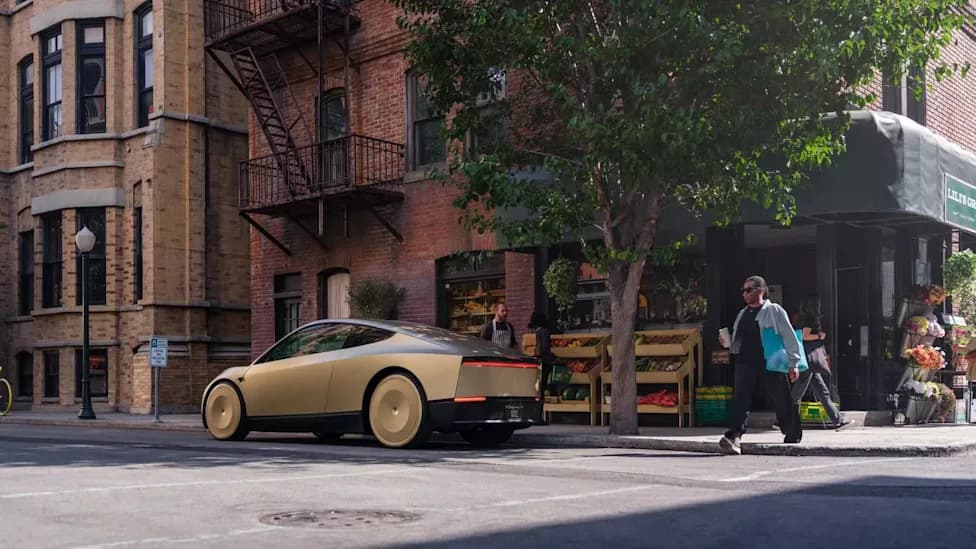
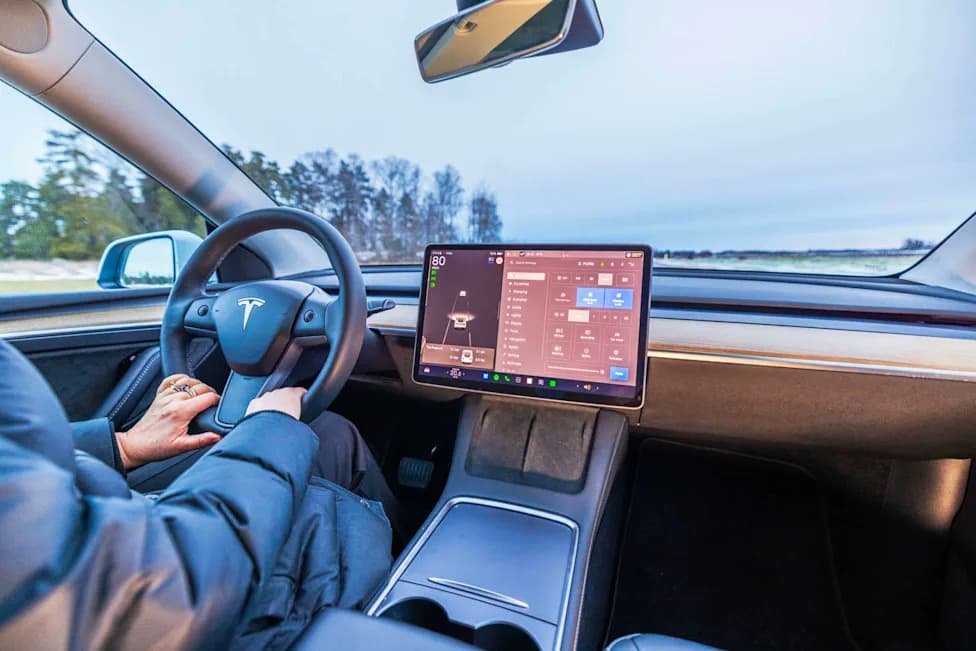
Tesla began offering limited commercial passenger trips in its two-seat, gold-colored Cybercabs in Austin, Texas, in early September. The vehicles are purpose-built robotaxis that lack a steering wheel, accelerator pedal and brake pedal, and are summoned and managed through Tesla's Robotaxi app.
How the Cybercab Service Works
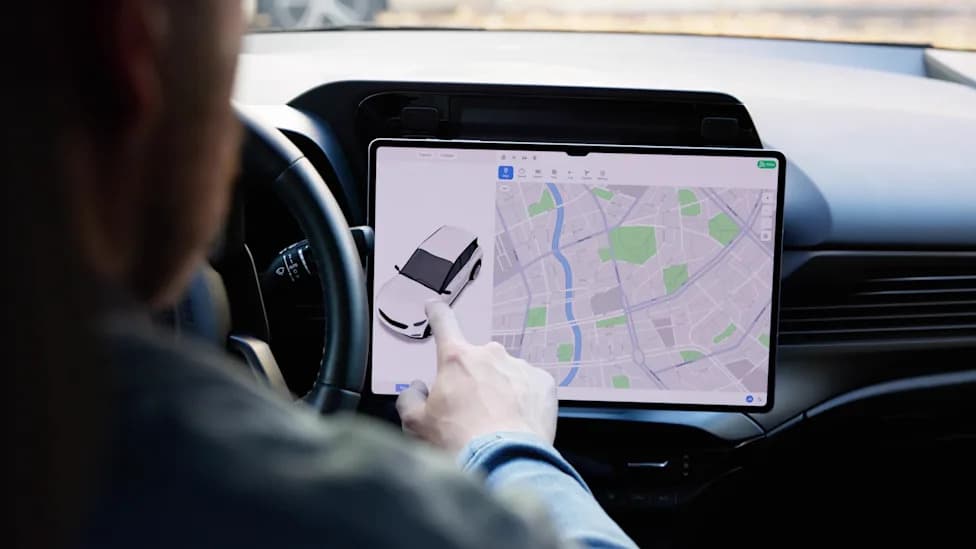
According to CBS Austin, Cybercabs are operating in selected areas of the city. Riders start trips via the Robotaxi app and interact with an in-vehicle touchscreen during the ride. Each Cybercab includes an emergency stop feature that requests an immediate pull-over and connects passengers to Robotaxi Support.
NHTSA Audit Query
On Sept. 3, the National Highway Traffic Safety Administration (NHTSA) announced it had opened an audit query into Tesla's certification that the Cybercab complies with applicable federal motor vehicle safety standards. The agency emphasized the review is an audit of Tesla's technical documentation and certification process, not a recall and not an indication that NHTSA has already determined the vehicles are unsafe.
The audit focuses on whether Tesla's determinations that some standards do not apply to a vehicle without conventional human controls are justified. Items specifically cited for review include brake pedals, windshield wipers, lighting systems and rearview mirrors.
Context And Next Steps
Before the Cybercab rollout, Tesla had been operating a driverless Model Y Robotaxi service in Austin since June 2025. Tesla told NHTSA it plans to expand the Cybercab program gradually to additional vehicles and locations.
The audit comes amid broader federal scrutiny of Tesla, including reviews of the company's crash reporting, investigations into reports of loose seat belts, and criticism over requiring a paid subscription to restore certain safety-related features.
“NHTSA fully supports the safe development and deployment of automated vehicles,” NHTSA Administrator Jonathan Morrison said, per CBS Austin. “But as the federal regulator, we need to ensure that all of our laws are followed.”
NHTSA also noted that existing federal safety rules remain in effect while the agency develops updated regulations for automated vehicles. The current audit will help determine how those rules apply to novel vehicle designs that remove traditional driver controls.
Help us improve.