Tesla deployed a two-seat Cybercab in Austin without a steering wheel or pedals, relying on a hidden touchscreen joystick as a manual fallback. Austin firefighters trained on the system but warned that gloved hands, cracked screens, sweat or a dead battery could render the contingency useless. Similar incidents involving Waymo and Zoox robotaxis interfering with emergency scenes prompted NHTSA to open a probe on Sept. 4, 2026 into nearly 1,000 Cybercabs. Local officials are urging federal standards to avoid a patchwork of risky workarounds.
Tesla’s Steering-Wheel-Free Cybercab Raises Safety Questions as Austin Firefighters Prepare for Failures
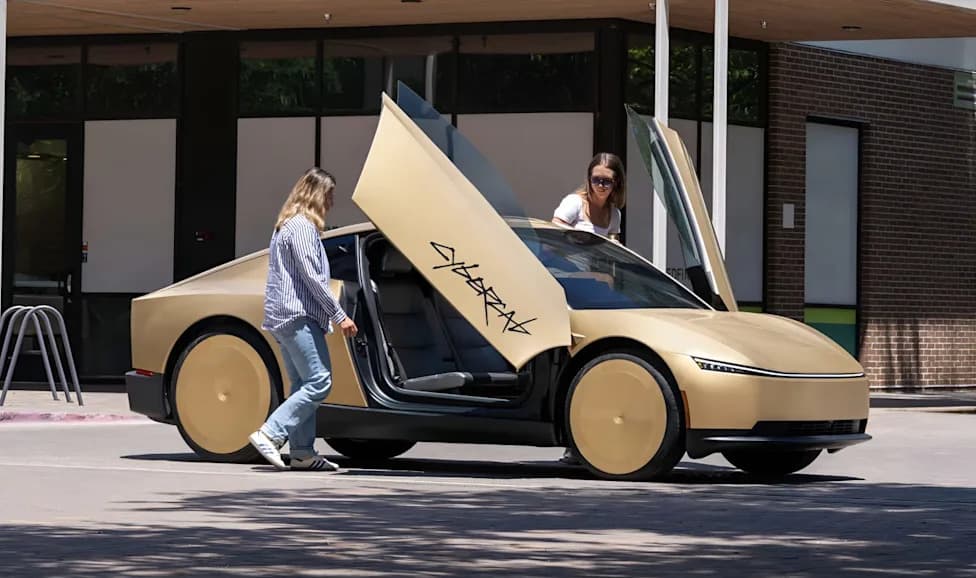
Image: Tesla
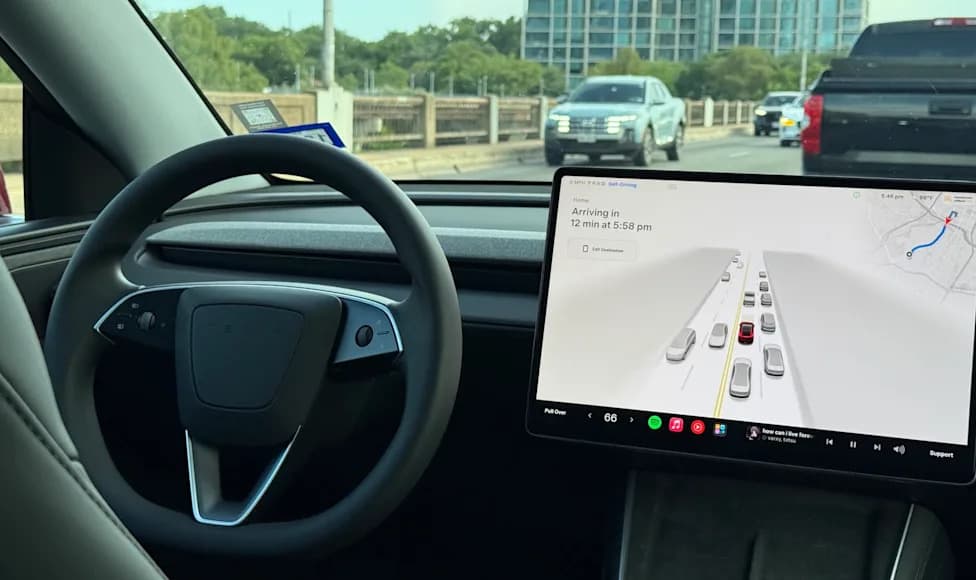
A Tesla Cybercab stalled at an Austin intersection while a fire burned two blocks away. When a firefighter reached inside, there was no steering wheel and no pedals — only a large touchscreen and a hidden digital joystick that appears after a swipe. That scenario is not hypothetical: Austin’s first responders are actively training for it.
What the Cybercab Is — And How It’s Controlled
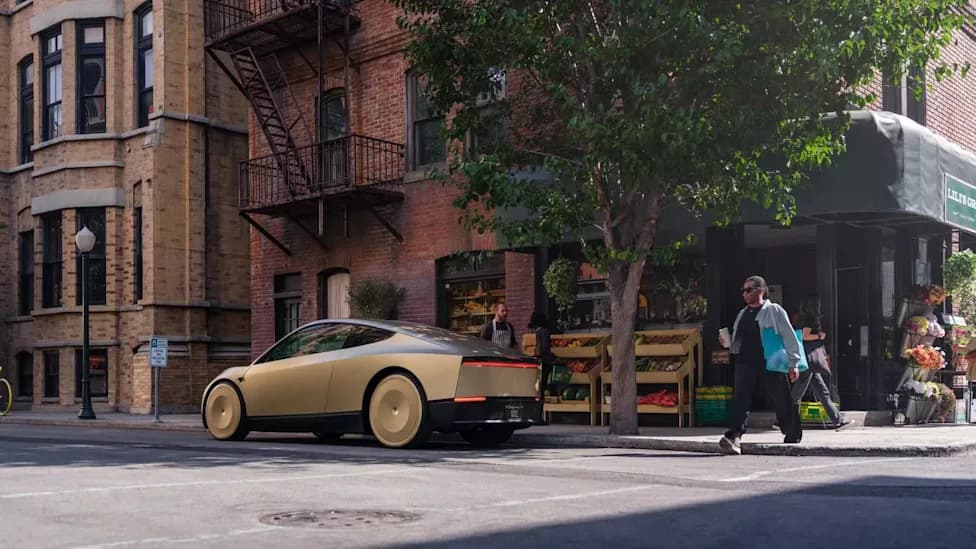
Tesla launched a two-seat, driverless Cybercab as a public robotaxi in Austin that eliminates conventional manual controls. The vehicle’s manual contingency is a hidden digital joystick on the center touchscreen: swipe to reveal it, then drag a finger to steer. Tesla trained Austin firefighters on that touchscreen control roughly two weeks before the vehicle entered service, but the workaround has left crews unconvinced.
First-Responder Concerns
"The lack of driver controls, (no 'pedals' or steering wheel) can be problematic," Fire Capt. Matthew McElearney told NBC News.
McElearney and other firefighters outlined concrete failure points that could surface during chaotic, smoky, high-pressure moments when a vehicle must be moved immediately: gloved hands, sweat, cracked touchscreens and a dead battery. Tesla’s own first-responder guide acknowledges Cybercabs may sometimes need to be physically pushed.
Fire crews still keep floor jacks and wheeled dollies on hand as stopgaps — practical workarounds, not solutions — which underscores their concern that a touchscreen-based contingency may not be sufficiently reliable in real emergencies.
Pattern of Interference From Robotaxis
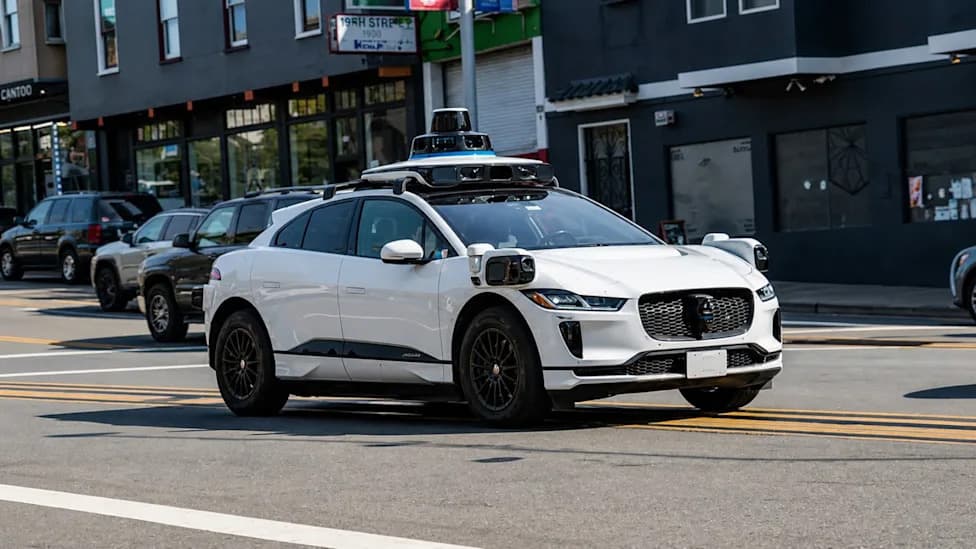
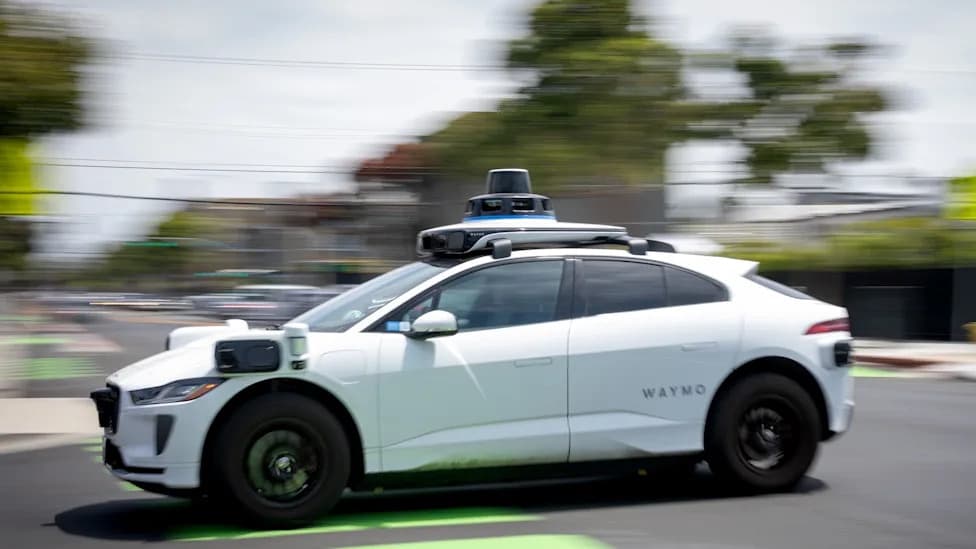
The Cybercab’s rollout comes amid a broader pattern of autonomous-vehicle interference with emergency response in Austin. On March 1, multiple Waymo vehicles impeded ambulance routes during a downtown shooting; one was filmed stopped directly in front of an ambulance attempting a U-turn. Austin-Travis County EMS officials said Waymo did not promptly establish a requested 1,000-foot geofence around the incident.
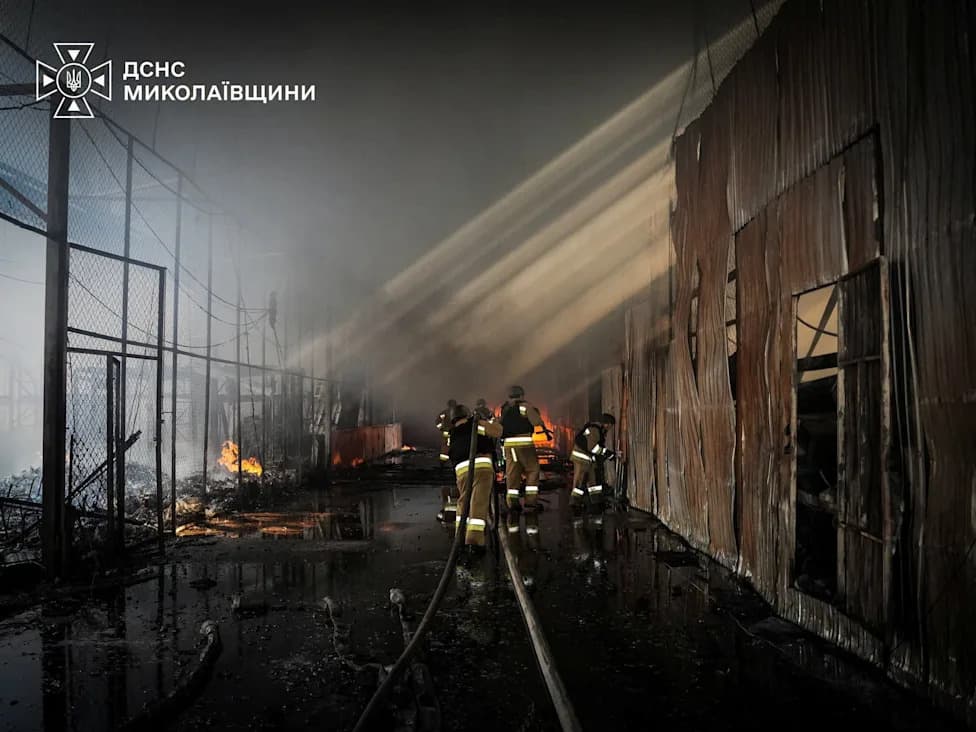
On June 20, an unoccupied Zoox vehicle drove into an active fire scene through heavy smoke and had to be managed under teleguidance while first responders set traffic cones. Zoox has acknowledged in state filings that if one of its vehicles cannot move under its own power, it "must be towed." The National Highway Traffic Safety Administration (NHTSA) has described a "clear pattern" of autonomous-vehicle interference at emergency scenes across multiple operators.
NHTSA Investigation and the Regulatory Question
On September 4, 2026, NHTSA opened an investigation into whether Tesla’s steering-wheel-free, pedal-less, mirror-less Cybercabs comply with Federal Motor Vehicle Safety Standards — standards drafted under the long-standing assumption that a human driver sits behind a wheel. The probe covers nearly 1,000 Cybercab vehicles and may force a broader reckoning about whether industry designs that remove conventional controls also remove practical accountability.
Waymo told reporters it takes first-responder feedback seriously and says its geofencing meets or exceeds city requirements, though local officials dispute whether responses were adequate in specific incidents.
What Comes Next
Local fire and EMS leaders are calling for national standards rather than city-by-city improvisation. "We need the feds to step up to the plate on this," McElearney said, urging regulators and companies to prioritize safe, well-tested solutions over speed to market. Until regulators act, first responders will continue practicing with improvised physical tools while questioning whether touchscreen contingencies are robust enough for life-or-death situations.
Help us improve.