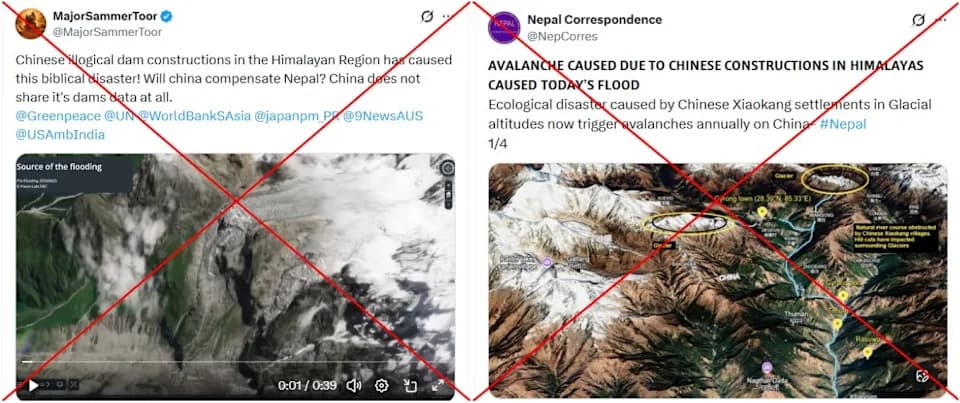
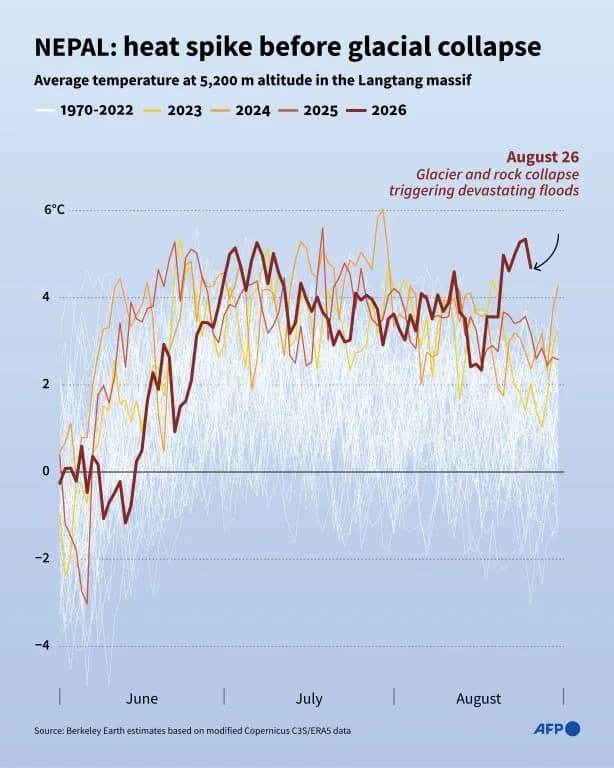
Scientists and researchers with World Weather Attribution say the August 26 Langtang Lirung collapse was driven by a "compound crisis" of long-term warming, glacier retreat, permafrost thaw and geological instability, rather than a single weather event. The study found July and August were locally the warmest months on record—about 5°C above normal—and that heavy late-2025 snowfall increased meltwater before the collapse. Nepal reports 1,403 bodies recovered and 6,150 missing, China reports 43 dead and 519 missing; combined totals are 1,446 dead and at least 6,669 missing. Reconstruction costs are estimated at $4.78bn.
Climate Change Fueled Deadly Langtang Lirung Collapse, Scientists Say — 1,446 Dead, Thousands Missing
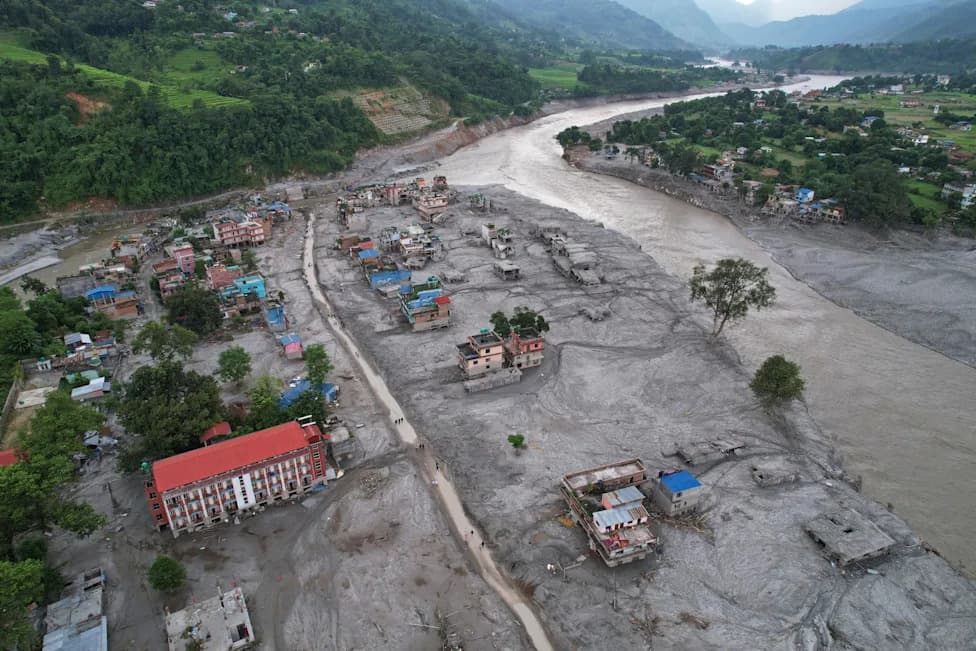
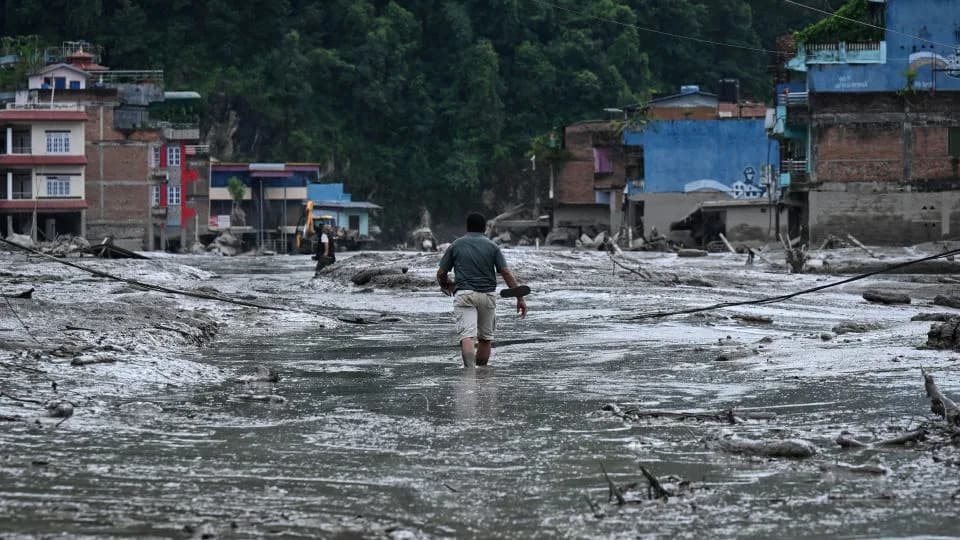
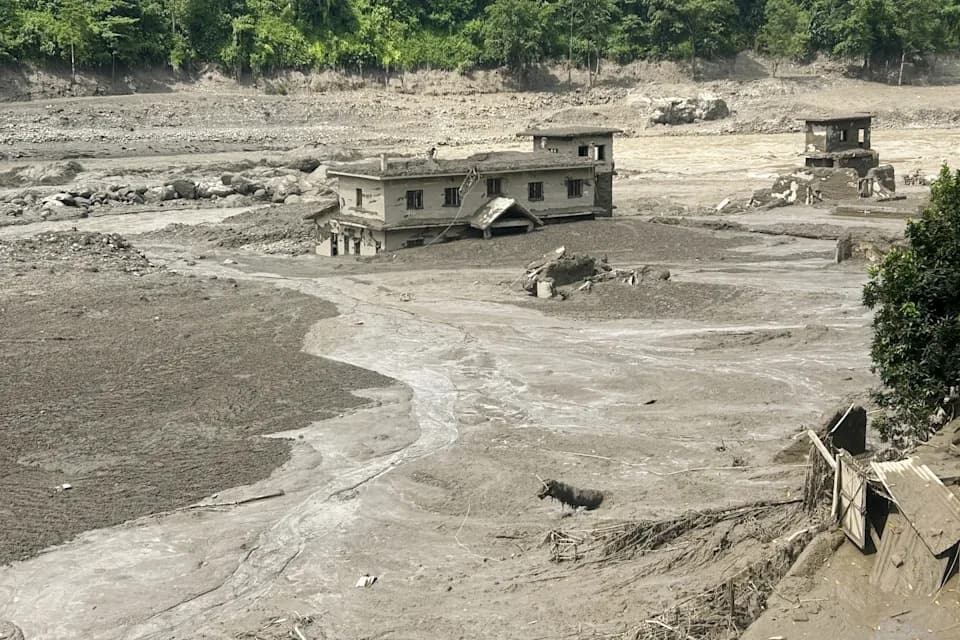
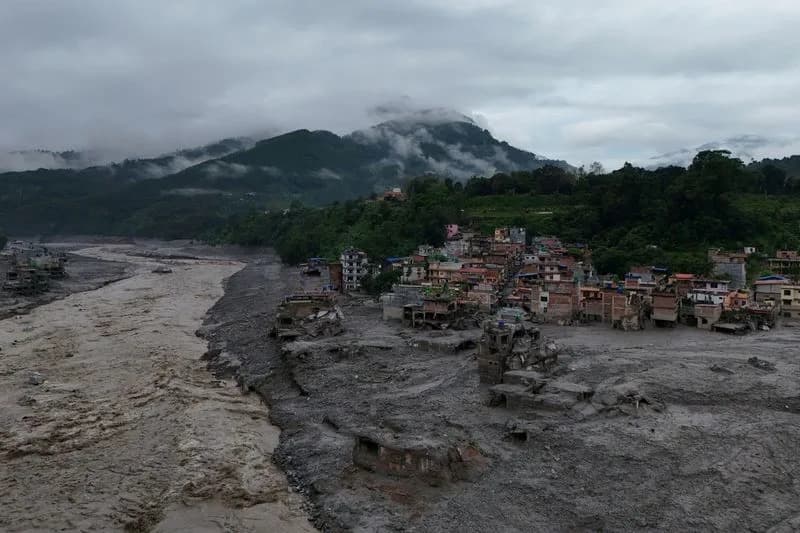
Homes are engulfed in mud in the aftermath of flash flooding along the Trishuli River in the Devighat area of Nuwakot district, Nepal on August 29, 2026 [Rajesh Kumar Singh/AP]
Scientists say climate change was a central contributor to the glacial mountain collapse that devastated parts of Nepal and Tibet, killing more than 1,400 people and leaving thousands missing after the August 26 collapse at Langtang Lirung.
Compound Crisis, Not A Single Event
Researchers from the World Weather Attribution (WWA) group said in a report released Thursday that the disaster was not caused by a single extreme weather event but by a "compound crisis" driven by long-term warming, glacier retreat, permafrost thaw and geological instability. WWA uses peer-reviewed methods to assess the role of global warming in extreme events.
What Happened
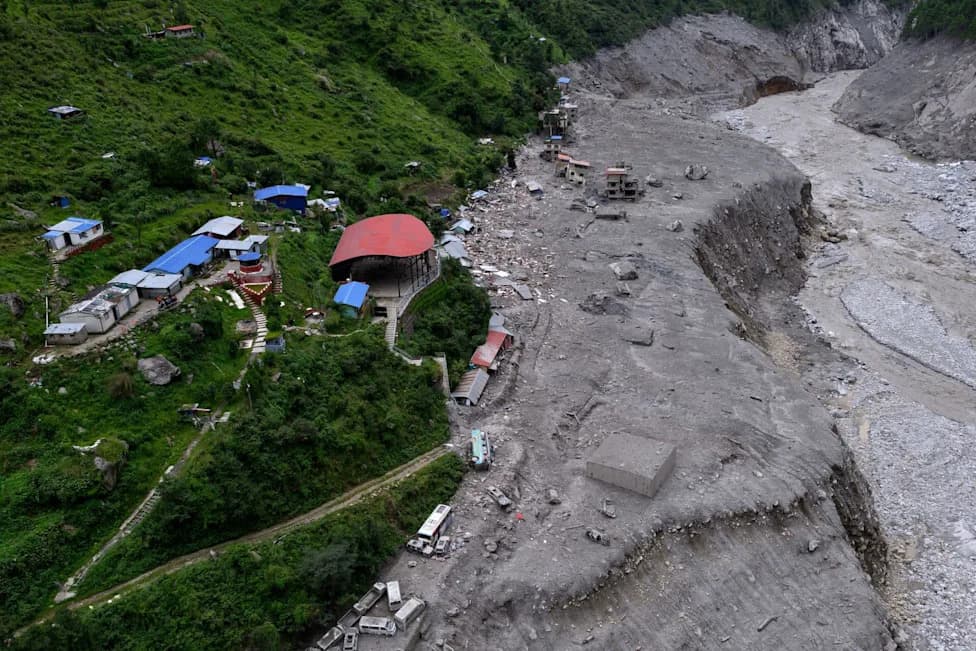
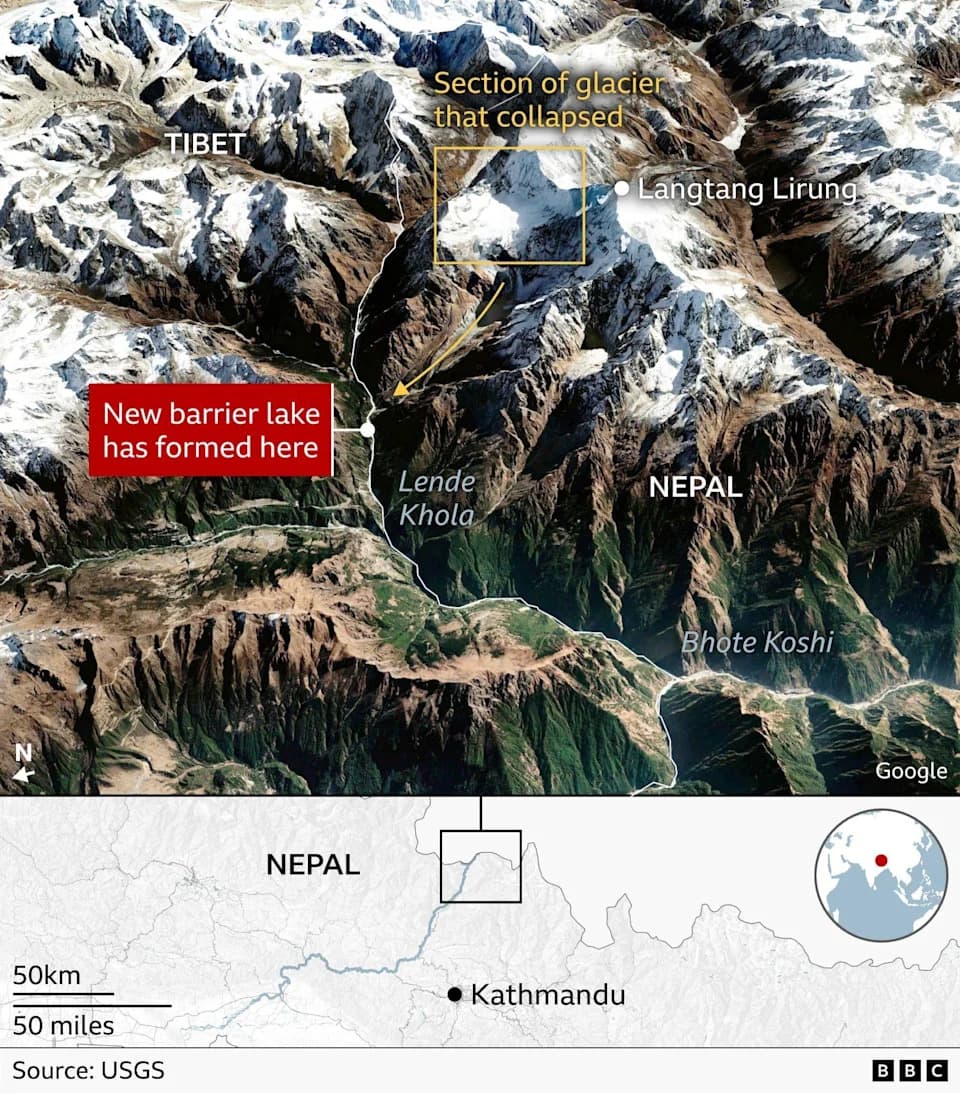
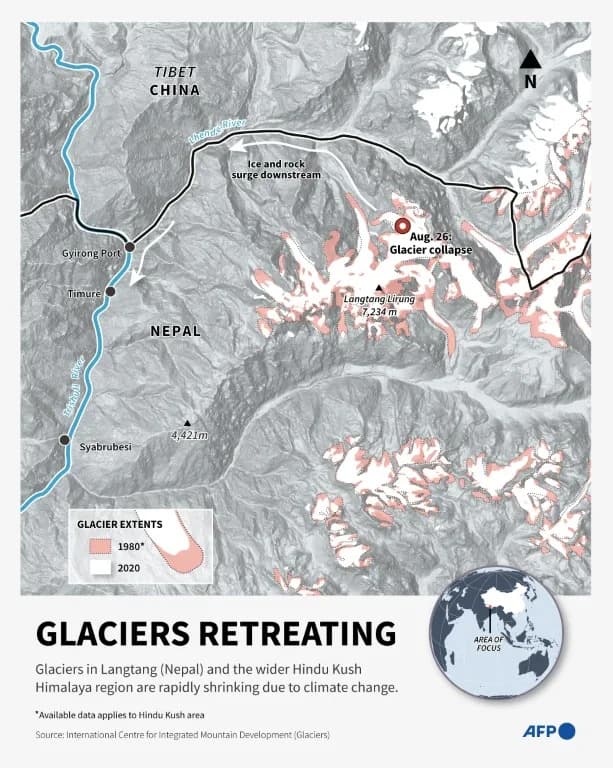
A vast section of rock and glacier broke away from Langtang Lirung on August 26, sending a torrent of water, ice and debris downstream that destroyed communities and infrastructure. The WWA report, Rapid Warming in the Himalaya Exacerbates Geohazard Cascades Beyond Adaptation Limits, says rising temperatures have lifted the freezing threshold in the high Himalaya, exposing ice and permafrost deep within bedrock to longer and warmer thaw periods that weaken mountain slopes.
"Relentless warming has lifted the altitude of the freezing threshold on the high Himalaya, exposing ice and permafrost deep in the bedrock to higher and longer thaw temperatures, weakening mountain slopes," the report states.
Report co-author Walter Immerzeel, a mountain hydrologist at Utrecht University, warned the region is experiencing "fundamental, irreversible shifts," with glacier retreat and permafrost degradation undermining long-term mountain stability.
Context And Contributing Factors
The study found July and August were locally the warmest months on record, roughly 5°C (9°F) above normal, and noted that heavy snowfall in late 2025 increased meltwater leading into this year’s collapse. The WWA also flagged that a magnitude 7.8 earthquake in Nepal in 2015 may have weakened the slope, although its precise role remains uncertain.
Human Cost And Recovery
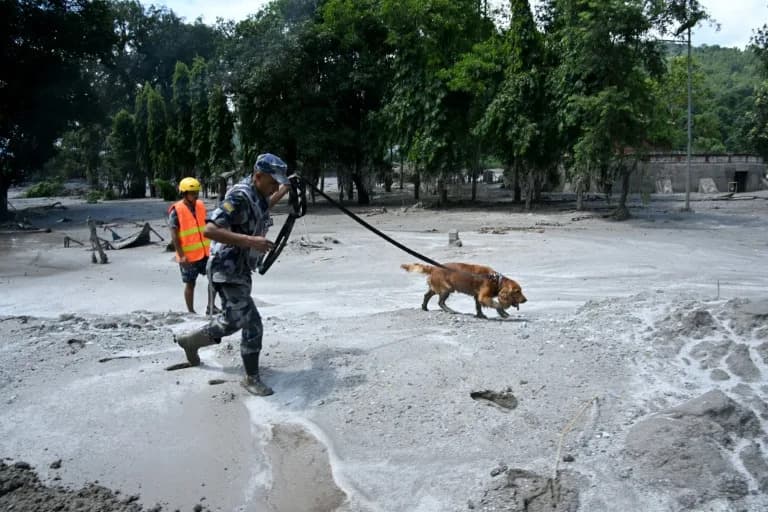
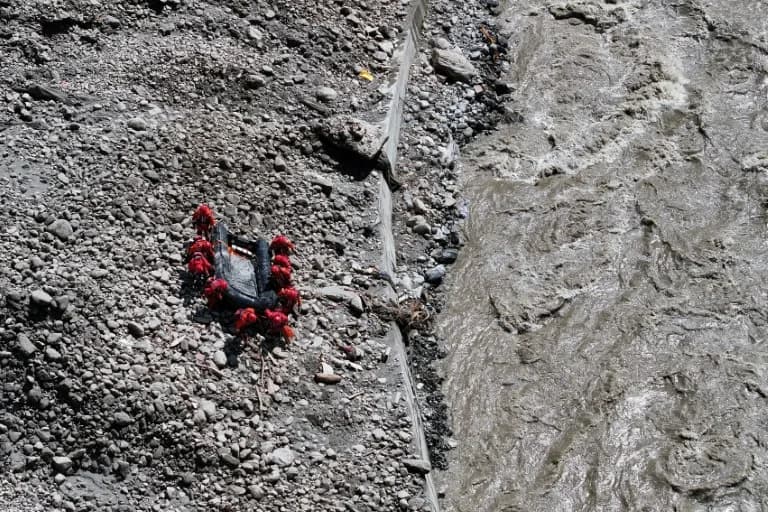
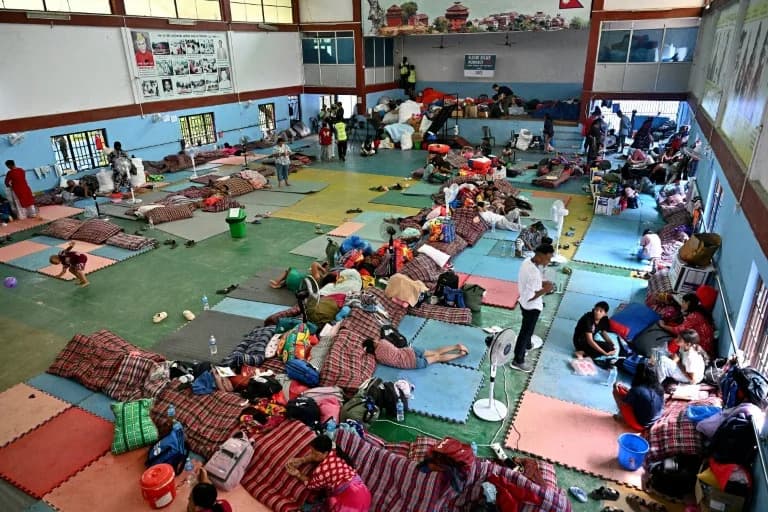
Nepal’s disaster authority said it had revised the number of people considered missing to 6,150 after verification in affected districts. The number of bodies retrieved in Nepal stands at 1,403, of which 105 have been identified. Chinese state media reported 43 dead and 519 missing in China. The combined toll for both countries is now 1,446 dead and at least 6,669 missing.
Nepal estimates reconstruction costs at $4.78 billion. Authorities and scientists say the disaster highlights limits to adaptation as warming drives rapid, interconnected changes in high mountain environments.
International Response
Prime Minister Balendra Shah is due to raise the issue at the United Nations General Assembly next week, during his first foreign trip as Nepal’s leader. Experts including Friederike Otto of Imperial College London emphasized that climate-driven loss and damage must be central to international discussions and aid.
Note: All figures and quotes in this article are taken from the WWA report and statements from Nepali and Chinese authorities as reported in the source material.
Help us improve.