Doctors in Texas have detected cases of chronic kidney disease of unknown etiology (CKDu), a condition previously seen among agricultural workers in Central America and parts of South Asia. CKDu causes kidney failure in otherwise healthy adults and often affects young manual laborers exposed to extreme heat and limited water breaks. Suspected contributors include repeated heat stress, dehydration, pesticides, smoke exposure, unsafe water and frequent NSAID use. Experts recommend routine screening for at-risk workers, improved access to hydration and shade, and occupational changes to reduce heat exposure.
Mysterious Kidney Disease Linked To Heat Strikes Young Texas Laborers
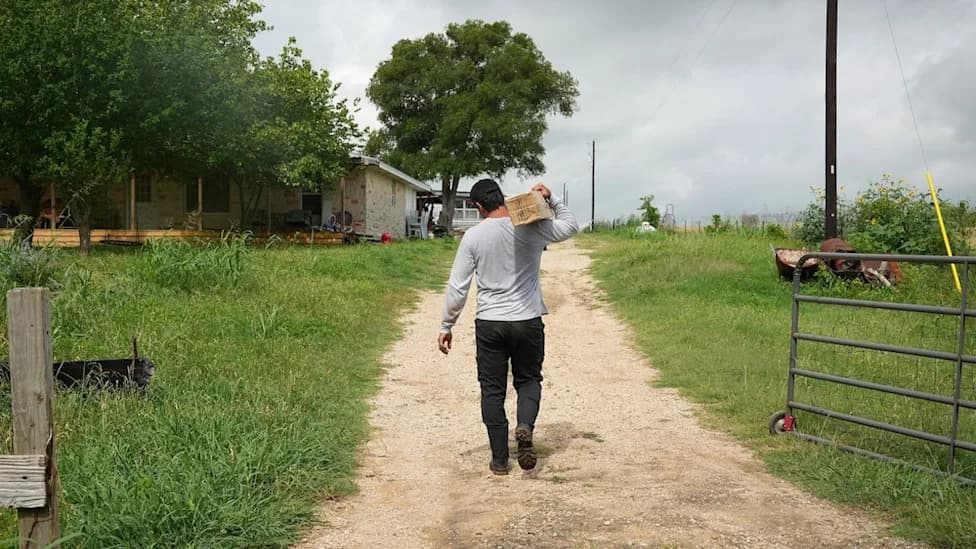
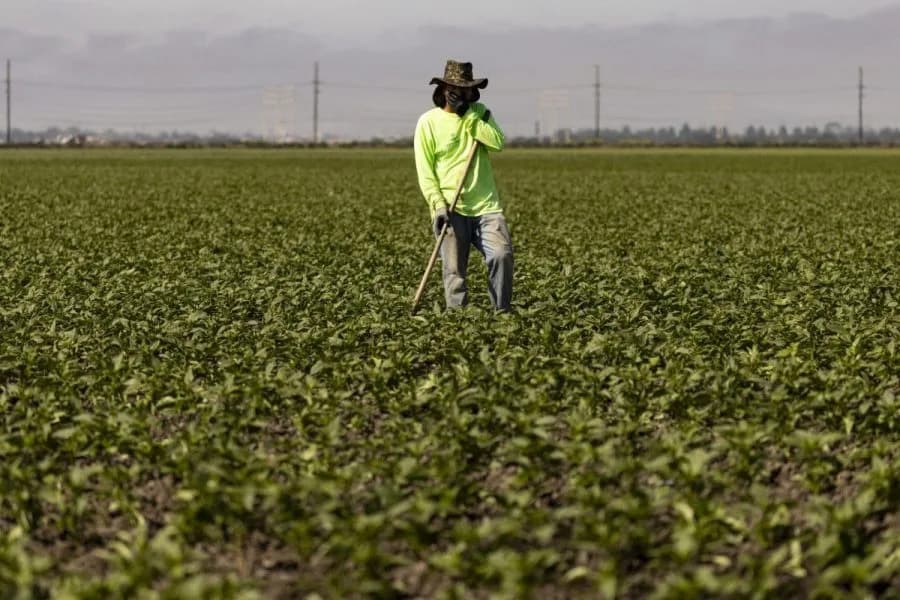
Farm worker in Texas
Health care providers in Texas are reporting cases of a puzzling form of chronic kidney disease that historically affected agricultural and manual laborers in Central America and parts of South Asia. Known as chronic kidney disease of unknown etiology (CKDu) or Mesoamerican nephropathy, the condition can cause progressive kidney failure in otherwise healthy adults who lack the usual risk factors such as diabetes or hypertension.
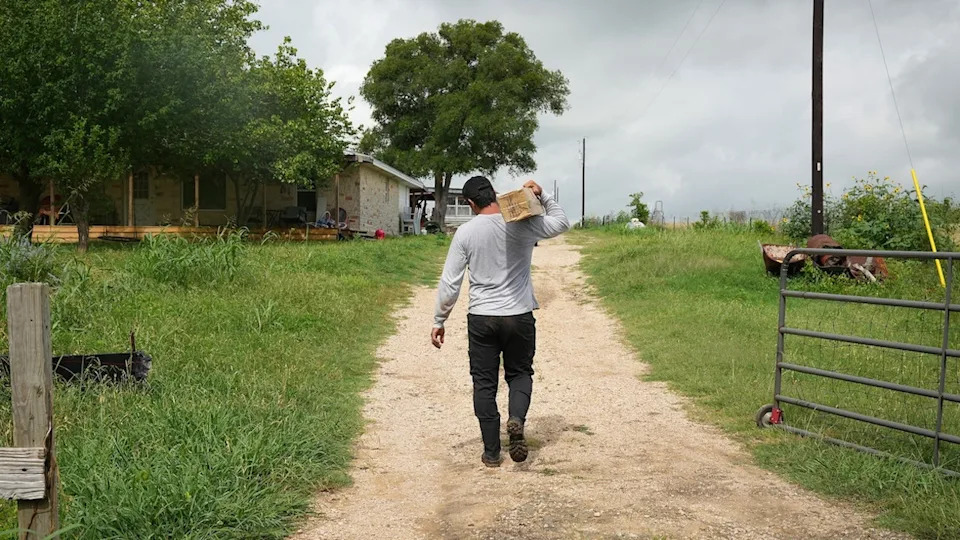
A mysterious form of kidney disease that has devastated young to middle-aged agricultural workers in Central America and South Asia appears to have surfaced in Texas.
What Is CKDu?
CKDu (chronic kidney disease of unknown etiology) is a form of chronic kidney injury that often appears in young to middle-aged men who perform strenuous outdoor labor. Unlike typical chronic kidney disease, CKDu develops without common drivers such as diabetes, sustained high blood pressure or known inflammatory kidney disorders.
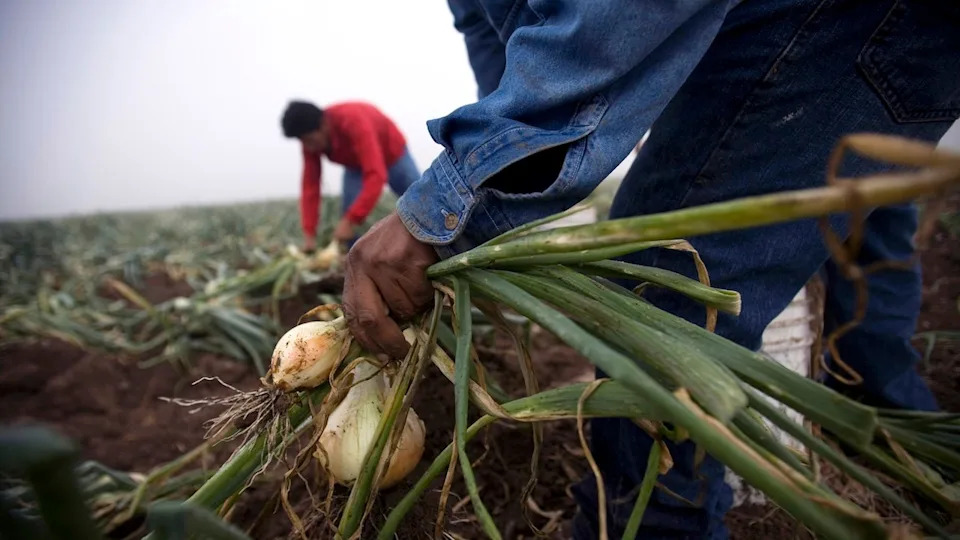
Unlike typical cases, CKDu develops without common risk factors such as diabetes, hypertension and glomerulonephritis, a disease that inflames and damages the kidneys' filtering units.
Where It's Been Seen
Similar syndromes have been reported worldwide: Balkan endemic nephropathy (documented since the 1950s), Itai-itai disease in Japan (linked to cadmium exposure), Sri Lankan nephropathy (studied since the 1990s), and Mesoamerican nephropathy first described among sugarcane workers in El Salvador and Nicaragua in the late 1990s. Recent cases in Texas show patterns that closely resemble these earlier outbreaks.
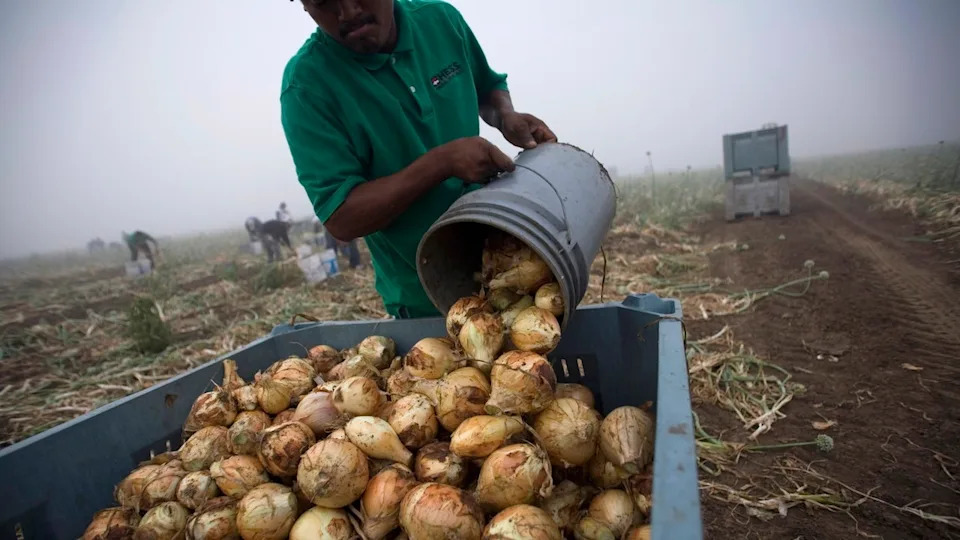
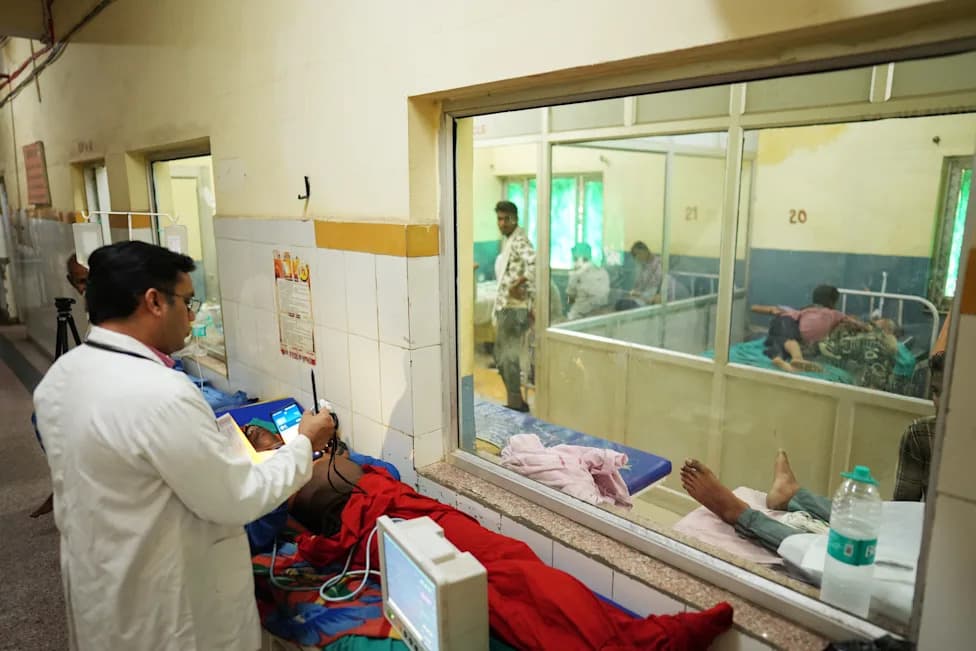
Physicians at Houston safety-net hospitals, including Ben Taub, have treated otherwise healthy men in their 20s and 30s who presented with kidney failure — some with "Coca-Cola-colored urine," according to Texas Monthly.
Cases In Texas
Physicians at Houston safety-net hospitals, including Ben Taub Hospital, have treated otherwise healthy men in their 20s and 30s who presented with advanced kidney failure—some reporting dark, "Coca-Cola-colored" urine. A review of Harris County hospital records cited by local reporting found that about one in six emergency dialysis cases among uninsured or undocumented patients had no identifiable cause, a pattern consistent with CKDu.
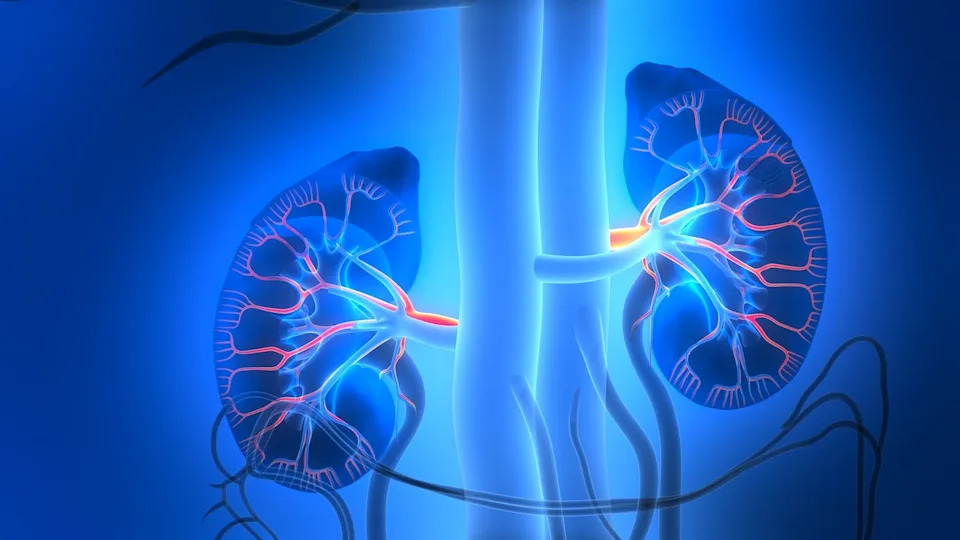
By the time symptoms appear, and the disease is diagnosed, many patients are approaching end-stage kidney disease.
Suspected Causes And Risk Factors
The exact cause of CKDu remains unknown. Experts suspect a combination of occupational and environmental exposures that gradually damage the kidneys over time. Leading suspected contributors include:

Heat stress is considered one of the leading suspected drivers of the disease, although its exact cause remains unknown.
- Repeated heat stress and dehydration from strenuous outdoor labor in high temperatures
- Exposure to pesticides or agricultural chemicals
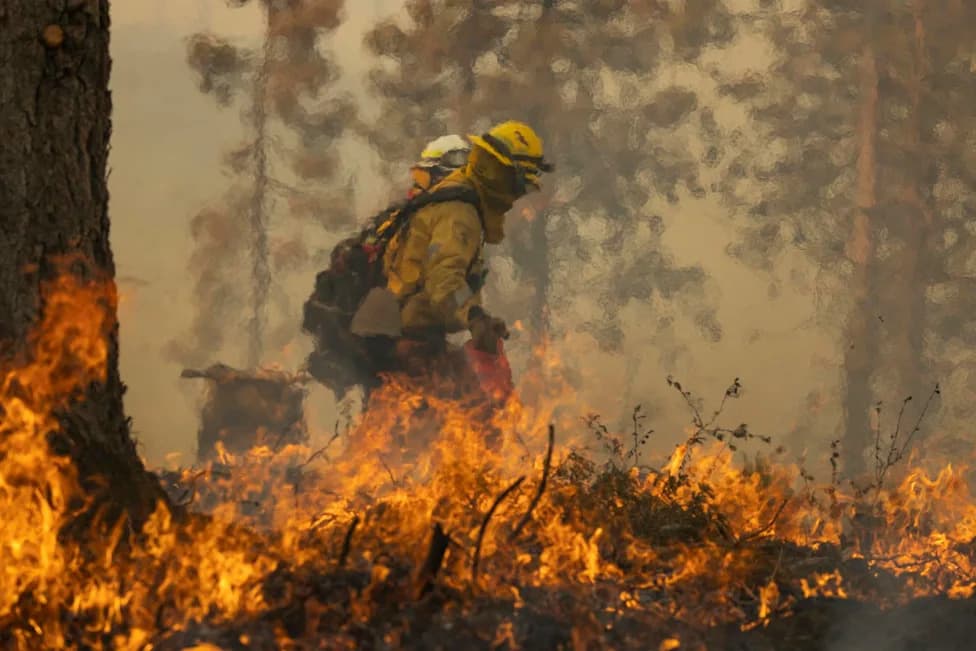
- Smoke from burning sugarcane or other agricultural fires
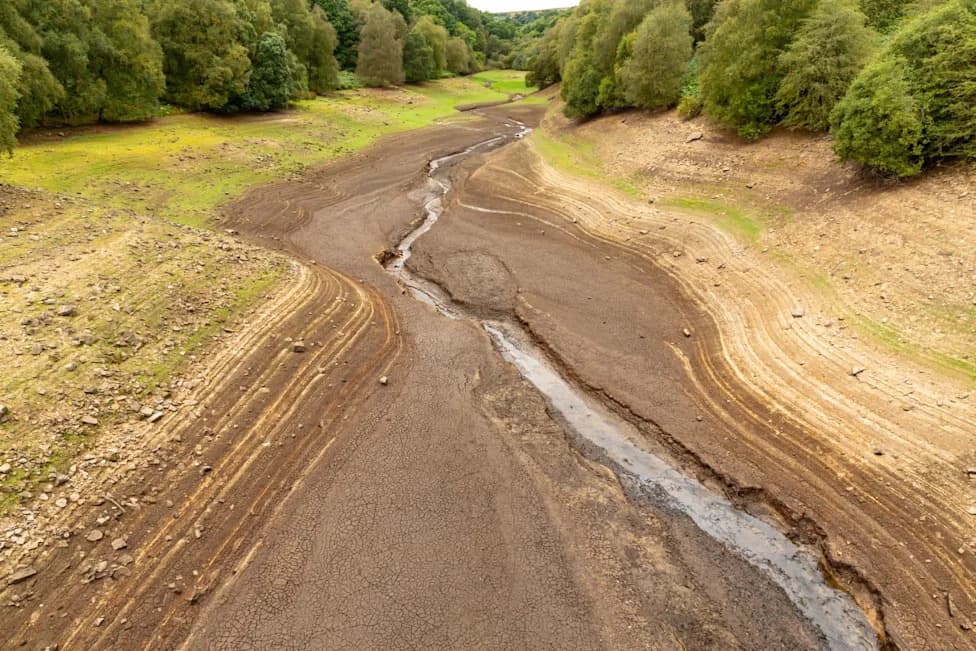
- Unsafe or contaminated drinking water
- Frequent use of over-the-counter NSAIDs (pain relievers) that can strain kidneys when combined with dehydration
Symptoms, Diagnosis And Barriers
CKDu is often called a "silent disease" because early stages produce few or no symptoms. When symptoms develop, they are typical of advanced kidney disease—fatigue, sleep disturbances, nausea, weakness, and shortness of breath from anemia. By the time patients seek care, many are approaching end-stage kidney disease.
There is no single diagnostic test for CKDu. Clinicians diagnose it by excluding other causes of chronic kidney disease and by evaluating occupational and environmental exposures. Kidney biopsy can provide useful information but is impractical for broad screening.
In Texas, undocumented status and lack of insurance deter some workers from seeking timely care or participating in research, which complicates early detection and public-health efforts.
Treatment, Prevention And Recommendations
There is no disease-specific cure. Management focuses on preventing further injury: controlling blood pressure, avoiding nephrotoxic drugs (including careful NSAID avoidance), ensuring adequate hydration and rest, and using dialysis or transplantation for advanced disease when available. Physicians caution that some blood-pressure medications, such as ACE inhibitors, can worsen kidney function in dehydrated patients and must be used carefully.
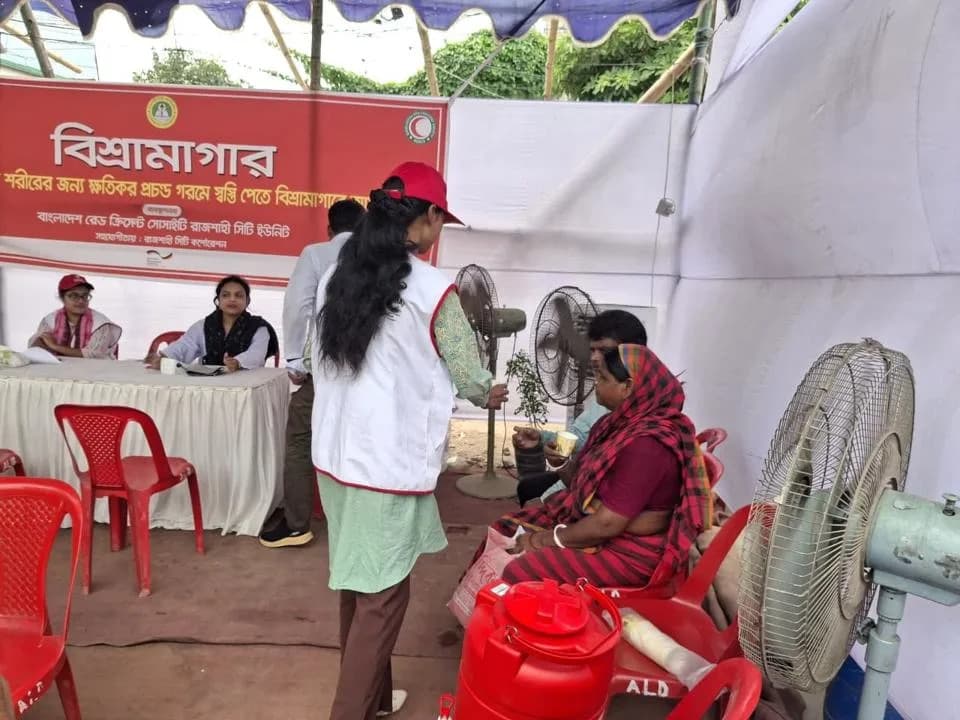
Public-health measures that may reduce risk include improved access to water and shade, shorter or shifted work hours to avoid peak heat, worker education about hydration and avoiding NSAIDs during heat stress, and monitoring and reducing exposure to agricultural toxins.
Screening Advice
Experts recommend that people who live or work in agriculture or perform outdoor labor in hot climates get kidney function checks at least twice a year. Simple tests—a blood creatinine measurement and a urine protein test—can detect early kidney injury long before symptoms appear and allow earlier intervention.
Key Experts: Dr. Gokul Paidi (Community Healthcare Network) and Dr. Richard J. Johnson (emeritus professor, University of Colorado) note the importance of early screening and workplace protections to reduce the human toll of this rapidly progressive disease.
Help us improve.