Doctors in Texas report a rise in otherwise healthy young men presenting with near-failing kidneys and suspect chronic kidney disease of unknown origin (CKDu) may be emerging in the U.S. The disease — often affecting Latino agricultural workers aged 20–60 — lacks classic risk factors like diabetes or hypertension and is frequently detected late. Hypotheses include repeated heat stress and chronic dehydration, but causes remain unproven. Experts call for improved surveillance, targeted research, worker protections, and better access to screening and treatment.
Mysterious Kidney Disease Appears to Be Rising in the U.S.: Who's Most at Risk?
Kidney disease of unknown origin spreads in US. Who is at risk?
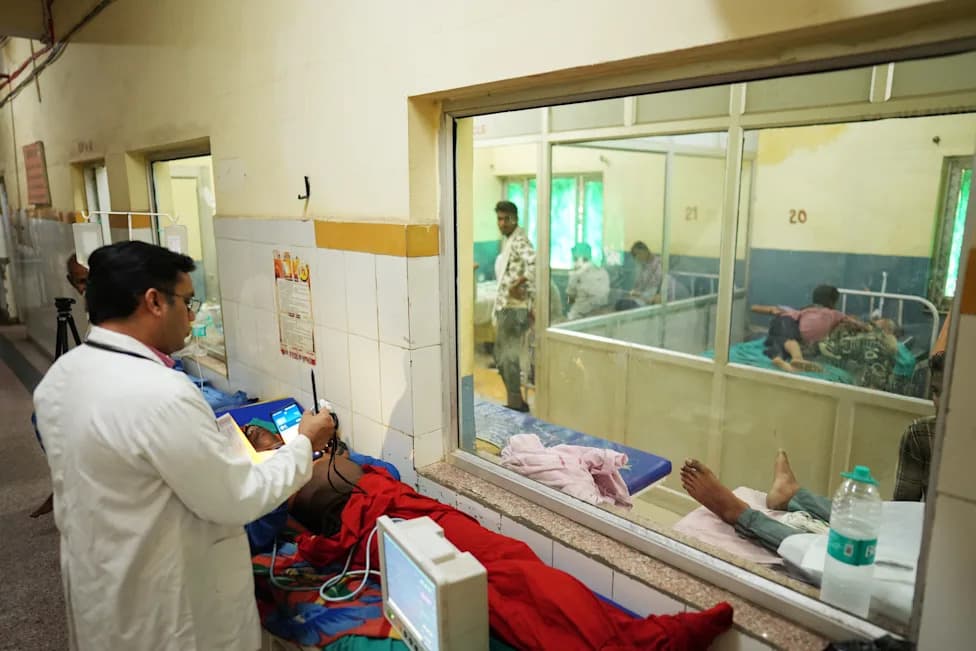
Doctors in Texas are reporting a troubling increase in otherwise healthy young men arriving at hospitals with kidneys close to failure. Clinicians suspect chronic kidney disease of unknown origin (CKDu) — sometimes called Mesoamerican Nephropathy — may be appearing more frequently in the United States.
What Is CKDu?
CKDu is a form of chronic kidney disease that develops without the usual risk factors such as diabetes or long-standing high blood pressure. The condition has been well-documented in parts of Central America and Sri Lanka and is now being investigated in U.S. agricultural communities.
Who Is Affected?
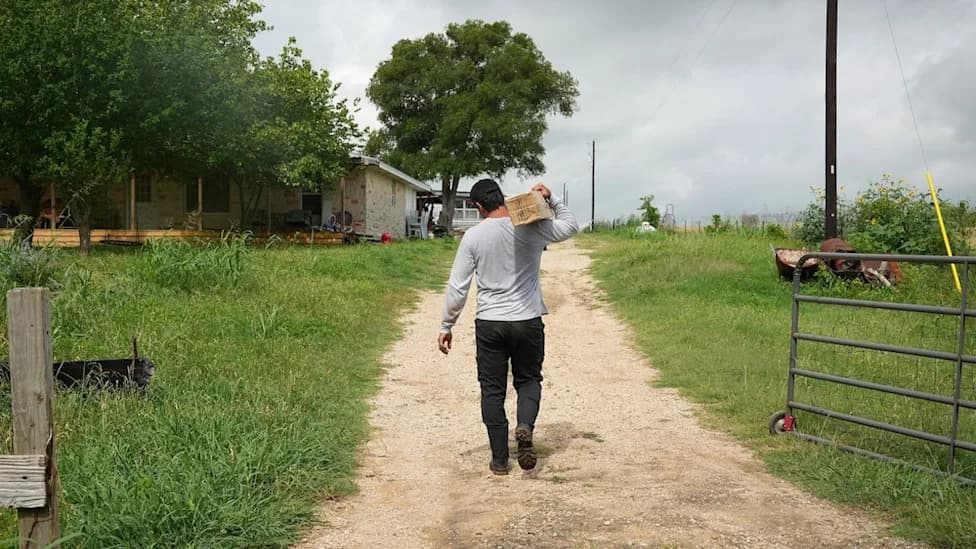
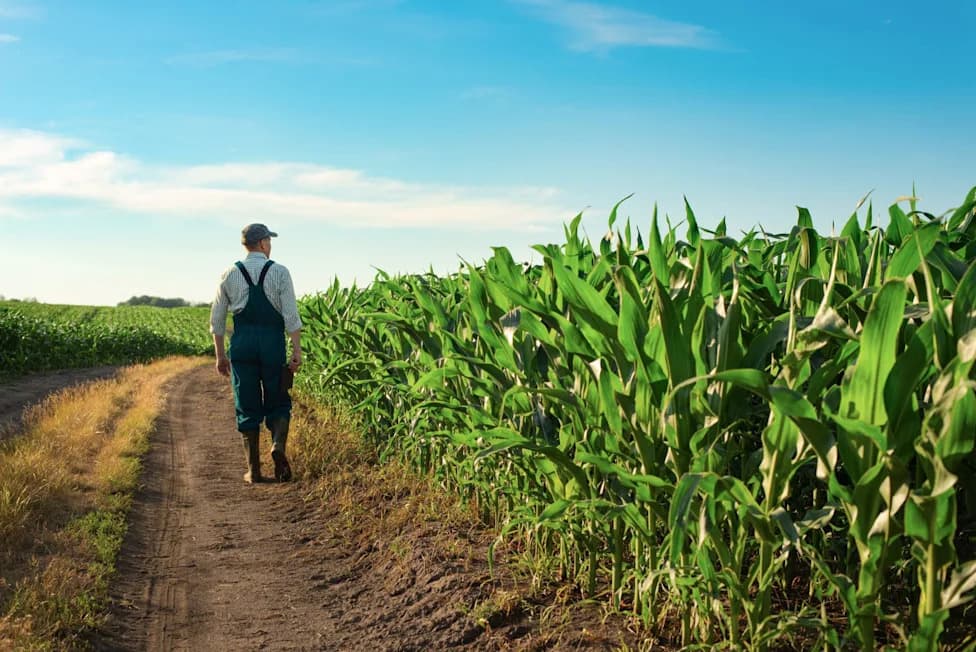
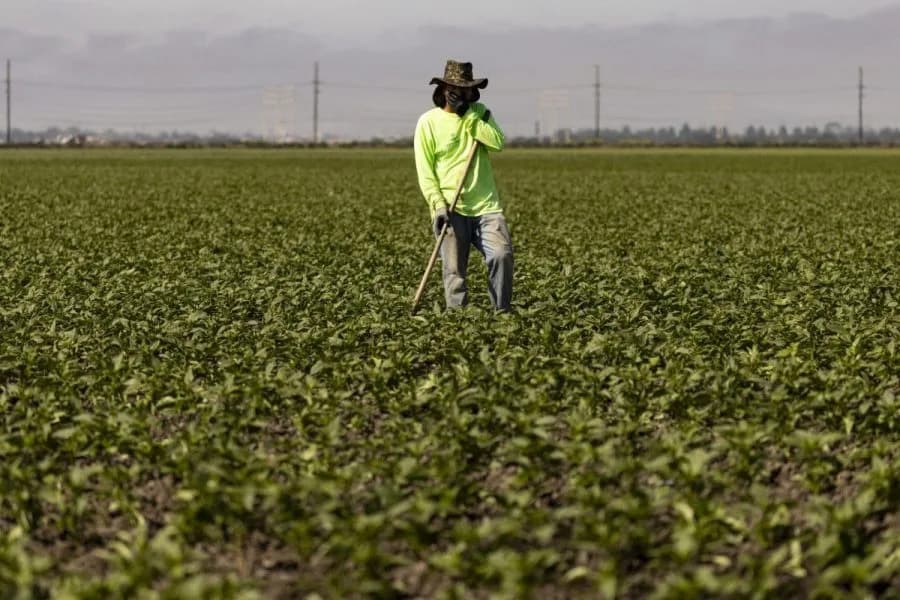
Most reported cases involve Latino men aged roughly 20 to 60 who work in physically demanding jobs with prolonged exposure to harsh environmental conditions. Many patients present late, often when kidney function is near failure.
Occupational Links and Hypotheses
Researchers writing in a 2023 public health journal note that CKDu in Central America is hypothesized to be associated with occupational and environmental exposures — especially among lowland agricultural laborers like sugarcane harvesters. A 2024 research article has suggested that repeated heat stress and chronic dehydration may play a central role, though no single cause has been confirmed.
“We are quite far, still, from understanding exactly what's going on,”
said epidemiologist Rebecca Fischer, underscoring the need for more research.
The Human Cost and Gaps in Care
Where CKDu is endemic, the consequences can be severe. The International Society of Nephrology reported that hospitalizations for the disease in El Salvador rose by about 50% between 2005 and 2012, becoming a leading cause of hospitalization in some areas and affecting many young people, including teenagers.
CKDu is frequently detected only at late stages, when patients require dialysis or kidney transplantation to survive. Those life-saving treatments are not always accessible to the most vulnerable groups. Researchers at Boston University note that many undocumented immigrants in the U.S. are ineligible for routine outpatient dialysis in most states and depend on emergency-only dialysis; such cases are often missing from national renal registries.
What Needs To Happen
Experts call for improved surveillance, more targeted research into occupational and environmental risk factors, and expanded access to early screening and care for at-risk communities. Protecting workers from extreme heat, ensuring access to hydration and rest, and strengthening reporting systems are practical steps that could help reduce harm while scientists work to identify causes.
Bottom line: CKDu is an urgent public health concern for agricultural and labor communities; better data, prevention measures, and equitable access to care are needed to address a condition that can quickly become fatal when detected late.
Help us improve.