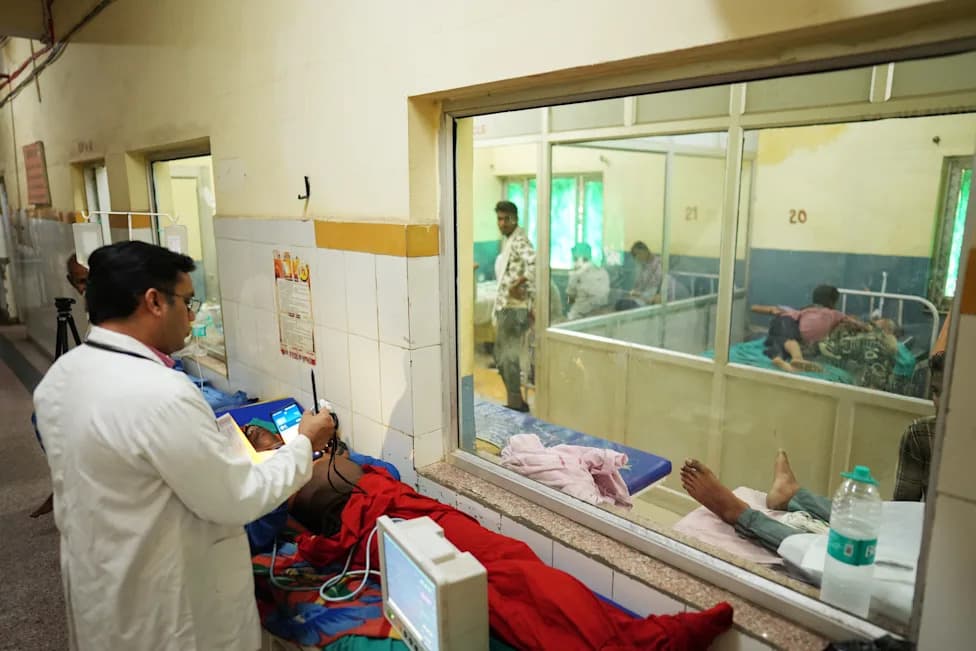
Climate Central’s analysis finds human-caused warming raised heat-related ER visits by about 27% during warm seasons from 2018–2025. The June 2021 Pacific Northwest heat wave and a 10-day California event in 2022 produced especially high ER visit rates, with hundreds of visits linked to added warming. The study notes that even a few extra degrees on hot days can overwhelm the body’s cooling ability; experts urge hydration, cooler schedules and prompt action for signs of heat stroke.
Climate Change Is Driving More Americans To Emergency Rooms — Study Links Warming To 27% Increase In Heat-Related Visits
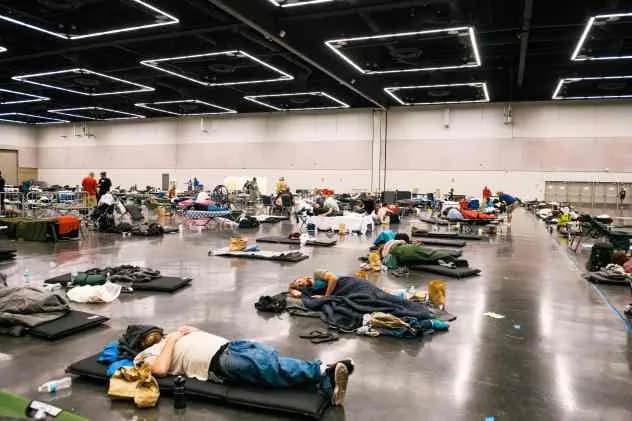
People rest at the Oregon Convention Center cooling station in Oregon, Portland on June 28, 2021, as a heatwave moves over much of the United States. The village of Lytton in British Columbia broke the record for Canada's all-time high, with a temperature of 46.6 degrees Celsius (116 Fahrenheit), said Environment Canada. (Photo credit: KATHRYN ELSESSER/AFP via Getty Images)
A new analysis by Climate Central finds that human-caused warming contributed to a substantial rise in heat-related emergency room visits across the United States. The study, published in Climatic Change, examined warm-season ER visits from 2018 through 2025 and estimates that roughly 27% of those visits were attributable to added heat from human-driven climate change.
Study Details And Major Events
Researchers compared observed heat-related ER visit rates to counterfactual scenarios without human-caused warming. They found that a few extra degrees on already hot days often pushed more people beyond the body’s capacity to cool itself, producing more emergency visits. Two extreme episodes stood out:

(Photo credit: Getty Images)
- June 2021 Pacific Northwest heat wave: This event produced the highest daily rate of heat-related ER visits recorded anywhere in the country during the eight-year study period; researchers estimate about 27% of that elevated rate was linked to human-caused warming.
- California, Aug. 31–Sept. 9, 2022: During this 10-day event California logged 1,911 heat-related ER visits; the study estimates roughly 570 of those visits were connected to the added warming from human activity.
“The data support what we are seeing in our hospitals: More people are getting sick from heat exposure...and, in some cases, death,” said Dr. Caitlin Rublee, an emergency physician, in remarks to Climate Central.
How Heat Harms Health
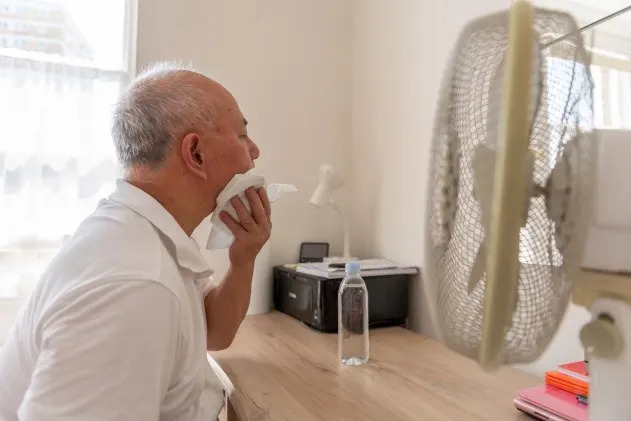
Heat-related illness can begin with headache, nausea, dizziness, weakness or heavy sweating and can escalate to life-threatening heat stroke if the body's cooling mechanisms fail. The Centers for Disease Control and Prevention warns that confusion, seizures or loss of consciousness are signs of severe heat emergency.
The study focused on daytime high temperatures and did not quantify the additional risks posed by warm nights, high humidity, or prolonged multi-day heat waves — all important contributors to heat stress.
(Photo credit: Getty Images)
Who Is Most Vulnerable
Risk is highest among older adults, very young children, outdoor workers, people with chronic health conditions, and anyone without reliable access to cooling. Dense urban neighborhoods can worsen nighttime heat retention because pavement, rooftops and buildings release stored heat slowly after sunset, leaving residents with little overnight relief.
Practical Steps To Reduce Risk
Public health experts recommend practical measures during heat spells: move strenuous activity to cooler hours, stay hydrated, use air-conditioned public spaces if you lack home cooling, take frequent breaks, and check on neighbors and relatives who may be vulnerable.
When To Seek Emergency Care
For mild heat illness: move the person out of the heat, cool them down and give water. For signs of heat stroke — confusion, slurred speech, fainting, seizures or loss of consciousness — call 911 immediately and begin cooling the person while help is en route, the CDC advises.
Sources: Climate Central analysis; study in Climatic Change; Centers for Disease Control and Prevention.
Help us improve.