Silicosis is a preventable occupational disease, yet cases are rising among central Appalachian coalminers and countertop fabricators who cut engineered stone. Recent studies — including a NIOSH report and a New England Journal of Medicine paper — document hundreds of severe illnesses, transplants and deaths. Regulatory efforts such as MSHA's 2024 silica rule and California's proposed ban on high‑silica engineered stone face industry legal challenges that have delayed protections. Advocates call for stronger enforcement, routine sampling, engineering controls and limits on dangerous materials.
We Know How To Prevent Black Lung — So Why Are Workers Still Dying?
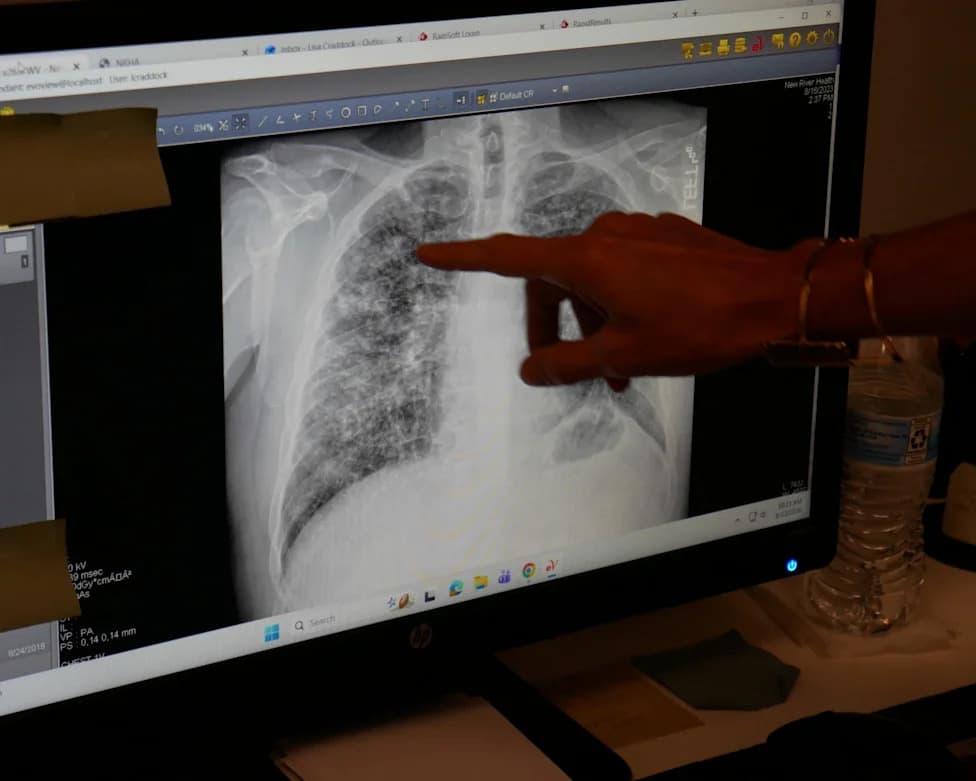
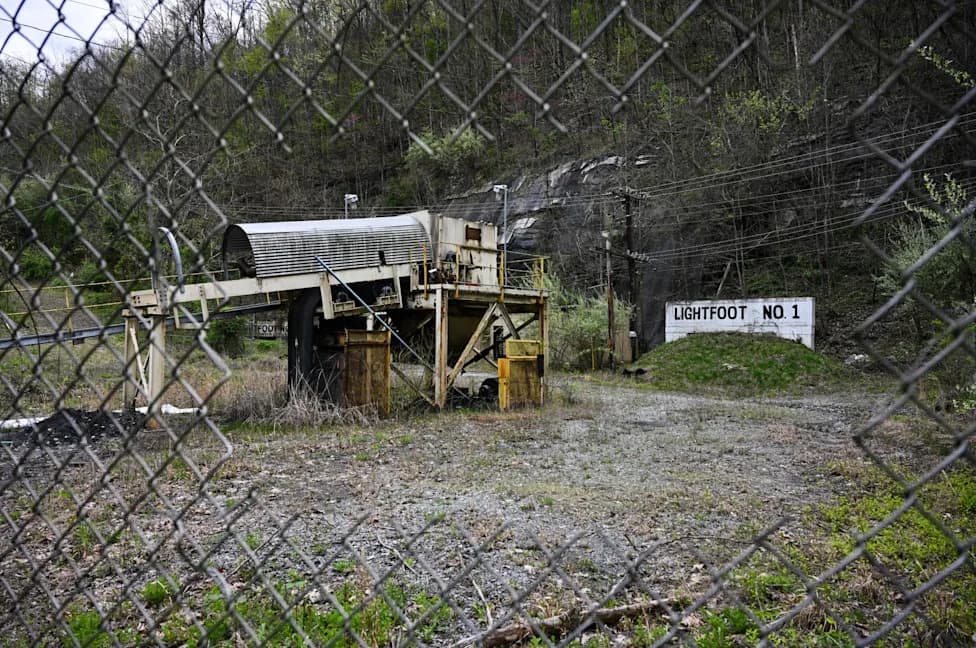
'We continue to show every single year just how bad this is, and nothing ever gets done about it. The only thing higher than our black lung rates is the amount of excuses.'Photograph: Pierre Hardy/AFP/Getty Images
Silicosis — commonly called black lung when it affects coalminers — is a preventable occupational disease. Yet in recent years new waves of workers, from central Appalachian coalminers to Latino countertop fabricators, are falling ill and dying as industry fights stronger protections and regulators struggle to defend rules that could protect them.
What’s Happening
Coalminer John Robinson was diagnosed with black lung at 47 — decades earlier than his grandfather, who developed the disease after a long mining career and often died in his 60s or 70s. "Now, honey, how are these men getting sick? Something's causing it," Robinson said. "At one time, you didn't say black lung around the coal site unless you wanted to lose a job. It's such an outbreak right now they can't hide it."
Since about 2018 clinicians have also documented clusters of severe lung disease among countertop fabrication workers who cut, grind and polish engineered stone — slabs that can contain up to 90% crystalline silica. In Colorado, Texas and California doctors found dozens of cases; a New England Journal of Medicine study later identified nearly 600 cases in California alone, including dozens who required lung transplants and dozens who died.
Cause And Prevention
Public‑health experts point to inhalation of tiny crystalline silica particles as the common cause in both outbreaks. Prevention is straightforward in principle: limit worker exposure through routine air sampling, engineering controls that suppress dust at the source, and medical surveillance. In practice, implementation varies by workplace and requires consistent enforcement.
Regulatory And Legal Fight
In 2024 the Mine Safety and Health Administration (MSHA) finalized a rule lowering the permissible exposure limit (PEL) for respirable crystalline silica from 100 to 50 micrograms per cubic meter over an eight‑hour shift, and added more frequent sampling and medical surveillance requirements. Within months, industry groups petitioned to overturn the rule. When the Department of Labor under a previous administration declined to defend the rule, a federal appeals court stayed enforcement and MSHA said it would reconsider portions of the rule affected by the challenge.
The National Stone, Sand & Gravel Association (NSSGA) led the legal challenge; NSSGA says it does not oppose the PEL reduction but objects to the frequency of sampling and medical surveillance. The American Exploration & Mining Association (AEMA), while supporting a lower PEL, argues MSHA's implementation approach is too inflexible and that administrative controls and respirators should be acceptable where engineering controls are not feasible.
Countertop Industry Pushback
Countertop fabrication workers are nominally covered by a 2016 Occupational Safety and Health Administration (OSHA) standard, but industry groups challenged the rule in court as "not based on sound science." Critics have used the "sound science" argument for years to cast doubt on research supporting regulation. Many experts note engineered stone’s very high silica content makes cutting, grinding and polishing these slabs especially hazardous, and say the 2016 OSHA standard is not sufficient on its own.
At a congressional subcommittee hearing in January, much of the focus shifted toward protecting manufacturers and retailers from litigation rather than centering worker safety. Epidemiologist David Michaels — formerly OSHA’s assistant secretary and now at the Milken Institute School of Public Health — told lawmakers the U.S. should consider banning sale of engineered stone with very high silica content, noting there are substitute materials that are comparable in use and cost but far safer.
California has proposed stricter action: in May Cal/OSHA opened rulemaking to prohibit fabrication and installation of artificial stone products containing more than 1% crystalline silica. Stone distributors objected, calling the proposal "unnecessary" and "not feasible."
Recent Studies And Data
Two recent studies underscore the scale of the problem. A National Institute for Occupational Safety and Health (NIOSH) paper found roughly one in three coalminers in central Appalachia (Kentucky, Virginia and West Virginia) have black lung disease. A New England Journal of Medicine study identified nearly 600 silicosis cases among California countertop workers, including 65 who received lung transplants and 31 who died.
Advocates who reviewed MSHA dust-sampling data from January through June of this year found 17% of sampled operations exceeded the exposure limit set in the delayed 2024 rule, with the highest concentrations concentrated in central Appalachia.
Voices From The Field
"We continue to show every single year just how bad this is and nothing ever gets done about it," said Dr. James Brandon Crum, a radiologist in eastern Kentucky who helped identify the resurgence of complicated black lung cases. "The only thing higher than our black lung rates is the amount of excuses."
What Needs To Change
Silicosis is incurable but preventable. Experts and advocates call for: stronger and enforceable exposure limits; routine, frequent sampling and medical surveillance; wider adoption of engineering controls to suppress dust; stricter rules or bans on high‑silica engineered stone products; and robust public‑sector defense of rules when they are challenged in court. Without decisive regulatory action and enforcement, workers will continue to pay with their health and lives.
Help us improve.