Florida returned more than 500,000 tons of recycled oyster and clam shells to the Gulf of Mexico between 2007 and 2024 to restore degraded seafloors. Biofilms quickly formed on the shells and weathering released calcium, creating microzones and hard surfaces that allowed oyster larvae to settle and grow. Established oyster reefs filtered water, helped reduce harmful algal blooms, and supported rebounds in fish, turtle and dolphin populations after decades of decline.
Florida’s Half-Million Shells Rebuilt Gulf Reefs — The Surprising Results
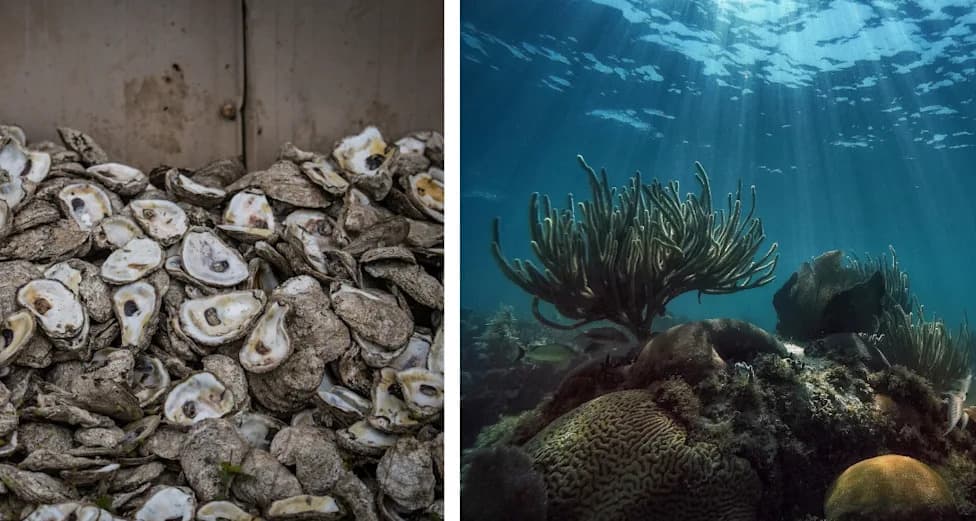
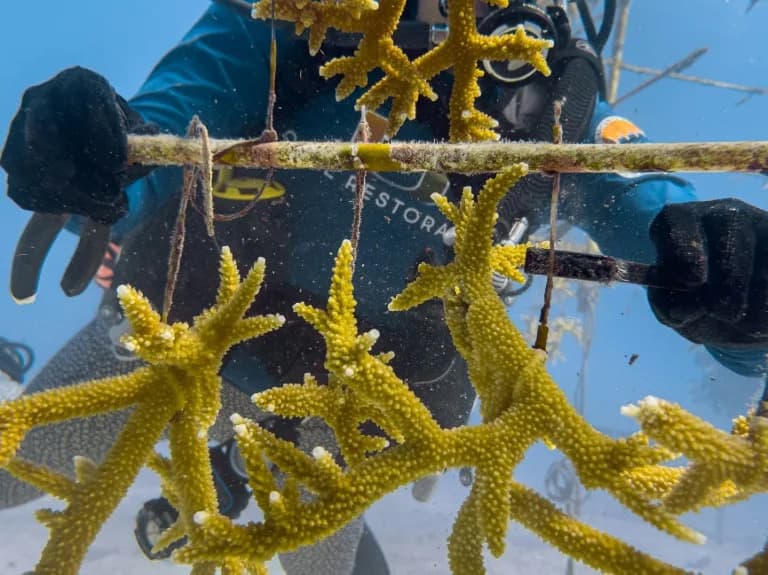
A pile of oyster shells, left, and a reef in the Florida Keys.
Between 2007 and 2024, Florida carried out an unconventional restoration project: returning more than 500,000 tons of recycled oyster and clam shells to degraded areas of the Gulf of Mexico in an effort to rebuild oyster reefs and restore the seafloor ecosystem.
Where the Shells Came From
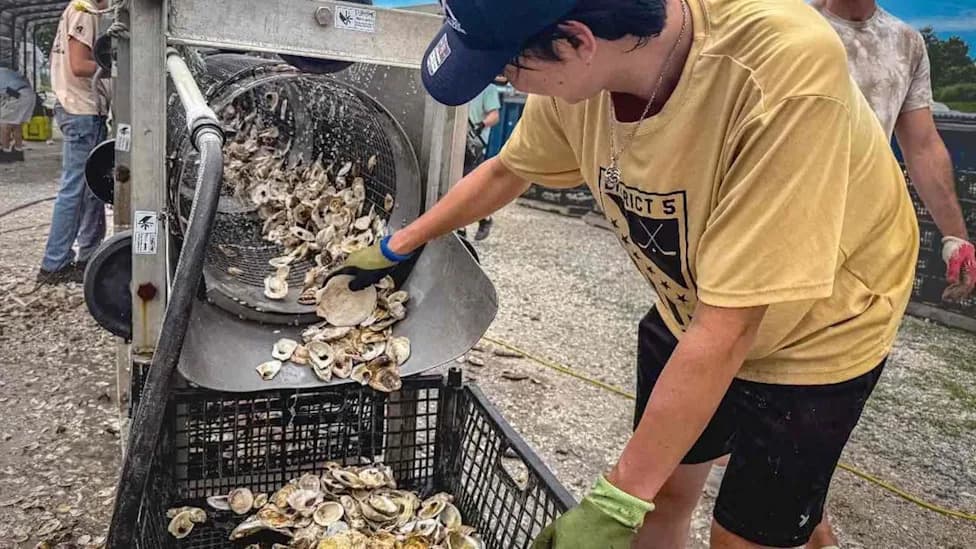
The shells were collected from seafood restaurants and processing plants—literally scraped from plates and salvaged from production lines—then placed onto sandy bottoms where reefs had declined. Early critics called the effort risky dumping and some researchers initially reported little visible progress. But important changes were occurring below the surface.
How the Shells Helped
Biofilm formation: Microbial communities rapidly colonized the shells, creating a biofilm that serves as a crucial first step in reef recovery. Scientists note that biofilm is difficult to recreate in the lab but is essential for attracting and supporting the next stages of life.
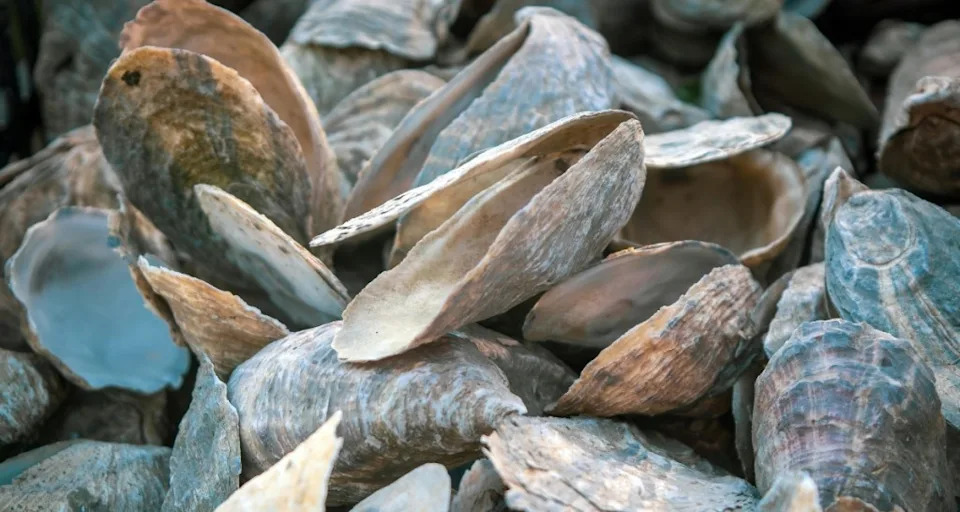
A pile of oyster shells. Photo credit:Canva
Chemical microzones: As shells weathered they released calcium and other minerals, forming tiny pockets of water with slightly different chemistry—microzones—that support species unable to survive on uniform sandy seafloor.
New hard substrate: The shells provided a solid surface for oyster larvae to attach and grow. Where only soft sediment remained after reef decline, discarded shells restored the hard substrate necessary for reef formation.
Ecological and Human Benefits
Once oysters established, they filtered water and helped limit harmful algal blooms. Over time the combined effects of biofilm, microzones and returning oysters supported broader recovery: fish, turtles and dolphins returned in numbers not seen in the region for more than 25 years, and the seafloor rebuilt itself layer by layer until the gains became visible.
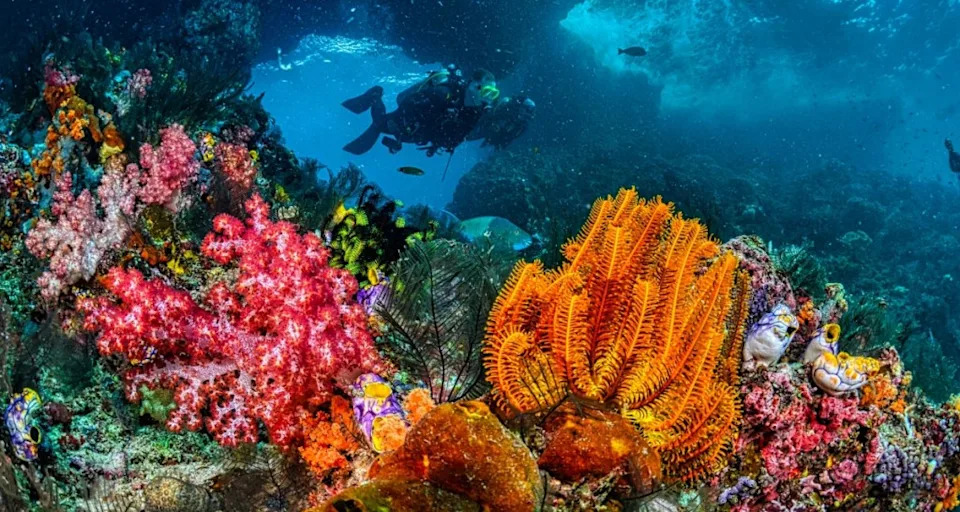
A colorful, thriving reef. Photo credit:Canva
This recovery matters to people as well as wildlife. Reefs support fisheries and local livelihoods, influence seafood prices, sustain tourism by maintaining cleaner water, and provide natural coastal protection during storms—benefits that ripple through coastal communities and regional economies.
Scaling and Context
The project's unexpected success has attracted interest from coastal engineers and marine biologists across North America, Europe and Australia. Similar shell-recycling and reef-restoration programs have been launched in states including Alabama, Texas, Louisiana, California, Mississippi and the Carolinas. While restoration can’t erase decades of damage—caused largely by overharvesting and events like the Deepwater Horizon oil spill—Florida’s program shows that carefully designed, low-cost reuse of natural materials can give struggling coastal ecosystems a realistic pathway to recovery.
Not every site will respond the same way, and long-term monitoring is essential. But this initiative demonstrates that local waste (recycled shells) can become a powerful tool for rebuilding marine life.
Note: This article was originally published in July and has been updated.
Help us improve.