Researchers and clammers on Massachusetts' North Shore have launched a two‑year collaboration to find why soft‑shell clam populations are collapsing. Using mesh "recruitment boxes" that exclude predators, teams are testing whether invasive European green crabs are driving high juvenile mortality after larvae settle. NOAA data show roughly an 80% decline in New England's commercial soft‑shell clam harvest since 1950, and runoff and sewage closures are adding economic pressure. Early findings—many clams surviving inside protected boxes—suggest predation may be a critical post‑settlement bottleneck, pointing toward targeted solutions.
Clammers and Scientists Team Up to Solve North Shore Soft‑Shell Clam Collapse
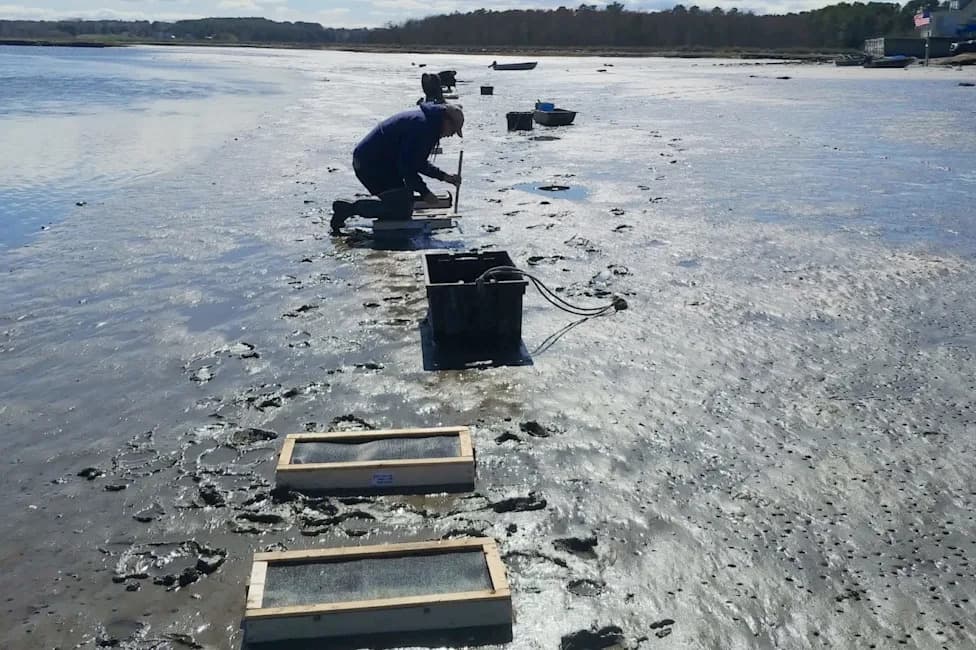
Photo Credit: Downeast Institute
Communities on Massachusetts' North Shore have relied on local shellfish flats for generations. A steep decline in soft‑shell clams, however, is threatening livelihoods, traditions and regional seafood businesses. Fisheries managers, shellfishers and marine scientists have launched a two‑year collaboration to pinpoint the causes and test targeted solutions.
How the Study Works
In Plum Island Sound, researchers are using mesh‑covered "recruitment boxes"—PVC containers with a fine mesh lid that allows microscopic clam larvae to settle but keeps larger predators out—to compare juvenile clam survival inside protected boxes with survival on adjacent, unprotected mudflats. The project, reported by WGBH, connects ecologists from Northeastern University and the Plum Island Ecosystems research program with local shellfishers.
What the Data Show
NOAA Fisheries data cited by WGBH show New England's commercial soft‑shell clam harvest fell from about 8.9 million pounds in 1950 to roughly 1.75 million pounds in 2024—an approximate 80% decline. Runoff and sewage spills have also prompted periodic bed closures, further reducing harvesters' incomes.
Evidence Points to Predation
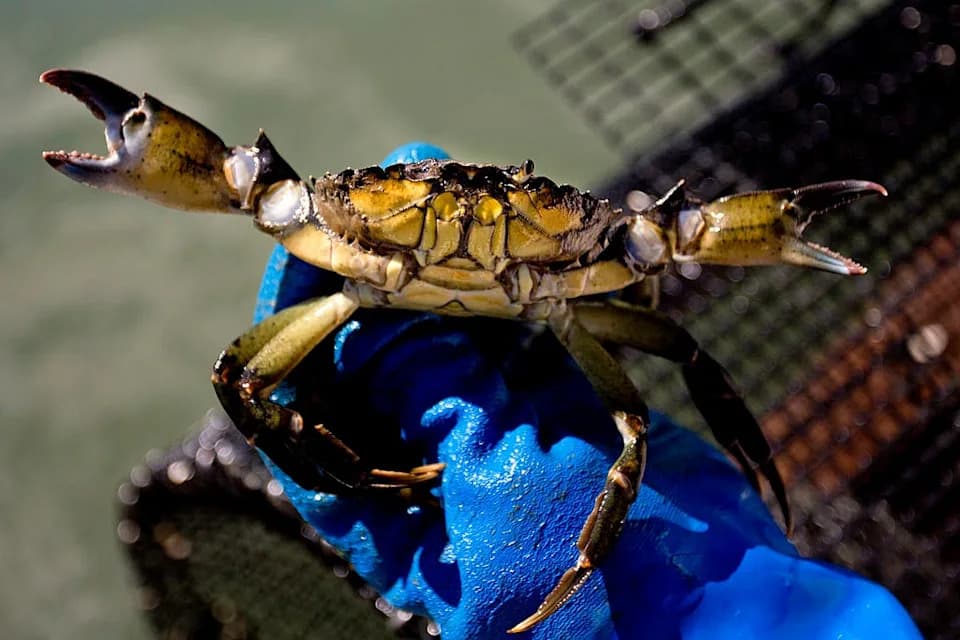
Shellfishers involved with the study have long suspected the invasive European green crab is a major driver of declines. The recruitment boxes are adapted from a design by Downeast Institute marine ecologist Brian Beal, who has studied clams and green crabs since the 1980s.
"They smash things and they just … crunch. There's nothing left of the clam after a green crab is done with it," Beal said.
Beal and other researchers note that mild winters can lead to higher green crab numbers while cold winters reduce them—suggesting climate variability may influence predator pressure.
Early Results
On one sampling day, Professor David Kimbro's team retrieved 45 PVC recruitment boxes from the flats and examined them for clams. Protected boxes have sometimes held dramatically higher densities—Beal has reported figures as high as 450 clams per square foot inside boxes compared with only two to three clams per square foot in unprotected mud. Samples from Rowley showed clams, including soft‑shell and razor clams, inside protected boxes, indicating larvae are arriving but many may not survive once exposed to predators.
"And if there's clams in our boxes, that shows us that there are larvae out there and that they are dying, but our boxes are protecting them from that," said Northeastern graduate student Grace Abe.
"We're all hemming and hawing and saying it's this or it's that. But you can't come up with a solution that's going to work unless you know it's exactly happening because of X, Y, and Z," said Kimbro.
Human and Cultural Impact
Local shellfishers feel the economic pinch. Patrick Saunders, whose family has dug clams in Rowley for at least six generations, said the work no longer reliably supports a family. "It's just not possible to support a family," he told WGBH. Saunders hopes future generations will still be able to harvest and eat from the same beds his ancestors used.
Why This Matters
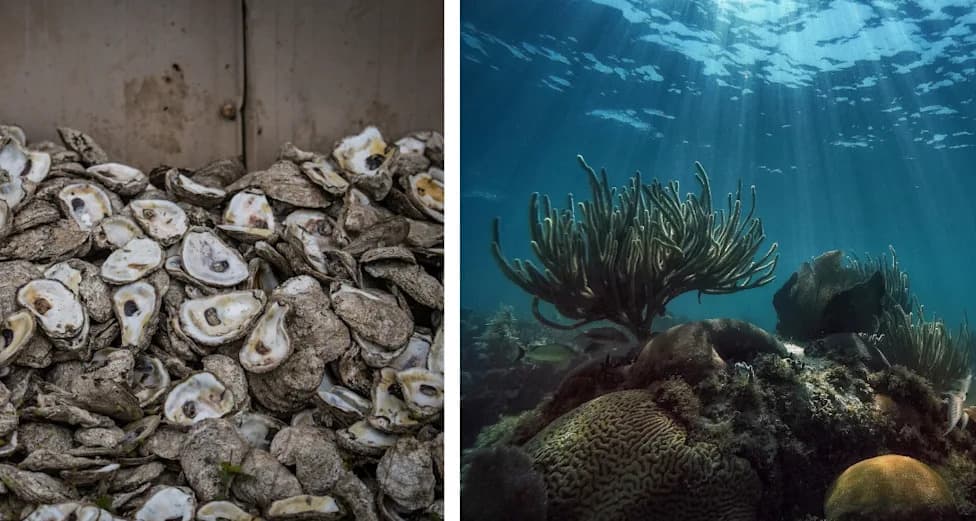
The project aims to replace uncertainty with evidence so managers can design effective, targeted interventions—whether that means predator control, habitat restoration, water‑quality improvements, or a combination. The North Shore's clam crisis is part of a broader coastal picture that includes oyster restoration, shoreline erosion and land subsidence—issues that collectively threaten coastal economies and traditions.
Next Steps
The two‑year study will continue monitoring protected and unprotected sites to determine whether predation represents the primary post‑settlement bottleneck. Results will guide restoration strategies and policy decisions to help sustain clamming communities and the ecosystems they depend on.
Help us improve.