European green crabs are a widespread invasive threat that damage eelgrass, shellfish beds and marshes and reproduce extremely prolifically. Warmer waters have helped them expand north, prompting emergency responses such as Washington State's multi-million-dollar eradication effort. Entrepreneurs and chefs—especially in New England—are creating markets for soft-shell crabs, converting some catch into food, compost and fertilizer. Major barriers remain: harvesting is labor intensive, processing and transport infrastructure is limited, and sustainable removal capacity is still uncertain.
From Menace to Menu: Communities Turn Invasive Green Crabs into Economic and Ecological Solutions
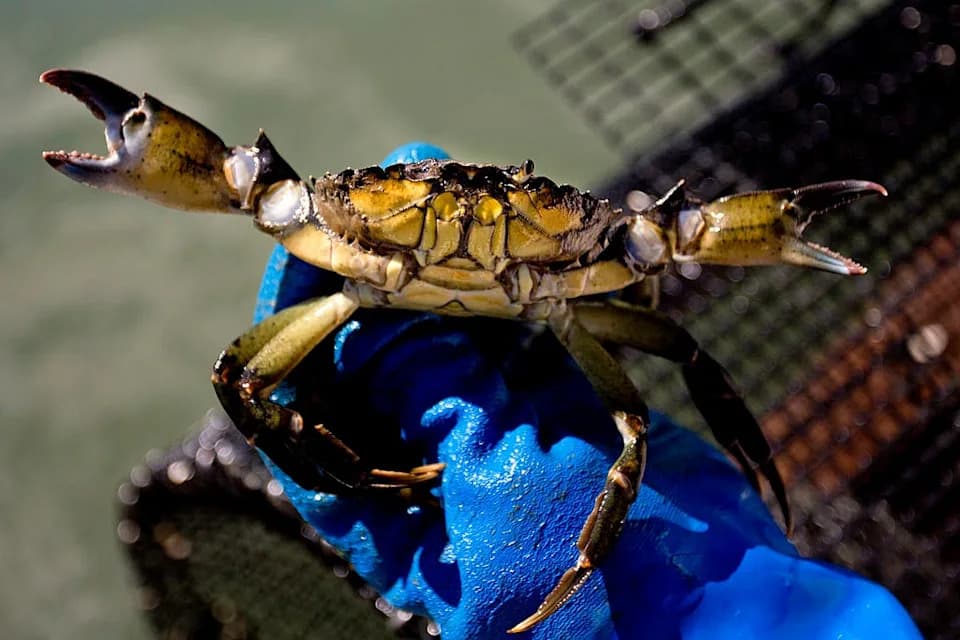
green crab
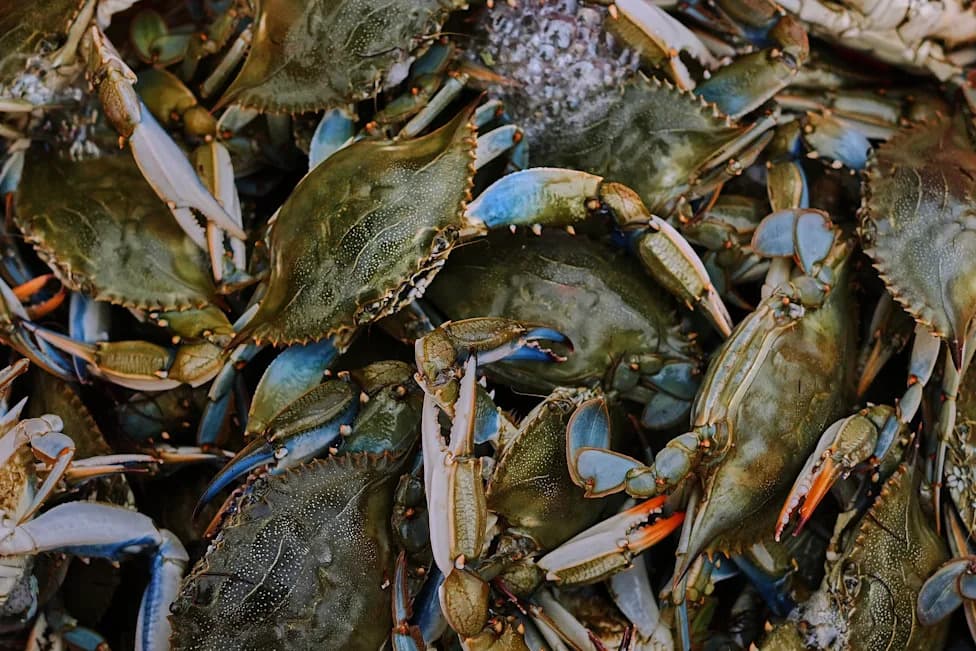
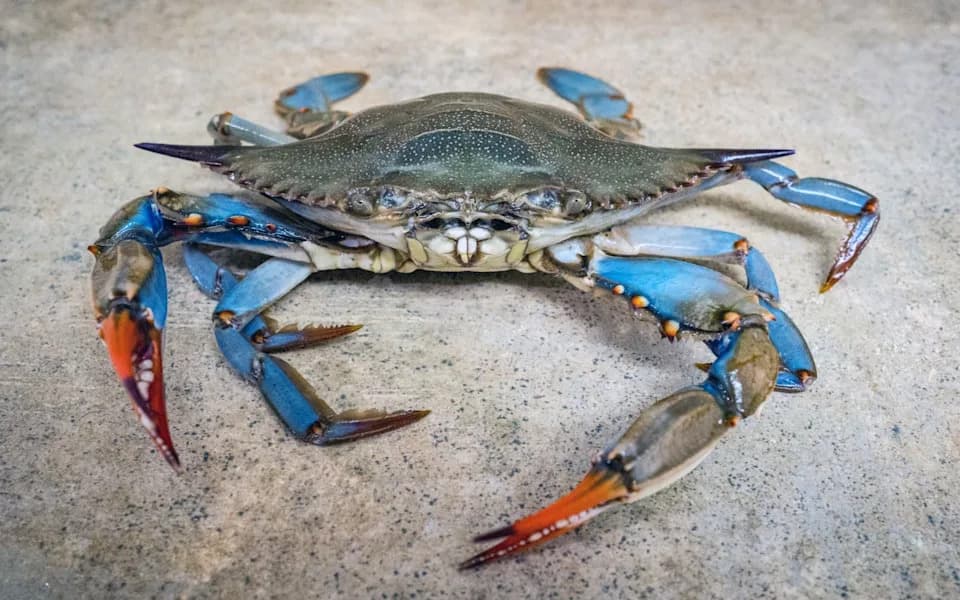
European green crabs, also called shore crabs, are one of the world’s most successful marine invaders. First arriving on the U.S. East Coast in the 1800s—likely in the ballast water of European merchant ships—these adaptable crustaceans have spread along both U.S. coasts and into Alaska, South Africa, Japan, Argentina and Australia.
Why Green Crabs Are So Dangerous
The U.S. National Marine Fisheries Service warns that green crabs have few local predators, aggressively hunt prey, destroy eelgrass and other habitat, and outcompete native species for food and shelter. They eat mussels, oysters and soft-shell clams, devour juvenile king crab and salmon, and erode marsh banks. A single female can release up to about 185,000 eggs once or twice a year, helping populations explode where conditions allow.
Scale of the Problem
On the East Coast their numbers reach the tens of millions; on the West Coast warmer ocean conditions linked to patterns such as El Niño have allowed the crabs to expand northward. Washington State declared an emergency in 2022 and has committed more than $38 million in state and federal funds through fiscal year 2027 to control and eradicate populations. This year, nearly 2 million green crabs were caught in Washington, with much of the biomass converted into roughly 135,000 pounds of material accepted by an organic fertilizer company. The Shoalwater Bay Indian Tribe and the Lummi Nation also harvest crabs for composting.
Market-Based Mitigation Efforts
Faced with ecological damage and economic losses to shellfisheries, entrepreneurs, chefs and conservation groups in New England and beyond are experimenting with market-based approaches: turning green crabs into food, pet treats, sauce, spirits and fertilizer. A promising niche is the soft-shell stage: crabs that have just molted are tender and fetch much higher prices than hard-shell animals. Masi, founder of shell+claw, says soft-shell green crabs can bring about $3 each at market versus as little as $0.08 for a hard shell.
"Just about everyone hates them, and we're trying to turn them into a premium seafood product," said Masi, whose company commercially cultivates these soft-shell crabs.
Challenges Remain
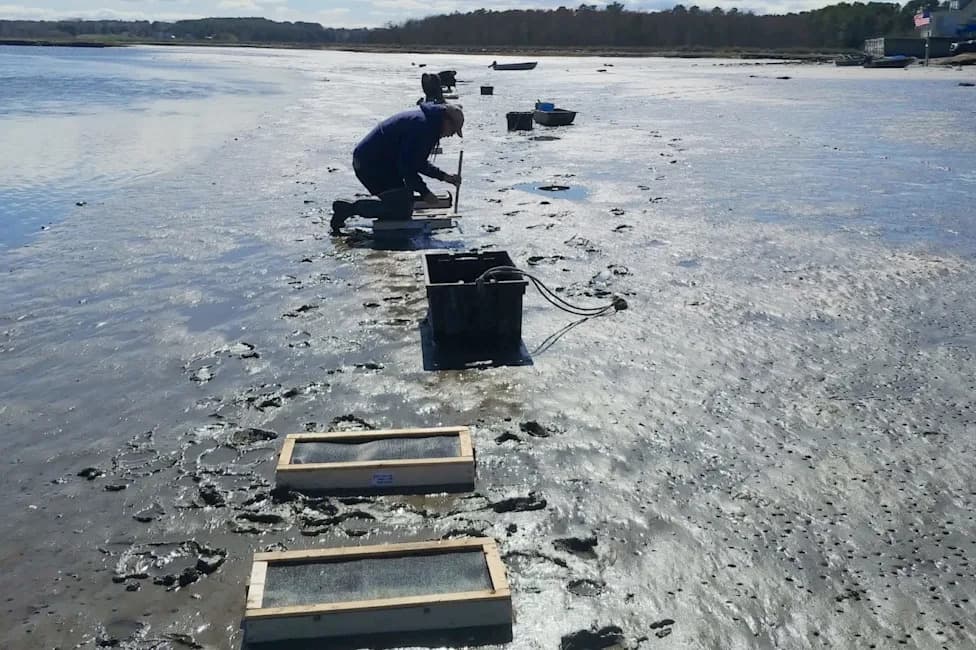
Despite growing culinary interest—restaurants in New England have expanded offering green crab dishes more than tenfold since 2021—several obstacles limit the approach's scalability. There is little processing and transport infrastructure: many harvesting areas lack access to quick, cold-chain logistics needed to get fresh product to major markets. Harvesting soft-shell crabs is labor intensive; crews must hand-sort thousands of animals to find molting individuals. Data are also scarce on how many crabs a fishery could sustainably remove without unintended consequences.
Policy steps and small incentives have begun to help: Rhode Island offers a green crab fishing license for $10, Connecticut permits sale of green crab as food, and Maine has eased rules to move product to market. Nevertheless, some coastal fishers say the invasive crabs have already caused dramatic declines in other species—Maine reports soft-shell clam landings fell from more than 7.8 million meat pounds in 1978 to 1.3 million pounds in 2025.
Outlook
Local innovations—from composting and fertilizer to restaurants serving tempura soft-shell crab and green crab laksa—show creative ways communities can reduce populations while generating value. But turning those experiments into reliable, industrial-scale solutions will require improved logistics, better data on sustainable harvest rates, investment in processing infrastructure, and careful management to avoid creating perverse incentives that protect rather than eliminate invasive populations.
Note: The Associated Press contributed to reporting referenced here.
Help us improve.