The EPA under the Trump Administration has proposed repealing carbon pollution limits for coal- and gas-fired power plants, arguing the emissions do not materially affect global climate. Scientific studies, public-health experts and prior agency analyses contradict that claim, linking power-plant pollution to thousands of premature deaths and large economic costs. The Biden-era standard would have required coal plants to deploy carbon capture by 2039 and was projected to deliver up to $370 billion in public-health and climate benefits over 20 years. The rollback is part of broader regulatory changes that critics say will worsen local pollution and accelerate global warming.
EPA Moves To Repeal Power-Plant Carbon Limits — Scientists Warn Of Deadly Health And Climate Costs
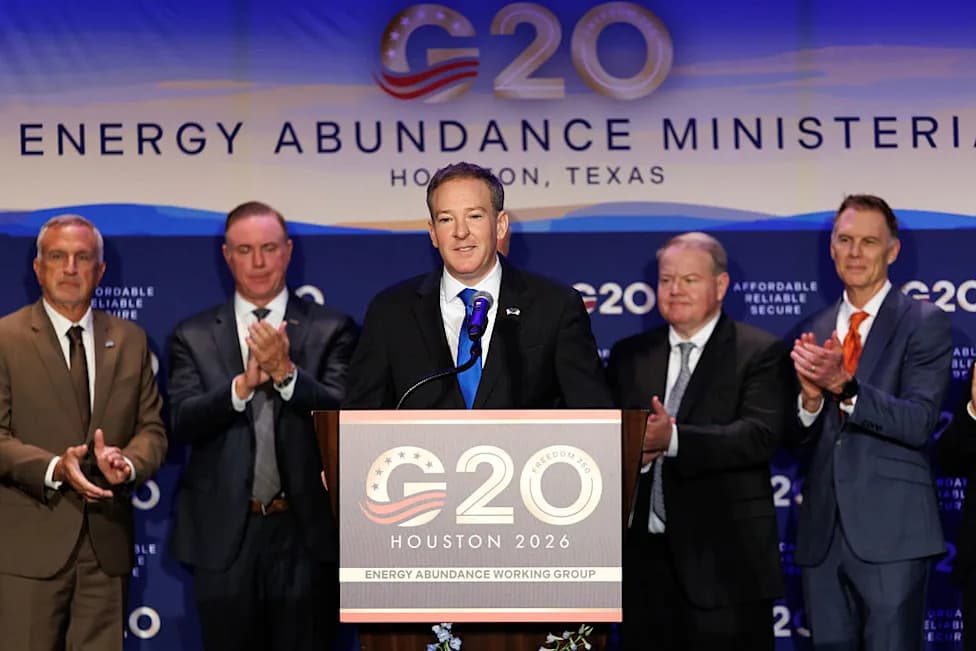
Lee Zeldin, U.S. EPA Administrator, speaks during the G20 Ministerial Meeting on Energy Abundance in Houston, Texas, on Sept. 14, 2026. —Mark Felix—Getty Images
The Trump Administration has proposed rescinding federal limits on carbon pollution from coal- and gas-fired power plants, a move announced by EPA Administrator Lee Zeldin at the G20 Energy Abundance Ministerial in Houston on Sept. 14. The agency argues that emissions from US power plants have no material impact on global climate change and that any specific health harms tied to the US power sector are too uncertain to justify regulation. That position conflicts with decades of scientific evidence showing clear health and climate benefits from cutting power-sector emissions.
What the Proposal Would Do
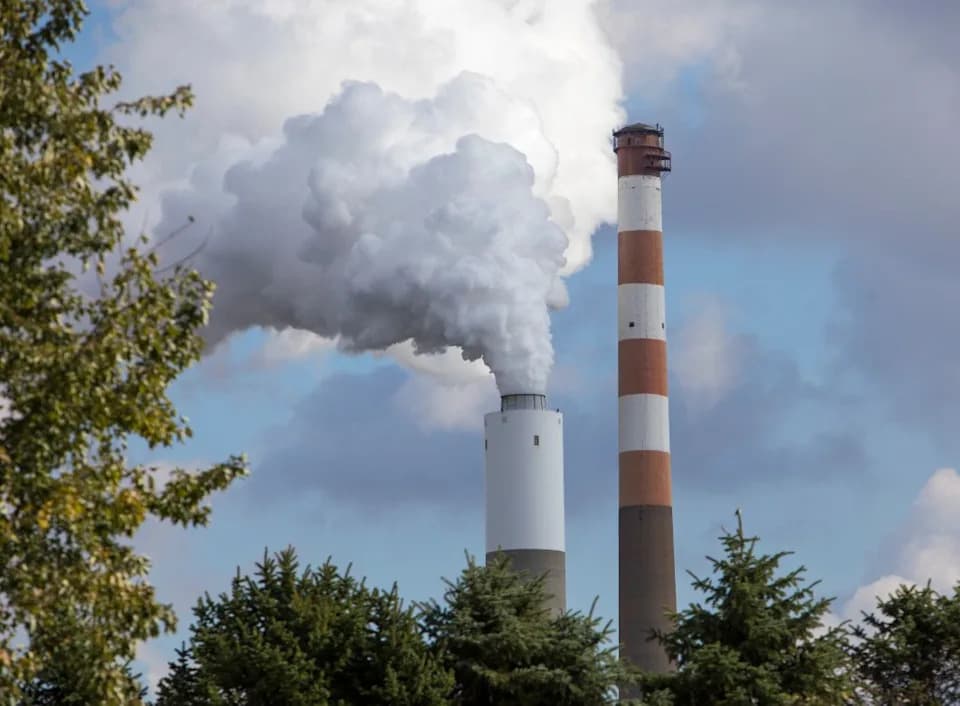
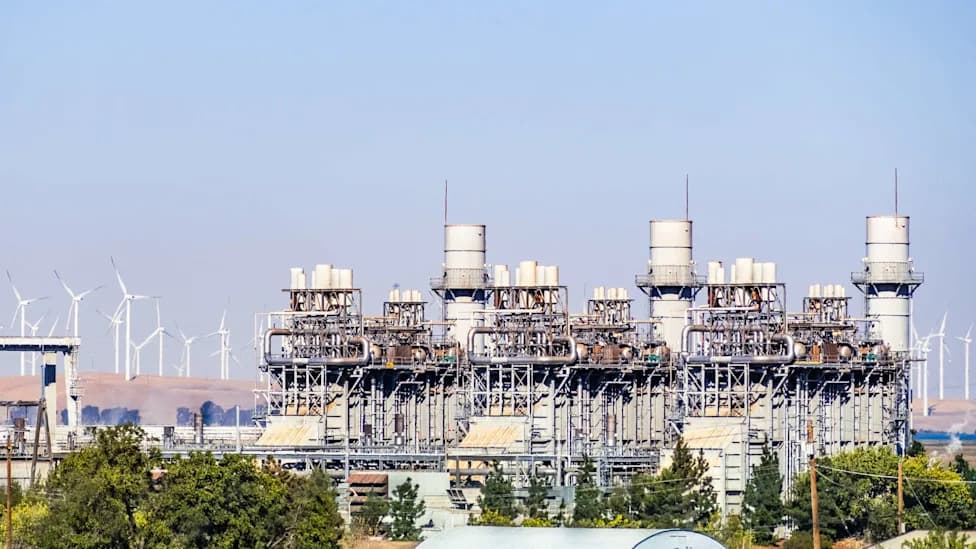
The proposal would repeal climate pollution standards finalized by the Biden Administration in 2024. Those standards applied to existing coal-fired plants and to any prospective gas-fired facilities, requiring coal plants to deploy carbon capture technology capable of removing most carbon emissions by 2039 and prompting gas plants to shift to cleaner fuels such as hydrogen. The EPA says it will hold a public hearing across a 15-day window and accept public comments for 45 days.
Scale Of Emissions
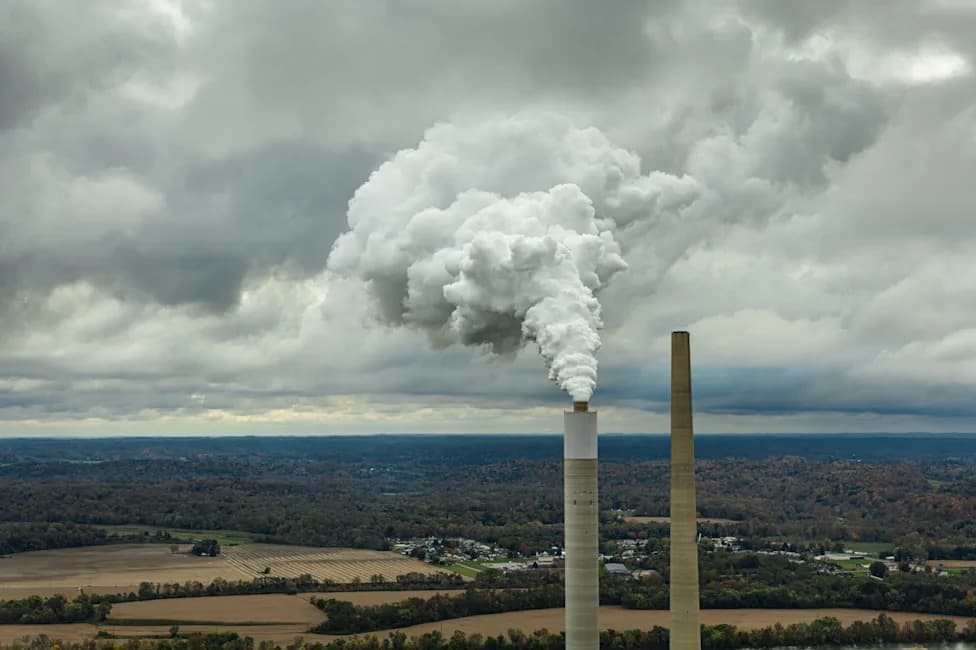
The US power sector remains a major greenhouse gas source. According to the most recent figures, the sector emitted 1,427 million metric tons of carbon dioxide in 2024, making it the second-largest emitting sector in the United States. A May 2025 analysis by the Institute for Policy Integrity at NYU School of Law concluded that if the US power sector were a country, it would rank as the world s sixth-largest emitter.
Health And Economic Stakes
The Biden-era rule was projected to deliver substantial public health and climate benefits. Government estimates said the standard could prevent up to 1,200 premature deaths, avert 360,000 cases of asthma symptoms, reduce 48,000 student absence days, and avoid 57,000 lost work days in 2035 alone. Over 20 years, the rule was estimated to yield up to $370 billion in combined public-health and climate net benefits.
By contrast, an internal Trump Administration analysis in 2025 found that eliminating these standards would cause thousands of premature deaths and tens of billions of dollars in additional health costs. Numerous independent experts and peer-reviewed studies support the link between power-plant pollution and serious health outcomes, including cardiovascular and respiratory disease, asthma exacerbations, emergency room visits, and premature mortality.
The science is very clear, says Jim Zhang, professor of global and environmental health at Duke University. These pollutants cause cardiovascular and respiratory disease, worsen asthma and heart disease, and are associated with increased deaths and emergency visits.
Unequal Local Impacts
Communities near power plants — disproportionately low-income and frequently communities of color — experience higher exposure to fine particulate matter and other pollutants. Studies show that fine particulate pollution from coal-fired power plants, often called coal PM2.5, is associated with a mortality risk that can be more than double that of PM2.5 from other sources. Removing regulations risks worsening these local environmental justice harms.
Climate Consequences
Higher carbon dioxide emissions amplify global warming and intensify extreme weather, wildfires, coastal erosion, flooding and hurricanes, all of which carry direct and indirect health impacts. Extreme events cause injuries and fatalities, disrupt health services, harm mental health, and can undermine access to clean water and food. As Michael Greenstone, director of the Institute for Climate and Sustainable Growth, put it, policies that act as if climate change has no impacts do not change the physics of the atmosphere — they only deepen future harms.
Broader Regulatory Rollback
The repeal of power-plant standards is part of a larger series of rollbacks by the administration, including a finalized repeal of the 2009 endangerment finding, a ruling that the Clean Air Act does not authorize regulation of vehicle tailpipe emissions, and eased restrictions on hydrofluorocarbons. The administration has also taken steps to keep multiple coal plants online and directed funding toward coal plant upgrades.
What Comes Next
The EPA s notice begins a formal rulemaking process that includes hearings and public comment. Stakeholders, health experts, states and communities affected by power plants are expected to weigh in. The ultimate outcome will shape both local air quality and the US contribution to global emissions for years to come.
Bottom line: The proposed rollback reverses a rule that federal estimates and independent science say would have saved lives, reduced disease, and provided large economic benefits. Critics warn it will increase local pollution exposure for vulnerable communities and worsen global climate impacts.
Help us improve.