The Bay Area has postponed a ban on sales of new gas water heaters until 2028 and added hardship exemptions to protect households with financial, structural, or emergency constraints. Regulators say the move balances climate and public-health goals with the realities of older housing and urgent repairs. Officials and advocates emphasize that exemptions should be paired with rebates, financing, contractor training and public education to ensure a fair, effective transition.
Bay Area Delays New Gas Water Heater Sales Ban To 2028, Adds Hardship Exemptions
Photo Credit: iStock
Bay Area regulators have postponed a planned ban on sales of new gas water heaters until 2028 and introduced hardship exemptions to ease the transition for households facing financial or technical barriers. The revised proposal, reported by The Press Democrat, aims to balance the region’s climate and public-health goals with the practical realities many residents face when replacing essential home appliances.
What Changed
The updated policy shifts the start date to 2028 and establishes an exemption process for households that cannot reasonably convert to electric options immediately. Officials say the changes respond to concerns around affordability, urgent replacements, and the retrofit challenges common in older buildings.
Why Regulators Still Favor Electrification
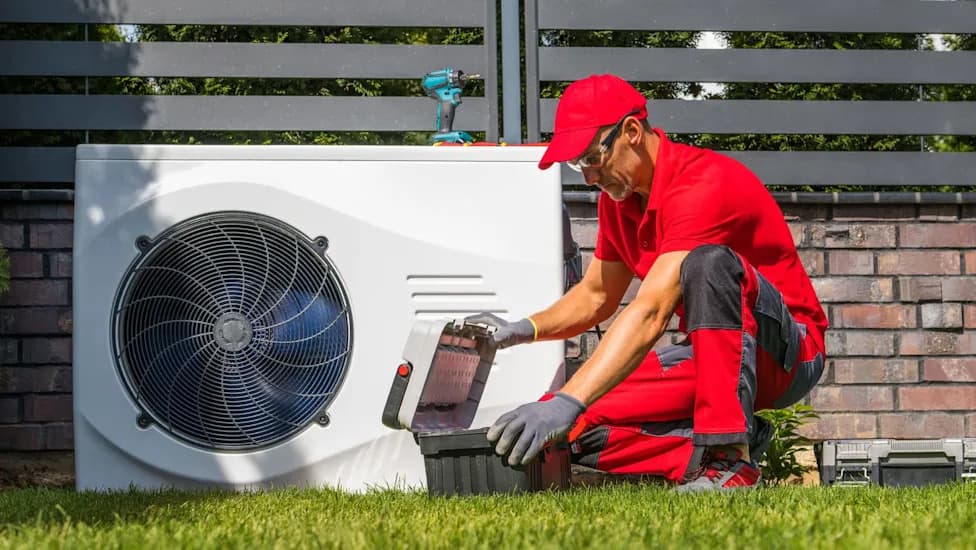
Gas water heaters contribute to indoor and outdoor air pollution and can lock homes into years of fossil-fuel use. Switching to electric alternatives, particularly heat pump water heaters, reduces emissions, improves neighborhood air quality, and often delivers greater energy efficiency over time.
Who Could Be Hurt By A Rapid Switch
- Seniors on fixed incomes: May lack funds for an immediate upgrade.
- Residents of multifamily buildings: Face coordination and infrastructure hurdles.
- Owners of older homes: May need electrical-panel upgrades before an electric unit can be installed.
“A delayed timeline and a clear exemption process can prevent rushed decisions during emergency replacements,” officials say.
Exemptions And Limits
The exemption process is intended to cover emergency replacements, unusually high upgrade costs, and buildings with electrical or structural constraints that make immediate electrification impractical. Regulators stress exemptions are temporary measures meant to preserve the policy’s climate and health benefits while avoiding undue hardship.
What Else Is Needed
Stakeholders say exemptions alone won’t be enough. A fair transition will likely require:
- Rebates and targeted incentives to reduce upfront costs
- Low-interest financing options for retrofits and panel upgrades
- Contractor training on electric and heat pump installations
- Clear guidance for homeowners, landlords, and tenants about options and timelines
- Expanded public education so people know their choices before equipment fails
Practical Steps For Households
Homeowners and renters with aging gas water heaters should check local incentives, ask contractors about electric-ready upgrades, and determine whether their electrical panel can handle a new electric unit before a breakdown forces an emergency decision. Planning ahead can reduce costs and disruption.
While the revised policy delays enforcement and provides relief for vulnerable households, it keeps the Bay Area on a path toward cleaner home energy. The extra time is meant to help communities make the transition in a way that is both environmentally effective and socially equitable.
Help us improve.