Gavin Newsom's eight years as California governor delivered major clean-energy gains — big increases in solar, batteries and electric vehicles and a goal of 100% carbon-free power by 2045 — but his record is mixed. Critics point to rollbacks on rooftop-solar incentives, cuts to virtual power plant funding, and deference to powerful utilities during emergencies. Rising household electric rates and deferred utility reforms leave hard problems for his successor.
Newsom’s Climate Record: Big Clean-Tech Gains, Lingering Utility Challenges
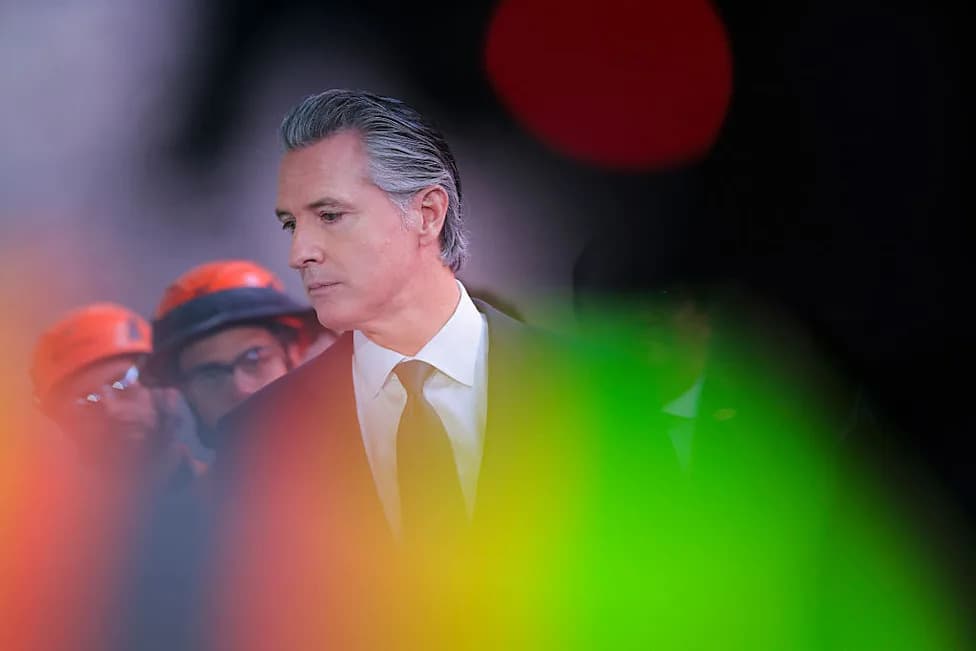
Gavin Newsom’s complicated legacy on climate and clean energy
As Gavin Newsom's eight-year tenure as California governor draws to a close, his record on climate and clean energy is a study in contrasts: sweeping gains in solar, batteries and electric vehicles, coupled with missed opportunities to reform utilities and ease rising household energy costs.
Clean-energy Progress
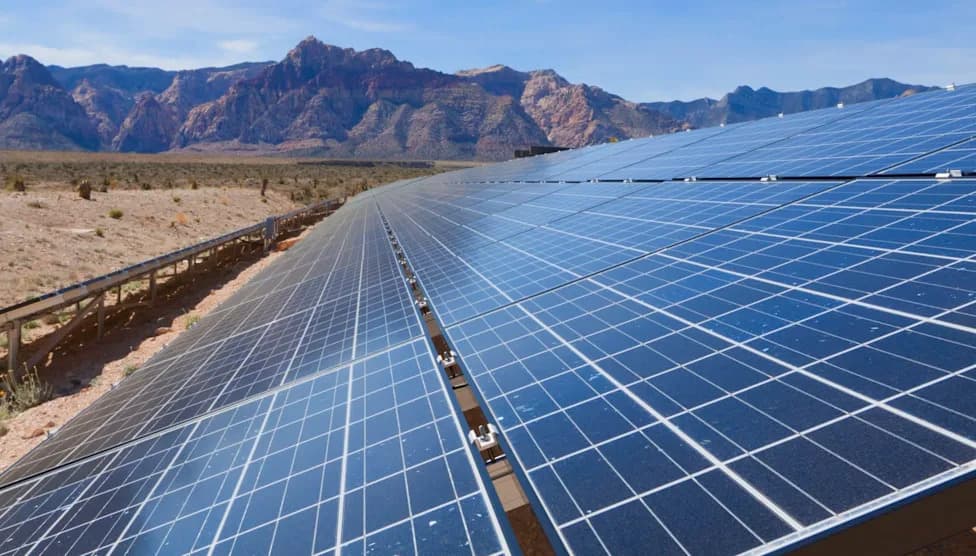
Under Newsom, California expanded utility-scale solar and battery storage, accelerated electrification of transportation, and pursued a legally binding goal of 100% renewable and carbon-free electricity by 2045. The state added millions of electric vehicles and grew its utility-scale renewables and battery fleet substantially, while maintaining economic growth — strengthening the political case that decarbonization and prosperity can coexist.
What He Did Well
Supporters point to a string of concrete wins: rapidly increased deployment of solar and energy storage, strong EV adoption, and high-profile climate diplomacy that positioned California as a national climate leader. As Dan Kammen, a climate scientist, put it, "California's solar and energy storage and EV story is amazing."
Shortfalls And Controversies
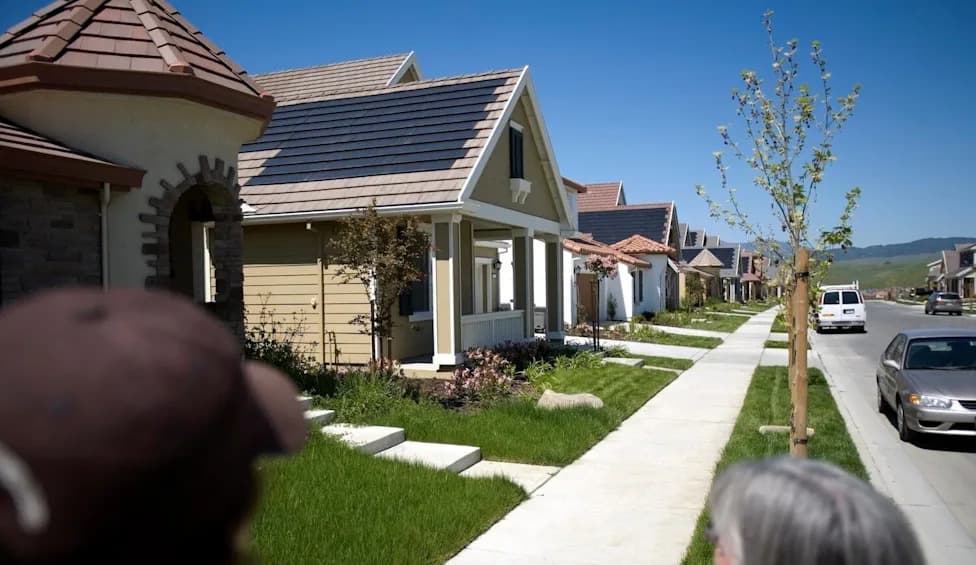
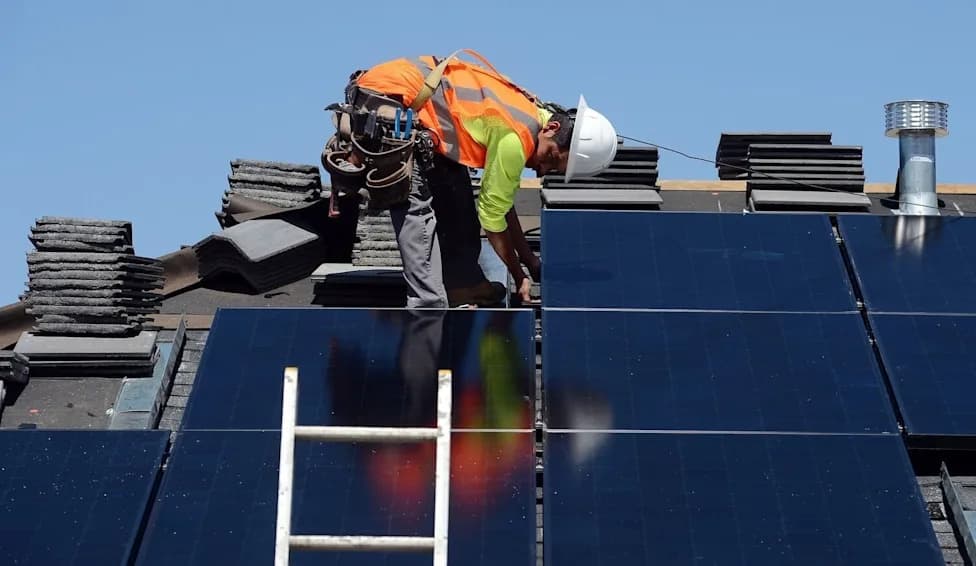
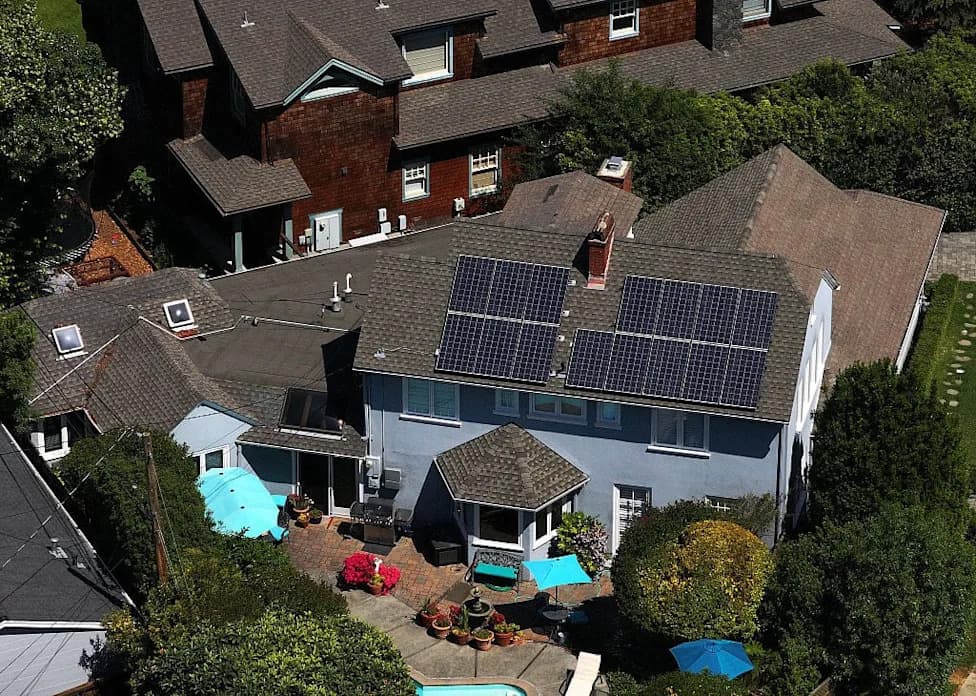
Critics say Newsom retreated on environmental-justice ambitions and shied away from confronting powerful oil, gas and utility interests. A notable policy shift came in 2023 when the California Public Utilities Commission (CPUC), with members appointed by Newsom, reduced rooftop net-metering compensation that had helped build a nation-leading 20+ gigawatts of distributed solar. That decision, and several vetoes and funding cuts, undermined rooftop and community solar programs and slowed support for virtual power plants (VPPs) that aggregate customer batteries and EVs to reduce peak demand.
“On distributed energy, he's been pretty uniformly bad,” said Arnab Pal of Deploy Action, reflecting frustration among distributed-energy advocates.
Utilities, Emergencies And Political Reality
Newsom confronted a string of crises that constrained policy choices. Three weeks after he took office in 2019, Pacific Gas & Electric (PG&E) filed for Chapter 11 amid wildfire liabilities; Newsom helped steer a restructuring that allowed the utility to emerge from bankruptcy in 2020 but preserved the investor-owned utility model. During heat waves and rolling blackouts, the administration authorized emergency uses of diesel generators and older gas peaker plants while also accelerating procurements for clean energy and batteries.
Those emergency responses, along with continued subsidies for some biofuels and decisions to postpone the closures of assets such as Diablo Canyon nuclear plant and Aliso Canyon gas storage, have drawn criticism for preserving legacy infrastructure and industry influence. Meanwhile, utility rates have risen sharply: household electricity rates in California now run roughly twice the U.S. average, even as utilities reported record profits — a major barrier to electrification and to energy equity for nearly one in five households struggling to pay bills.
Distributed Energy And The Road Ahead
One clear missed opportunity was fuller support for distributed energy resources. Newsom vetoed or failed to sustain programs that would have restored rooftop-solar credits for schools and encouraged VPPs. Funding for the Demand Side Grid Support program — which aggregated more than 500 megawatts of customer-owned batteries — was nearly eliminated, even though such programs can reduce peak-driven infrastructure costs.
Legacy And What Comes Next
Newsom’s 2022 $54 billion climate spending pledge was pared back to cover state revenue shortfalls, and many of the hardest choices about utilities and wildfire liability were deferred to his successor. The next governor will inherit a complex mix of durable clean-energy progress and unresolved affordability and governance challenges. Experts warn that fixing rising energy costs and integrating justice into decarbonization will take sustained effort beyond a single administration.
Bottom line: Newsom presided over major clean-technology deployment that proves much of the transition is feasible, but his tenure also left unresolved questions about utility power, equitable cost-sharing, and the political will to reform entrenched industry structures.
Help us improve.