Letters responding to a Boston Globe investigation say Massachusetts ratepayers could ultimately pay about $42 billion for the Gas System Enhancement Program, launched in 2014 to replace at-risk gas pipes. Supporters argue pipe replacement improves safety, cuts maintenance costs and has helped reduce distribution emissions; critics say the program misallocates resources and prolongs reliance on fossil fuels. Lawmakers are considering a 2030 phase-out while some advocates call for an immediate end, and policymakers are weighing alternatives such as incentives for electrification.
Massachusetts Ratepayers Could Face $42B Tab as Calls Mount to End Gas Pipe Program
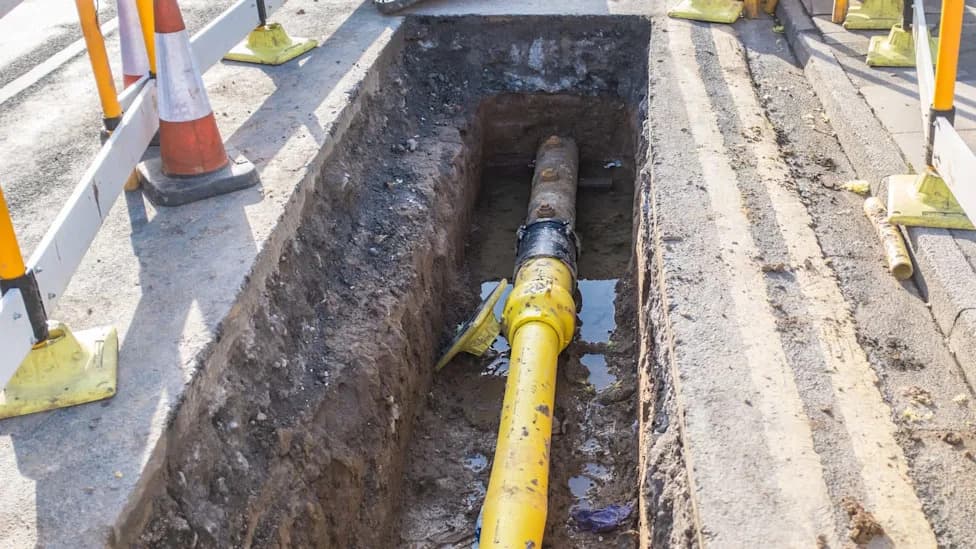
Photo Credit: iStock
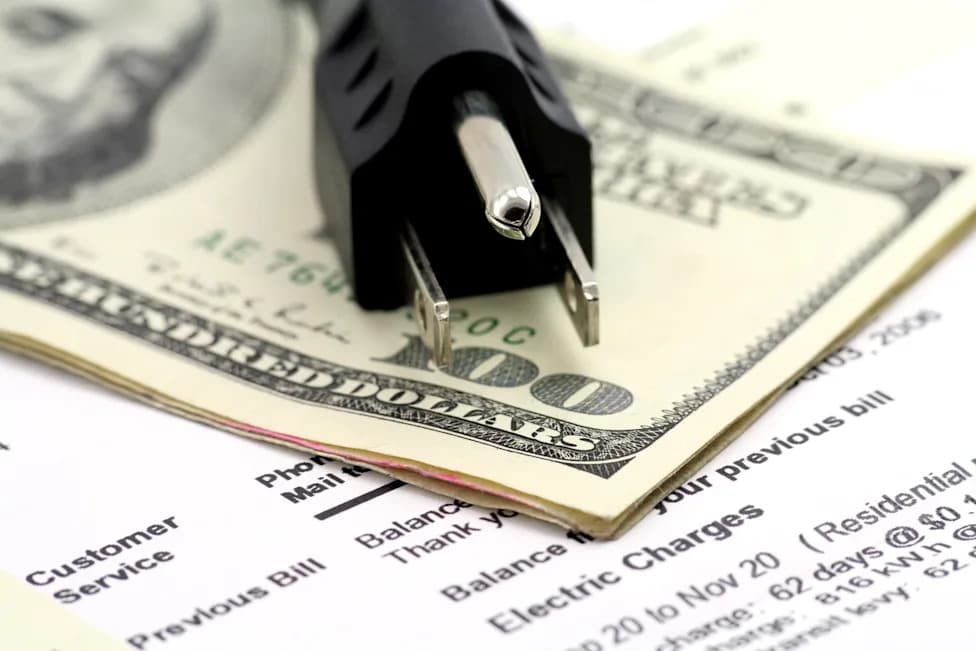
Letters published in response to a Sept. 13 Boston Globe investigation warn that Massachusetts customers could ultimately shoulder about $42 billion for the state’s Gas System Enhancement Program (GSEP), reigniting a contentious debate over the program’s cost, safety benefits and climate impact.
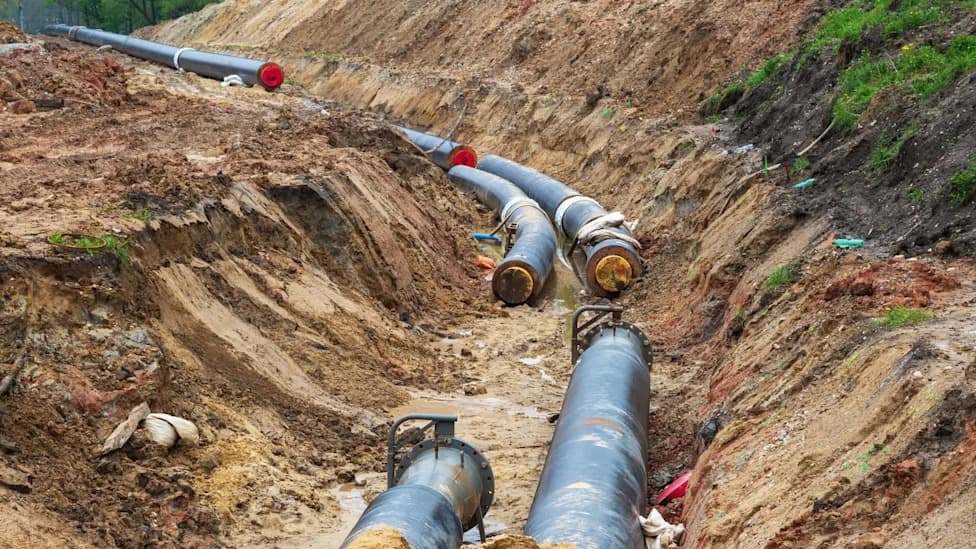
Launched in 2014, GSEP funds the replacement of pipes deemed 'at-risk' and the repair of gas leaks across the state. Supporters say the effort improves safety, lowers long-term operations and maintenance costs, and reduces distribution emissions. One reply to the Globe pointed to national industry data showing roughly a 70 percent decline in pollution from the natural gas distribution system since 1990.
But critics argue the program has misallocated resources, in some cases undermined public safety, and effectively locks Massachusetts into supporting fossil fuel infrastructure for decades. Research cited by opponents, including analysis from the Future of Heat Initiative, estimates that once all program spending is paid off, ratepayers could be on the hook for roughly $42 billion.
Lawmakers, Supporters, And Critics
State lawmakers are weighing whether to phase out GSEP by 2030, which would shorten the period during which utilities can bill customers for the program. Some advocates say a 2030 cutoff does not go far enough and have urged an immediate end to the program.
One letter argued: 'Given the stakes, let's end GSEP now.'
Utility and industry defenders counter that replacing aging pipes is a necessary reliability upgrade that reduces material risks before incidents occur. They also note that excavation damage often accompanies broader street, sewer, water and electric projects, not only gas work.
Broader Policy Context
The debate in Massachusetts mirrors larger policy shifts nationwide. Some states, including California, are exploring incentives that pay households to abandon gas before utilities undertake costly pipe replacements. At the same time, federal and state rebates and tax credits are increasing the pace of residential electrification for heating and appliances.
The central tension remains whether the immediate safety and operational benefits of replacing older gas pipes outweigh the financial burden placed on ratepayers and the long-term climate costs of extending fossil fuel infrastructure.
What Happens Next: Lawmakers must decide whether to curtail GSEP, adopt a 2030 phase-out, or pursue alternative policies such as targeted buyouts and electrification incentives that reduce both consumer costs and future emissions.
Help us improve.