California made major strides in utility-scale solar, battery storage and electric-vehicle adoption under Gov. Gavin Newsom, but affordability worsened: Canary Media reports nearly one in five households fell behind on utility bills. Experts warn the incoming governor will face tough choices on rates, net metering and permitting, and that the state cannot complete its energy transition without addressing rising power prices. Local projects — from rooftop solar relief programs to large battery systems — show both the gains and the policy trade-offs ahead.
California’s Clean-Energy Boom — And A Growing Affordability Crisis: 1 in 5 Households Fell Behind
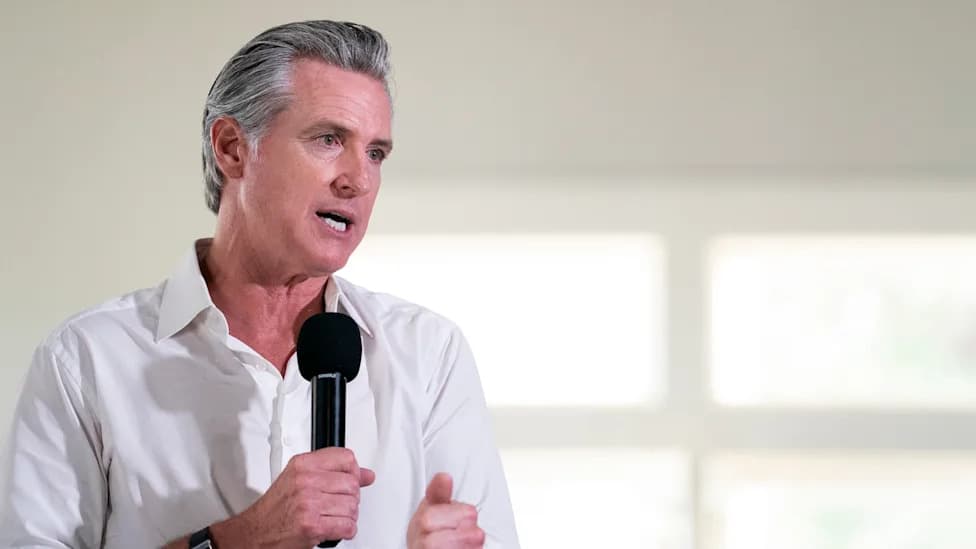
Photo Credit: Getty Images
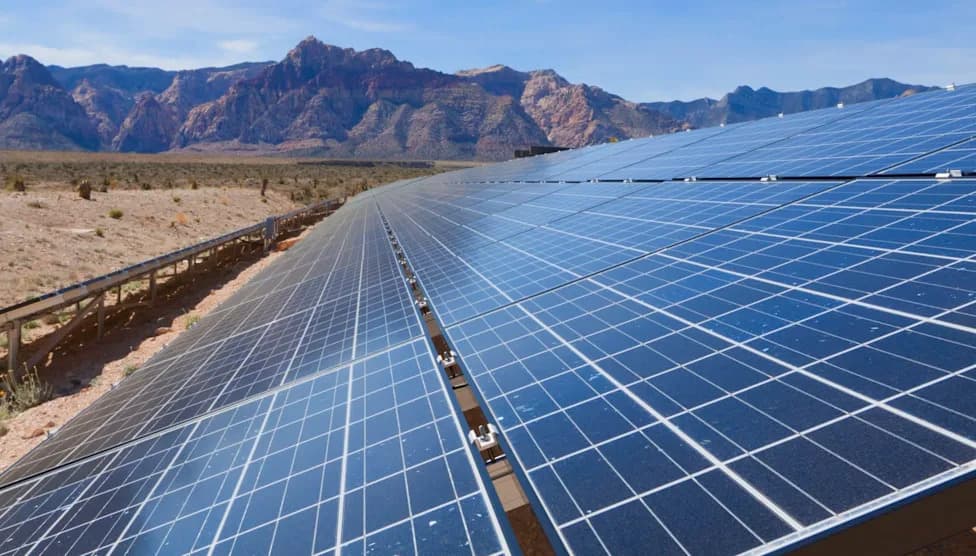
California's power system has transformed rapidly under Gov. Gavin Newsom, with major gains in utility-scale solar, battery storage and electric-vehicle adoption. But that progress has coincided with a worsening affordability problem: Canary Media reports nearly one in five households fell behind on utility bills during his tenure.
Progress On Clean Energy
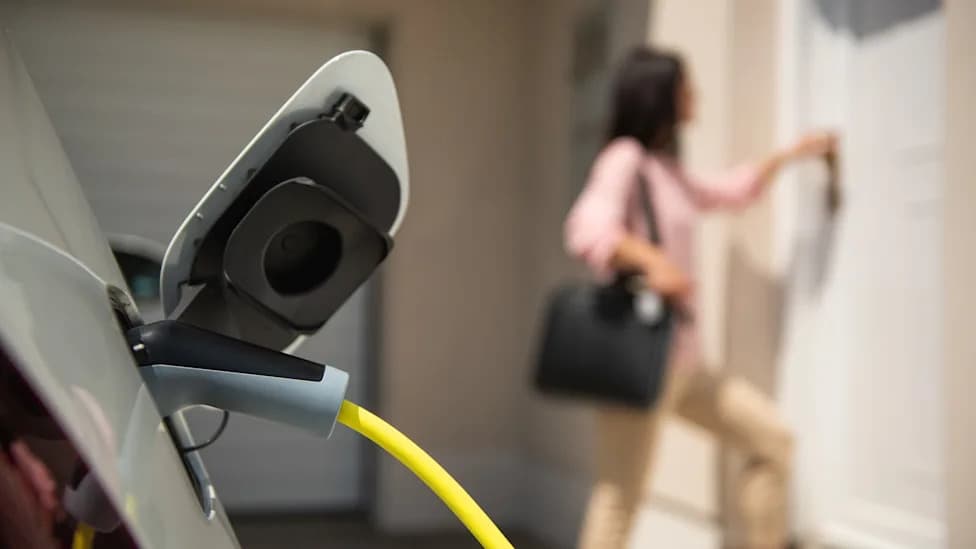
During Newsom's time in office the state significantly expanded large-scale solar capacity, added substantial battery storage, and saw millions more EVs on the road. California also set firm goals to end sales of new gasoline-powered cars by 2035 and to pursue a carbon-free electricity grid by 2045 — milestones that together point to a rapid shift away from fossil fuels.
Affordability Strains
Despite these gains, electricity grew less affordable for many Californians even as the state's economy continued to expand. Canary Media and researchers warn that rising power prices risk undermining political and financial support for the transition, particularly among low-income households who are disproportionately affected when bills climb.
“I'm a hard grader — I'd give him a B,”
said Dan Kammen, formerly of UC Berkeley and now a Bloomberg Distinguished Professor at Johns Hopkins, acknowledging the technical achievements while noting remaining policy and equity gaps.
Political And Policy Implications
Critics argue Newsom has retreated from earlier environmental-justice commitments and shown reluctance to challenge large oil, gas and utility interests even as household energy costs and company profits rose. The incoming governor will inherit difficult choices over rates, net metering, permitting, and how to ensure the benefits of cleaner energy reach those who need them most.
Local Developments
Reporting highlights several concrete local developments shaping the transition:
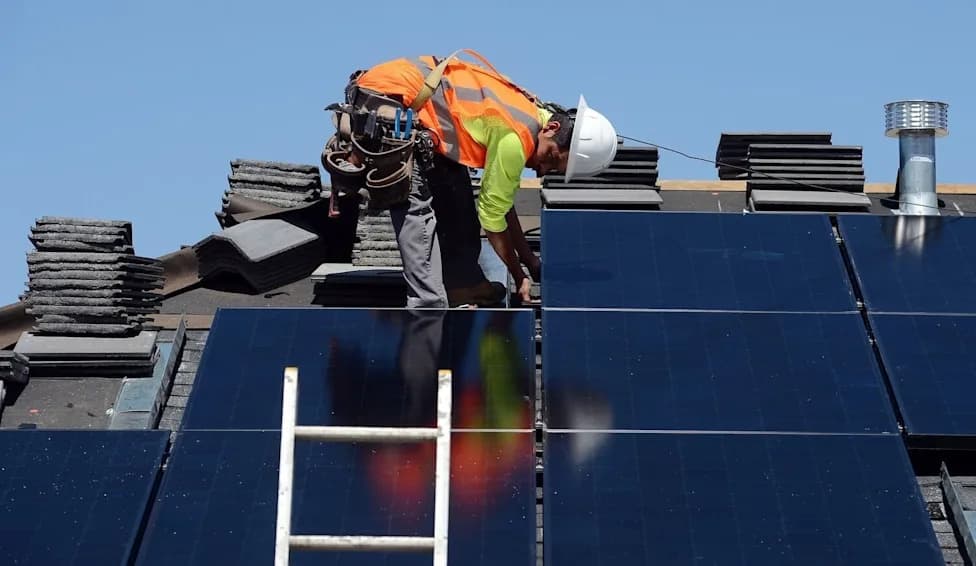
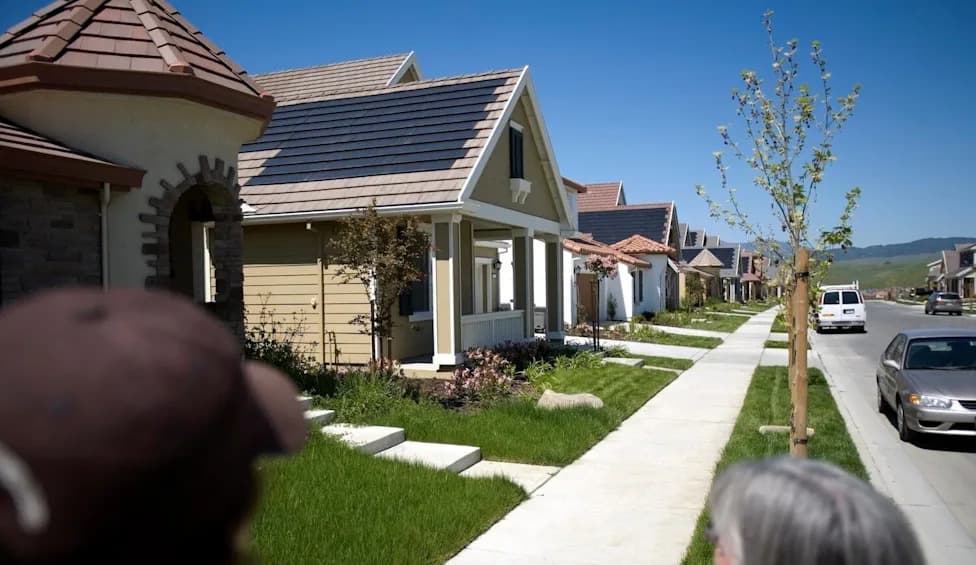
- Rooftop solar programs that are providing relief to some low-income households facing high power bills.
- Moves to allow plug-in or easily installed solar without costly permits, lowering barriers for renters and homeowners.
- Peregrine Energy's large battery installation in San Diego, one of the region's biggest systems, demonstrating how storage can support the grid.
What's Next
Expanding clean generation and storage is necessary but not sufficient. To complete the transition and sustain public support, California must pair technical progress with policies that lower or stabilize bills and protect vulnerable customers. Researchers say the state cannot finish its energy transition without tackling rising power prices and ensuring equitable distribution of benefits.
Help us improve.