Senate Bill 913 would allow residential EVs, home batteries and smart thermostats to participate more fully in California's grid programs and be paid for exported electricity. Supporters say the change could reduce the need for costly new infrastructure and lower bills as statewide demand is projected to rise 61% over 20 years. Opponents warn about reliability and the challenge of third-party control. The bill now heads to the governor for approval or veto.
California Could Pay Households To Use EVs, Home Batteries And Smart Thermostats To Stabilize The Grid
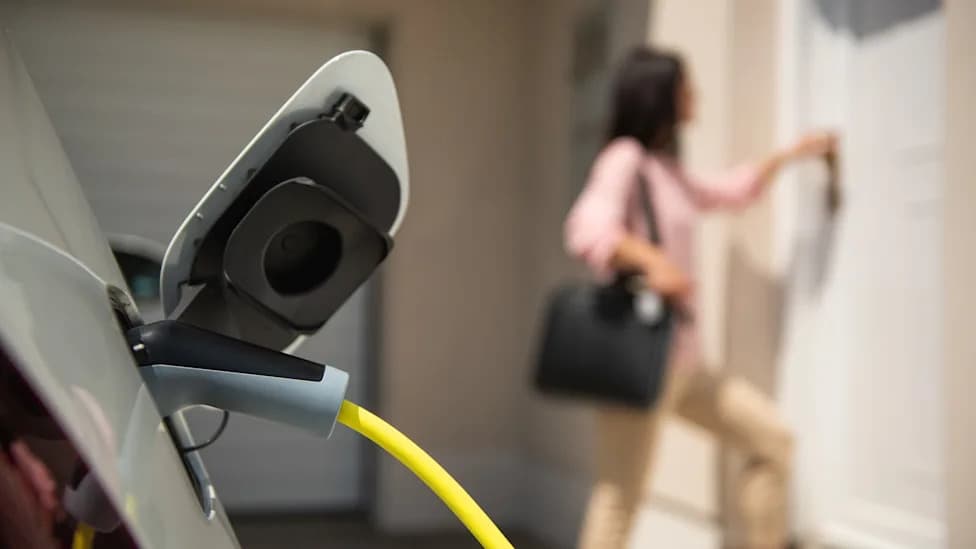
Photo Credit: iStock
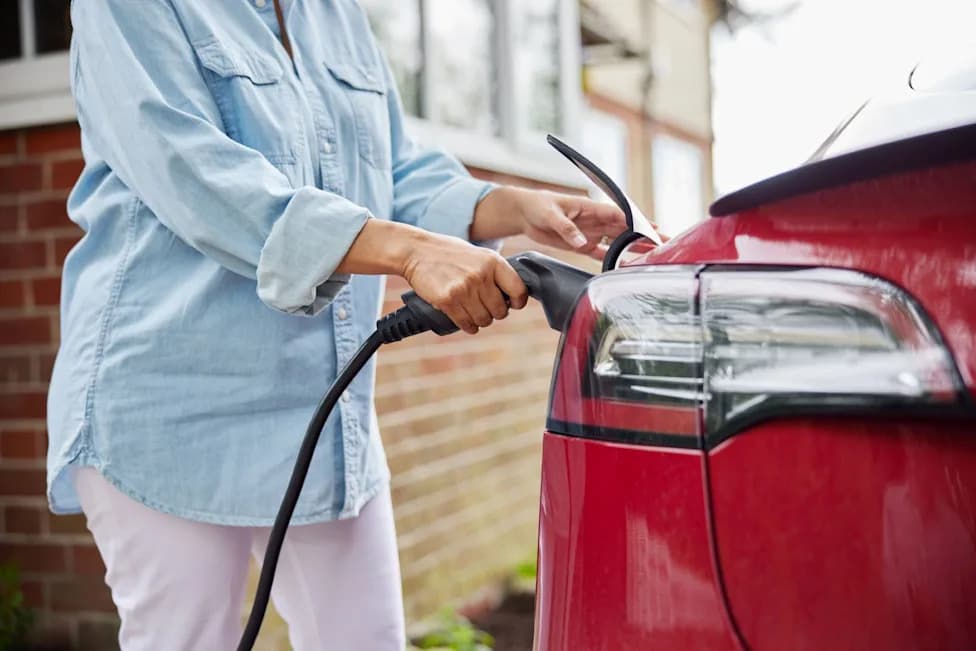
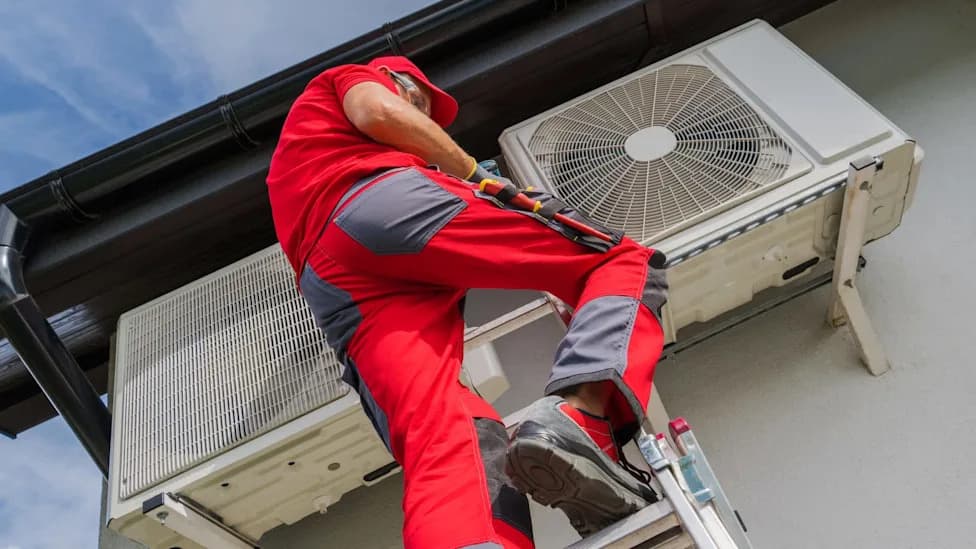
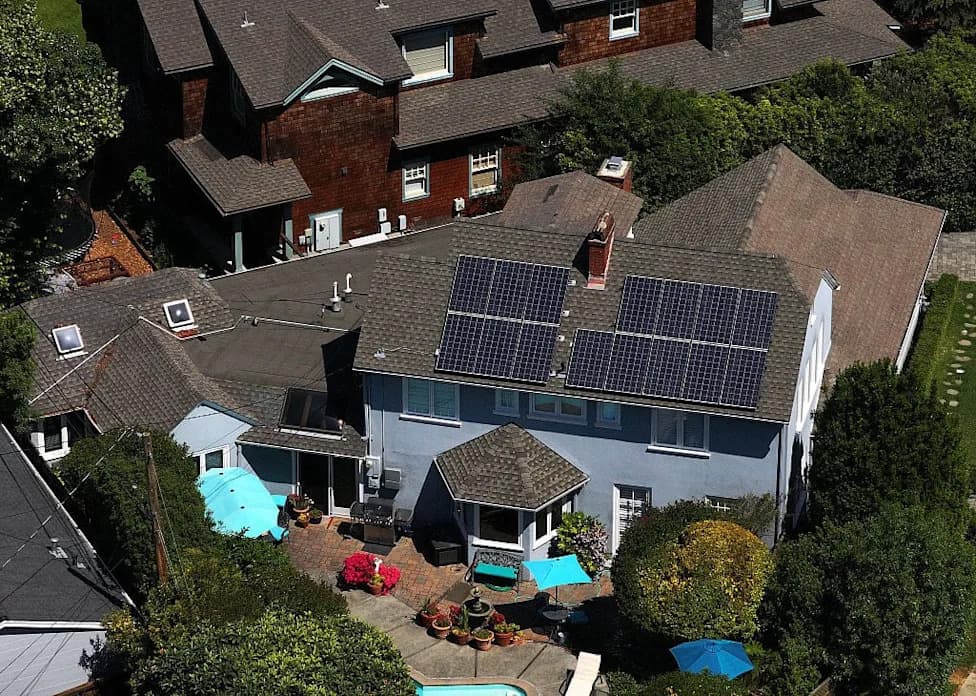
California households that own electric vehicles, home battery systems and smart thermostats could soon be eligible to earn payments for using that equipment to help balance electricity demand and ease strain on the grid.
What SB 913 Would Do
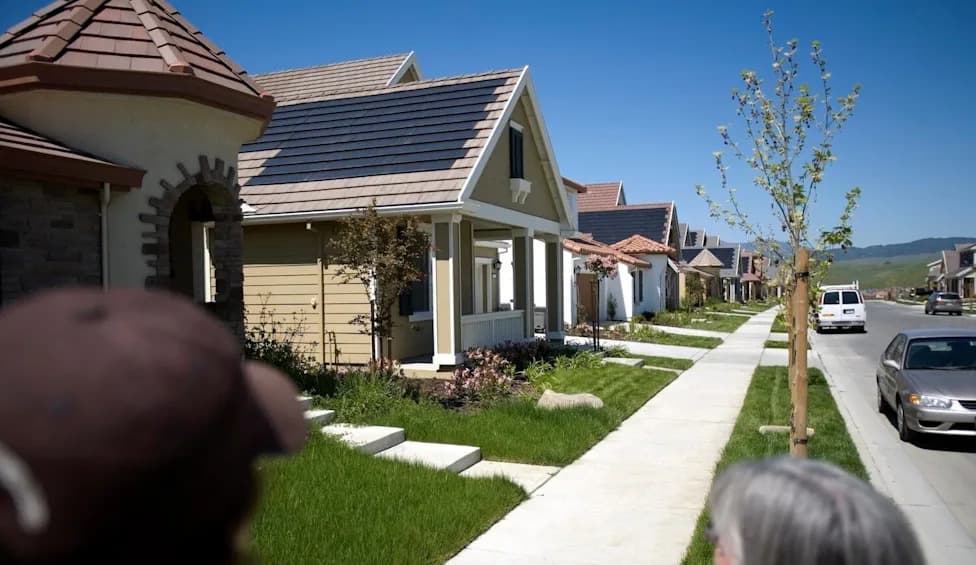
Senate Bill 913, authored by Senator Josh Becker and recently passed by the California legislature, would make it easier for residential devices to participate in grid programs and be compensated for services they provide—including electricity exported back to the grid. The measure aims to reduce reliance on costly new utility infrastructure by mobilizing distributed, already-installed home resources during the relatively few hours of peak demand.
"Californians are struggling with rising electricity bills, and we need to use our grid more intelligently and cost-effectively," Becker said in the bill analysis. "Instead of always building expensive new infrastructure to meet just a few peak hours of demand, we should be making better use of the resources we already have in our homes."
Support for the bill crossed party lines. Republican Senator Tony Strickland said the proposal could "improve reliability, make better use of existing investments, and keep electric costs down for families." The bill now awaits the governor's signature or veto.
Why Supporters Say It Helps
Becker's office projects statewide electricity demand could rise by about 61% over the next 20 years, increasing pressure on the grid and on ratepayers. Proponents argue that allowing EVs, home batteries and smart thermostats to be aggregated and compensated as grid resources would lower the need for large capital investments. For context, the Edison Electric Institute reported roughly $1.3 trillion in California utility infrastructure spending from 2015–2024, with another $1.1 trillion projected for 2025–2029.
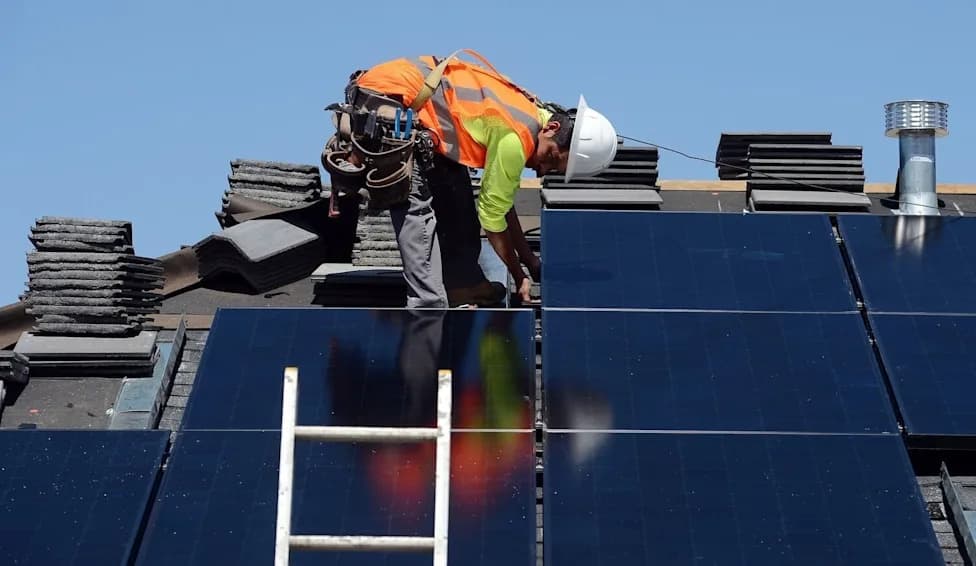
Residential uptake of home energy technologies is already significant: the California Community Choice Association reported that, as of March 2026, Californians were installing roughly 8,000 home batteries per month, totaling about 100 megawatts of capacity.
Concerns From Opponents
Not all stakeholders are convinced. Reliability and control were central themes of opposition. Groups such as the Coalition of California Utility Employees warned that third-party control of distributed devices—like smart thermostats and aggregated residential batteries—may be difficult to guarantee.
"There is no way to control third-party operation of them and imposing a penalty if the capacity is not delivered is not enough," the Coalition said in statements cited in the bill analysis.
SB 913 is focused on removing regulatory and contractual barriers that currently exclude many household devices from participating fully in grid programs. If implemented with appropriate standards and oversight, proponents say it could boost reliability while reducing consumer costs by tapping existing, distributed resources more effectively.
Broader Context
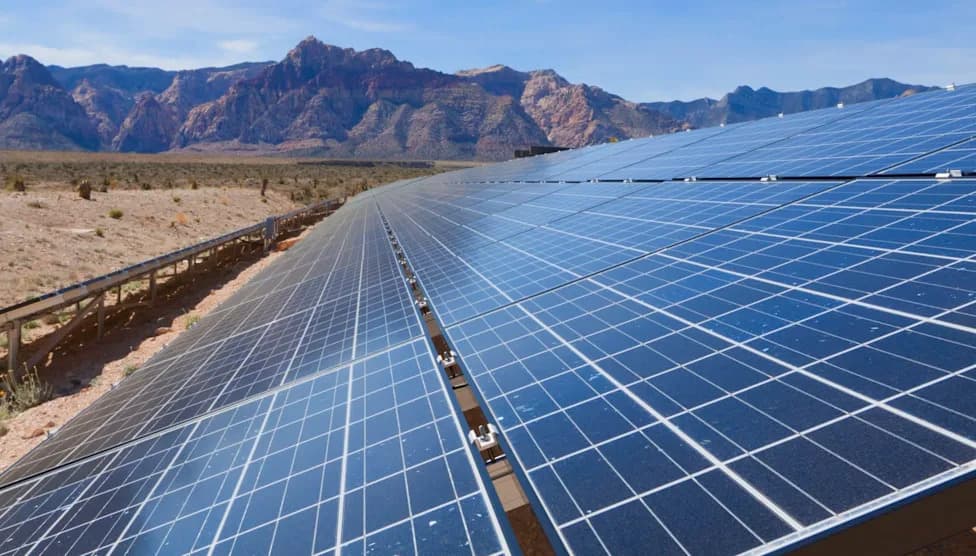
California's debate over SB 913 is part of a wider national effort to broaden demand-response programs, integrate distributed solar and storage, and manage growing electric loads—ranging from residential adoption to large commercial users such as data centers. Similar policy conversations are underway in other states about how to keep power affordable as demand climbs.
Help us improve.