CRBC News
Security

Germany's Merz Calls Houthi Red Sea 'Blockade' Unacceptable, Urges Immediate Halt to Attacks

Germany's Merz Calls Houthi Red Sea 'Blockade' Unacceptable, Urges Immediate Halt to Attacks
FILE PHOTO - German Chancellor Friedrich Merz speaks during a press conference with Ilham Aliyev, President of Azerbaijan, following their meeting at the Federal Chancellery. (is associated with: «Germany's Merz slams Houthi Red Sea blockade as 'unacceptable'») Fabian Sommer/dpa

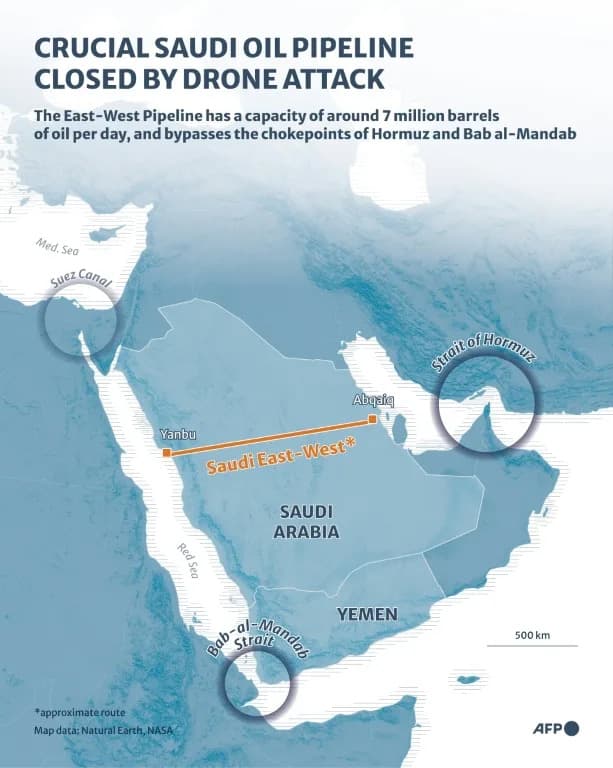
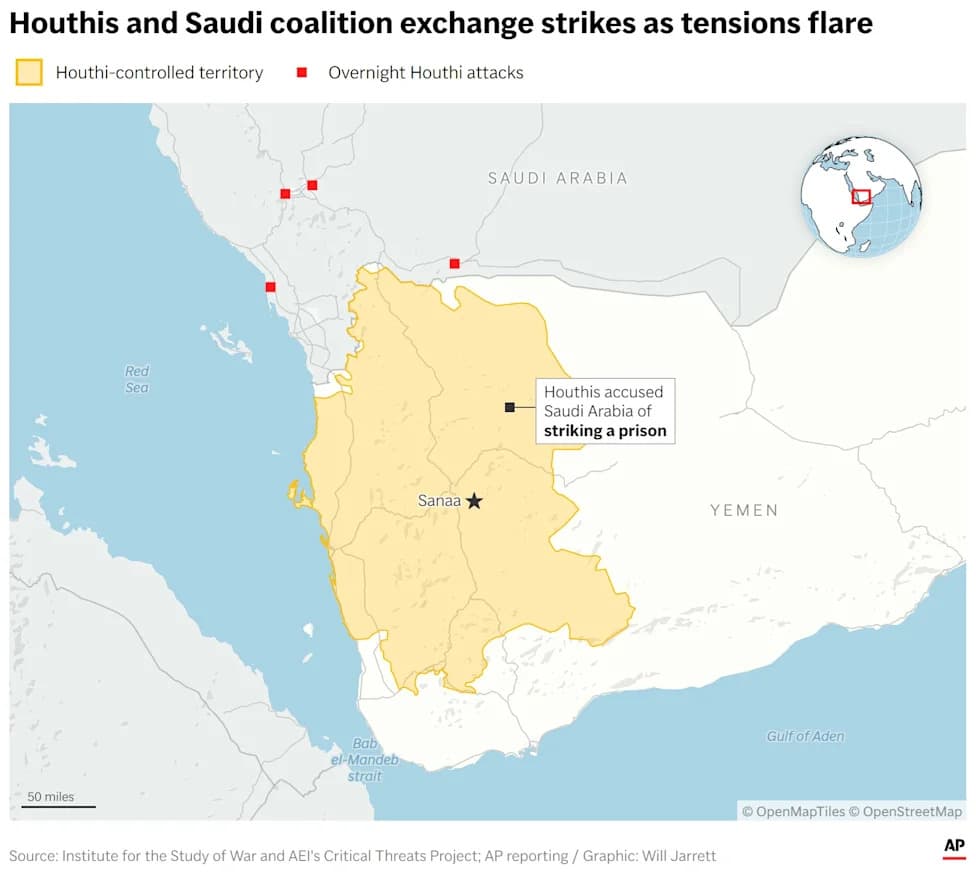
German Chancellor Friedrich Merz condemned Houthi attacks on Saudi vessels in the Red Sea, calling any naval blockade "unacceptable" and urging an immediate end to the strikes.

The Iran-backed Houthis have claimed responsibility for strikes on two Saudi oil tankers, raising alarms about freedom of navigation and the safety of a vital shipping corridor.

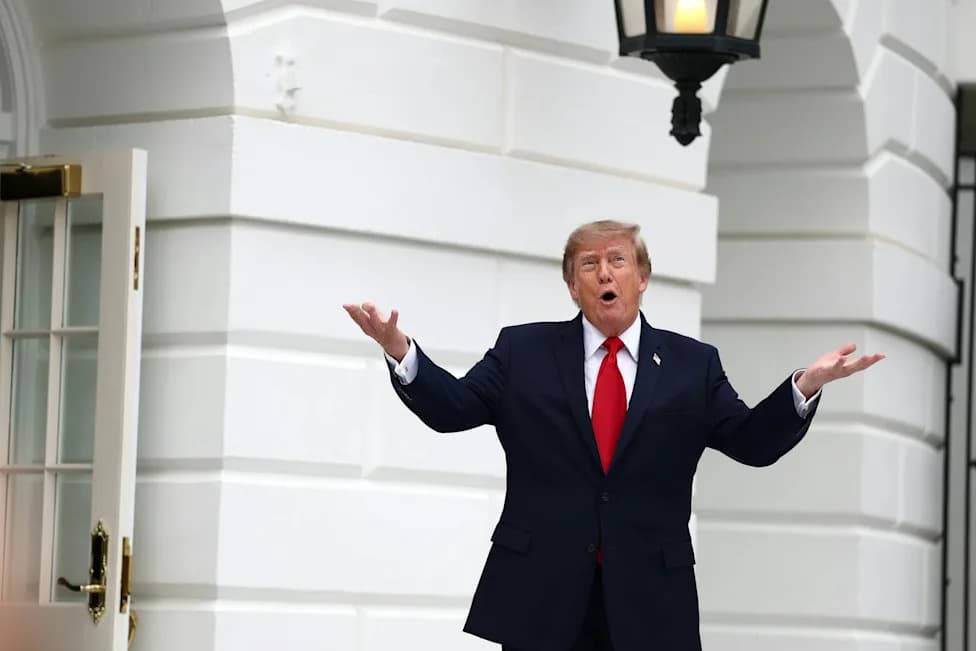
US President Donald Trump warned Iran of potential retaliation if further attacks occur, while international actors call for de‑escalation and protection of maritime traffic.
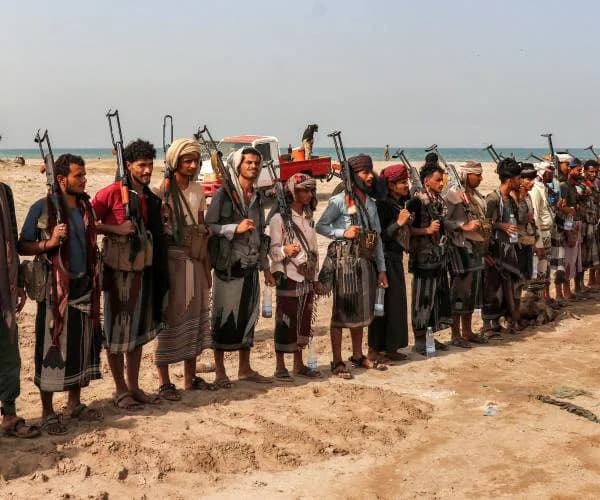

German Chancellor Friedrich Merz has strongly condemned recent attacks by the Houthi militia on Saudi vessels in the Red Sea, calling for the strikes to stop immediately and describing any form of naval blockade as "unacceptable."

"These reckless attacks endanger freedom of navigation and threaten to further undermine regional stability," Merz said in a statement on Thursday.

Merz added that the German government stands in solidarity with Saudi Arabia and its partners in the region and urged all parties to pursue de‑escalation through diplomatic channels.

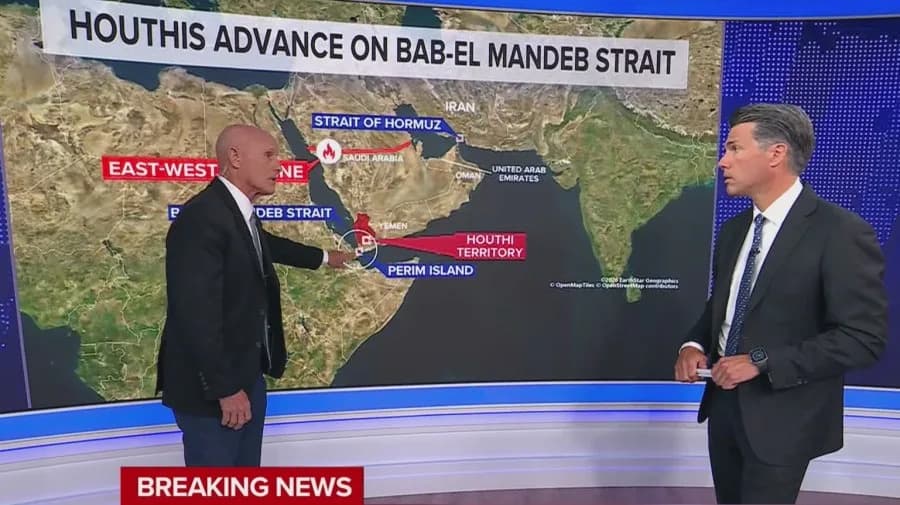
The Iranian-backed Houthi movement has claimed responsibility for strikes on two Saudi oil tankers, asserting that the vessels had violated a "blockade" it declared in parts of the Red Sea. The incidents have raised concerns among international shipping operators and governments about the safety of one of the world’s busiest maritime corridors.

US President Donald Trump warned Iran that it could face retaliation if the Houthis carry out further attacks, accusing the group of acting as a proxy for Tehran. International observers say such confrontations risk disrupting shipping, raising insurance and energy costs, and increasing the potential for wider regional conflict.

Implications: The attacks highlight tensions over maritime security and the enforcement of international law in contested waters. Governments and commercial operators will be closely monitoring developments while calling for restraint and protection of civilian shipping.

Help us improve.

Related Articles

Trending