Two tankers were reportedly struck in the Strait of Hormuz, amid claims by Iran's IRGC and rising U.S.-Iran tensions. President Trump said he faces a "big decision" on a possible major strike, while a U.N. panel raised concerns that earlier U.S. strikes may amount to war crimes. Houthi advances in Yemen disrupted Bab el-Mandeb shipping, triggering humanitarian displacement and straining global oil flows. Regional military moves, sanctions disputes at the U.N., and arms sales to Saudi Arabia add to mounting instability.
Two Tankers Struck in Strait of Hormuz as Trump Signals Possible Major Strike on Iran
2 ships attacked in Strait of Hormuz as Trump grapples with his next move
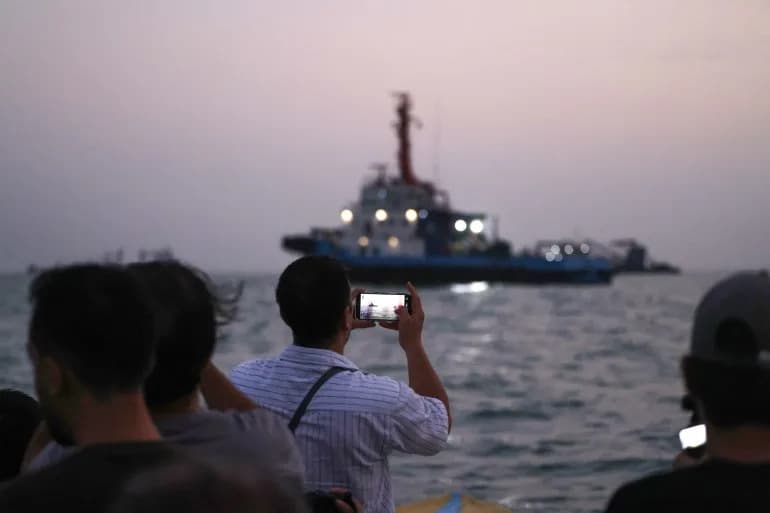
A U.K. maritime monitor reported early Friday that a second tanker was hit by a projectile in the Strait of Hormuz, hours after another vessel was reported under attack in the vital waterway. Iran's Islamic Revolutionary Guard Corps (IRGC) claimed responsibility for striking a ship it said was attempting an "illegal crossing." The U.K. Maritime Trade Operations center (UKMTO) said crews were safe in the reported incidents, though environmental impacts remained unconfirmed.
Trump’s Warning and U.N. Panel Findings
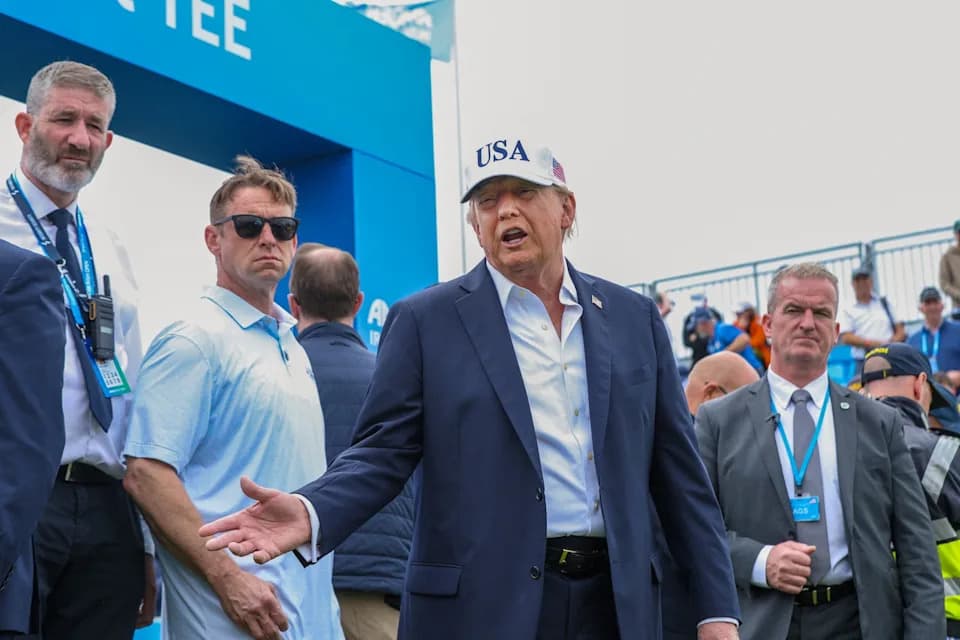
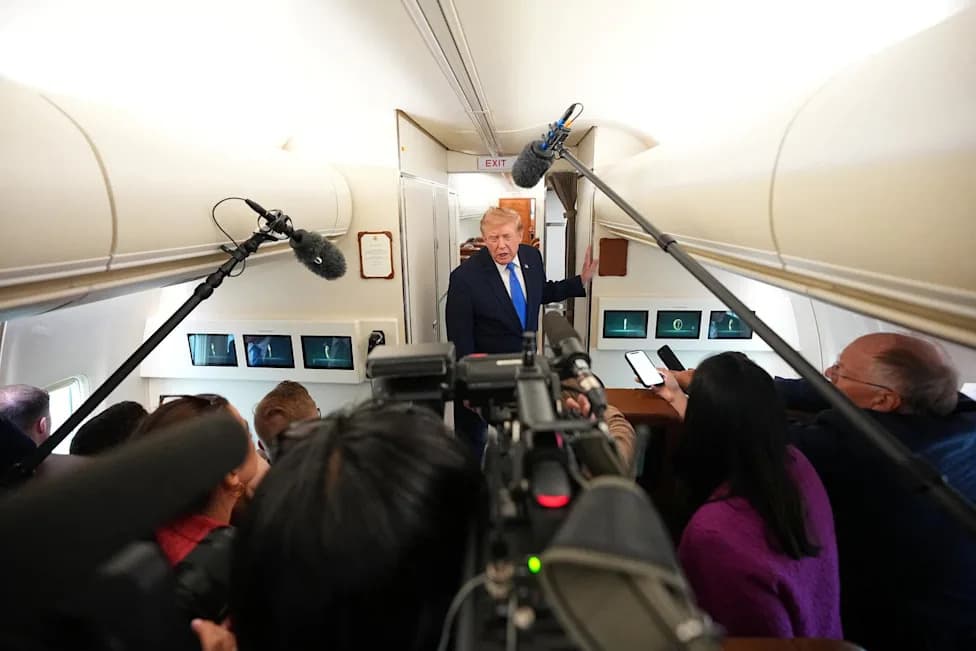
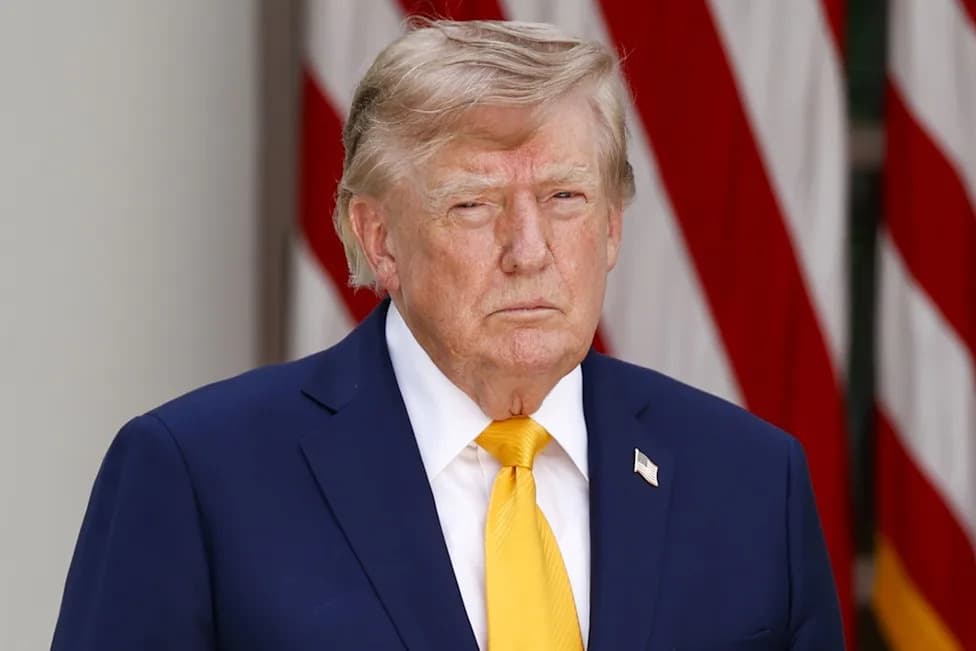
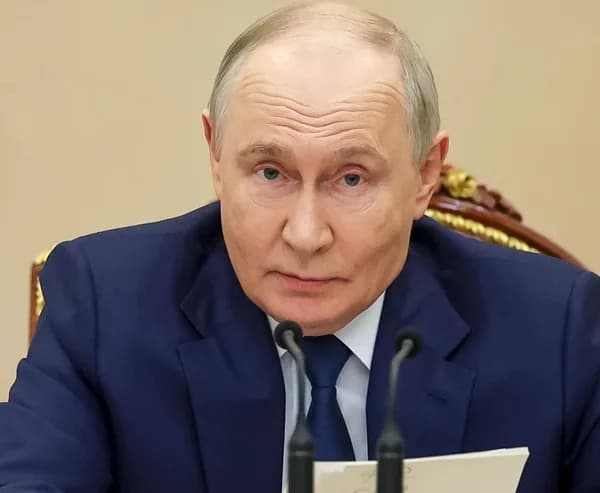
President Donald Trump told Axios he faces a "big decision" about whether to order a major military assault that could "annihilate" the Iranian regime, comments made ahead of planned meetings with Persian Gulf leaders. Meanwhile, a U.N.-commissioned panel of human rights experts said there are "reasonable grounds" to believe two U.S. strikes on Iran earlier in the conflict may constitute war crimes.
Escalation in the Red Sea and Yemen
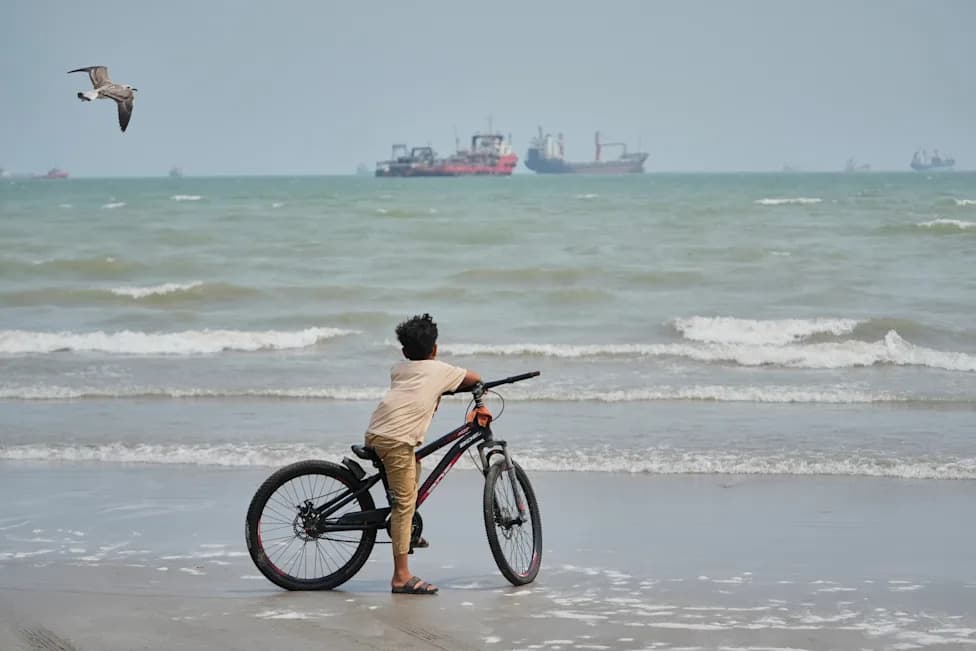
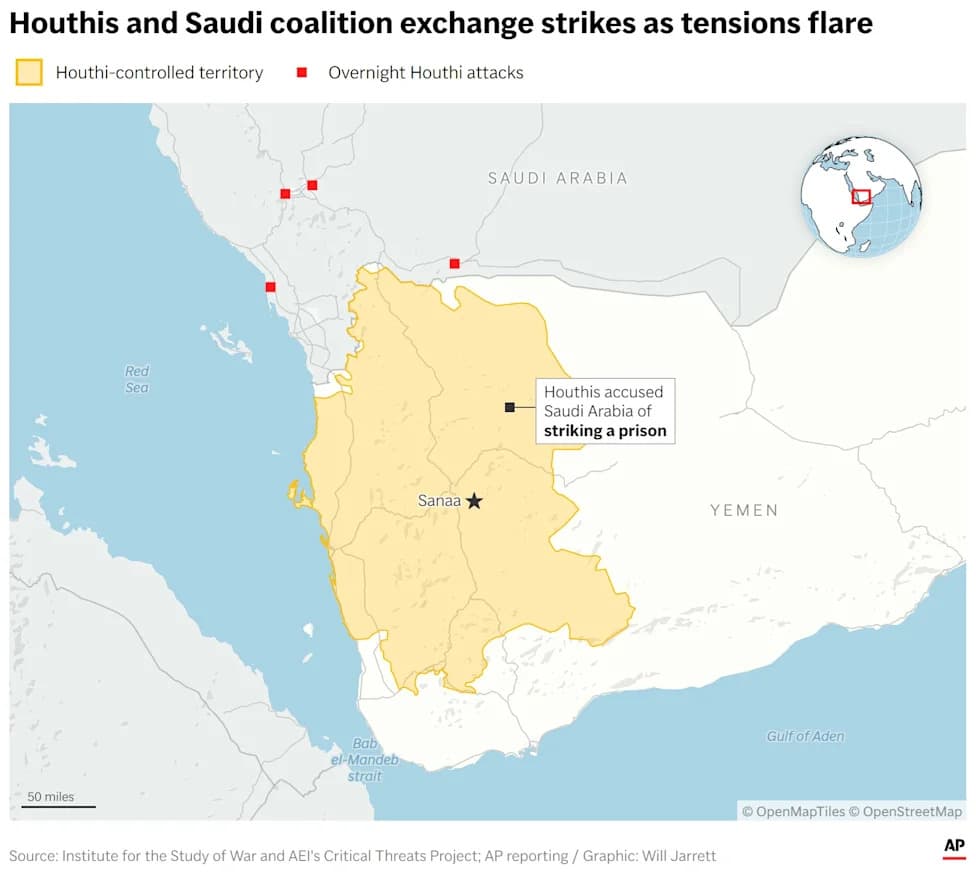
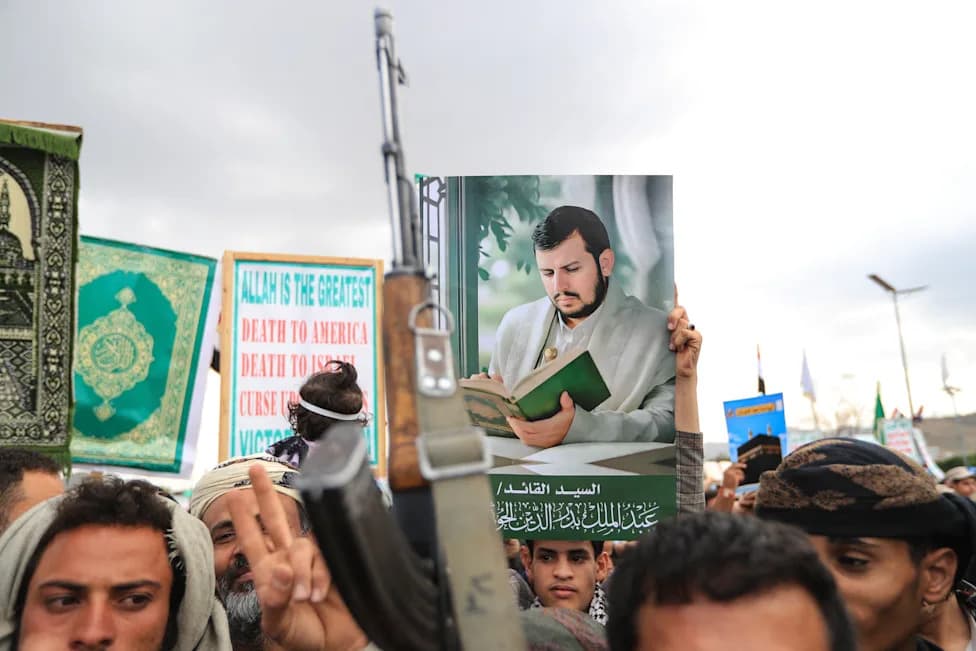
The Iran-aligned Houthi militant group in Yemen has expanded attacks on shipping and seized strategic Red Sea locations, including the port city of Mokha. The offensive has disrupted traffic through the Bab el-Mandeb Strait, reducing daily transits and forcing many shippers to reroute. Maritime tracking firm Kpler estimates daily transits have fallen from a prior average of 35–40 vessels to roughly 26–35 in recent days.
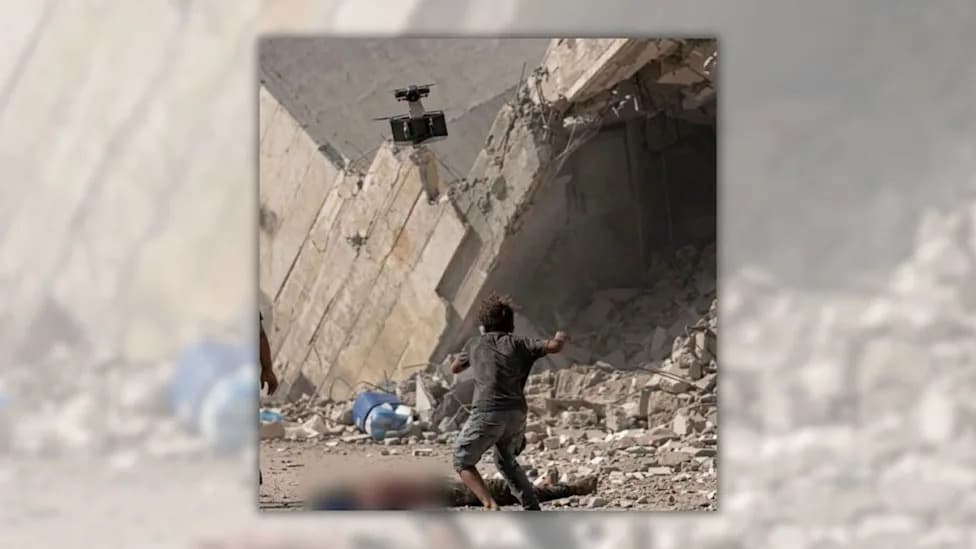
Thousands of people have fled across the Bab el-Mandeb to Djibouti amid the violence. UNHCR reported nearly 3,000 people — more than half women and children — left Yemen in under a week, and UNICEF says over 100,000 were internally displaced. Reception centers in Djibouti described arrivals fleeing bombardment, shelling and gunfire.
Economic and Energy Impacts
Global oil markets have been volatile. Brent crude has hovered above $100 a barrel amid disruptions: Saudi Arabia paused flows through its East-West pipeline after drone attacks, and sources told Bloomberg that Aramco told some European customers it would suspend October deliveries. U.S. Central Command said a U.S. blockade of the Strait of Hormuz redirected 105 commercial vessels, and U.S. officials estimate over 30 million barrels of Iranian or likely-Iranian crude remain in the Persian Gulf due to the blockade.
Regional Military and Diplomatic Moves
Israel advanced near the Lebanese village of Deir Mimas as tensions with Hezbollah persist. The U.S. State Department approved a proposed sale of 48 F-35A jets to Saudi Arabia, valued at roughly $24.3 billion, prompting Israel to seek additional security assurances and weapons. Russia and China vetoed a U.N. resolution to extend a panel monitoring the snapback of sanctions on Iran, blocking the proposed yearlong extension.
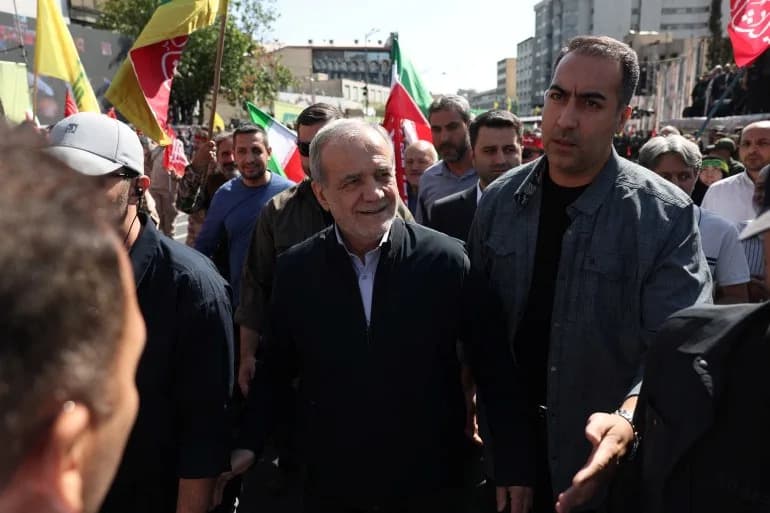
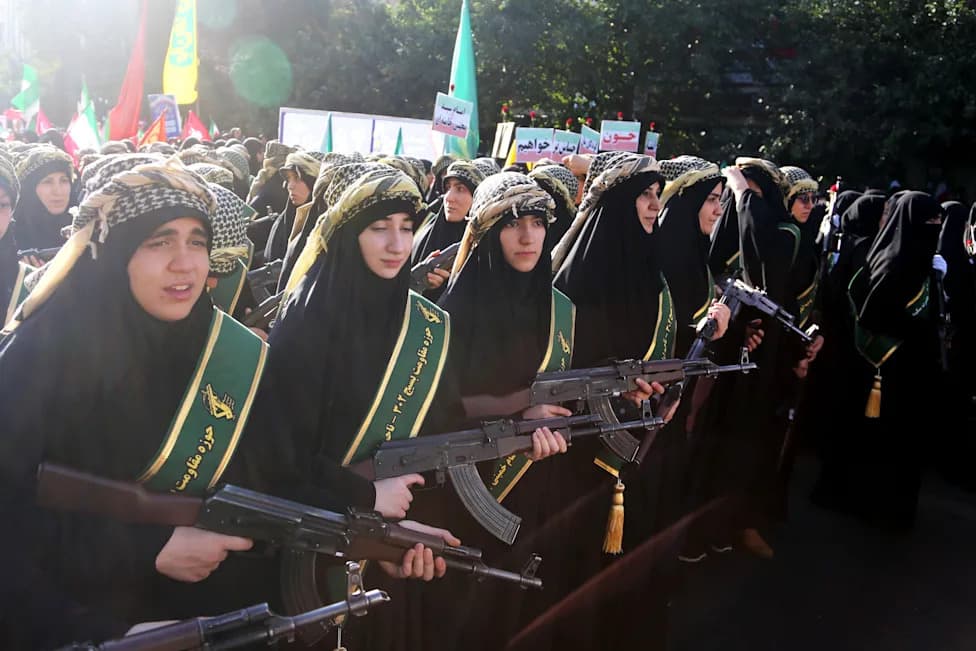
The U.S. also offered up to $15 million via its Rewards for Justice program for information disrupting the financial networks of Iran's Islamic Revolutionary Guard Corps and its Quds Force. Pakistan publicly pledged strong support for Saudi Arabia under recent defense agreements, while Iran staged mass rallies and registrations for limited military training in response to the growing regional threat.
Other Developments
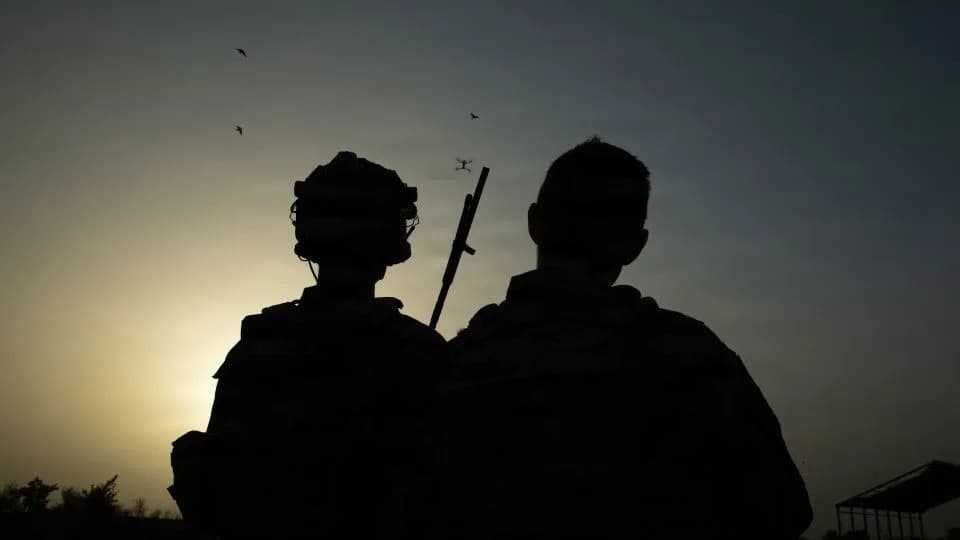
U.S. officials said Iranian forces recently downed at least two MQ-1 unmanned aircraft, underscoring increased tensions in the air and sea corridors that are critical for global trade. Markets and central banks reacted this week to the geopolitical shock, with divergent moves across equities and interest-rate decisions adding to economic uncertainty.
What This Means: The attacks on shipping in the Strait of Hormuz and Bab el-Mandeb, coupled with escalating rhetoric and military moves, have raised the risk of wider conflict and disrupted key energy routes. Humanitarian displacement from Yemen has intensified, while global diplomatic efforts and military sales continue to reshape regional alignments.
Help us improve.