With seven months until France’s presidential vote, record fuel prices and widespread protests have pushed energy costs to the centre of the campaign. Diesel hit €2.41/l and petrol grades rose above their 2022 peaks, prompting the government to add €450 million in targeted relief (€1.4 billion total) and propose a "fuel golden rule" for 2027. Candidates offer divergent fixes — from VAT cuts to price caps — making fuel policy a likely electoral flashpoint.
Fuel Prices Ignite France’s Presidential Race: Protests, Policy and Political Maneuvering

Surging prices, voters’ anger: How France’s fuel crisis could shape the presidential campaign
With roughly seven months to go before France’s presidential election, soaring fuel prices have become a potent political fault line—sparking protests, reshaping policy debates and putting pressure on candidates across the spectrum.
What's Happening
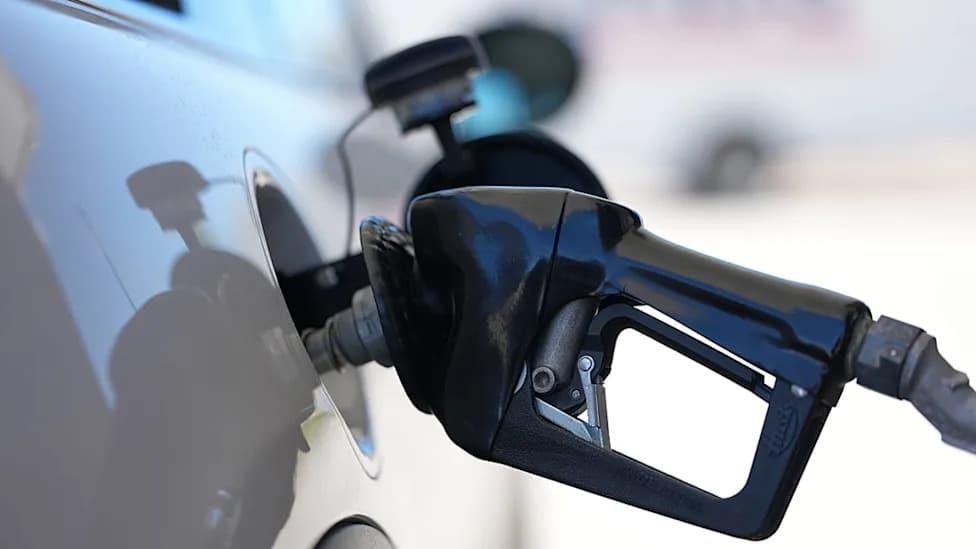
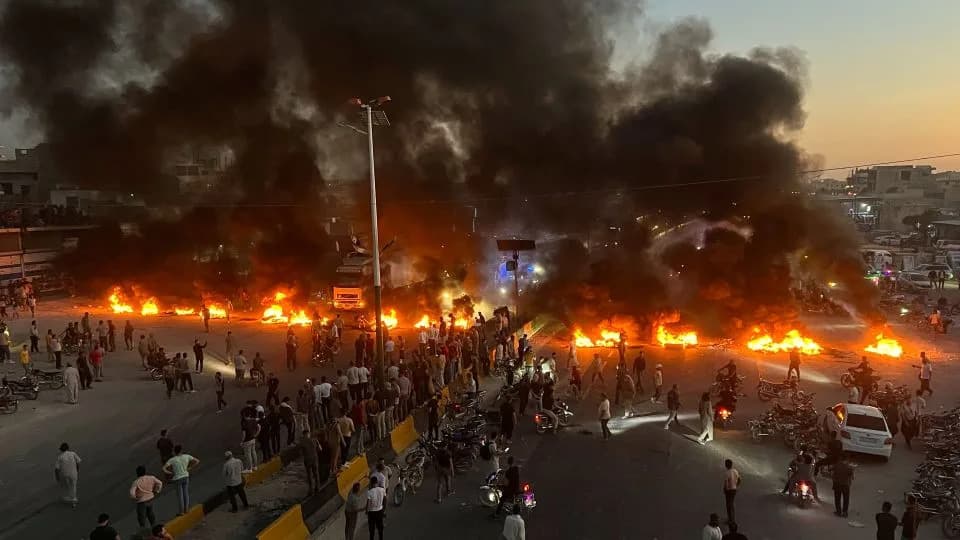
Diesel reached a record €2.41 per litre, while popular petrol grades also surpassed their 2022 peaks: SP95‑E10 rose above €2.17 per litre on average and SP98 averaged over €2.28 per litre. In recent weeks, fishermen in southern France have blocked oil depots and port entrances and farmers have staged nationwide demonstrations in response to rising pump prices. There are early signs that demand may be softening after months of sustained highs.
Government Response
On Tuesday the government announced an extension and expansion of targeted fuel relief measures worth an additional €450 million, bringing total aid to €1.4 billion. Officials also proposed a "fuel golden rule" for the 2027 budget that would neutralise any extra tax revenue from higher fuel prices and redirect it to consumer support — an attempt to avoid the perception that the state profits from price spikes.
France’s fuel price mix is heavily influenced by taxes: the TICPE (a fixed domestic consumption tax per litre) and VAT (around 20%), which is applied after TICPE and therefore taxed itself. Rather than broad tax cuts, the government has favoured targeted subsidies since March to protect the most affected households and sectors, a strategy Economy Minister Roland Lescure says will remain unchanged.
Market Structure and Oversight
Despite perceptions of uncontrolled profits, the fuel market is closely monitored. Distributors operate under contracts that regulate promotions, margins and supply responses, and retailers must publish prices on the government comparison platform. Anna Creti, Professor of Economics at Paris Dauphine University, notes that refining typically yields higher margins than distribution and that competition — including measures by large players such as TotalEnergies — helps constrain retail prices.
"The real profit margin is in refining, much more so than in distribution," Creti told Euronews, adding that integrated companies and independent stations alike shape downstream pricing dynamics.
Why Diesel Matters
France’s large diesel fleet — used by private motorists, small and medium businesses and some industrial applications — and higher diesel import dependence make the country particularly vulnerable to international supply shocks, wholesale price swings and transport costs. Adjusted for inflation, current pump prices have already exceeded the levels that helped spark the 2018 "gilets jaunes" protests, which remain a political reference point.
Political Stakes
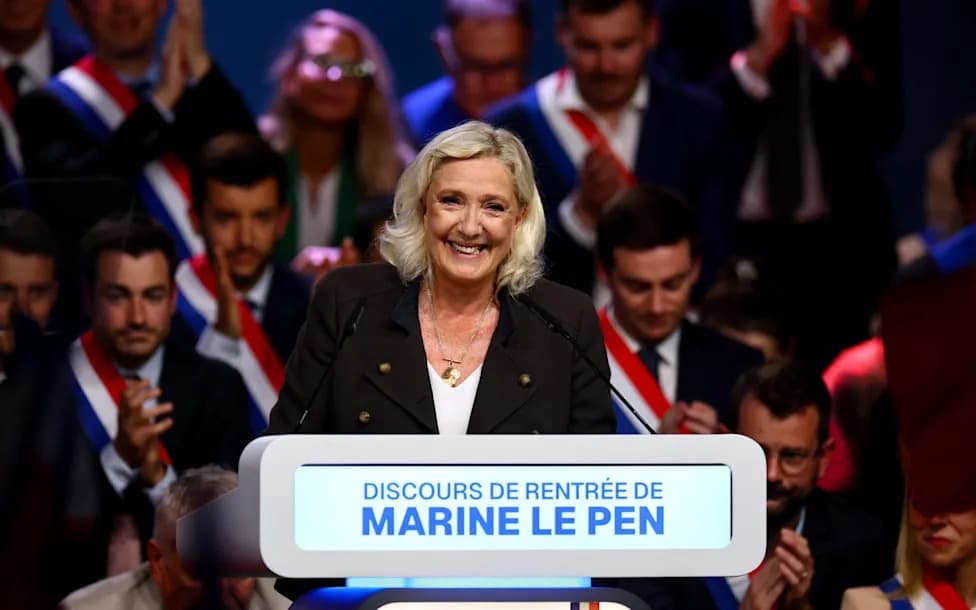
Fuel is now a live electoral issue. Marine Le Pen’s National Rally is again proposing cutting VAT on fuel from 20% to 5.5%, a pledge she used in 2022, but such a move would run into EU VAT rules. Jean‑Luc Mélenchon and La France Insoumise propose capping prices (€1.70/l for petrol and €1.80/l for diesel) and argue tax cuts do not guarantee lower consumer prices. Centrist Gabriel Attal and conservative Édouard Philippe have backed measures aligned with the government’s targeted relief approach, while Raphaël Glucksmann emphasises reducing fossil fuel dependency over short‑term price fixes.
Outlook
With the campaign underway, fuel policy is poised to be a defining battleground: it combines immediate cost‑of‑living concerns with longer‑term debates on taxation, energy security and decarbonisation. How parties translate proposals into credible, legally and fiscally feasible measures will be central to voter judgments as the election approaches.
Help us improve.